Facebook's China Deals Could Be Bigger Scandal Than Cambridge Analytica
*By Conor White*
Facebook is bracing for another round of questions and criticism after confirming a New York Times report that the social networking giant made a deal with four Chinese electronics companies to share user data. One of those companies is phone maker Huawei, which has been deemed a national security threat by U.S. intelligence agencies.
According to President George W. Bush's former Chief Information Officer, Theresa Payton, this scandal could be even bigger than the one unleashed by Cambridge Analytica.
"This is a compounding effect," Payton said in an interview with Cheddar. "So we've got this drip, drip, drip going on, and candidly, it would be in Facebook's best interest and all other high-tech companies who offer us free services in exchange for us on being the product, the collection of our data, and the packaging and reselling of our data, to come forward and say 'we are investigating not only our practices, making sure there's no violation of the practices, but we are investing in understanding the true usage of that data after we sell it.'"
Facebook confirmed it made the deal with Huawei and defended its practices. The company said it had already ended the data partnerships with three of the four Chinese companies. Facebook said it would end the partnership with Huawei this week.
Payton, now the CEO of cybersecurity firm Fortalice Solutions, said Facebook's intentions are to blame.
"They really do want to be a force for good, and so they believe that people that are buying this data, that it's also a force for good, and they're not really putting together things that are outside of their control."
For full interview, [click here]( https://cheddar.com/videos/why-facebook-could-be-facing-its-greatest-challenge-yet).
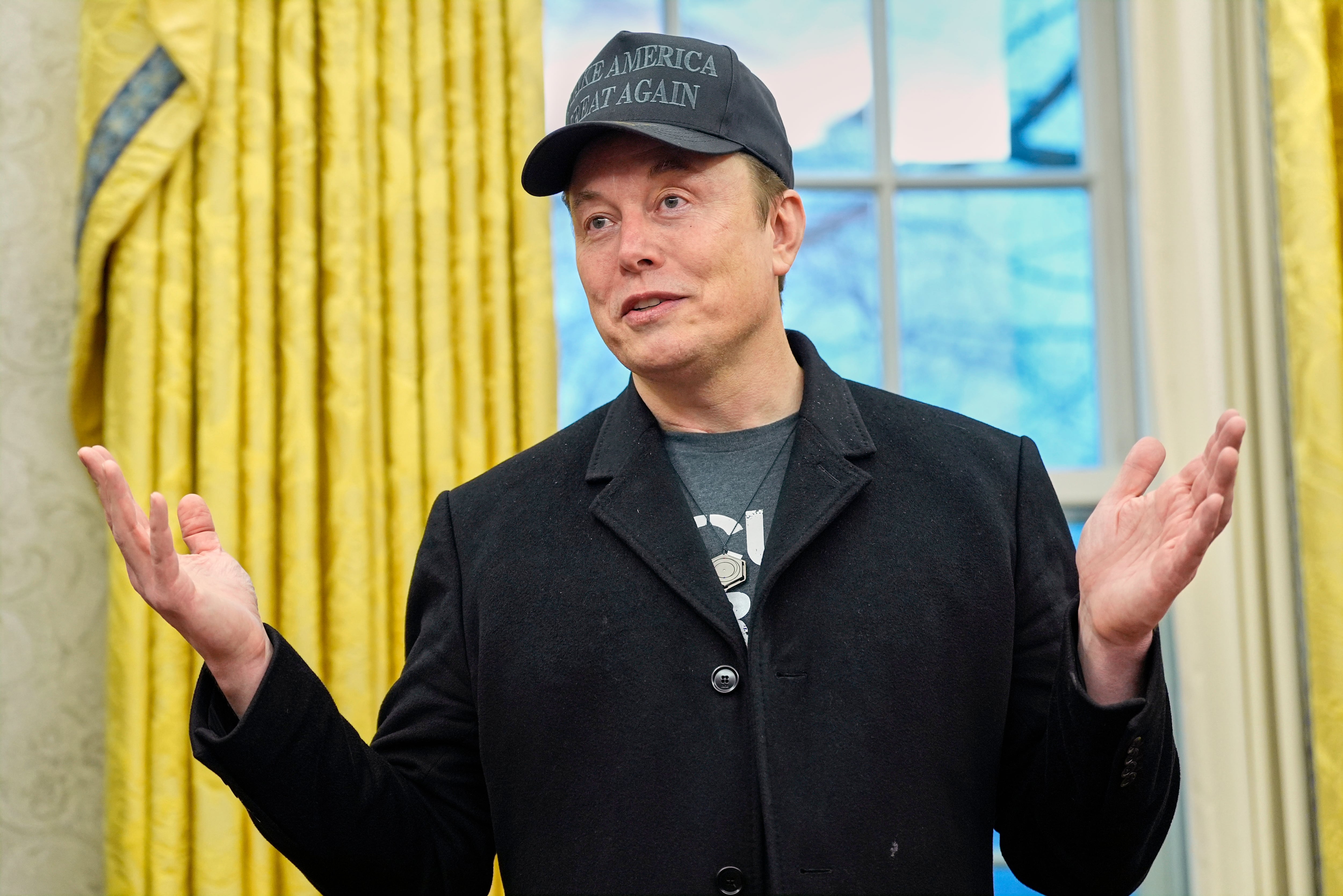
Tesla reported a surprise increase in sales in the third quarter as the electric car maker likely benefited from a rush by consumers to take advantage of a $7,500 credit before it expired on Sept. 30. The company reported Thursday that sales in the three months through September rose 7% compared to the same period a year ago. The gain follows two quarters of steep declines as people turned off by CEO Elon Musk’s foray into right-wing politics avoided buying his company’s cars and even protested at some dealerships. Sales rose to 497,099 vehicles, compared with 462,890 in the same period last year.
Tom’s Guide Editor-in-Chief Mark Spoonauer breaks down Apple & Amazon's latest product drops—what's hot, what's hype, and what really matters for users.
InnerPlant CEO Shely Aronov reveals how engineered crops like soybeans and corn emit signals when stressed—offering farmers early warnings to boost yields.
Payoneer CEO John Caplan discusses the implications of $100K H1B visa requirements—and how they could reshape tech talent, hiring, and U.S. competitiveness.
Electronic Arts, the video game maker of “Madden NFL,” “The Sims,” and other popular titles, is being acquired and taken private for about $52.5 billion in what could become the largest-ever buyout funded by private-equity firms.