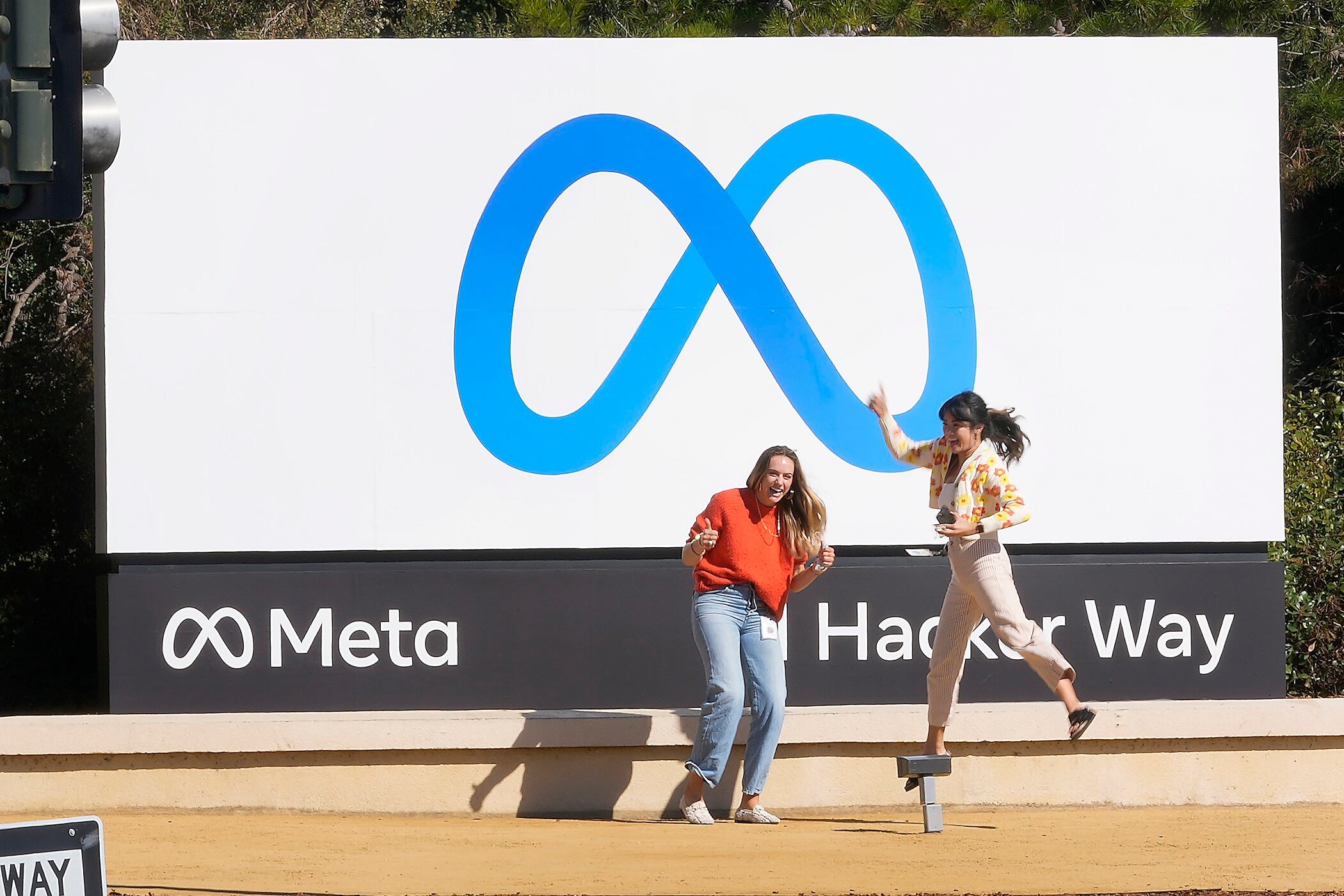
Facebook employees take a photo with the company's new name and logo outside its headquarters in Menlo Park, Calif., Oct. 28, 2021. Facebook’s parent company Meta on Monday, Jan. 24, 2022 said it has created what it believes is among the fastest artificial intelligence supercomputers running today. The social media giant said it hopes the machine will help lay the groundwork for its building of the metaverse, a virtual reality construct intended to supplant the internet as we know it today. Facebook said it believes the computer will be the fastest in the world once it is fully built around the middle of the year. (AP Photo/Tony Avelar)
Facebook’s parent company Meta on Monday said it has created what it believes is among the fastest artificial intelligence supercomputers running today.
The social media giant said it hopes the machine will help lay the groundwork for its building of the metaverse, a virtual reality construct intended to supplant the internet as we know it today.
Facebook said it believes the computer will be the fastest in the world once it is fully built around the middle of the year.
Supercomputers are extremely fast and powerful machines built to do complex calculations not possible with a regular home computer. Meta did not disclose where the computer is located or how much it is costing to build.
The computer, which is already up and running but is still being built, is called AI Research SuperCluster. Meta says it will help its AI researchers build “new and better” artificial intelligence models that can learn from “trillions” of examples and work across hundreds of different languages simultaneously and analyze text, images and video together.
The way Meta is defining the power of its computer is different from how conventional and more technically powerful supercomputers are measured because it relies on the performance of graphics-processing chips, which are useful for running “deep learning” algorithms that can understand what’s in an image, analyze text and translate between languages, said Tuomas Sandholm, a computer science professor and co-director of the AI center at Carnegie Mellon University.
“We hope RSC will help us build entirely new AI systems that can, for example, power real-time voice translations to large groups of people, each speaking a different language, so they can seamlessly collaborate on a research project or play an AR game together,” Meta said in a blog post.
The company said its supercomputer will incorporate “real-world examples” from its own systems into training its AI. It says its previous efforts used only open-source and other publicly available data sets.
“They are going to, for the first time, put their customer data on their AI research computer,” Sandholm said. “That would be a really big change to give AI researchers and algorithms access to all that data.”
Stephen Kates, Financial Analyst at Bankrate, joins to discuss the Fed’s 25-basis-point rate cut, inflation risks, and what it all means for consumers and marke
Big tech earnings take center stage as investors digest results from Alphabet, Meta, Microsoft, Amazon, and Apple, with insights from Gil Luria of D.A. Davidson
Disney content has gone dark on YouTube TV, leaving subscribers of the Google-owned live streaming platform without access to major networks like ESPN and ABC. That’s because the companies have failed to reach a new licensing deal to keep Disney channels on YouTube TV. Depending on how long it lasts, the dispute could particularly impact coverage of U.S. college football matchups over the weekend — on top of other news and entertainment disruptions that have already arrived. In the meantime, YouTube TV subscribers who want to watch Disney channels could have little choice other than turning to the company’s own platforms, which come with their own price tags.
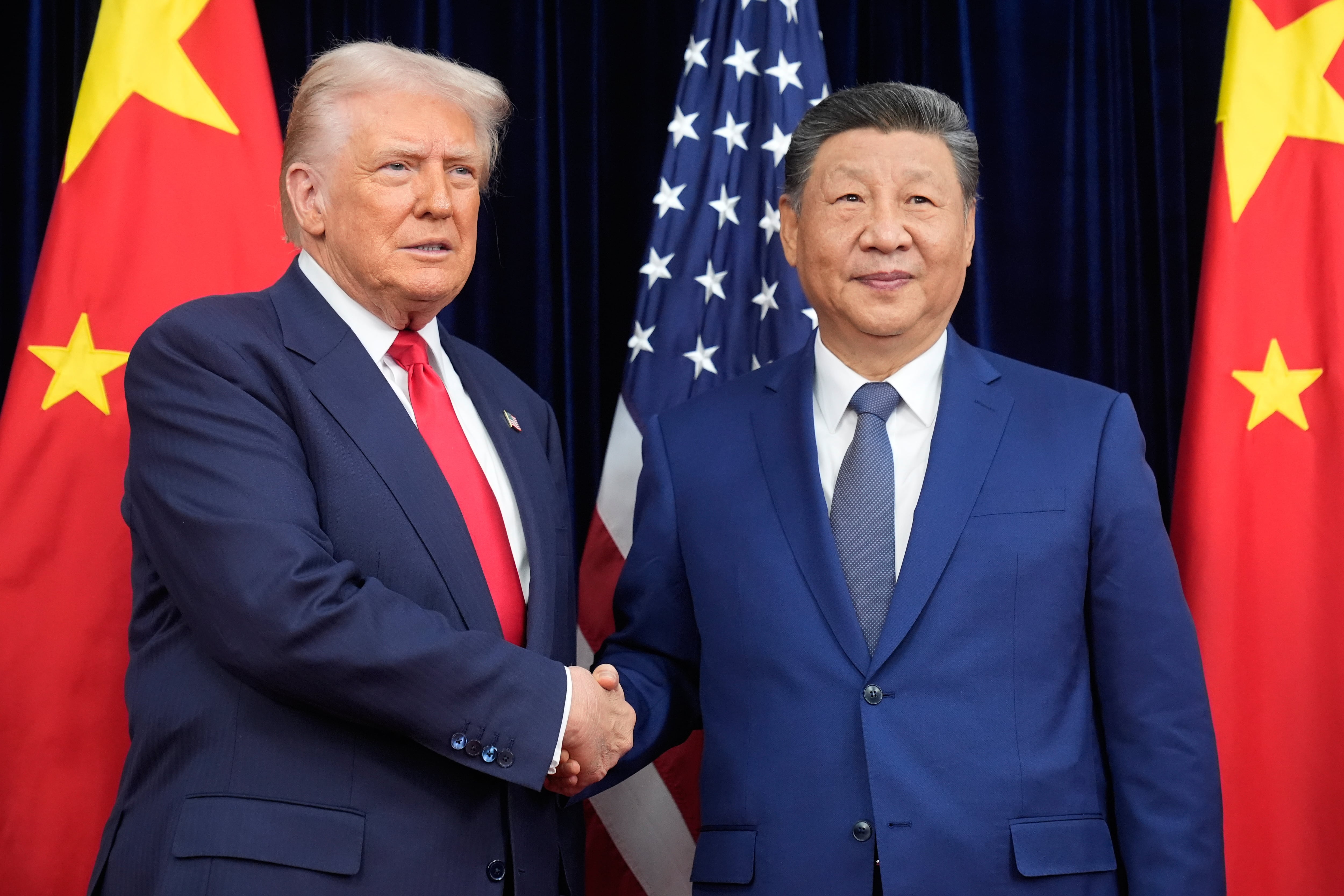
President Donald Trump said he has decided to lower his combined tariff rates on imports of Chinese goods to 47% after talks with Chinese leader Xi Jinping on curbing fentanyl trafficking.
Universal Music Group and AI platform Udio have settled a copyright lawsuit and will collaborate on a new music creation and streaming platform. The companies announced on Wednesday that they reached a compensatory legal settlement and new licensing agreements. These agreements aim to provide more revenue opportunities for Universal's artists and songwriters. The rise of AI song generation tools like Udio has disrupted the music streaming industry, leading to accusations from record labels. This deal marks the first since Universal and others sued Udio and Suno last year. Financial terms of the settlement weren't disclosed.