Facebook reported its first-quarter earnings after the markets closed Wednesday, beating much of Wall Street’s expectations and seeming to overcome concerns that the Cambridge Analytica data scandal would slow the company's growth.
The average number of daily active users in March grew 13 percent from the year before to 1.45 billion. Facebook's overall revenue jumped by 49 percent from last year to nearly $12 billion based on growth in advertising revenue. The news sent shares surging by almost 7 percent after hours.
“We don’t see a decelerating business model here,” said Andrew Keene, chief executive of AlphaShark.com. “The numbers are great and I think that Facebook is going to move higher from here.”
The controversy over data privacy protections reached its height at the end of the first quarter, and it could take some time to see if the fallout has a lasting effect on the company's stock. Facebook shares are down 13 percent from the period before the Cambridge Analytica news was reported.
Facebook reported earnings just a day after it made public for the first time its [internal guidelines](https://cheddar.com/videos/facebook-wants-to-be-more-transparent-with-its-content-policy) for policing content on its site. In a bid to regain trust from its users, Facebook put out a 27-page document outlining how it defines hate speech, bullying, and child nudity. It also announced that it would allow users to make a direct appeal if they disagree with Facebook’s decision to pull something down.
For full coverage, [click here](https://cms.cheddar.com/videos/VmlkZW8tMTY3MTA=).
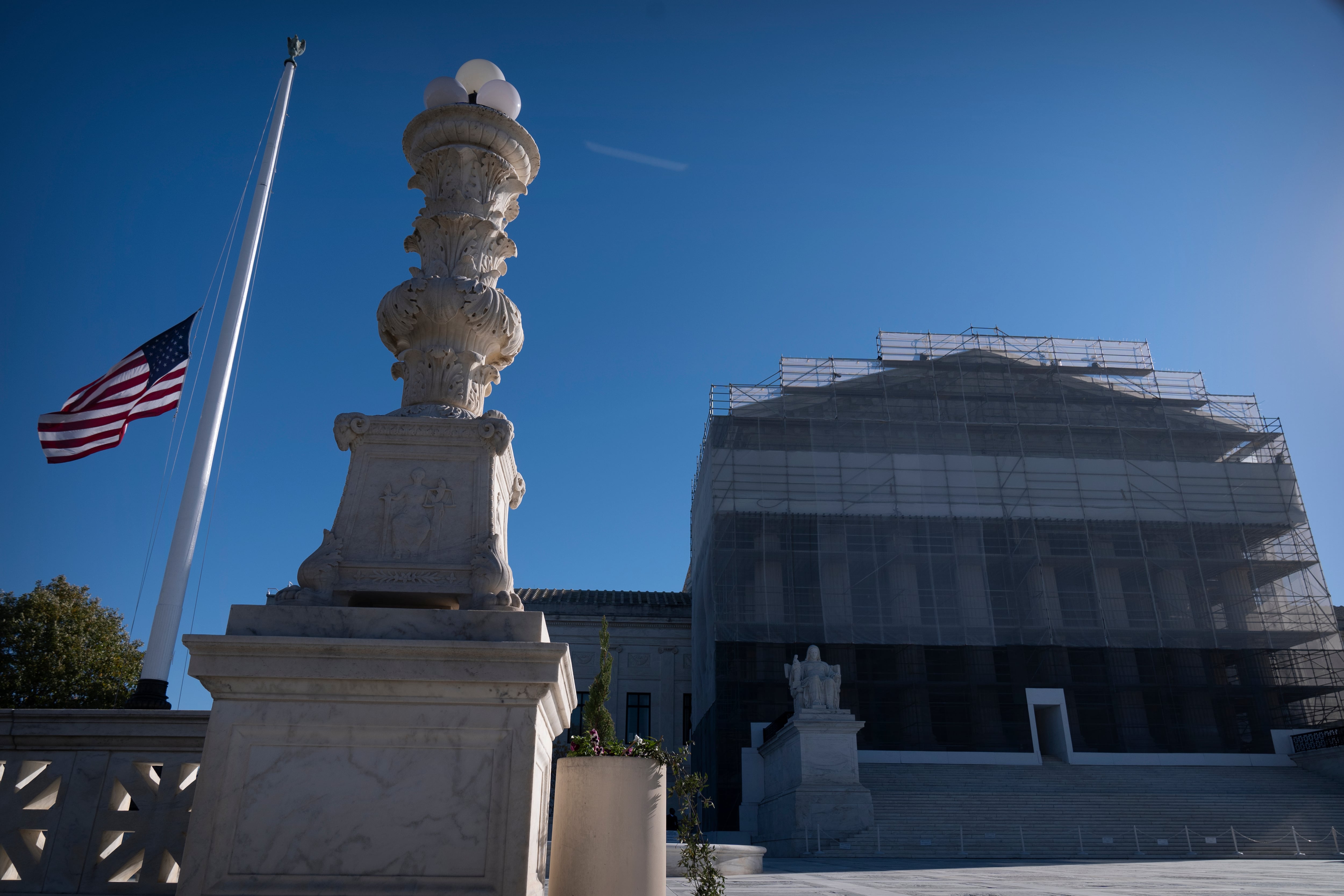
Arguments at the Supreme Court have concluded for the day as the justices consider President Donald Trump's sweeping unilateral tariffs in a trillion-dollar test of executive power.
AI is reshaping investigations. Longeye CEO Guillaume Delepine shares how their AI workspace empowers law enforcement to uncover insights faster and smarter.
Stephen Kates, Financial Analyst at Bankrate, joins to discuss the Fed’s 25-basis-point rate cut, inflation risks, and what it all means for consumers and marke
Big tech earnings take center stage as investors digest results from Alphabet, Meta, Microsoft, Amazon, and Apple, with insights from Gil Luria of D.A. Davidson
Disney content has gone dark on YouTube TV, leaving subscribers of the Google-owned live streaming platform without access to major networks like ESPN and ABC. That’s because the companies have failed to reach a new licensing deal to keep Disney channels on YouTube TV. Depending on how long it lasts, the dispute could particularly impact coverage of U.S. college football matchups over the weekend — on top of other news and entertainment disruptions that have already arrived. In the meantime, YouTube TV subscribers who want to watch Disney channels could have little choice other than turning to the company’s own platforms, which come with their own price tags.