Facebook reported its first-quarter earnings after the markets closed Wednesday, beating much of Wall Street’s expectations and seeming to overcome concerns that the Cambridge Analytica data scandal would slow the company's growth.
The average number of daily active users in March grew 13 percent from the year before to 1.45 billion. Facebook's overall revenue jumped by 49 percent from last year to nearly $12 billion based on growth in advertising revenue. The news sent shares surging by almost 7 percent after hours.
“We don’t see a decelerating business model here,” said Andrew Keene, chief executive of AlphaShark.com. “The numbers are great and I think that Facebook is going to move higher from here.”
The controversy over data privacy protections reached its height at the end of the first quarter, and it could take some time to see if the fallout has a lasting effect on the company's stock. Facebook shares are down 13 percent from the period before the Cambridge Analytica news was reported.
Facebook reported earnings just a day after it made public for the first time its [internal guidelines](https://cheddar.com/videos/facebook-wants-to-be-more-transparent-with-its-content-policy) for policing content on its site. In a bid to regain trust from its users, Facebook put out a 27-page document outlining how it defines hate speech, bullying, and child nudity. It also announced that it would allow users to make a direct appeal if they disagree with Facebook’s decision to pull something down.
For full coverage, [click here](https://cms.cheddar.com/videos/VmlkZW8tMTY3MTA=).
As commercial options tighten, more travelers are turning to private aviation. Wheels Up CEO George Mattson breaks down capacity and demand challenges.
Layoffs, hiring slowdowns, and shifting skill demands dominate this year’s job talk. LinkedIn’s Kory Kantenga explains what workers should watch for next.
Retailers face tariffs and cost challenges this holiday season. Wells Fargo's Lauren Murphy shares insights on pricing, promotions, and shopping trends.
Dateability, founded by sisters Jacqueline and Alexa Child, is the only dating app for disabled and chronically ill communities, fostering love without limits.
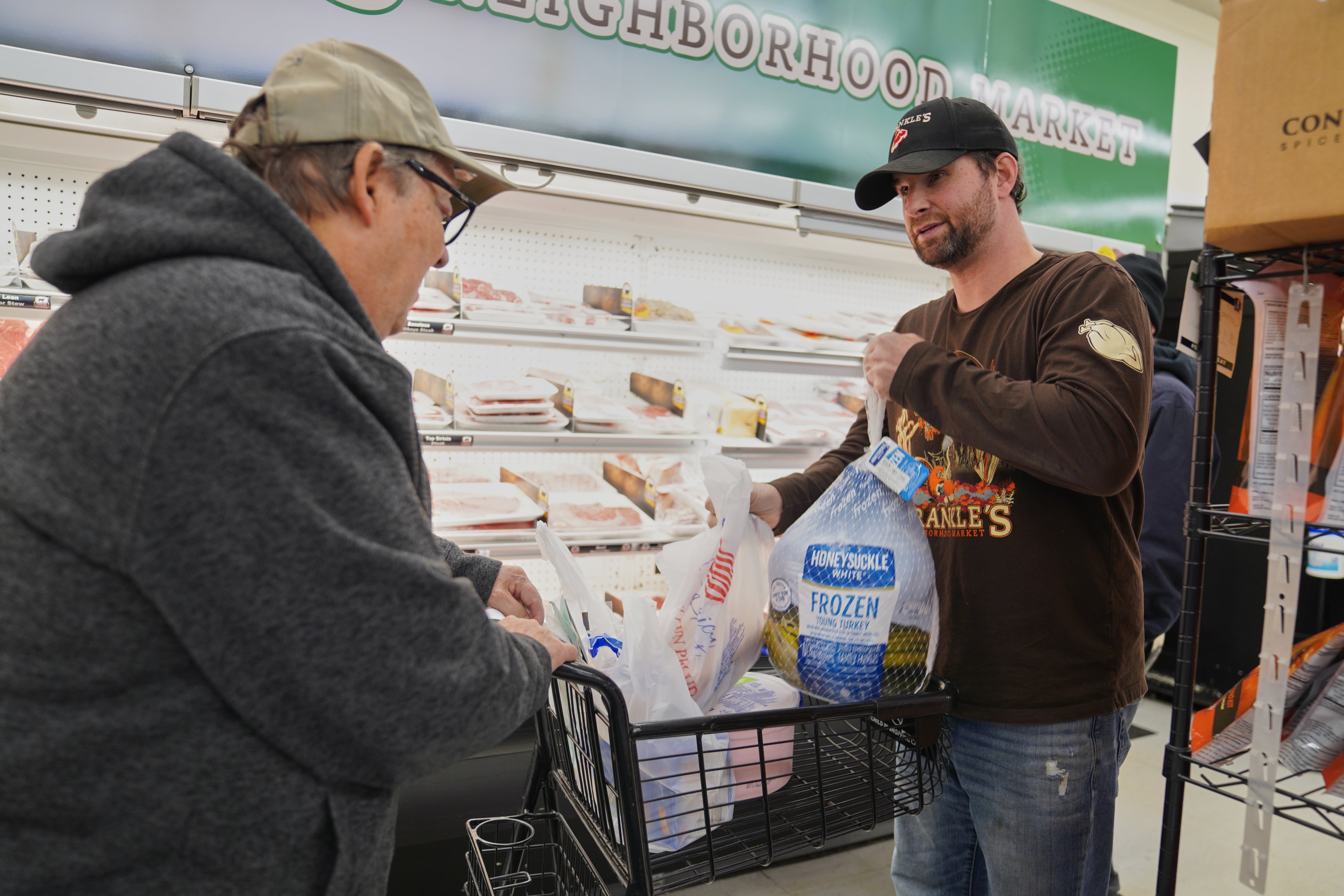
Some small grocery stores and neighborhood convenience stores are eager for the U.S. government shutdown to end and for their customers to start receiving federal food aid again. Late last month, the Trump administration froze funding for the SNAP benefits that about 42 million Americans use to buy groceries. The U.S. Department of Agriculture says about 74% of the assistance was spent last year at superstores like Walmart and supermarkets like Kroger. Around 14% went to smaller stores that are more accessible to SNAP beneficiaries. A former director of the United Nations World Food Program says SNAP is not only a social safety net for families but a local economic engine that supports neighborhood businesses.
Andy Baehr, Head of Product at CoinDesk Indices, breaks down crypto’s Black Friday crash, Bitcoin dipping under $100K, and what’s driving the market rout.