Medical experts are sounding the alarm about the rise of "climate anxiety" in children and teens around the globe.
"We see that a lot of young people are saying, 'I think my life will be worse than my parents' lives,'" a psychology professor at Suffolk University in Boston told CBS News.
Data from a study published in The Lancet Planetary Health in December 2021 found that young people are extremely concerned about the state of the climate crisis.
"Climate anxiety and dissatisfaction with government responses are widespread in children and young people in countries across the world and impact their daily functioning," the report stated. "A perceived failure by governments to respond to the climate crisis is associated with increased distress."
A large number of young people in the study reported that they feel a sense of hopelessness and worry that the human race will go extinct. Most also agreed that governments are not doing enough to address the issue and even noted feeling betrayed by them.
"Children are now turning to legal action based on government failure to protect ecosystems, young citizens and their futures. Failure of governments to protect them from harm from climate change could be argued to be a failure of human rights and a failure of ethical responsibility to care, leading to moral injury," according to the journal.
The non-profit Child Mind Institute suggests that parents allow children to express their concerns and fear of climate change but to also encourage them to be brave. The organization also advises that parents helping them manage their feelings and adopting ways to change their own habits can help mitigate the worry.
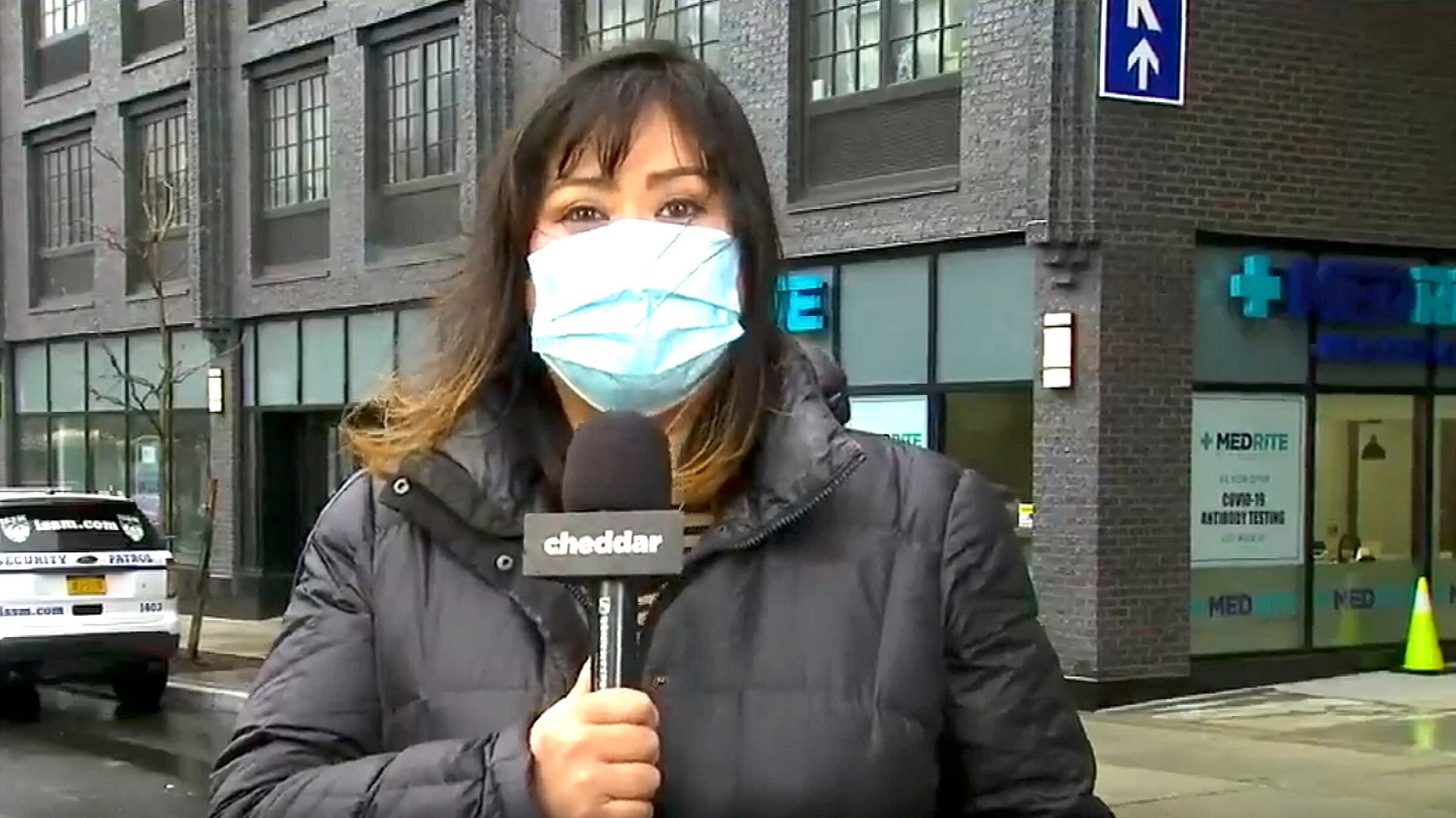
Cheddar's Michelle Castillo follows up on her antibody test, and breaks down why, despite some unavoidable risks, she may have remained coronavirus-free.
One day after saying that the COVID-19 task force would be winding down, President Donald Trump says it would continue on indefinitely, but focus on rebooting the economy.
An Associated Press analysis finds that taking the New York metropolitan area’s progress against the coronavirus out of the equation shows the rest of the U.S. moving in the wrong direction, with the infection rate rising even as states move to lift their lockdowns.
Vice President Mike Pence says the White House coronavirus task force could wind down its work by early June.
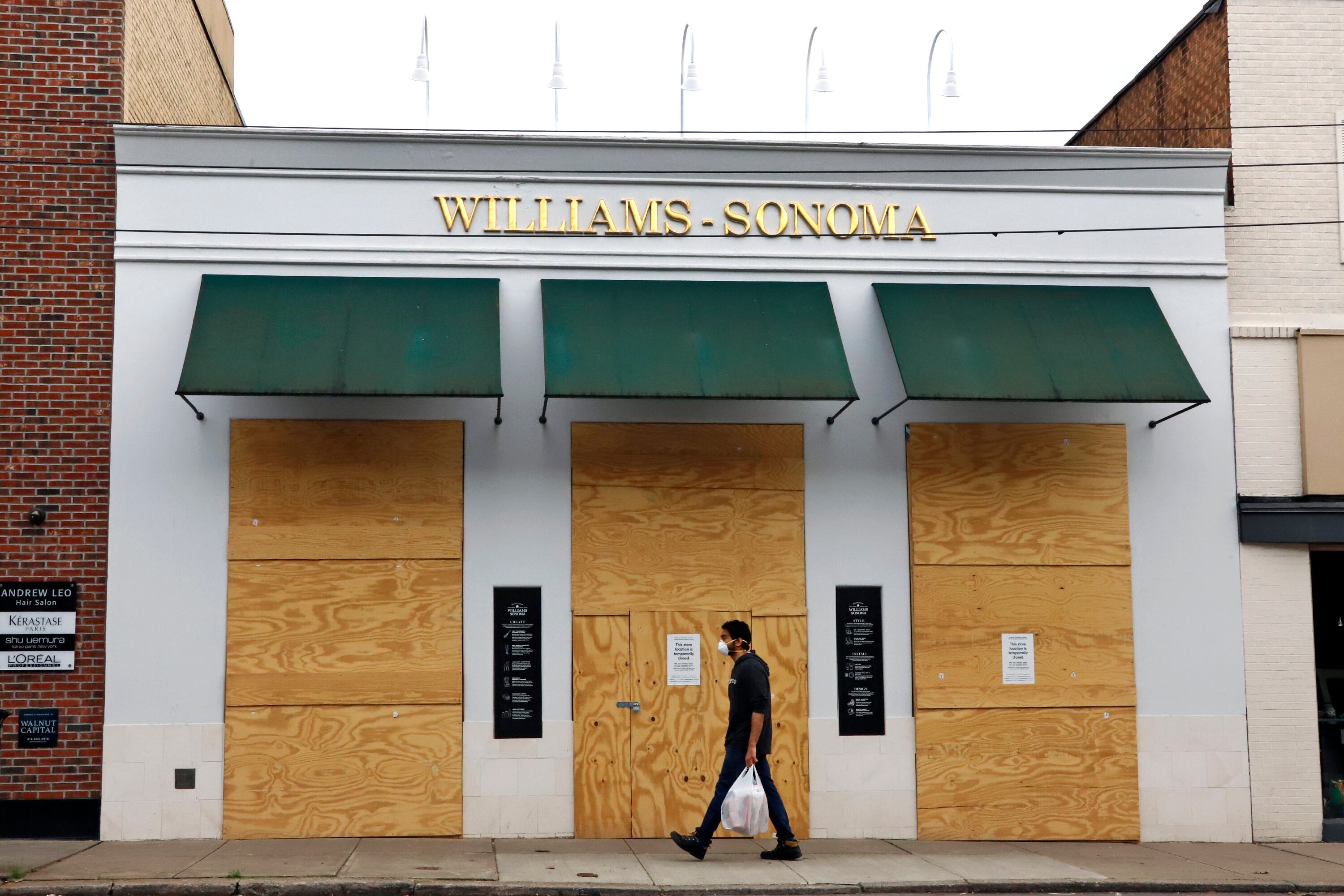
Companies across a wide swath of industries have found ways to give back to communities in their time of need amid the COVID-19 pandemic.
COVID-19 tests look for antibodies, which are proteins the body develops in response to toxic or foreign substances inside the bloodstream.
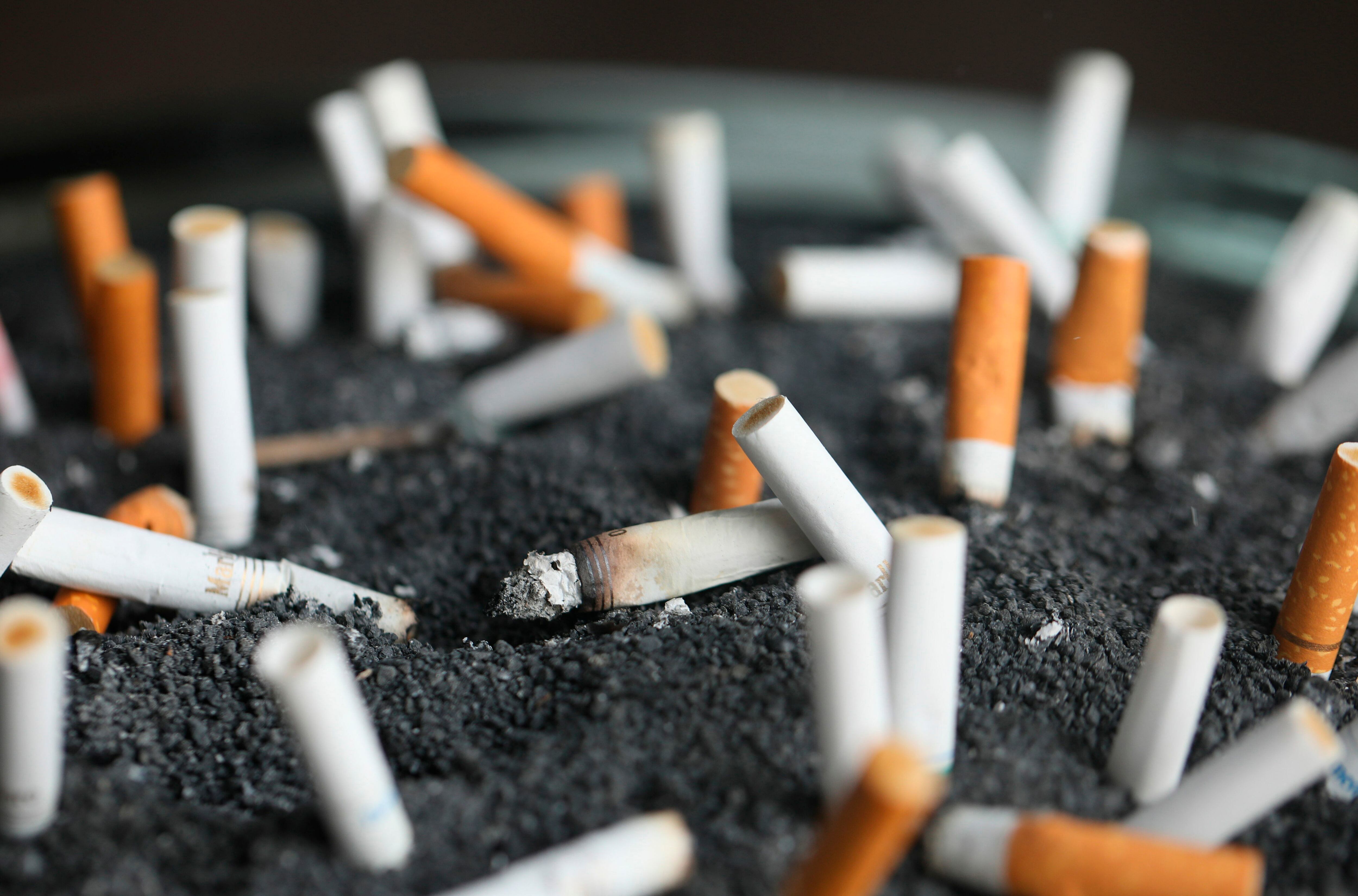
A new study out of a Paris hospital suggests nicotine may help prevent infection and serious illness from coronavirus — but doctors caution against picking up a smoking habit.
From Wall Street to Silicon Valley, these are the top stories that moved markets and had investors, business leaders, and entrepreneurs talking this week on Cheddar.
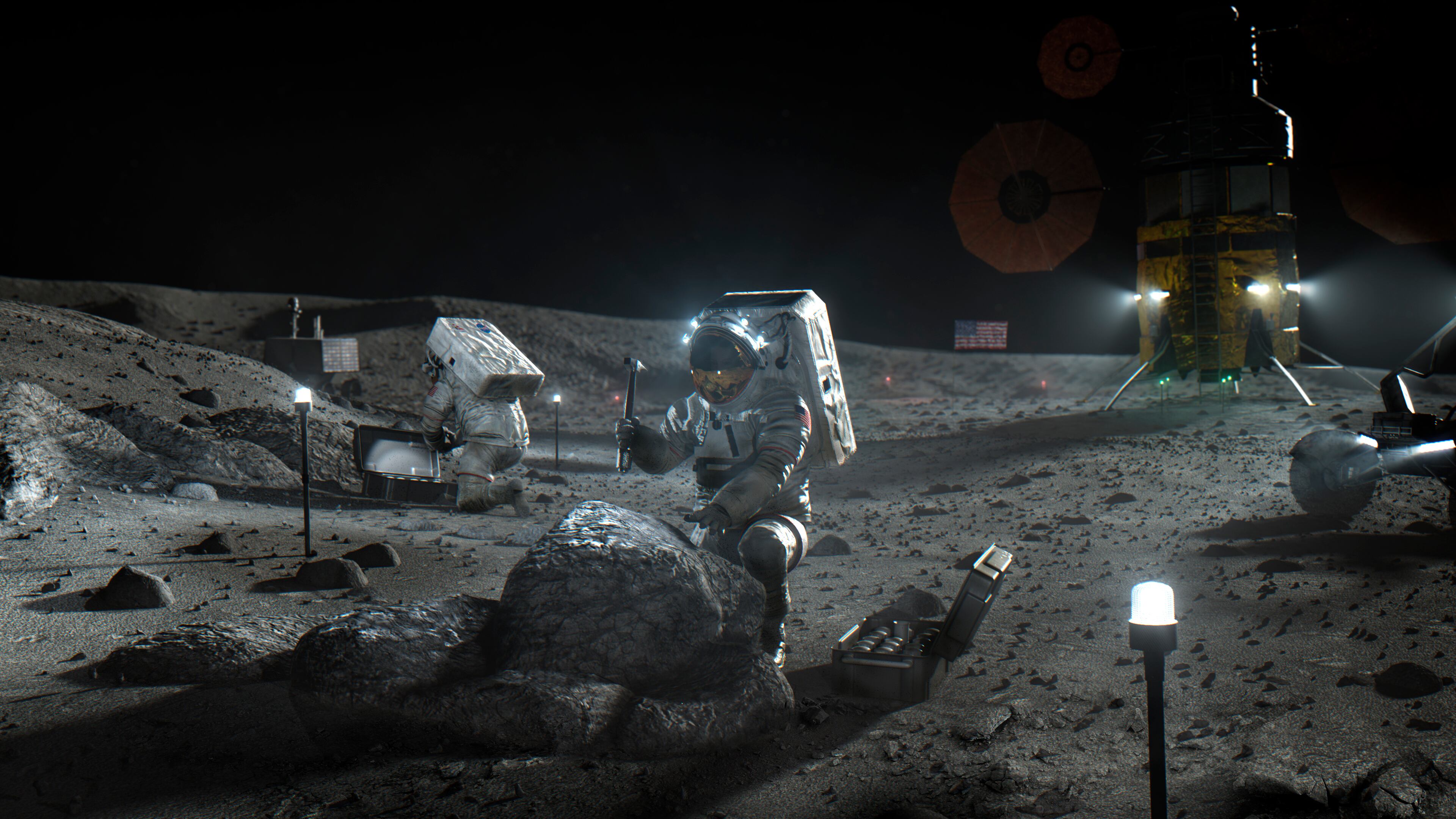
NASA Administrator Jim Bridenstine announced Thursday the three companies that will develop, build and fly lunar landers, with the goal of returning astronauts to the moon in 2024 and ultimately on to Mars.
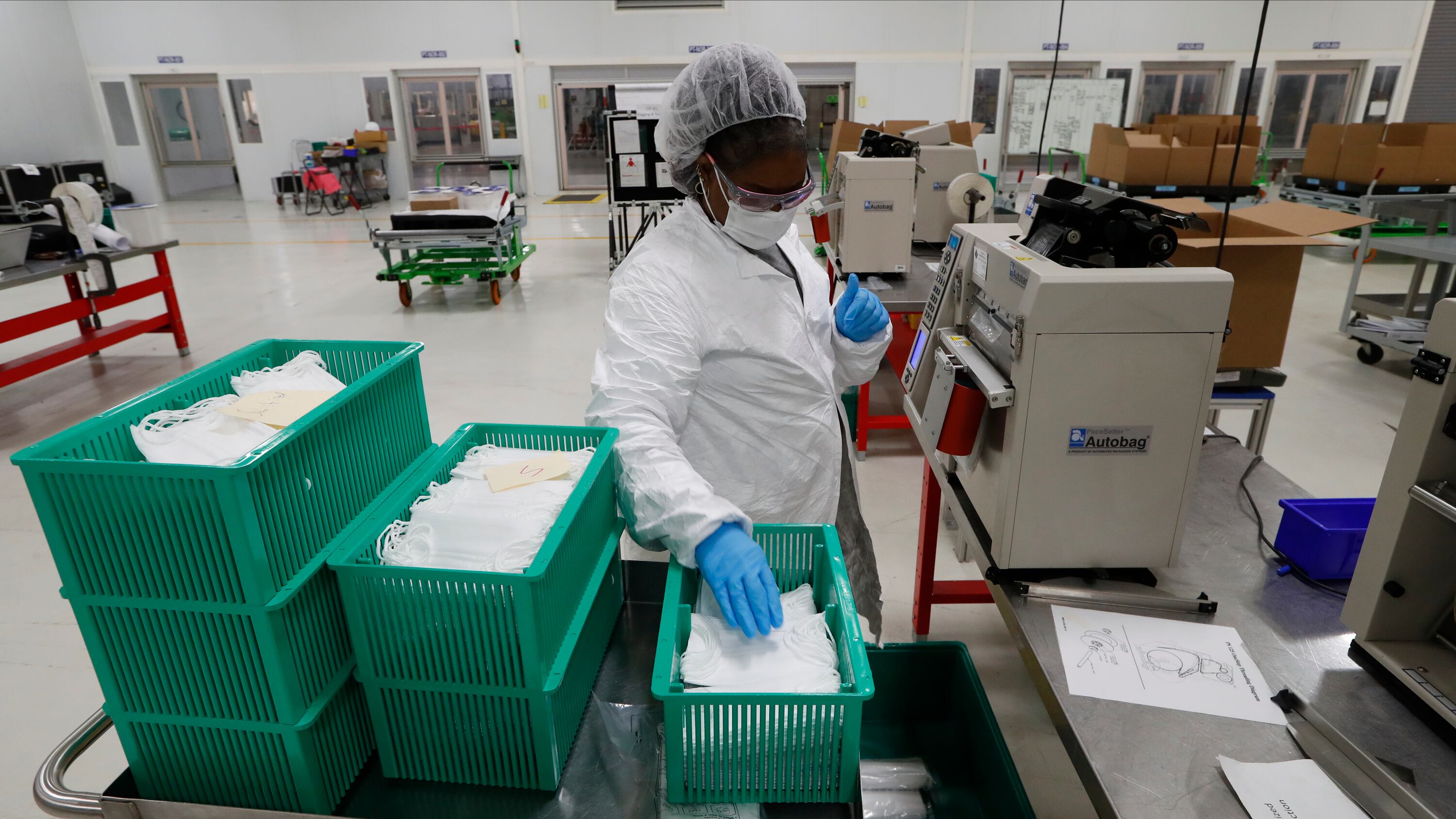
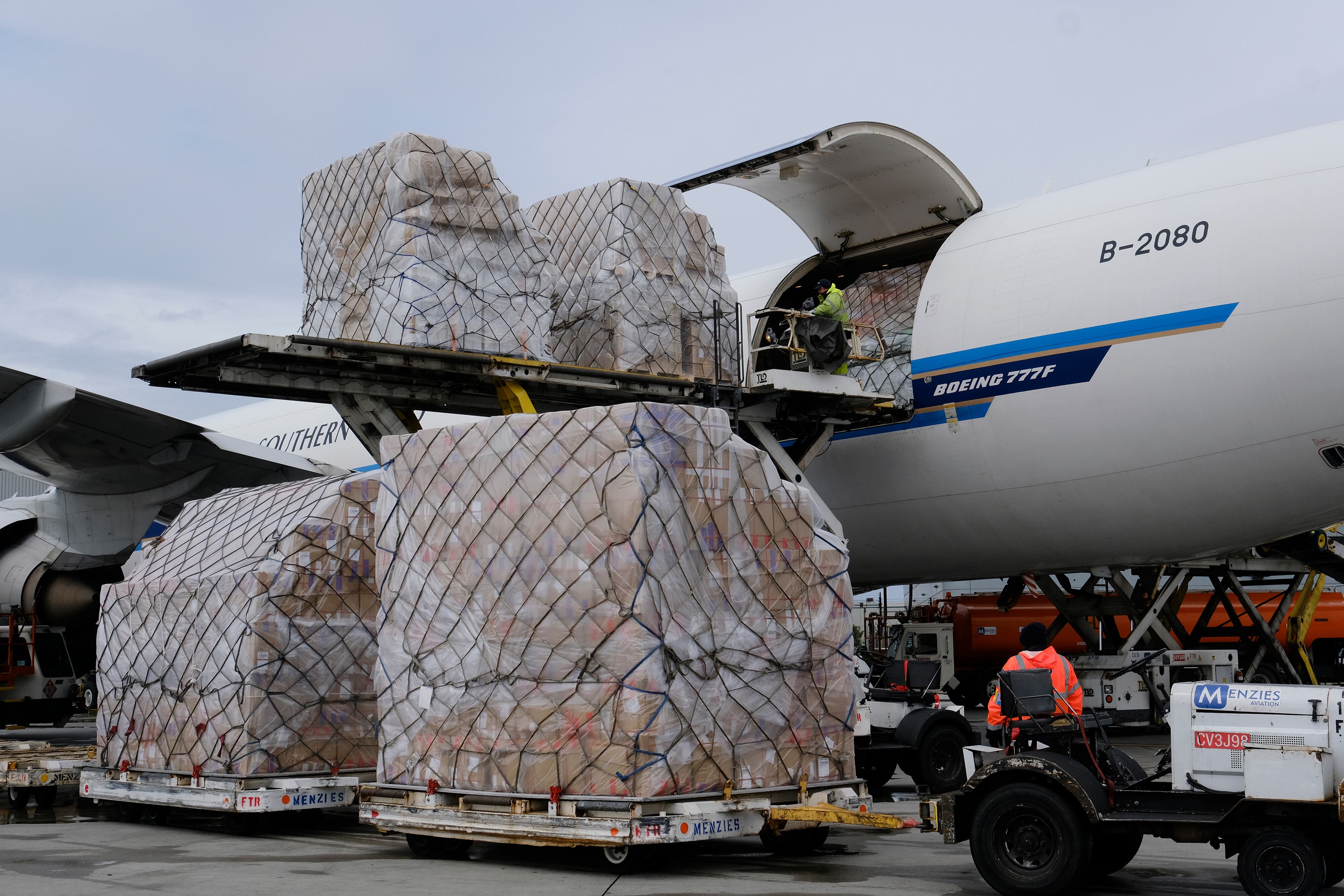
A shortage of personal protective equipment is a critical problem for frontline medical workers and one of the toughest issues the organization is facing, said Thomas Tighe, CEO of Direct Relief.