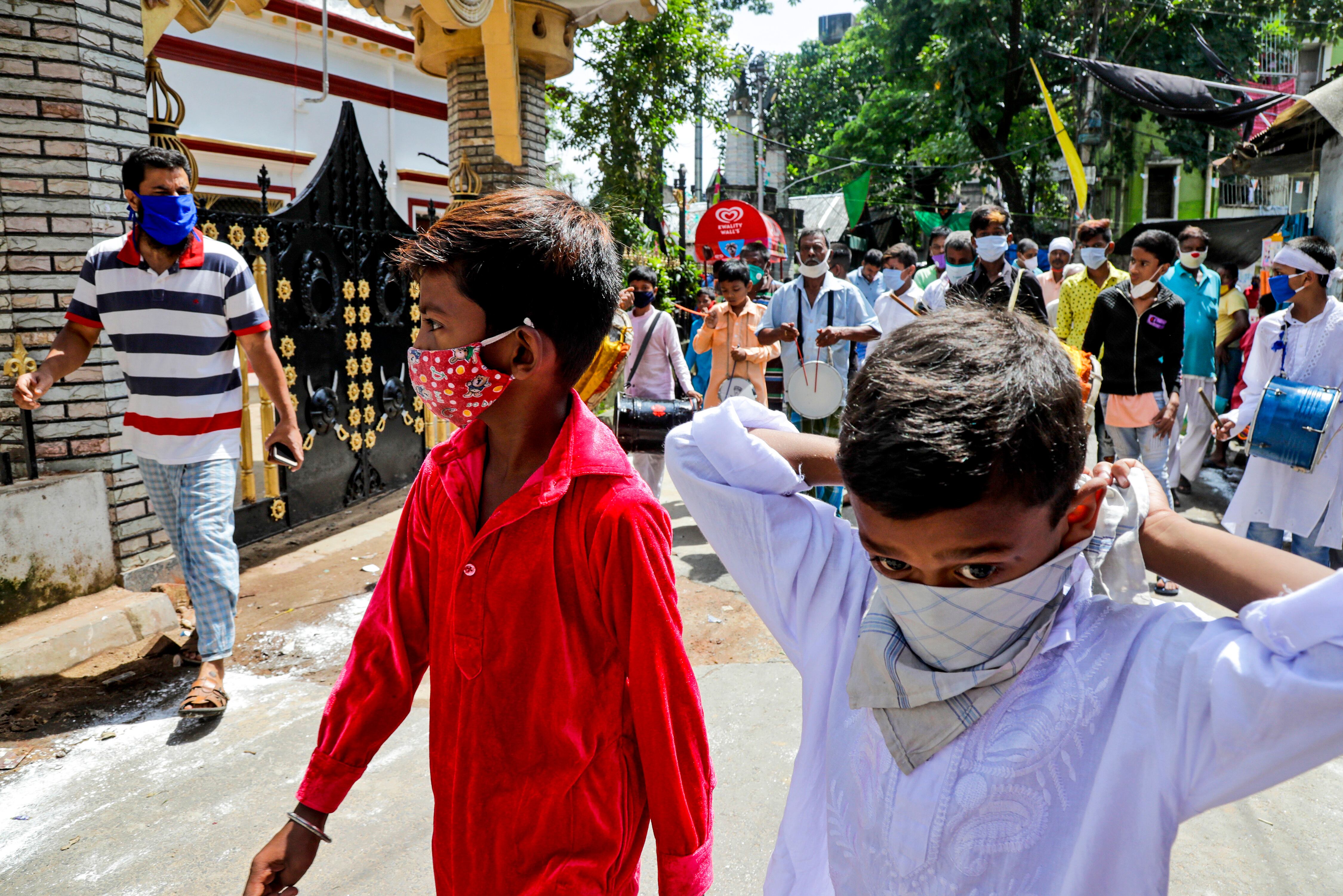
Medical experts are sounding the alarm about the rise of "climate anxiety" in children and teens around the globe.
"We see that a lot of young people are saying, 'I think my life will be worse than my parents' lives,'" a psychology professor at Suffolk University in Boston told CBS News.
Data from a study published in The Lancet Planetary Health in December 2021 found that young people are extremely concerned about the state of the climate crisis.
"Climate anxiety and dissatisfaction with government responses are widespread in children and young people in countries across the world and impact their daily functioning," the report stated. "A perceived failure by governments to respond to the climate crisis is associated with increased distress."
A large number of young people in the study reported that they feel a sense of hopelessness and worry that the human race will go extinct. Most also agreed that governments are not doing enough to address the issue and even noted feeling betrayed by them.
"Children are now turning to legal action based on government failure to protect ecosystems, young citizens and their futures. Failure of governments to protect them from harm from climate change could be argued to be a failure of human rights and a failure of ethical responsibility to care, leading to moral injury," according to the journal.
The non-profit Child Mind Institute suggests that parents allow children to express their concerns and fear of climate change but to also encourage them to be brave. The organization also advises that parents helping them manage their feelings and adopting ways to change their own habits can help mitigate the worry.
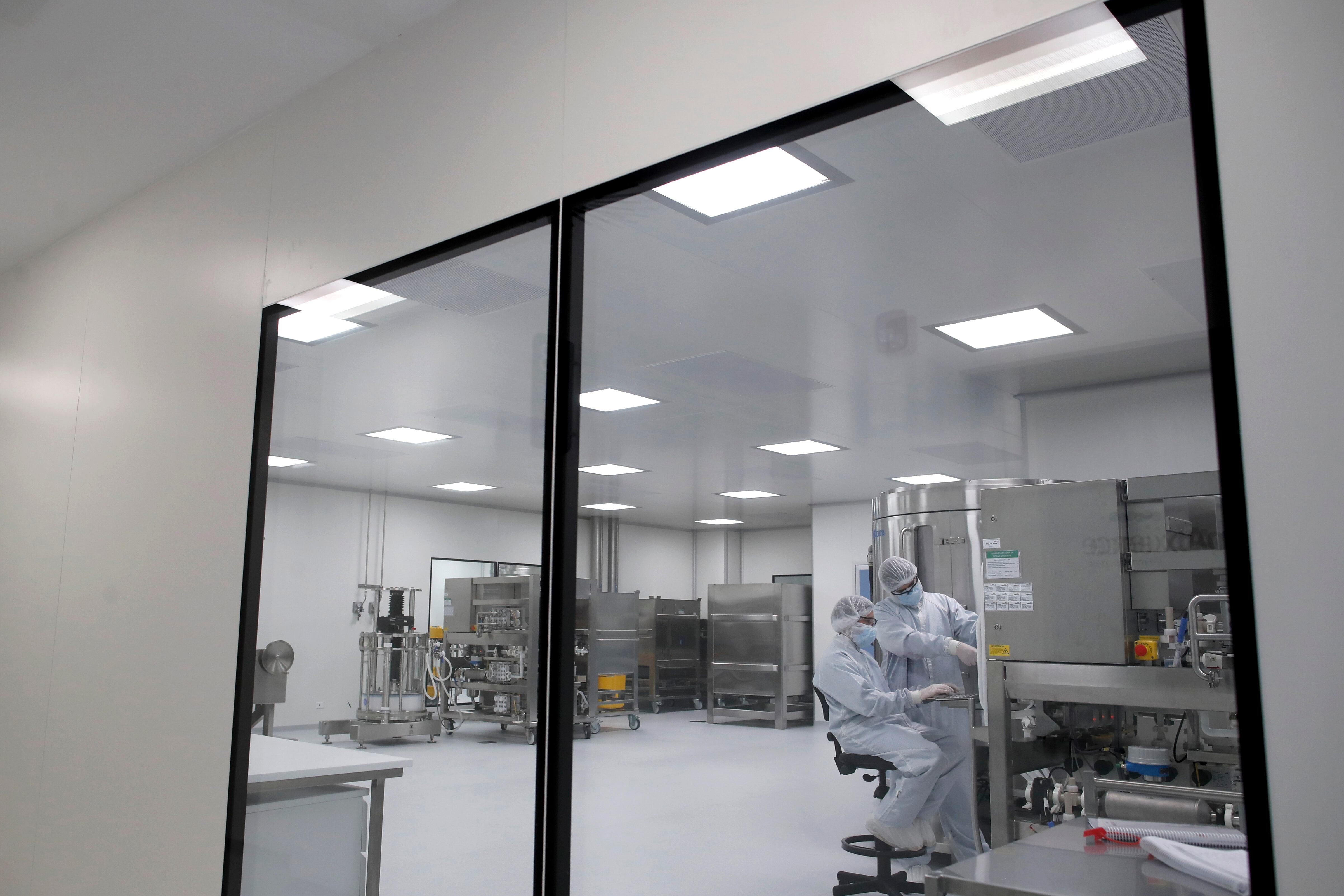
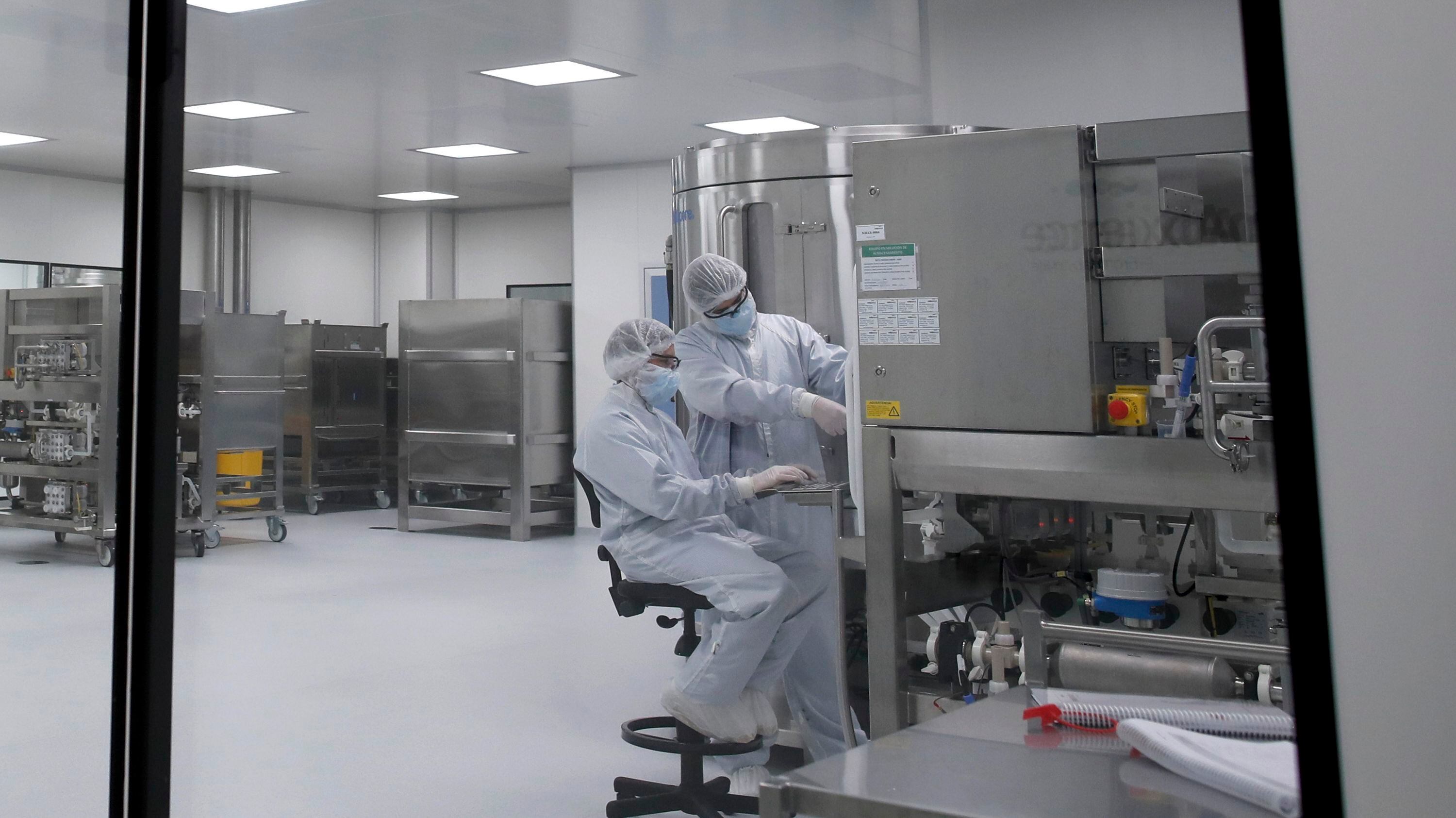
Top executives of nine drugmakers likely to produce the first vaccines against the new coronavirus are taking the extraordinary step of promising they'll be safe and effective.
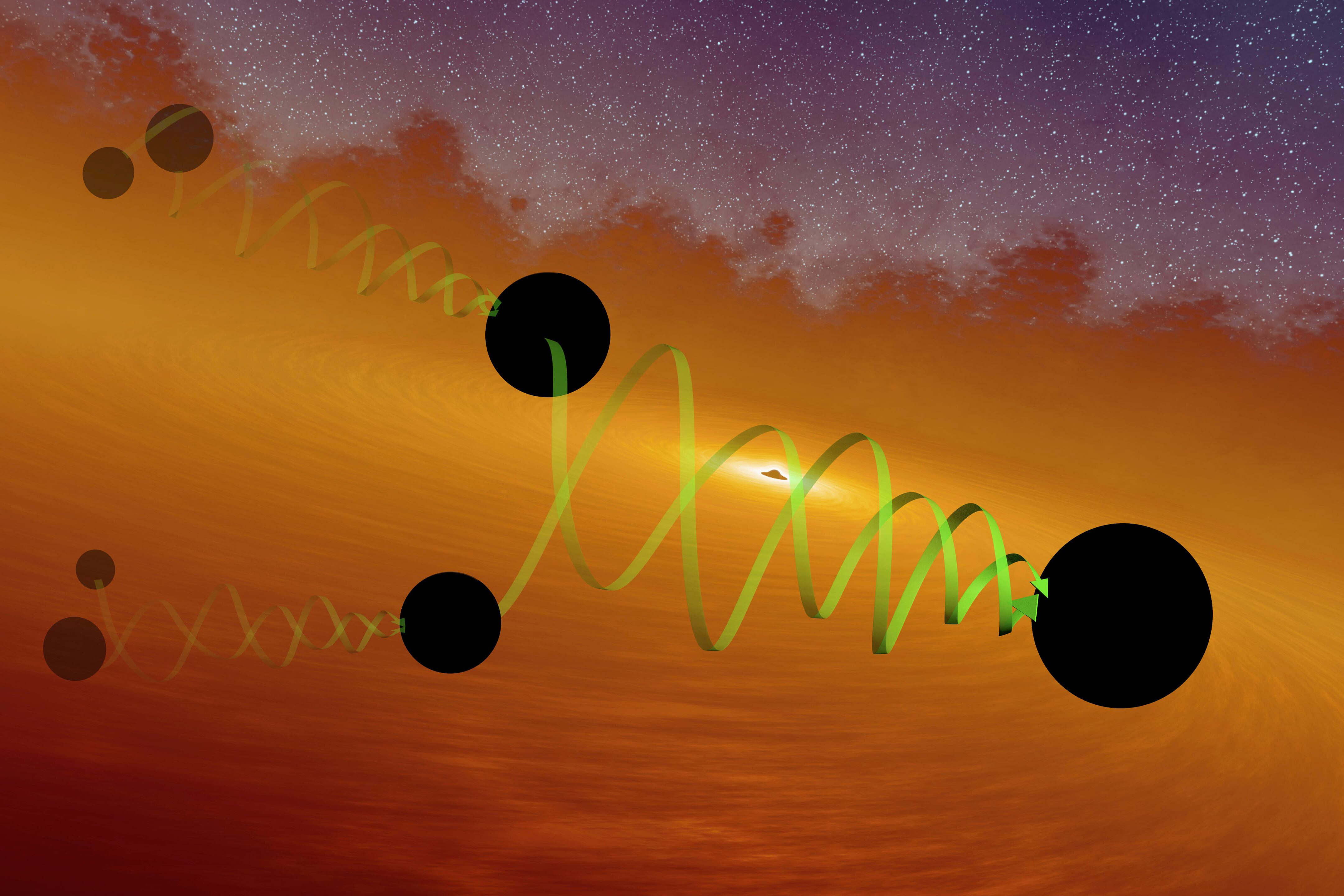
Astrophysicists detected the signal from a long ago violent collision of two black holes that created a new one of a size that had never been seen before.
The timeline raised concern among public health experts about an “October surprise" — a vaccine approval driven by political considerations ahead of a presidential election, rather than science.
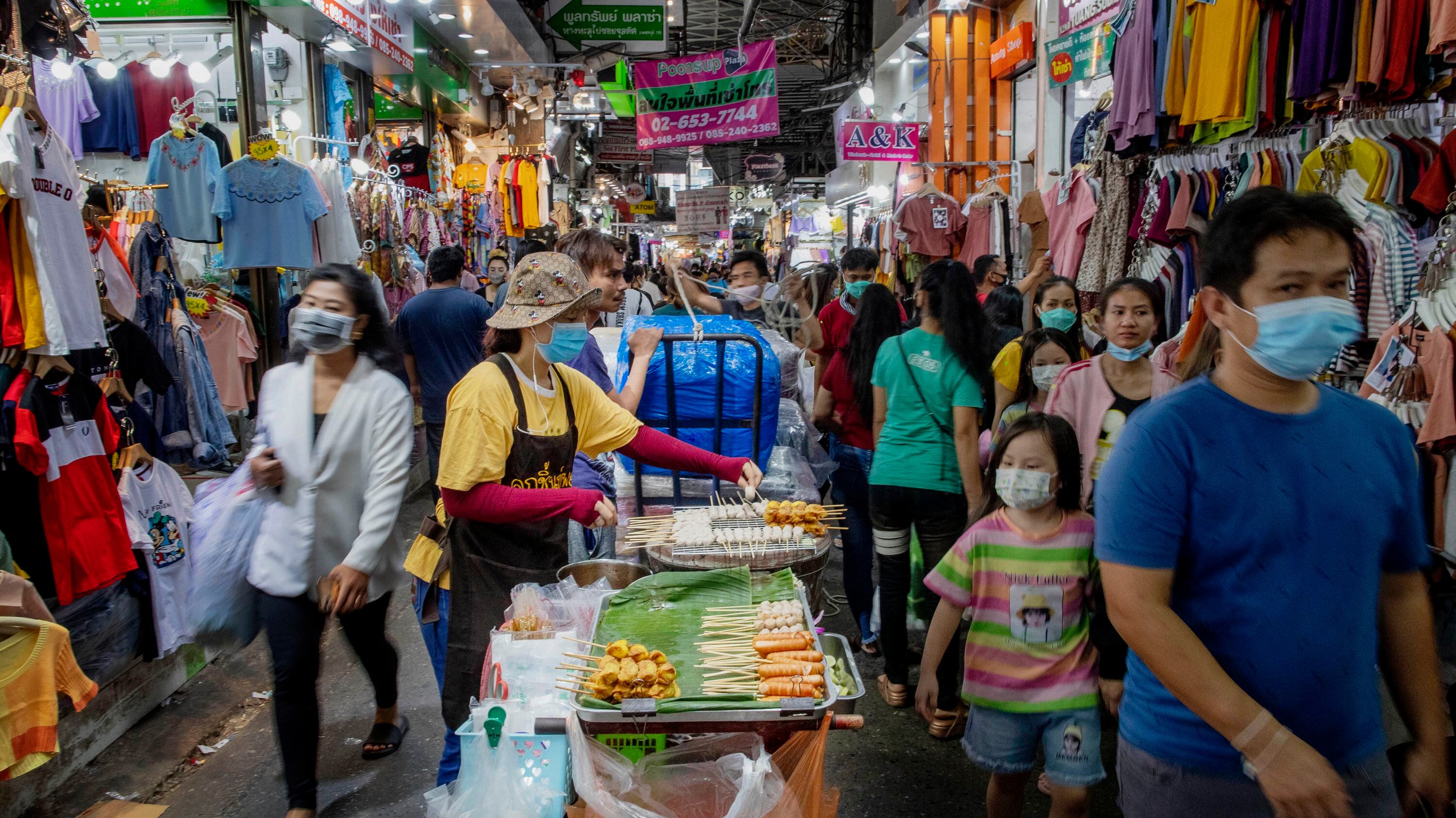
Thailand’s prime minister is congratulating the nation for having achieved 100 days without a confirmed locally transmitted case of the coronavirus.
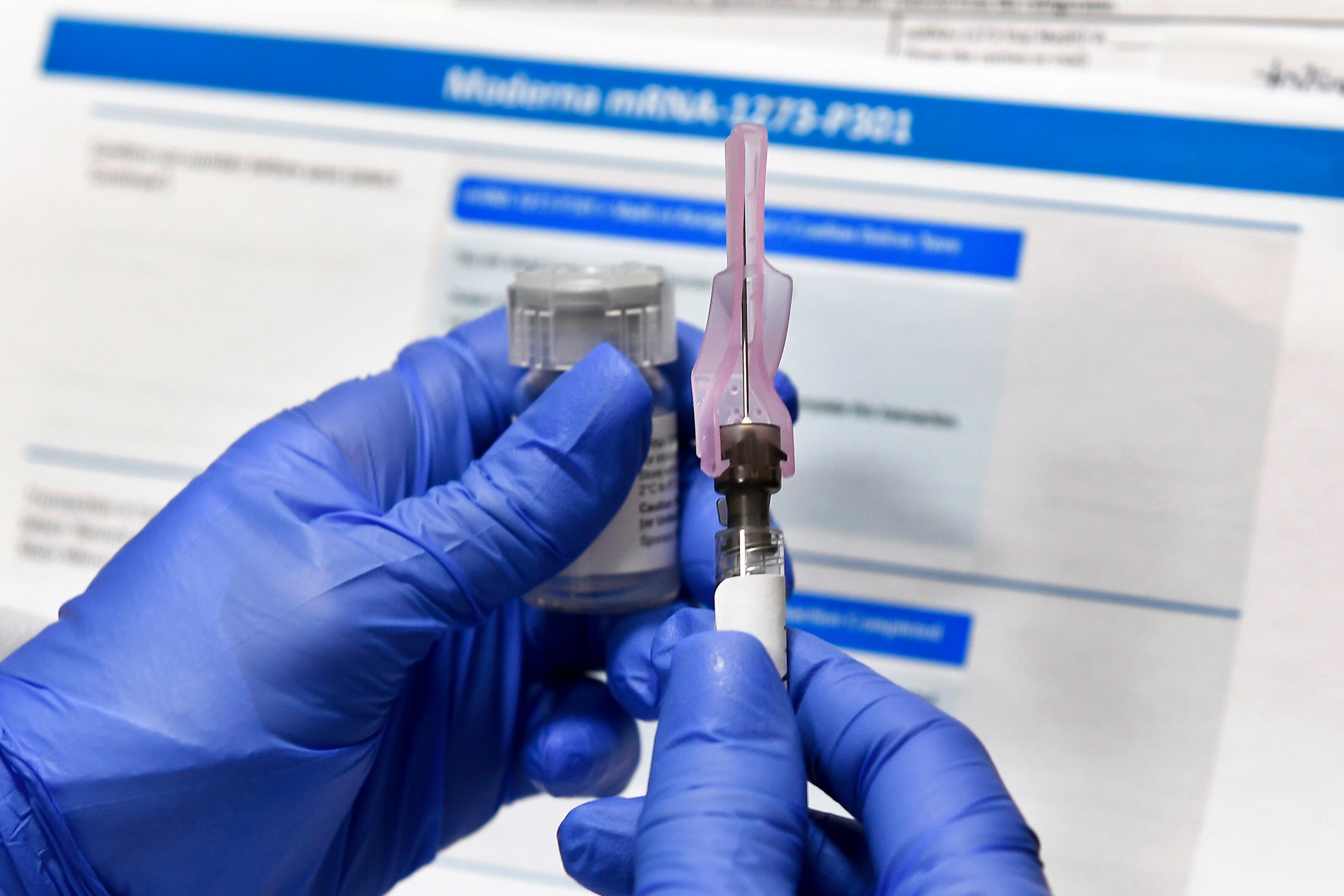
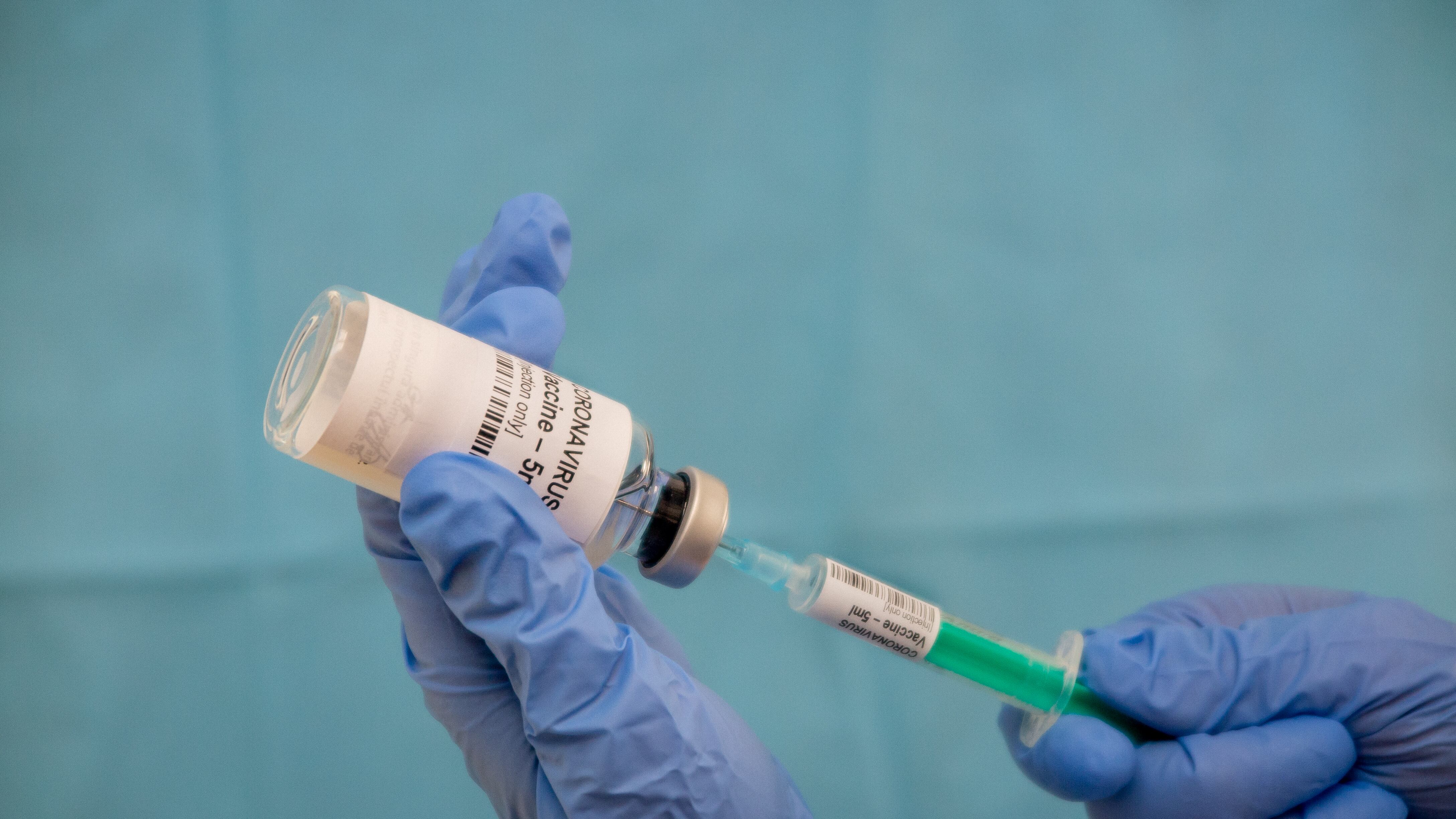
A third leading candidate COVID-19 vaccine has entered a final stage of human testing in the United States.
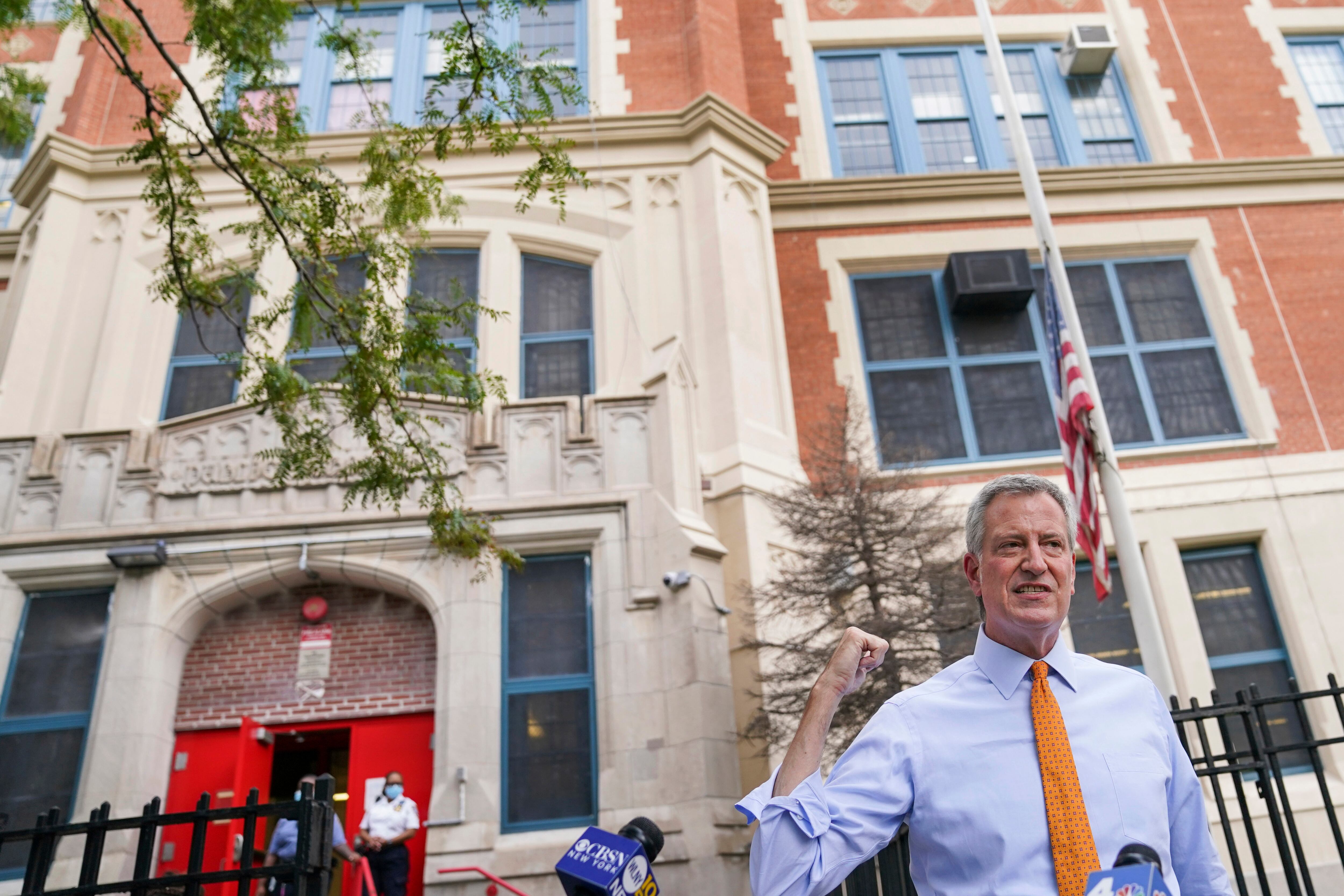
Mayor Bill de Blasio says New York City is delaying sending students back to classrooms in the nation’s largest public school system.
West Virginia University has developed technology that can predict coronavirus outbreaks with 90 percent accuracy. Dr. Ali Rezai, executive chair of WVU's Rockefeller Neuroscience Institute, joined Cheddar to discuss the technology and protocols the university will implement to mitigate the spread of COVID-19.
How and whether companies participate in COVID-19 vaccination programs could mean the difference between a successful roll-out, and one fraught with suspicion and misunderstanding.
India has registered 78,761 new coronavirus cases, the biggest single-day spike in the world since the pandemic began, just as the government began easing restrictions to help the battered economy.
From Wall Street to Silicon Valley, these are the top stories that moved markets and had investors, business leaders, and entrepreneurs talking this week on Cheddar.