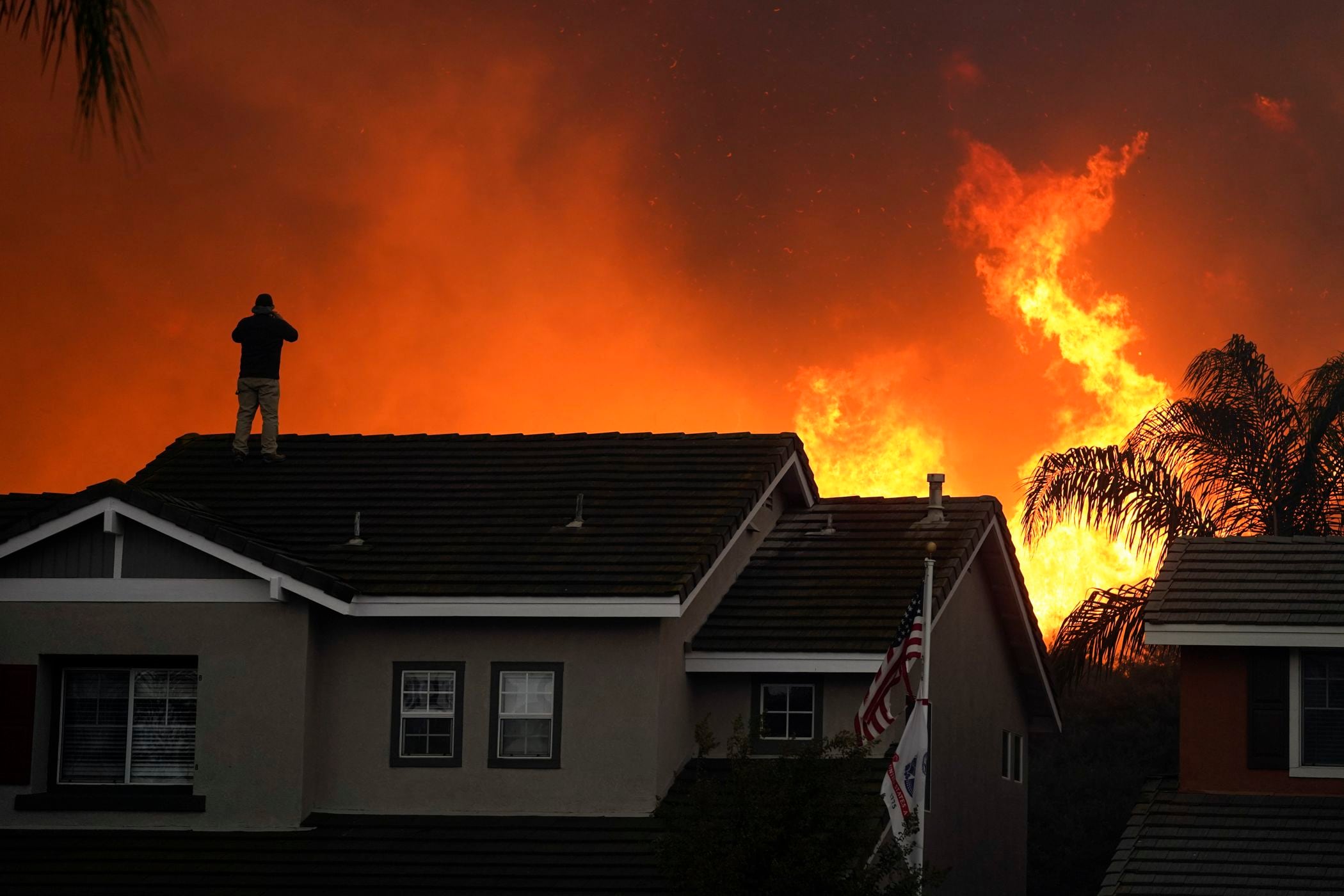
Medical experts are sounding the alarm about the rise of "climate anxiety" in children and teens around the globe.
"We see that a lot of young people are saying, 'I think my life will be worse than my parents' lives,'" a psychology professor at Suffolk University in Boston told CBS News.
Data from a study published in The Lancet Planetary Health in December 2021 found that young people are extremely concerned about the state of the climate crisis.
"Climate anxiety and dissatisfaction with government responses are widespread in children and young people in countries across the world and impact their daily functioning," the report stated. "A perceived failure by governments to respond to the climate crisis is associated with increased distress."
A large number of young people in the study reported that they feel a sense of hopelessness and worry that the human race will go extinct. Most also agreed that governments are not doing enough to address the issue and even noted feeling betrayed by them.
"Children are now turning to legal action based on government failure to protect ecosystems, young citizens and their futures. Failure of governments to protect them from harm from climate change could be argued to be a failure of human rights and a failure of ethical responsibility to care, leading to moral injury," according to the journal.
The non-profit Child Mind Institute suggests that parents allow children to express their concerns and fear of climate change but to also encourage them to be brave. The organization also advises that parents helping them manage their feelings and adopting ways to change their own habits can help mitigate the worry.
The telescope’s 900-ton receiver platform fell onto the reflector dish more than 400 feet below on Tuesday. The U.S. National Science Foundation had earlier announced that the Arecibo Observatory would be closed.
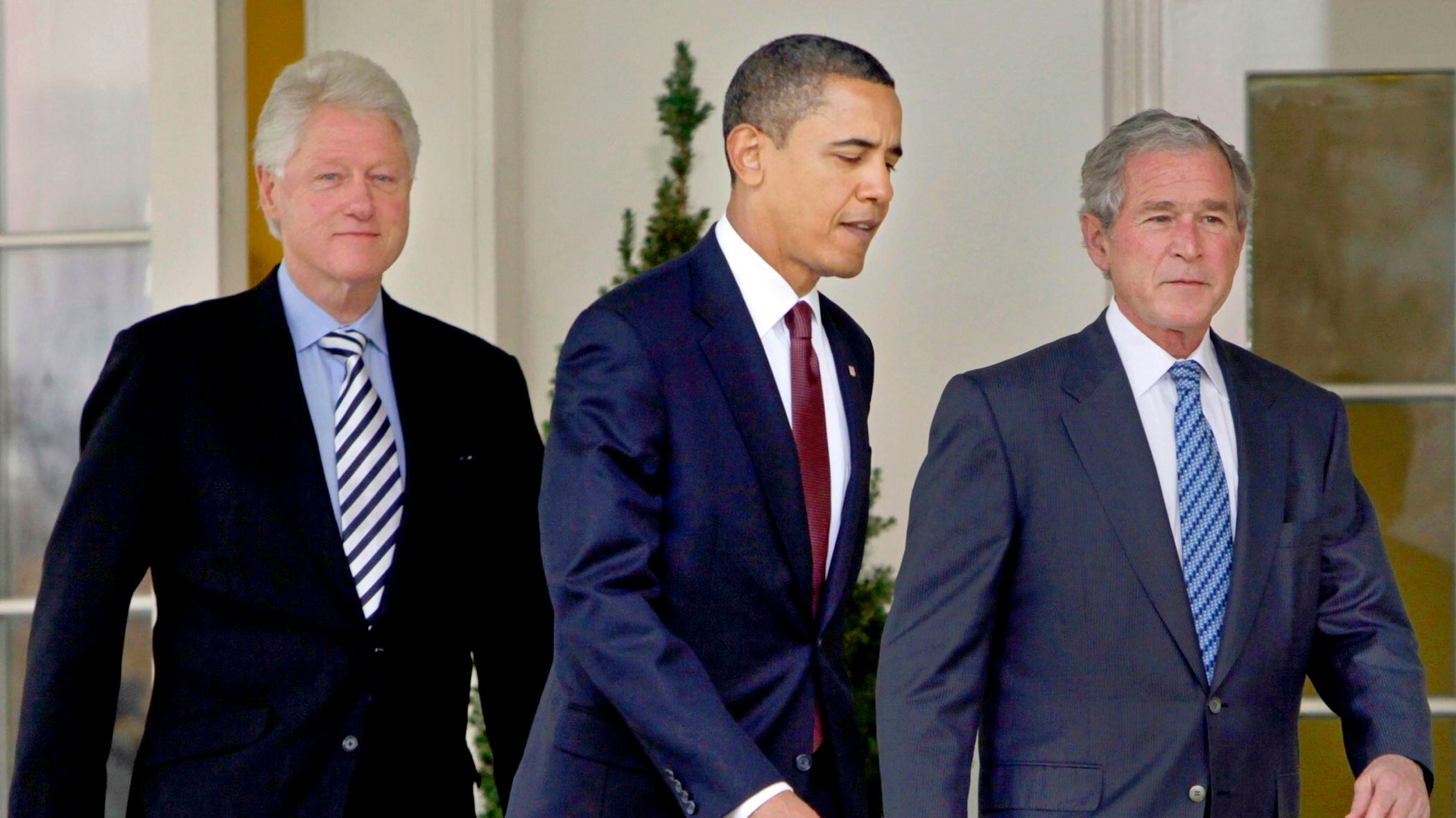
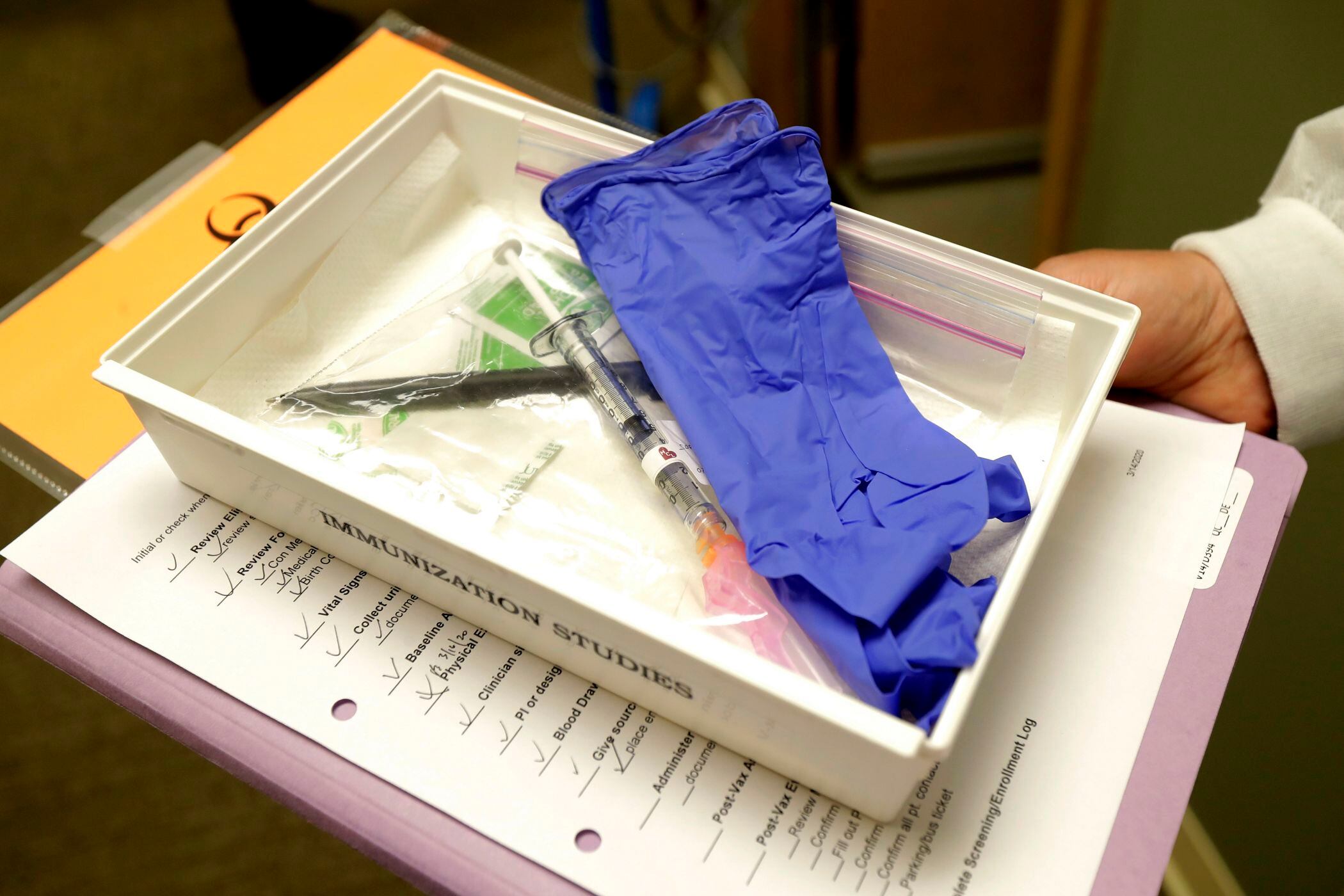
Three former presidents say they’d be willing to publicly take a coronavirus vaccine, once one becomes available, to encourage all Americans to get inoculated against a disease that has already killed more than 273,000 people nationwide.
The U.S. has recorded over 3,100 COVID-19 deaths in a single day, obliterating the record set last spring.
IBM security researchers say they have detected a cyberespionage effort that used targeted phishing emails to try to collect vital information associated with a U.N. initiative for distributing coronavirus vaccine to developing countries.
The health agency also announced new guidelines that shorten recommended quarantines after close contact with someone infected with coronavirus. Now people can resume normal activity after 10 days, or seven days if they receive a negative test result.
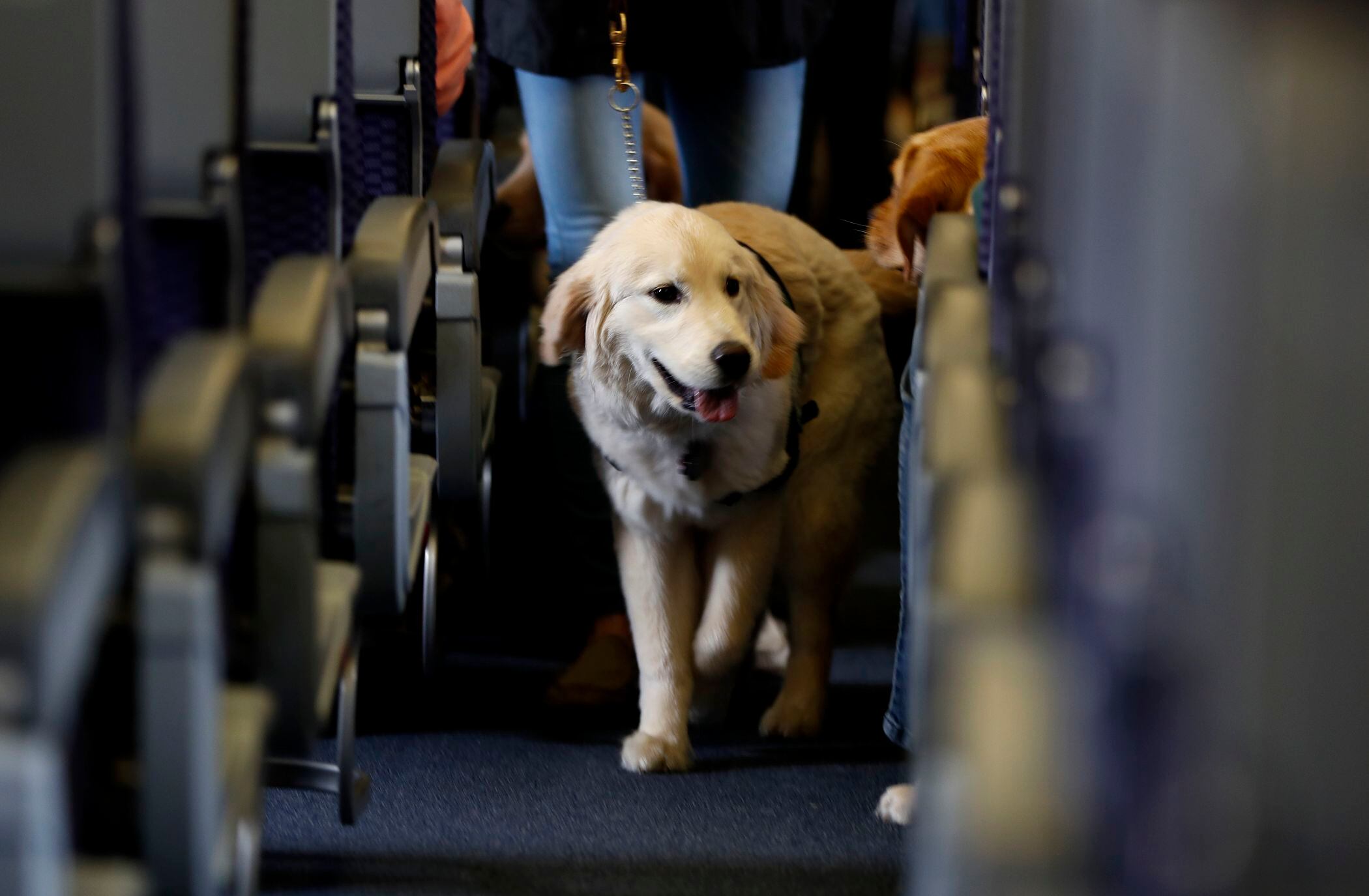
The Transportation Department issued a final rule Wednesday covering service animals. The rule says only dogs can qualify, and they have to be specially trained to help a person with disabilities.
The head of the United Nations is calling on countries to end what he calls a war on nature and instead embrace a future without carbon pollution triggering global warming.
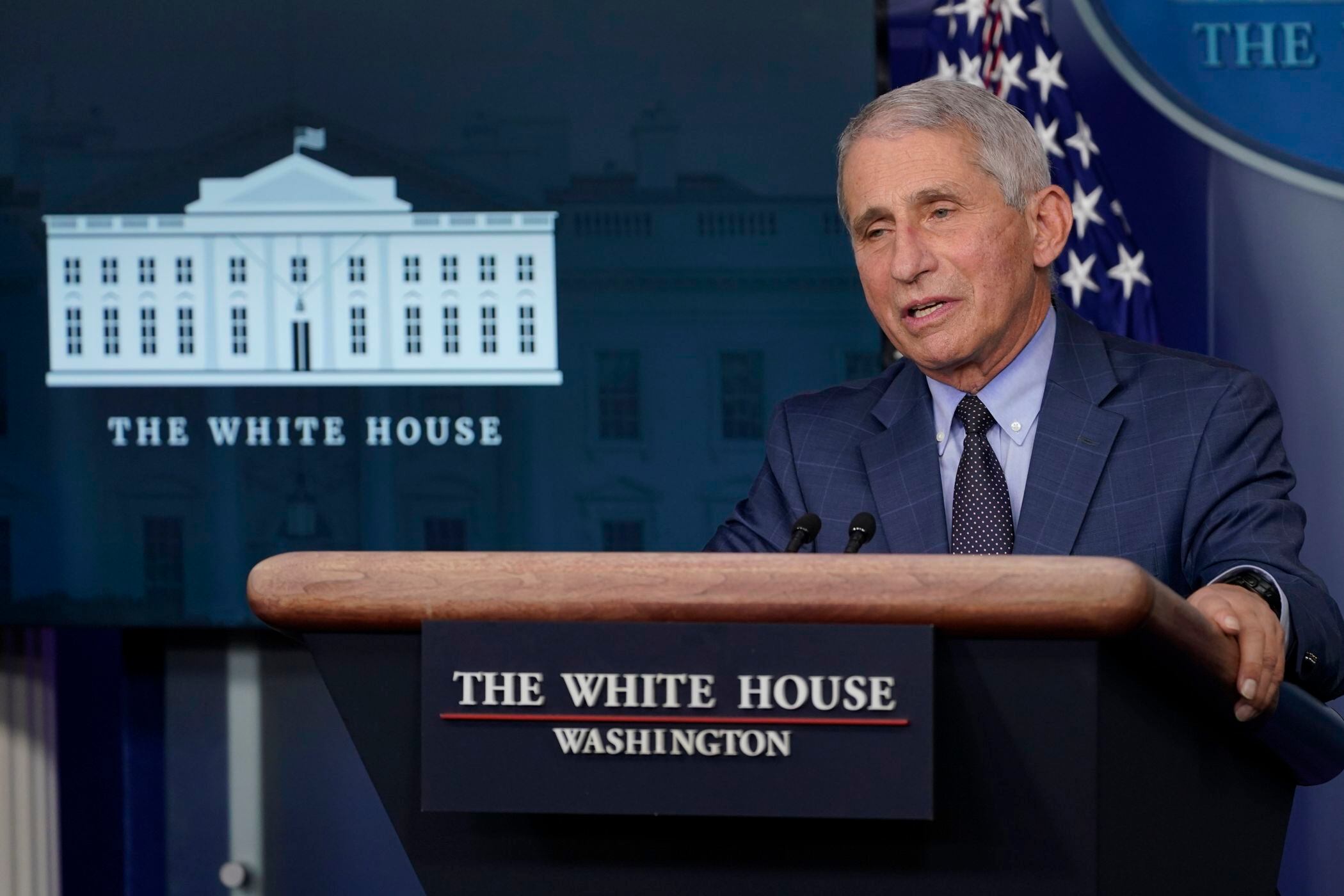
Dr. Anthony Fauci, director of the National Institute of Allergy and Infectious Diseases, discusses a wide range of current topics regarding the COVID-19 pandemic with Cheddar.
An influential government advisory panel says health care workers and nursing home residents should be at the front of the line when the first coronavirus vaccine shots become available.
Tech is the engine that enables fantasy to become reality.