The Great Executive Shuffle of 2019 continued on Wednesday, with Expedia Group announcing the surprise departure of its CEO and CFO after clashing with the company's board over the travel company's direction. Chief Executive Mark Okerstrom and Chief Financial Officer Alan Pickerill will resign their posts effective immediately, with Chairman Barry Diller and Vice Chair Peter Kern managing the company while a new leadership team is chosen.
In a statement, Diller said that Expedia's reorganization, spearheaded by Okerstrom and Pickerill, was "sound in concept" but resulted in the company's disappointing third-quarter earnings results. Diller said the board "strongly [believes] the Company can accelerate growth in 2020" under new management.
Shares of Expedia ($EXPE) shot up more than 5 percent on the news. In contrast, shares of Alphabet ($GOOGL) moved only marginally higher on Tuesday's announcement that Google co-founders Larry Page and Sergey Brin were stepping aside and naming Sundar Pichai CEO of Alphabet.
From Expedia to Google, the year has been notable for how many chief executives have resigned, quit, or been forced out. It's happening across sectors like fast food (McDonald's), retail and apparel (Nike, Under Armour, Gap), cloud computing and enterprise software (SAP, ServiceNow), e-commerce (eBay). Some of those executives actually took each other's jobs, with Bill McDermott departing SAP for ServiceNow, and John Donahoe (who used to run eBay) leaving ServiceNow for Nike.
Even Expedia's rival in travel booking, Trivago, lost its CEO last month. And that's not to mention the collapse of WeWork, which forced out its founder and CEO over a disastrous IPO attempt. More than 170 chief executives left just in the month of October, according to Challenger, Gray and Christmas.
There is no single reason for the C-suite exodus. Some, like Steve Easterbrook at McDonald's, were fired over misconduct. Others, like Mark Parker at Nike and Adam Neumann at WeWork, departed amid other scandals. Still others, like Kevin Plank at Under Armour, resigned under the pressure of struggling businesses.
But for some of these executives, their influence in the companies they led doesn't follow them out the revolving door. Brin and Page of Google, for instance, still hold a majority of the voting power in Alphabet, about 25 percent a piece, according to regulatory filings. Because of how many businesses ー particular in Silicon Valley ー structure their Class A and Class B shares, a CEO can step down, but still never really be gone. Just ask WeWork, which had to pay Neumann $1.7 billion to give up his voting rights and walk away.
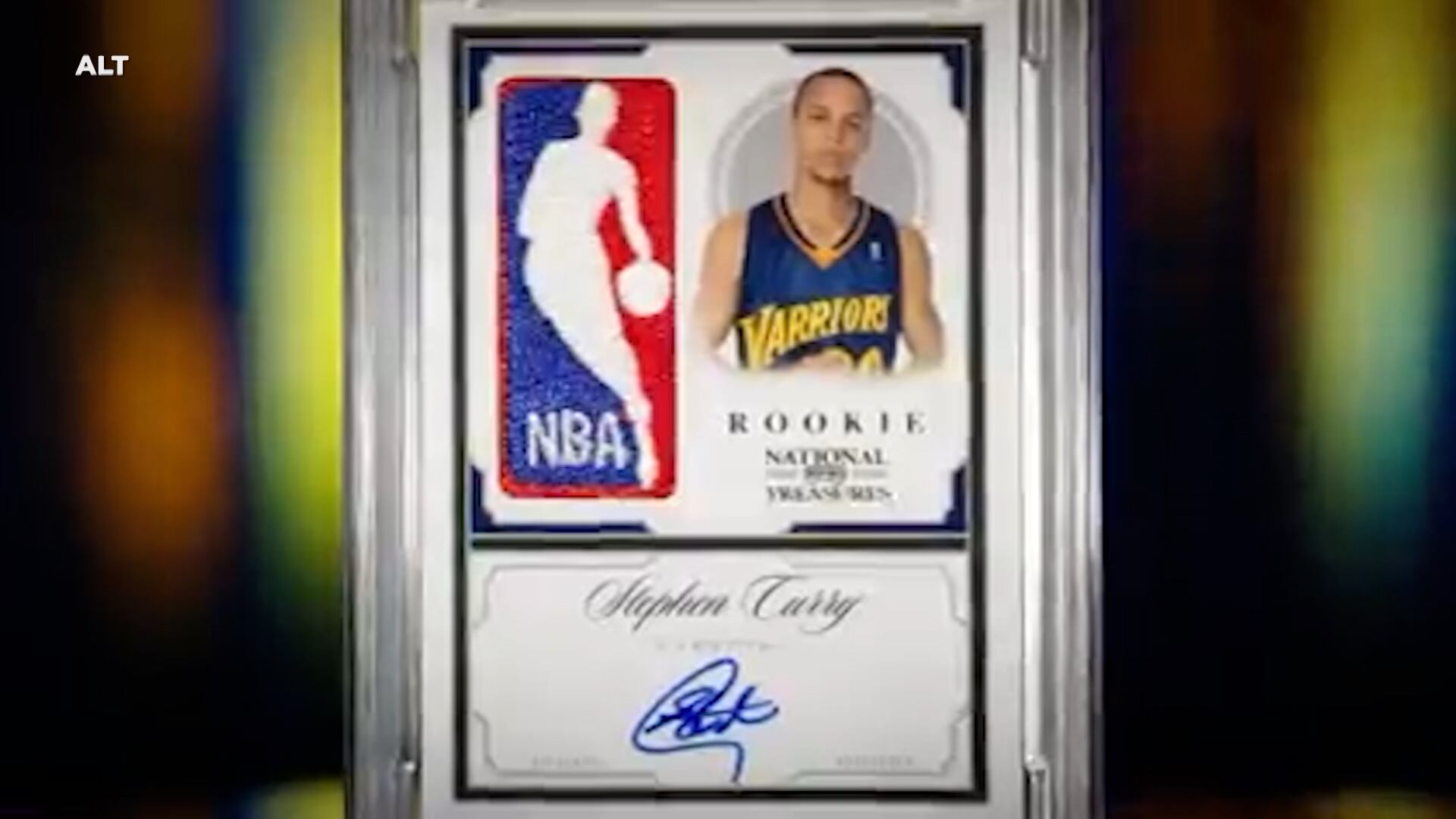
Alternative asset, sports cards-focused platform Alt recently raised $75 million in a Series B round. Alt's platform lets users research, trade, and securely store sports cards and other high-value assets. Right now, the company has more than $70 million worth of cards in its vault. The company is also hoping to get into other assets, including NFTs. Alt CEO Leore Avidar joins Cheddar News' Closing Bell to discuss.
Bitcoin ticked higher Friday but still hit a one-month low amid a broader crypto slump. Investors are eyeing the potential liquidation of payments from collapsed exchange Mt. Gox, alongside the recent debut of three Bitcoin-linked futures ETFs as the SEC continues to avoid approving spot product ETFs. Steve Larsen, Co-Founder of PlannerDAO, joins Cheddar News' Closing Bell to discuss the broader crypto slump, why Mt. Gox is a concern, and more.
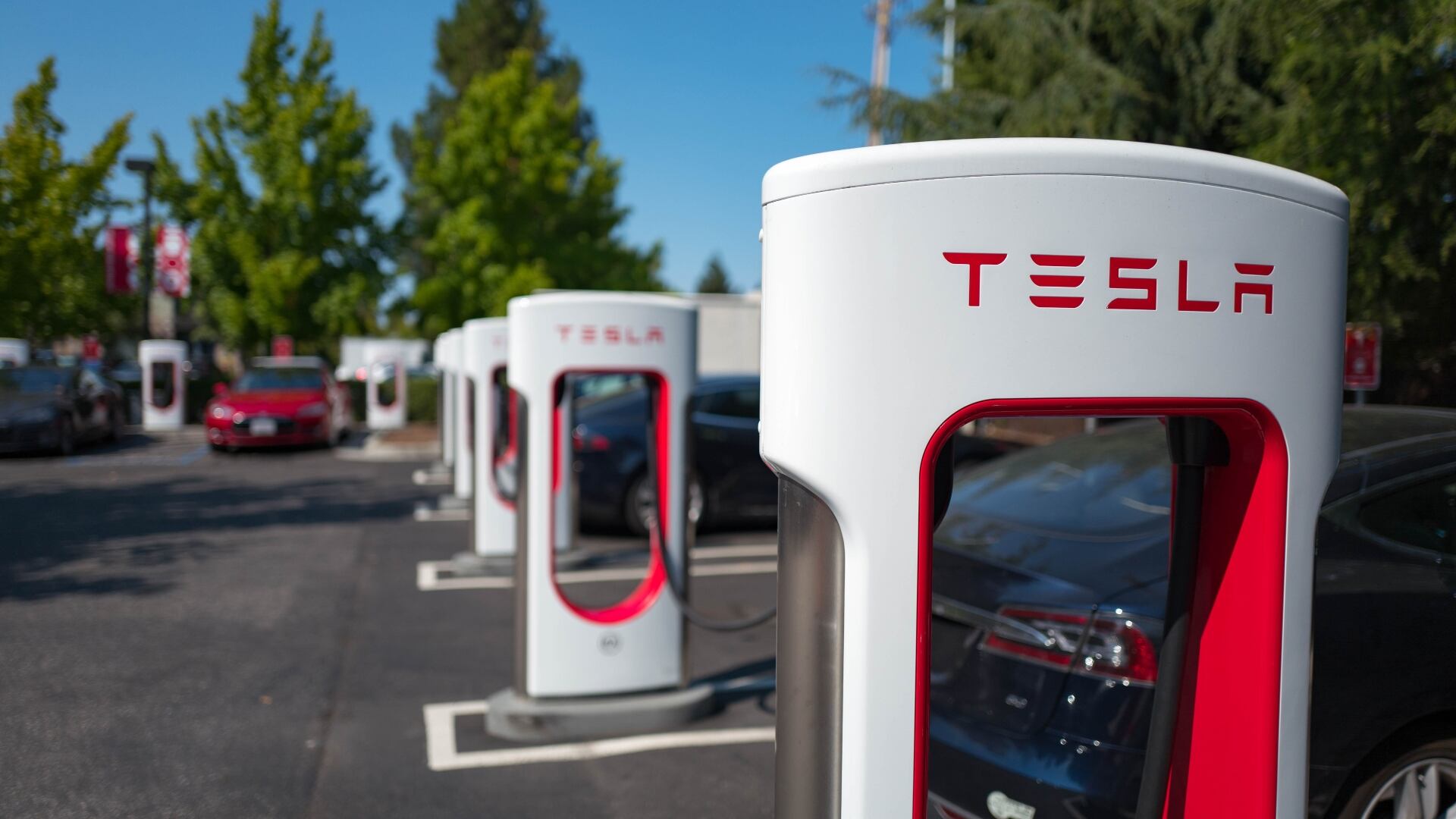
Wedbush Securities has raised its price target for Tesla stock to $1,400, among the highest on Wall Street. Analysts are pointing to an incoming green tidal wave as the main reason for their optimism, with President Biden's infrastructure bill expected to kick off a new era for electric vehicles in the U.S. Dan Ives, managing director of equity research at Wedbush Securities, joins Cheddar News' Closing Bell, where he explains why he's so bullish on Tesla even as competition from companies like Rivian heats up.
Streaming platform Roku announced plans to develop more than 50 original shows in a bid to become a destination for free content amid growing competition in the space. Shelly Kramer, co-founder and lead analyst at Futurum Research, spoke to Cheddar about the new offering "The transition here from hardware to adding a software component by way of original content, I think is smart," she said. "And it's all about the Benjamins." Kramer also noted that she doesn't necessarily think Roku is entering the content game too late.
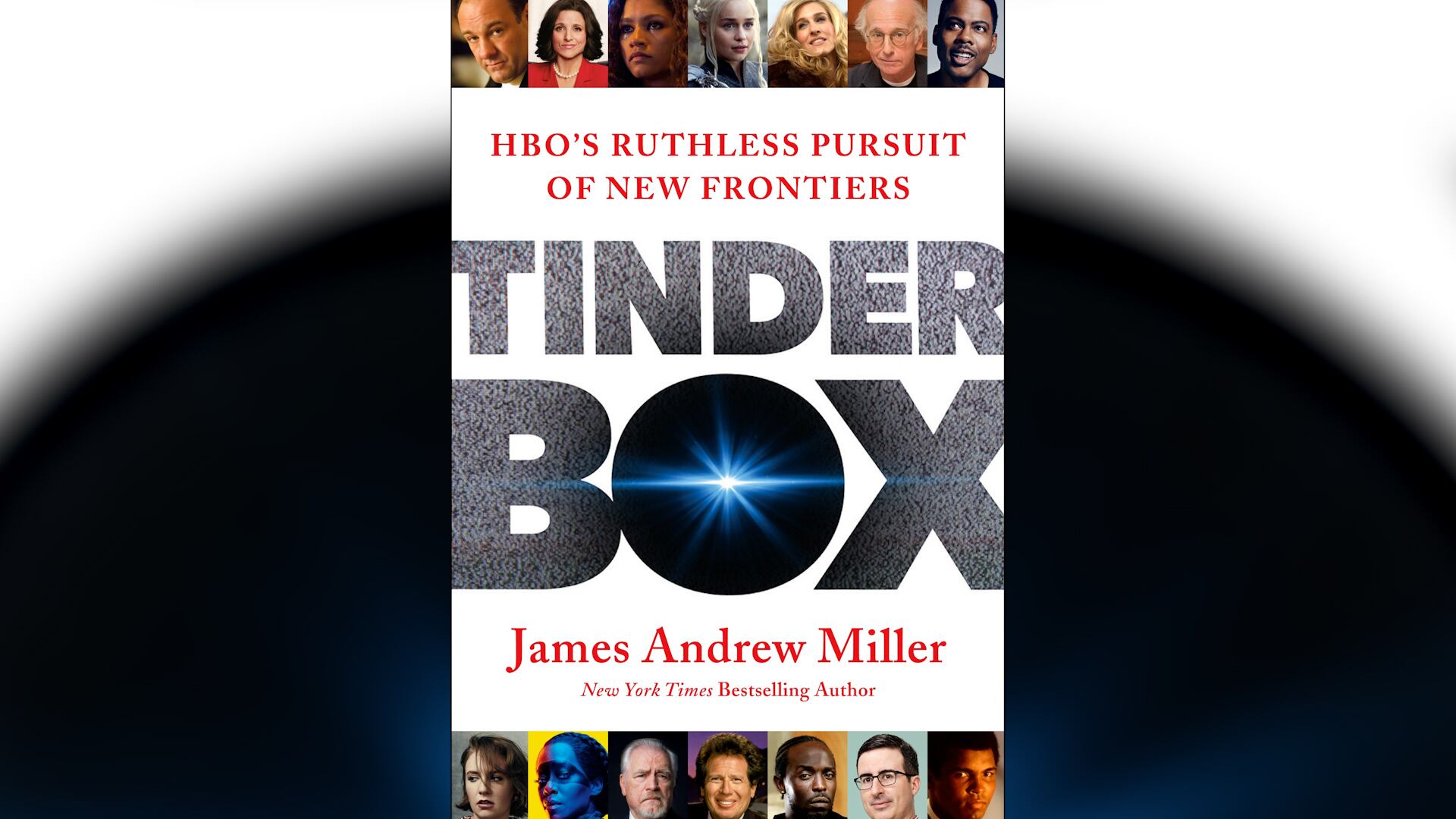
The behind-the-scenes story of HBO's history is chronicled in the new book 'Tinderbox: HBO's Ruthless Pursuit of New Frontiers.' The book tells the true story of how HBO came to dominate the television industry as we know it. The man behind the book has interviewed over 700 key sources to uncover a bottomless trove of secrets, surprises, and never before heard stories. James Andrew Miller joins Cheddar News to share more.
As the world of trading in cryptocurrency gets more popular experts say competition in the space could get bigger within the next year. CEO of Onramp Invest Tyrone Ross, joined Cheddar to discuss more.
Zach Jones, CEO of C-Zero, and Henrietta Moon, Co-Founder and CEO of Carbo Culture, joined Chedder to discuss the innovations their respective companies use in order to fight climate change, and the importance of utilizing private business in this fight.
Apple officially announced its self-service repair program allowing customers to buy individual tools and parts to fix their own devices. It comes as Apple continues to face pressure from 'right-to-repair' advocates. Ian Sherr, Editor at Large, CNET, joined Cheddar to discuss the significance of the move.
Drew McElroy, Chairman & Co-Founder of Transfix, joined Wake Up With Cheddar to break down how to address problems facing the trucking industry, amid rampant inefficiency and driver shortages.