The Great Executive Shuffle of 2019 continued on Wednesday, with Expedia Group announcing the surprise departure of its CEO and CFO after clashing with the company's board over the travel company's direction. Chief Executive Mark Okerstrom and Chief Financial Officer Alan Pickerill will resign their posts effective immediately, with Chairman Barry Diller and Vice Chair Peter Kern managing the company while a new leadership team is chosen.
In a statement, Diller said that Expedia's reorganization, spearheaded by Okerstrom and Pickerill, was "sound in concept" but resulted in the company's disappointing third-quarter earnings results. Diller said the board "strongly [believes] the Company can accelerate growth in 2020" under new management.
Shares of Expedia ($EXPE) shot up more than 5 percent on the news. In contrast, shares of Alphabet ($GOOGL) moved only marginally higher on Tuesday's announcement that Google co-founders Larry Page and Sergey Brin were stepping aside and naming Sundar Pichai CEO of Alphabet.
From Expedia to Google, the year has been notable for how many chief executives have resigned, quit, or been forced out. It's happening across sectors like fast food (McDonald's), retail and apparel (Nike, Under Armour, Gap), cloud computing and enterprise software (SAP, ServiceNow), e-commerce (eBay). Some of those executives actually took each other's jobs, with Bill McDermott departing SAP for ServiceNow, and John Donahoe (who used to run eBay) leaving ServiceNow for Nike.
Even Expedia's rival in travel booking, Trivago, lost its CEO last month. And that's not to mention the collapse of WeWork, which forced out its founder and CEO over a disastrous IPO attempt. More than 170 chief executives left just in the month of October, according to Challenger, Gray and Christmas.
There is no single reason for the C-suite exodus. Some, like Steve Easterbrook at McDonald's, were fired over misconduct. Others, like Mark Parker at Nike and Adam Neumann at WeWork, departed amid other scandals. Still others, like Kevin Plank at Under Armour, resigned under the pressure of struggling businesses.
But for some of these executives, their influence in the companies they led doesn't follow them out the revolving door. Brin and Page of Google, for instance, still hold a majority of the voting power in Alphabet, about 25 percent a piece, according to regulatory filings. Because of how many businesses ー particular in Silicon Valley ー structure their Class A and Class B shares, a CEO can step down, but still never really be gone. Just ask WeWork, which had to pay Neumann $1.7 billion to give up his voting rights and walk away.
The UK-based augmented reality startup, Dent Reality, raised the equivalent of $3.4 million USD in its most recent funding round. Dent Reality has created an AR app for smartphones that helps shoppers navigate retail locations by providing a layout of a store's aisles, while showing where to find specific items. The company works mainly with grocery stores but aims to integrate its tech with all types of physical spaces. Dent Reality CEO Andrew Hart joins Cheddar News' Closing Bell to discuss.
The world is amidst a skyscraper boom. In 2018, 146 buildings over 650 feet were constructed. That’s more than the total amount of skyscrapers constructed between 1979 and 1999. And all this construction is transforming our cities.
It’s no secret that America’s infrastructure is aging. The average American bridge is 43 years old. 49% of our streets and highways are in poor condition. That’s why rebuilding our roads is near the top of President Biden’s to-do list. But repaving is just surface level, some suggest we need to rethink the structures themselves.
Throughout history, humans have tried their best to predict what the future will look like. Today, it’s fun to look back and laugh at some of the wacky conceptual drawings of “cities of the future”. While the majority of these ideas look silly today, some concepts almost became our reality, if not for a few key shortcoming.
The streaming wars could be peaking as platforms vie for a shrinking pool of new subscribers and services like Disney+ recalibrate their outlooks as the rate of new memberships slows. Jana Arbanas, the U.S. telecom, media, and technology sector leader at Deloitte, joined Cheddar to discuss the 2022 outlook for streaming platforms, expecting more than 150 million people to cancel subscriptions adding to the global churn trend. "People are signing up for a service for a very specific piece of original, compelling content, watching that, perhaps, season of content, dropping that service, and then re-upping the service again when the next season comes out," Arbanas noted.
TikTok isn't just for remixing the best trending sounds. The social media platform is having a positive impact on animal shelters and helping pets find forever homes, according to Katie Grissum, the communications and design coordinator for the non-profit animal shelter charity KC Pet Project. Grissum joined Cheddar to break down just how TikTok is being used to raise money and draw more eyes to animals in need of adoption.
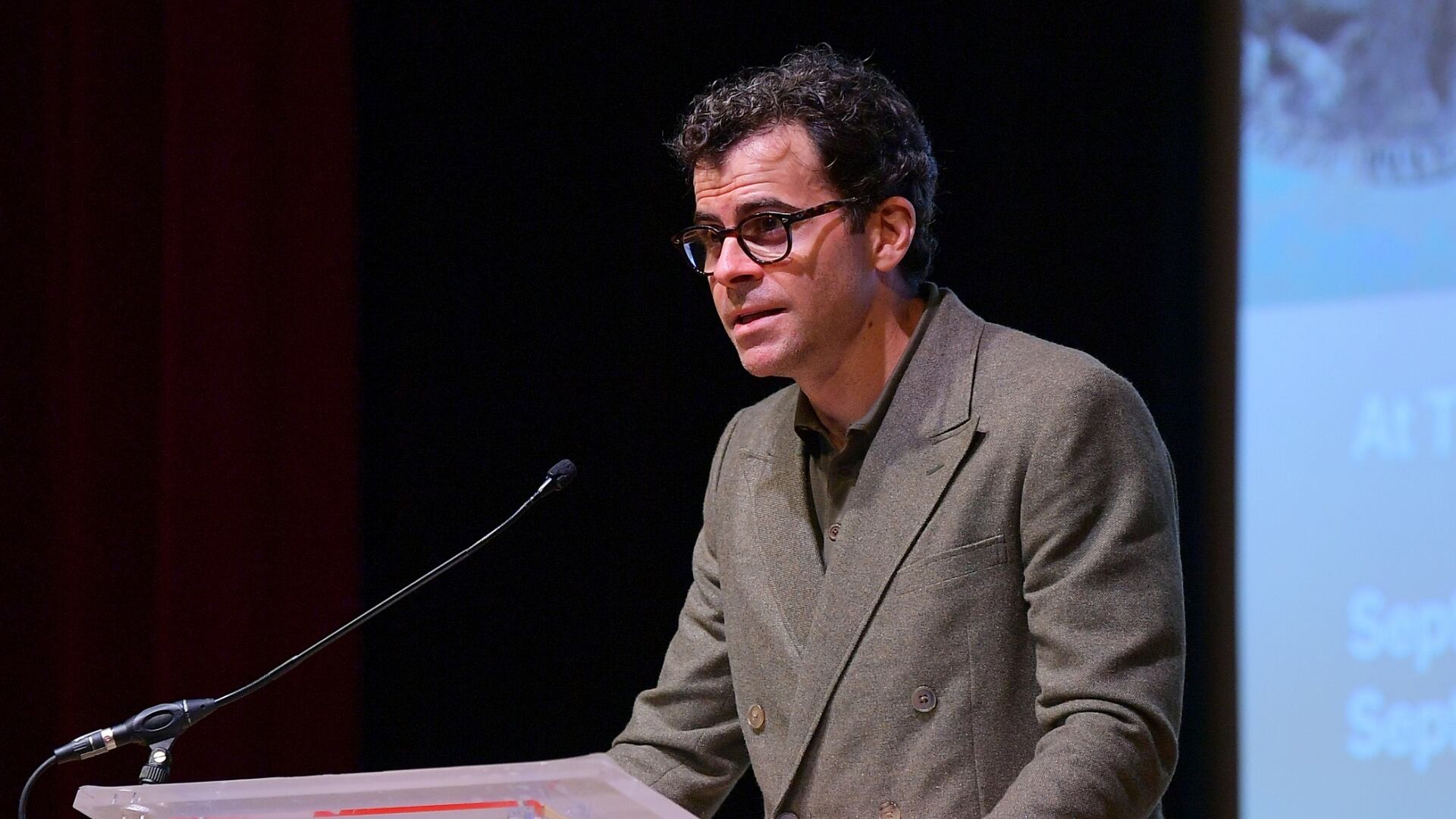
Head of Instagram Adam Mosseri is slated to testify this week in front of the Senate Commerce Subcommittee after a Wall Street Journal report that found the Meta-owned social media platform is negatively impacting the mental wellness of teen girls.
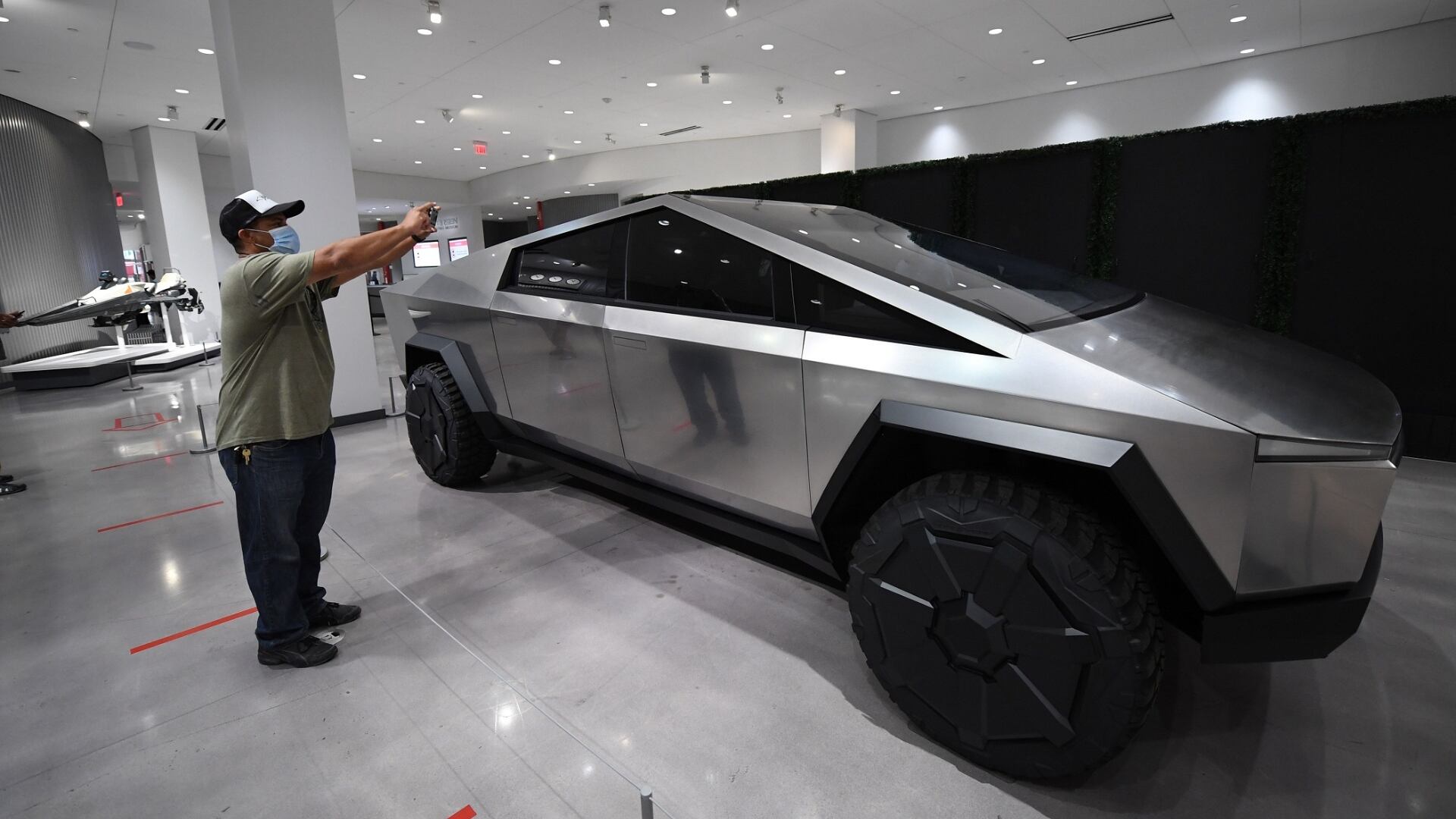
Elon Musk confirmed via Twitter that Tesla's eventual first Cybertruck will be updated to include 4 motors, 4 wheel steering, and a crab mode — like some of its competitors. Andrew Hawkins, a transportation reporter for The Verge, joined Cheddar to talk about how the new Cybertruck positions Tesla in the EV space as more automakers make up ground on the industry leader. "I think that this is actually Tesla saying, hey, if this is what the market wants, then we better put our best foot forward and respond as best as we can," he said, noting companies like Rivian and Hummer have already touted these features.