The Great Executive Shuffle of 2019 continued on Wednesday, with Expedia Group announcing the surprise departure of its CEO and CFO after clashing with the company's board over the travel company's direction. Chief Executive Mark Okerstrom and Chief Financial Officer Alan Pickerill will resign their posts effective immediately, with Chairman Barry Diller and Vice Chair Peter Kern managing the company while a new leadership team is chosen.
In a statement, Diller said that Expedia's reorganization, spearheaded by Okerstrom and Pickerill, was "sound in concept" but resulted in the company's disappointing third-quarter earnings results. Diller said the board "strongly [believes] the Company can accelerate growth in 2020" under new management.
Shares of Expedia ($EXPE) shot up more than 5 percent on the news. In contrast, shares of Alphabet ($GOOGL) moved only marginally higher on Tuesday's announcement that Google co-founders Larry Page and Sergey Brin were stepping aside and naming Sundar Pichai CEO of Alphabet.
From Expedia to Google, the year has been notable for how many chief executives have resigned, quit, or been forced out. It's happening across sectors like fast food (McDonald's), retail and apparel (Nike, Under Armour, Gap), cloud computing and enterprise software (SAP, ServiceNow), e-commerce (eBay). Some of those executives actually took each other's jobs, with Bill McDermott departing SAP for ServiceNow, and John Donahoe (who used to run eBay) leaving ServiceNow for Nike.
Even Expedia's rival in travel booking, Trivago, lost its CEO last month. And that's not to mention the collapse of WeWork, which forced out its founder and CEO over a disastrous IPO attempt. More than 170 chief executives left just in the month of October, according to Challenger, Gray and Christmas.
There is no single reason for the C-suite exodus. Some, like Steve Easterbrook at McDonald's, were fired over misconduct. Others, like Mark Parker at Nike and Adam Neumann at WeWork, departed amid other scandals. Still others, like Kevin Plank at Under Armour, resigned under the pressure of struggling businesses.
But for some of these executives, their influence in the companies they led doesn't follow them out the revolving door. Brin and Page of Google, for instance, still hold a majority of the voting power in Alphabet, about 25 percent a piece, according to regulatory filings. Because of how many businesses ー particular in Silicon Valley ー structure their Class A and Class B shares, a CEO can step down, but still never really be gone. Just ask WeWork, which had to pay Neumann $1.7 billion to give up his voting rights and walk away.
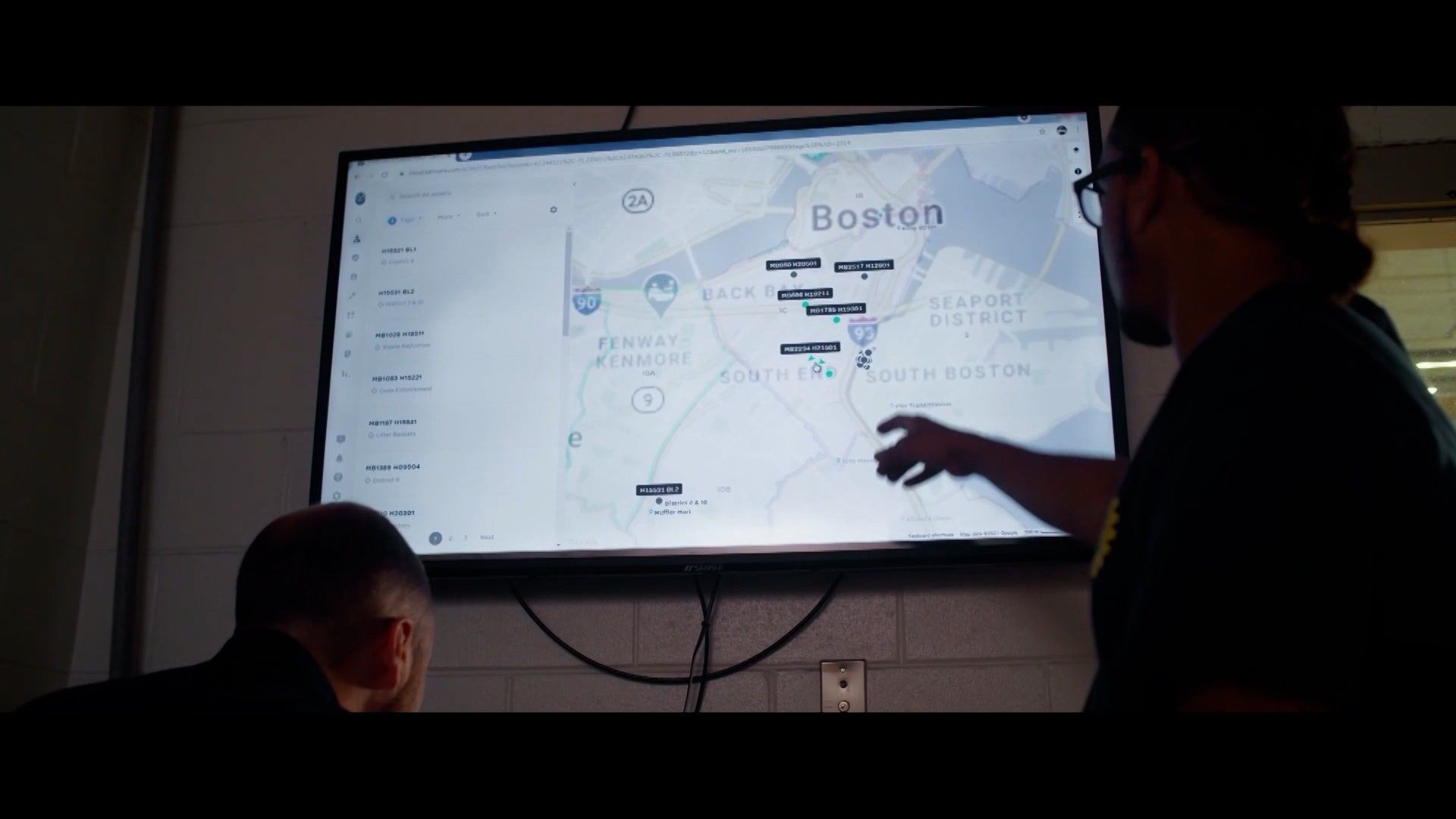
The California-based tech company specializing in enterprise cloud-based data analysis of connected internet of things (IoT) has gone public on the NYSE, and Samsara's CFO Dominic Phillips told Cheddar's Kristen Scholer that the timing was right for the public offering for the firm's next phase of growth. "We're going to continue to add to our go-to-market motion, we'll continue to build out our international presence, we'll continue to add more selling capacity specifically as we look to penetrate larger enterprise customers, and we'll look to continue to deploy money in R&D," he said.
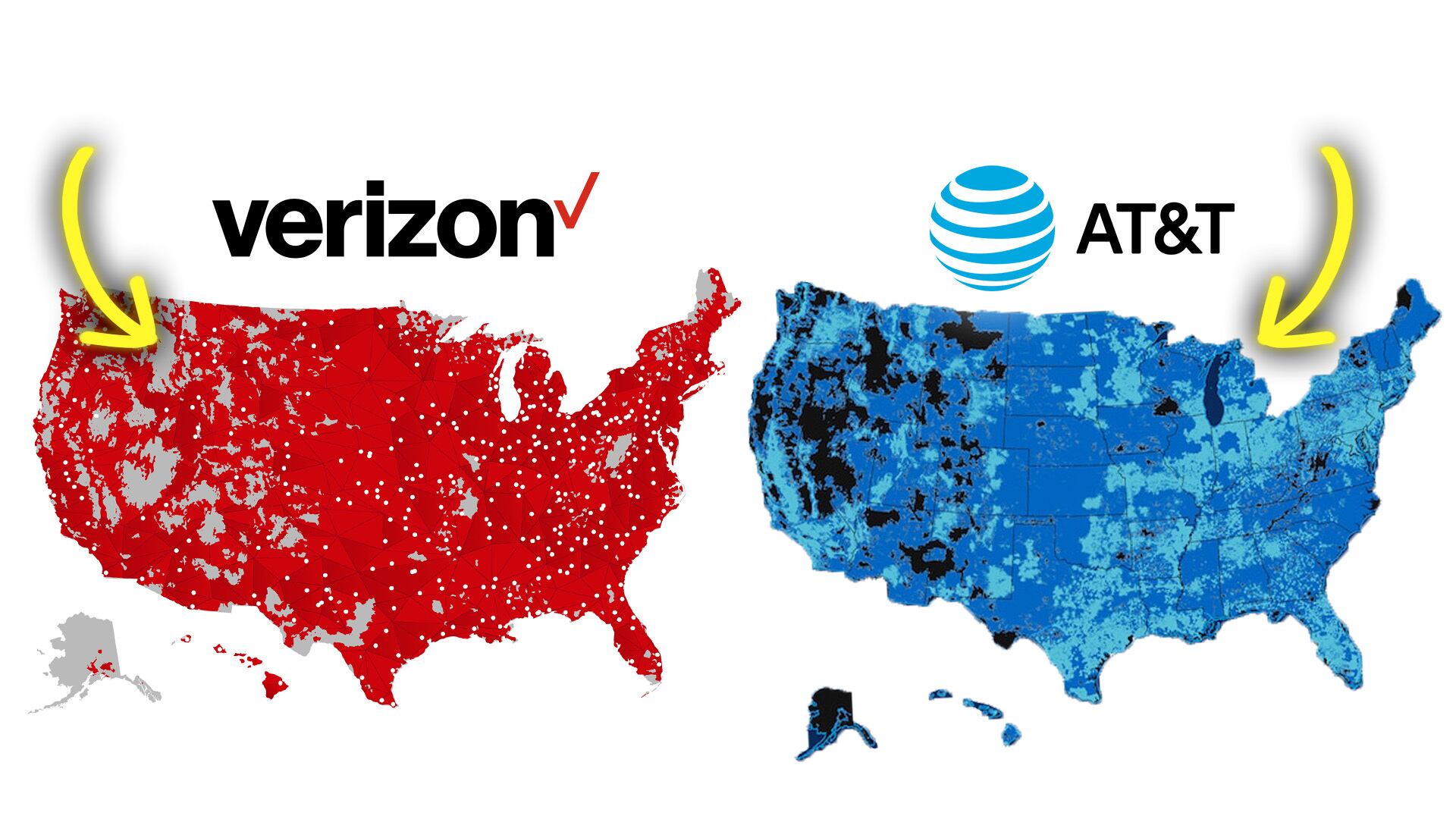
If you’ve ever struggled with a slow home internet connection or mobile data download in the United States, you’re not alone. Despite mobile and internet companies claiming to have “the best nationwide coverage,” or whatever it is they say in those ads, millions of Americans still lack access to reliable, high-speed internet. But you may be surprised to learn who the real culprit behind this ongoing issue is: flawed, overly-optimistic government maps.
VR/AR collaboration platform Spatial is diving head first into the Metaverse. The company is switching up its image--now branding itself as 'the metaverse for cultural events,' aiming to become the new virtual hub for NFT galleries, brand experiences, and large-scale conferences. Jacob Loewenstein, Head of Business, Spatial, joined Cheddar's Opening Bell to discuss the company's pivot.
The past year has been huge for delivery services as people largely stayed home during the pandemic. Getir, an Istanbul-based company delivering goods in just 10 minutes, is officially launching in NYC. It comes as the company continues its international expansion. Nazim Salur, Founder, Getir, joined Cheddar's Opening Bell to discuss the opportunities in the new market.
Another successful spaceflight is in the books for Jeff Bezos' Blue Origin. The company's third human spaceflight blasted off from Van Horn, TX. on Saturday, lasting about ten minutes from takeoff to landing. The crew, which included former NFL star and current GMA host Michael Strahan, traveled to the edge of space and experienced a few minutes of weightlessness before the capsule descended back to earth. Andrew Chanin, CEO of ProcureAM, joined Cheddar's Opening Bell to discuss the significance of the launch.
After nearly two years of the pandemic, U.S. consumers are ready to spend big this holiday season. However, shoppers may be faced with limited inventory as the U.S. continues to face shortages of key products and extended order backlogs. Per Hong, partner at consulting firm Kearney, joined Cheddar's Opening Bell to discuss the country's path forward.
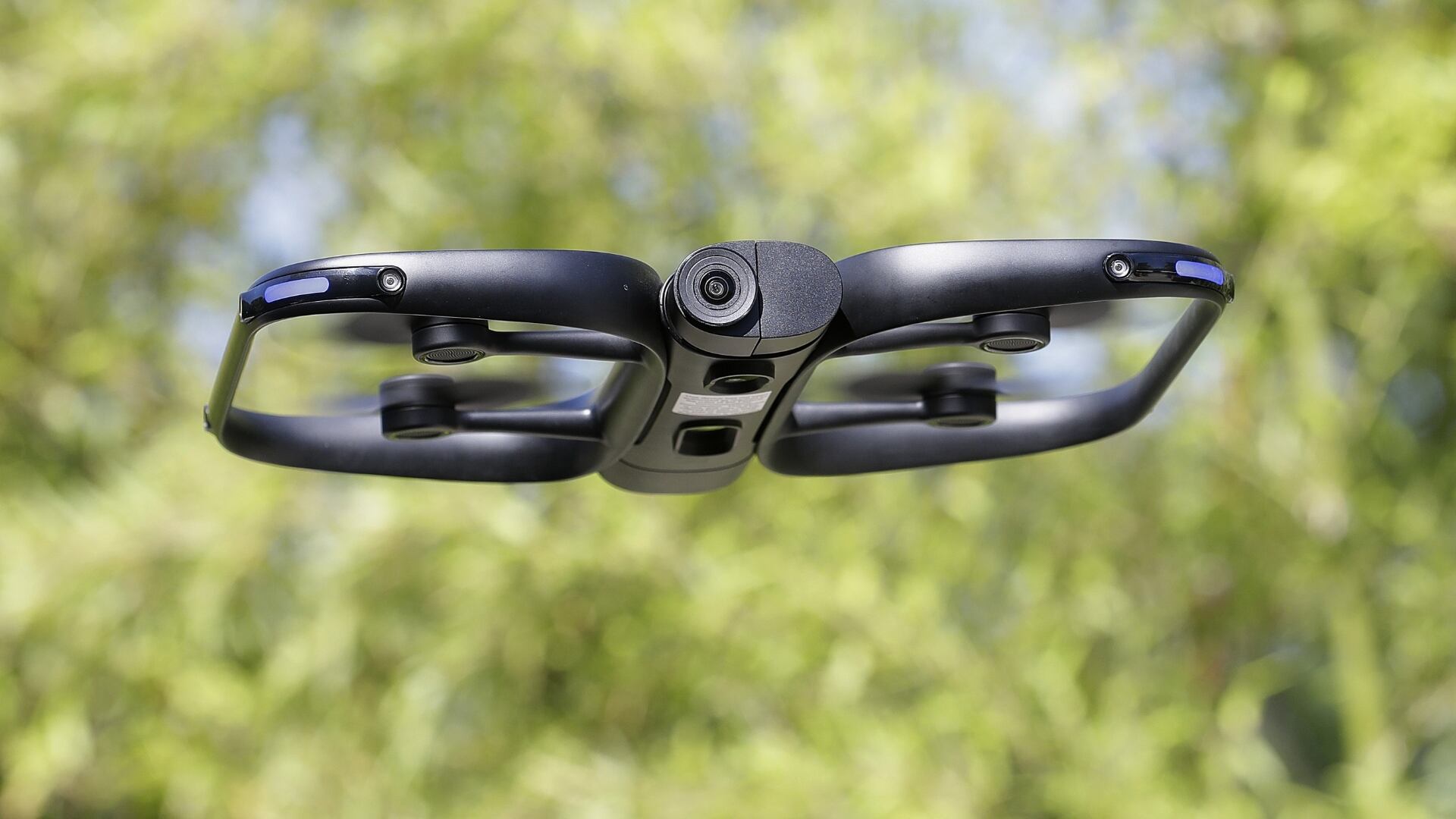
The U.S. is preparing to add more China-based firms to a blacklist in response to human rights violations in the country. This includes the leading drone manufacturer DJI. American businesses will be barred from investing or conducting business with the blacklisted companies.
From the TikTok boom to social commerce shopping to livestreaming events, social media trends took on all different shapes and sizes this year. Stephanie Humphrey, technology and lifestyle expert, joined Cheddar to discuss the biggest fads of the year, as well as what to expect for next year.