It's a new era for the Ford Motor Company. For the first time in 55 years, the automaker expanded its lineup of the iconic Mustang model with an all-electric version — and the line's first SUV.
"It's time to transition to electrification," Joe Hinrichs, Ford president of automotive, told Cheddar Monday.
Hinrichs says Mustang has traditionally focused on "fast, fun, and affordable," and he believes the Mach-E will stand up to that test. It reaches 0 to 60 miles per hour in about 3 seconds.
The Mach-E also has a range of at least 260 miles which keeps the model in line with Ford's environmental sustainability commitments. Drivers making the switch from gas to electric will have access to some 12,000 charging stations through the FordPass Charging Network, the largest public charging system in North America. Ford will also offer multiple home charging solutions as it puts more than $11 billion into a global transition to electric vehicles.
At price points ranging from about $44,00 to $60,000, the Mach-E costs about $10,000 more than a combustible engine Mustang but is competitive with Tesla, the leading electric car brand. Hinrichs predicts all manufactured Ford vehicles will be electric at some point "in our lifetime." He says the company already has 40 all-electric or hybrid cars in development.
Ford's technology teams aren't solely focused on electric. The company is carefully working on its autonomous technology and Henrichs says it will wait until self-driving cars are safer than those driven by humans. "The requirements are greater than [for] a human driver, and they should be," says Hinrichs "We tolerate a lot of human driver behavior that we won't tolerate in an autonomous vehicle."
Carl Tobias, professor of law at the University of Richmond, joins Cheddar News to talk about how Johnson & Johnson funded experiments on mostly Black men comparing the effects of talc and asbestos on their skin.
Amazon unveiled its new mobile app called Amp as a direct competitor to Clubhouse, allowing people to host live radio shows. Although it is still in beta, users can join the waitlist from the iOS store.
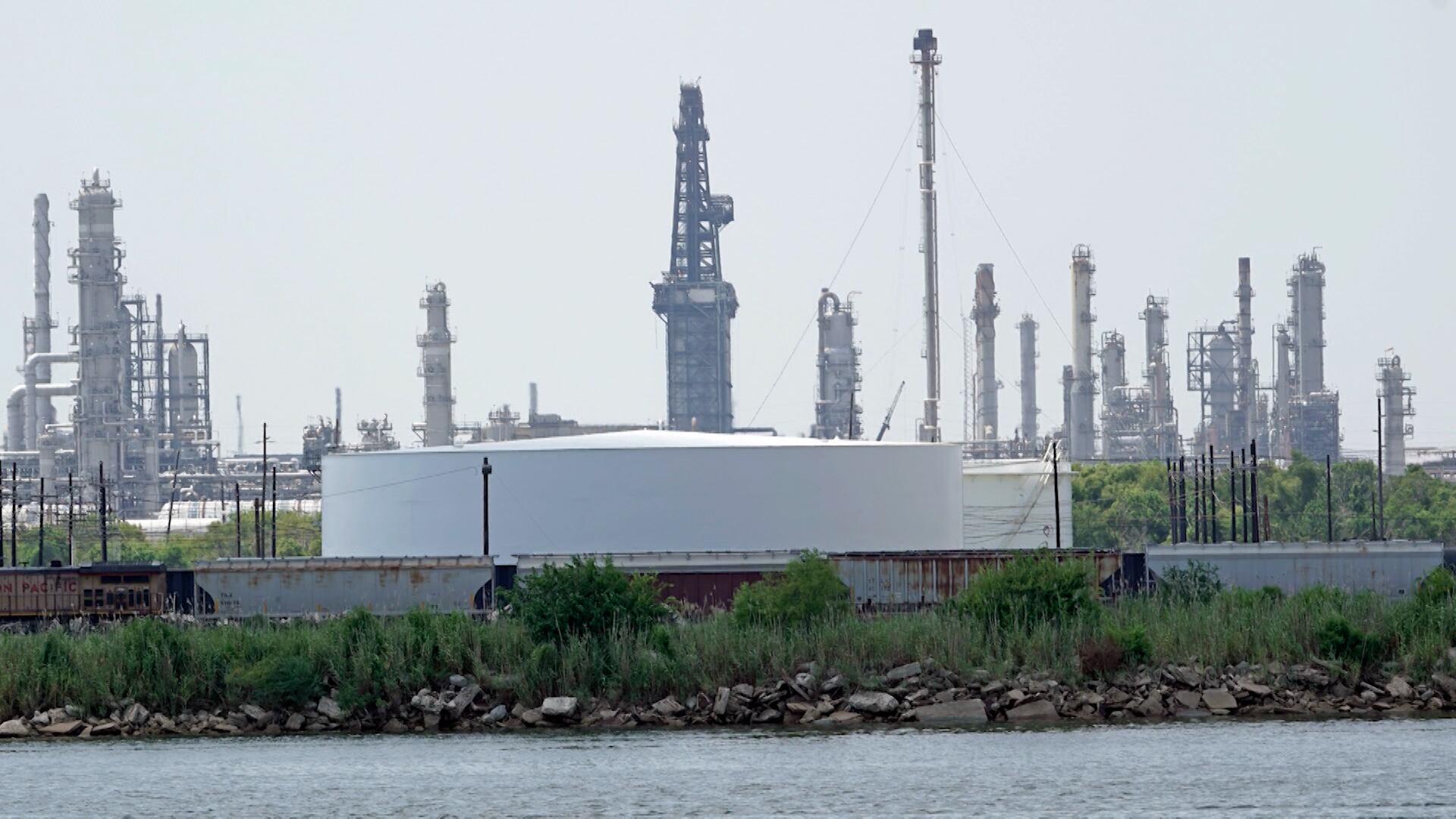
President Biden announced a ban on Russian oil and natural gas imports to the U.S. in response to its invasion of Ukraine, a move he warned could lead to an even greater surge in gas prices. The ban is prompting a conversation about the current oil production levels in the U.S. and whether or not the industry can ramp up production to soften the blow to American families at the gas pump. Clark Williams-Derry, Energy Finance Analyst with the Institute for Energy Economics and Financial Analysis, breaks down the state of the U.S. oil industry and how the ban might impact production levels here at home.
PepsiCo, Coca-Cola, McDonald’s, and Starbucks are the latest American food brands to have halted business operations in Russia after having faced scrutiny and criticism for originally failing to do so amid the country's invasion of Ukraine.
As Russia intensifies its war on Ukraine, President Biden announced a ban on oil imported from the aggressor nation. Critics of Russia have said this would be the best way to force Putin to pull back, but curbs on Russian oil exports are expected to send already skyrocketing oil and gas prices even higher, further impacting consumers, businesses, financial markets, and the global economy. Leslie Beyer, CEO of the Energy Workforce and Technology Council, joined Cheddar News' Closing Bell to discuss. "It's certainly going to increase pricing, but it is the right thing to do," she said. "The industry itself has already pulled out of the significant portion of its operations in Russia."
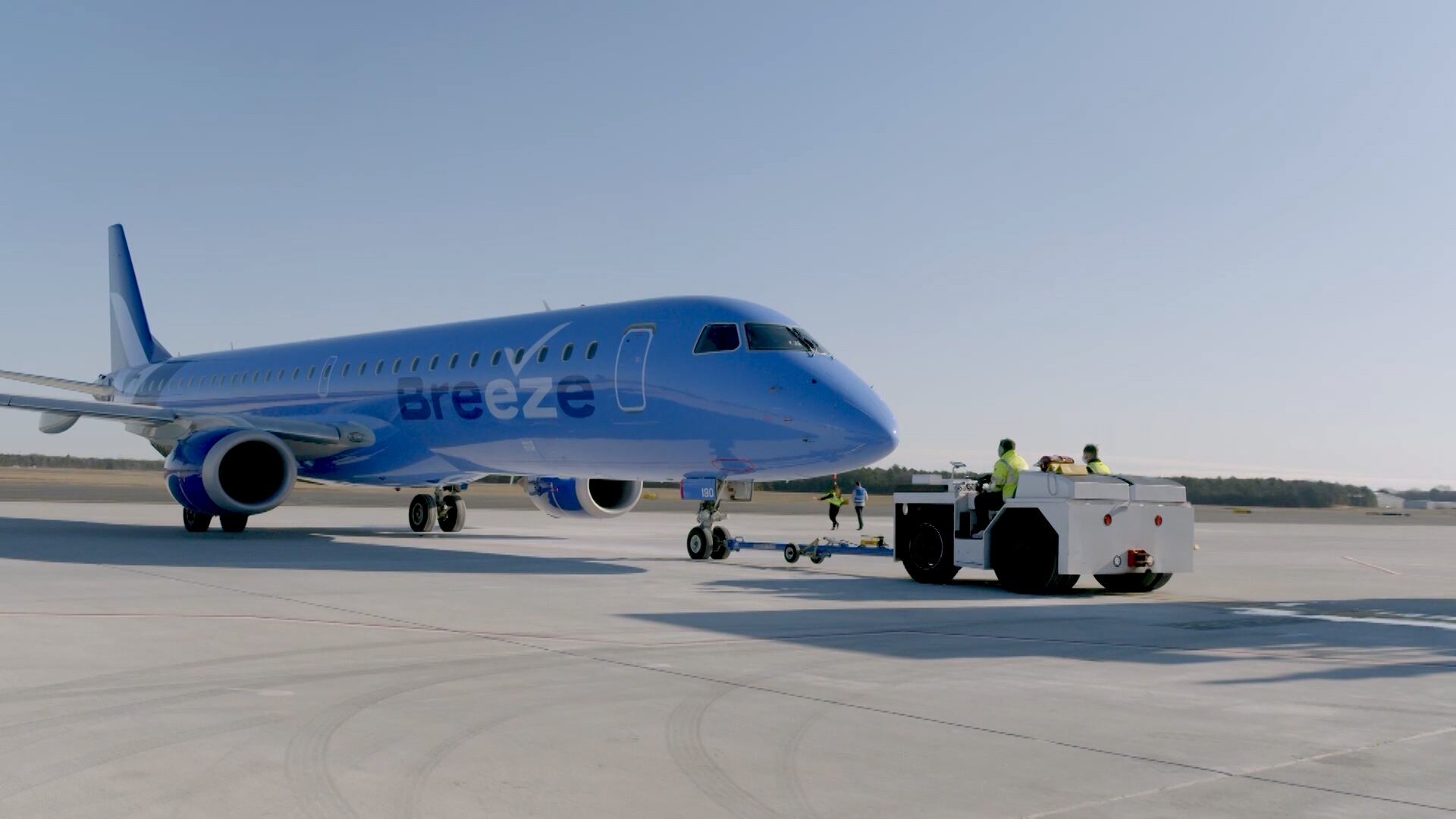
As airlines recover from COVID-19 and the industry becomes more competitive than ever, low-fare carrier Breeze Airlines is offering 35 new routes and reduced prices for its first-class experiences. CEO David Neeleman joined Cheddar News to talk about the rollout of services amid plenty of headwinds including high fuel costs. "We can limit a lot of costs because we're a technology company that happens to fly airplanes," he noted.
Despite women as a whole being among the groups most impacted by pandemic job losses, homesharing platform Airbnb reported that women hosts brought in $12 billion in revenue last year. Catherine Powell, Airbnb's global head of hosting, joined Cheddar News to discuss how women hosting has become a huge asset for the company. "Last year 21 percent more women joined the platform than men," she said. "So they are joining the platform. They are being successful. They're more super hosts, and they're doing incredibly well."