It's a new era for the Ford Motor Company. For the first time in 55 years, the automaker expanded its lineup of the iconic Mustang model with an all-electric version — and the line's first SUV.
"It's time to transition to electrification," Joe Hinrichs, Ford president of automotive, told Cheddar Monday.
Hinrichs says Mustang has traditionally focused on "fast, fun, and affordable," and he believes the Mach-E will stand up to that test. It reaches 0 to 60 miles per hour in about 3 seconds.
The Mach-E also has a range of at least 260 miles which keeps the model in line with Ford's environmental sustainability commitments. Drivers making the switch from gas to electric will have access to some 12,000 charging stations through the FordPass Charging Network, the largest public charging system in North America. Ford will also offer multiple home charging solutions as it puts more than $11 billion into a global transition to electric vehicles.
At price points ranging from about $44,00 to $60,000, the Mach-E costs about $10,000 more than a combustible engine Mustang but is competitive with Tesla, the leading electric car brand. Hinrichs predicts all manufactured Ford vehicles will be electric at some point "in our lifetime." He says the company already has 40 all-electric or hybrid cars in development.
Ford's technology teams aren't solely focused on electric. The company is carefully working on its autonomous technology and Henrichs says it will wait until self-driving cars are safer than those driven by humans. "The requirements are greater than [for] a human driver, and they should be," says Hinrichs "We tolerate a lot of human driver behavior that we won't tolerate in an autonomous vehicle."
You can read all about the Mustang Mach-E here.
UBS says it’s bringing back former CEO Sergio Ermotti to lead the Swiss bank as it moves forward with a government-orchestrated plan to take over struggling rival Credit Suisse.
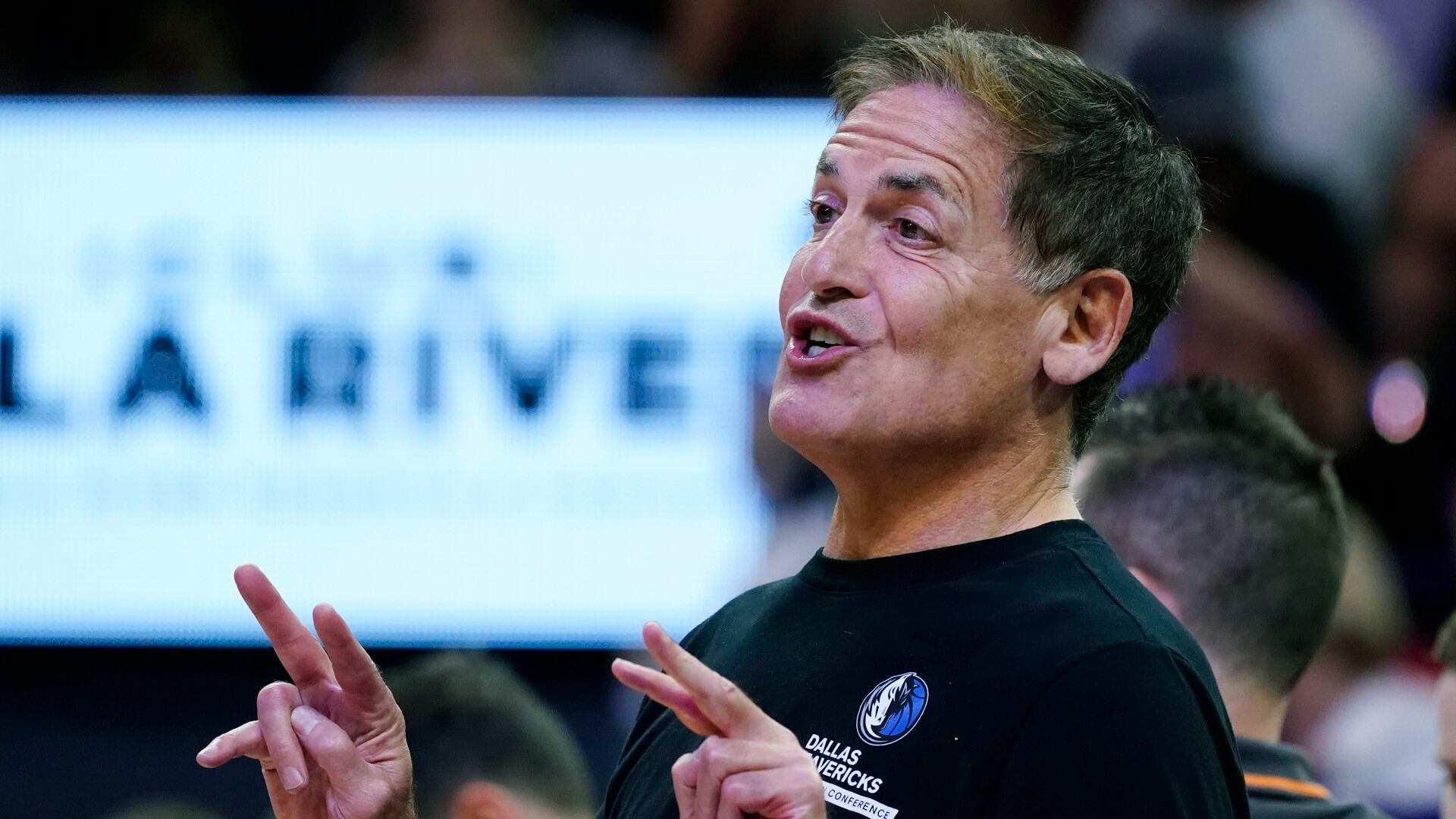
San Francisco-based technology startup Illumix just closed a $18 million Series A round of funding, and in a rare move for the Shark Tank star, Mark Cuban contributed.
Austin Graff, founder and CIO of Opal Capital in Austin, Texas, offers his take on why stocks opened higher Wednesday, saying investors appear tentatively optimistic about regulatory actions being taken around struggling banks, even as they remain worried about the long-term consequences of federal action on the sector. "
Credit Suisse violated a plea agreement with U.S. authorities by failing to report secret offshore accounts that wealthy Americans used to avoid paying taxes, U.S. lawmakers said Wednesday.
Stocks are rising Wednesday as Wall Street shakes off a bit more of the fear that dominated it earlier this month.
Honda is recalling more than 330,000 vehicles because heating pads behind both side-view mirrors may not be bonded properly, which could lead to the mirror glass falling out and increase the risk of a crash.
Lyft co-founder Logan Green is stepping down as CEO with David Risher, a former Amazon and Microsoft executive, set to take his place.
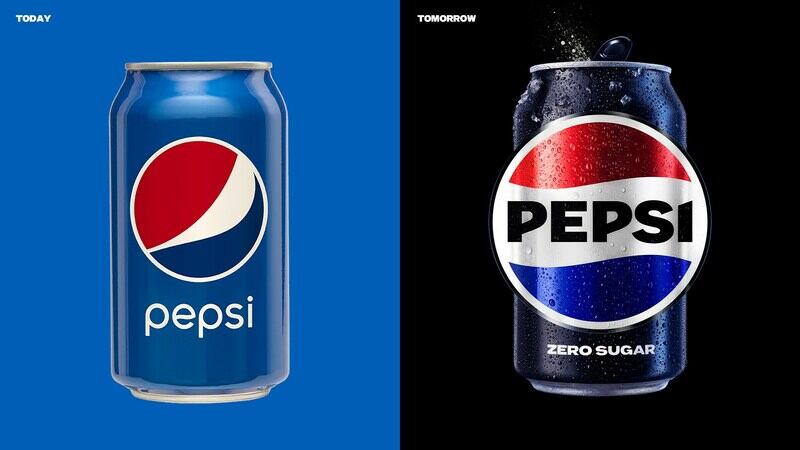
PepsiCo just unveiled a new nostalgic logo, and it might look familiar to long-time fans of the bubbly beverage. The new logo is a slightly modified version of the one last used in the 1990s.
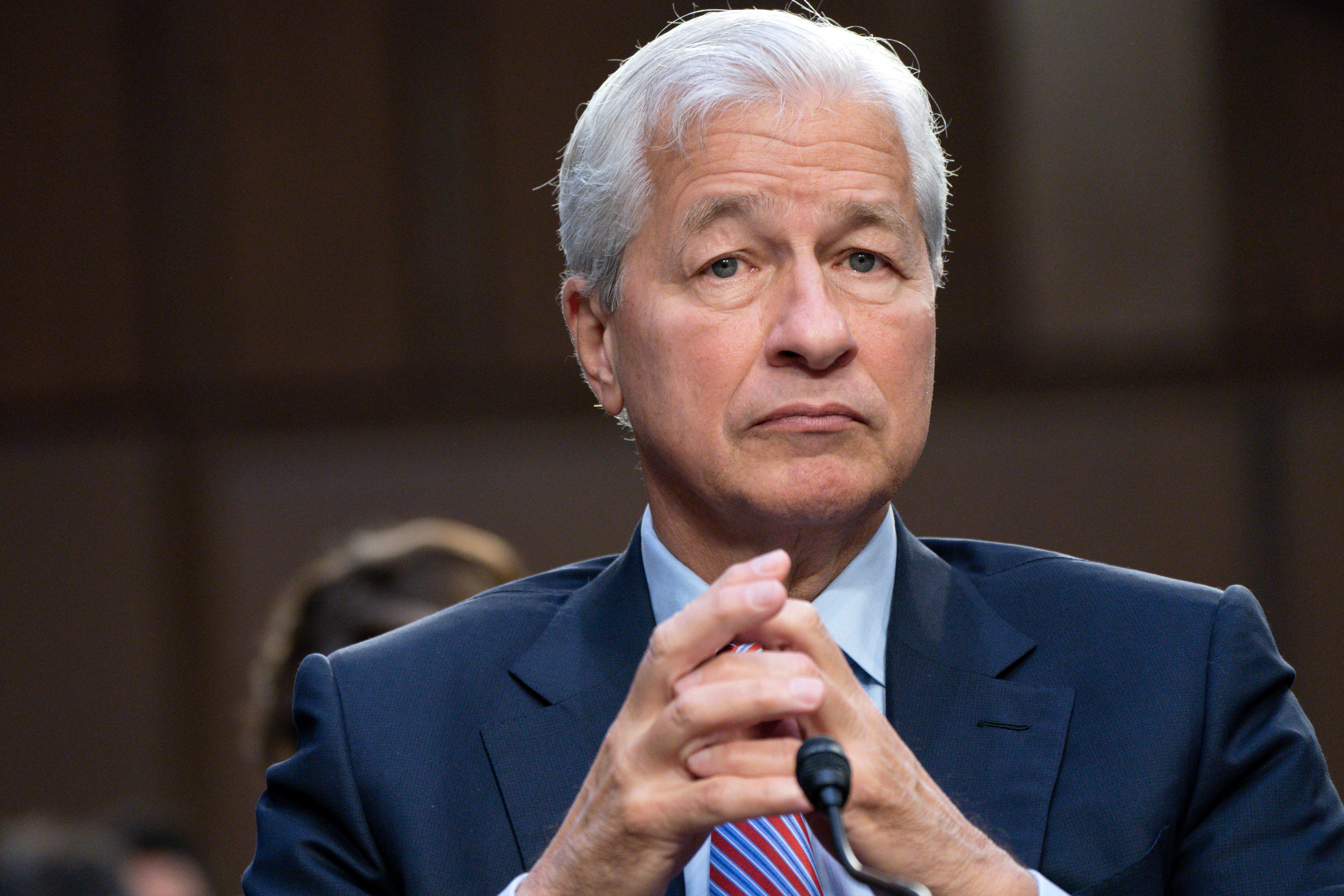
According to a Reuters report, JPMorgan CEO Jamie Dimon is being deposed over the bank's relationship with sex offender Jeffrey Epstein.
U.S. highway safety regulators have opened yet another investigation into problems with Teslas, this time tied to complaints that the seat belts may not hold people in a crash.