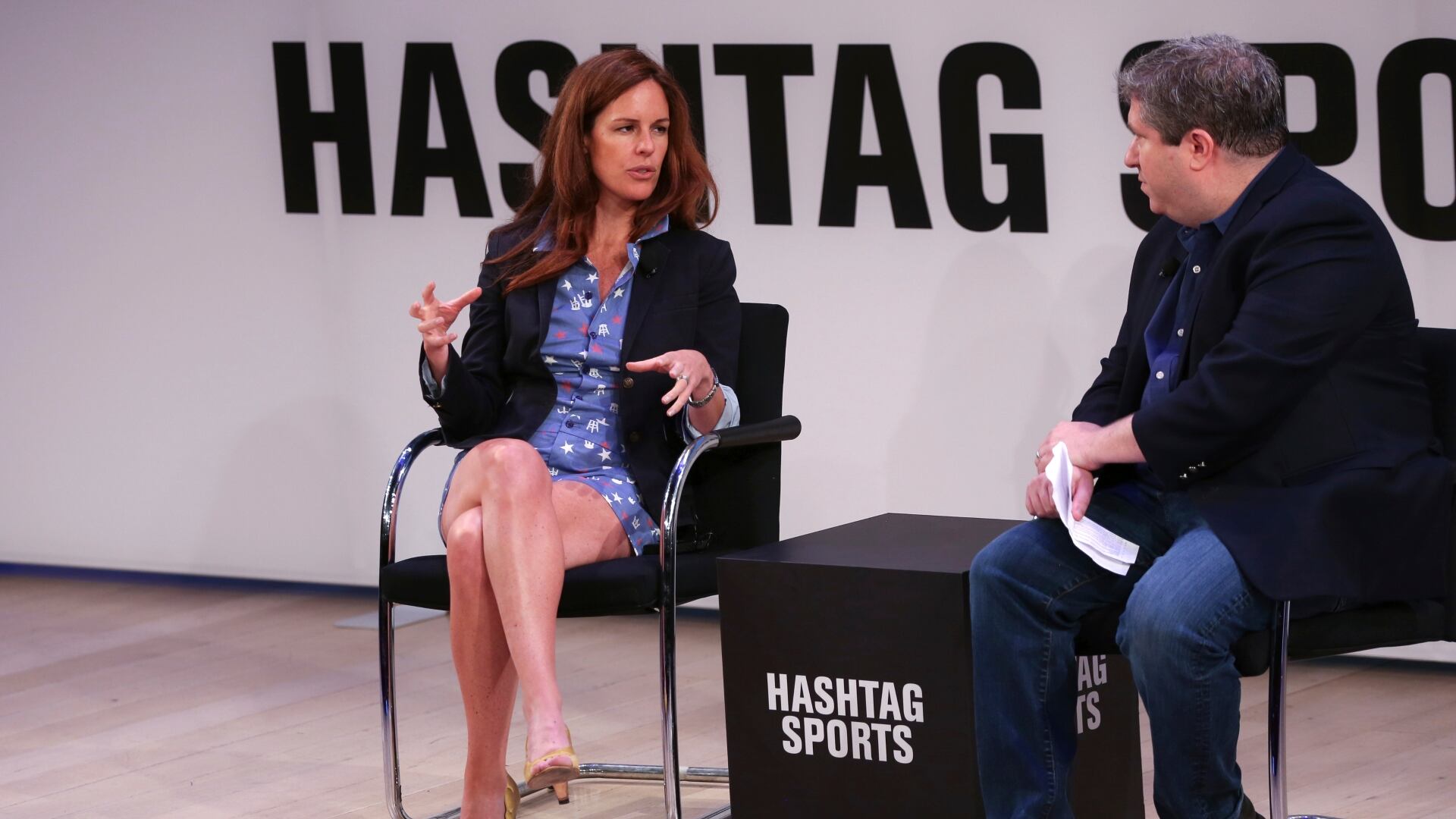
*By Amanda Weston* After months of damaging headlines and privacy mishaps, Facebook may be down, but it's not out ー especially not in the case of the U.S. midterms, according to the company's director of outreach. "We've been doing a lot of work around cracking down on fake accounts, reducing the amount of false news on the site, disrupting bad actors, but also providing more transparency into political ads," Katie Harbath, global politics and government outreach director at Facebook ($FB), told Cheddar's Hope King in an exclusive interview. "We've been doing a lot of work around cracking down on fake accounts, reducing the amount of false news on the site, disrupting bad actors, but also providing more transparency into political ads," she added. Part of that effort is Facebook's "war room." The space was set up at the platform's Menlo Park, Calif., office in September ahead of Brazil's election. Now it's now dedicated around the clock ーliterally ー to the midterms. Harbath said the war room has allowed them to see misleading content in real time. "That will allow us to catch it quicker and be able to take it down off the site. The teams are working 24 hours here ahead of Tuesday." Harbath said the company has learned from every election over the past two years, including international races like Brazil. She likened the surge of activity in the company to Facebook's shift to mobile in 2012. "Election integrity is a huge priority for the company," Harbath said. "I haven't seen such a cross-company-wide effort since we made that shift." Employees stationed in the war room look for possible red flags ー spikes in ad spending or new advertisers. The goal is to preserve election integrity while still allowing users to engage with candidates. "I think we're just wanting to stay constantly on guard," Harbath said. "Part of the war room is we tested every scenario we could think of, but there's always those ones that we may not have thought about. So we believe that we're built to be able to rapidly respond to anything that may come our way." The war room is also using one of Facebook's newer election tools. The site launched its [Ad Archive Report](https://www.facebook.com/ads/archive/report) in October, which shines a spotlight on who's behind political ads ー and how much they're spending. The archive reports there are more than 1.8 million ads "related to politics and issues of national importance," with advertisers spending nearly $300 million since May of 2018. As of Oct. 27, the page for Senate candidate [Beto O'Rourke of Texas](https://www.facebook.com/betoorourke/) ranked first in ad spending, with more than $6.5 million. "I think one of the trends that we've seen over the years is more and more [the] shift of money to digital and to online," Harbath said. "Campaigns are certainly advertising more on television, but this is the first cycle where we actually have some of this transparency into that online spending, very much the same way that candidates do on traditional media." The archive not only lets users see who paid for ads, but also the demographics of the users they reached. Ads remain in the archive for seven years. Facebook's efforts come after the platform came under fire for misinformation online during the 2016 election. "In 2016, our election security efforts prepared us for traditional cyberattacks like phishing, malware, and hacking. We identified those and notified the government and those affected. " Mark Zuckerberg, Facebook founder and CEO, wrote in a [September blog post](https://www.facebook.com/notes/mark-zuckerberg/preparing-for-elections/10156300047606634/). "What we didn't expect were foreign actors launching coordinated information operations with networks of fake accounts spreading division and misinformation. Today, Facebook is better prepared for these kinds of attacks." Harbath said company-wide efforts to fight misinformation existed before a physical war room, but whether the space will remain after November remains to be seen. "We'll be reevaluating the physical war room after the midterms to see what worked and what didn't and make that decision if we make the physical war room something that's permanent," Harbath said. "But the cross-functional effort and the things that we're doing will definitely be applied next year." For full interview [click here](https://cheddar.com/videos/facebook-fights-fake-accounts-false-news-ahead-of-midterms).