A former high-ranking FBI counterintelligence official pleaded guilty Tuesday to conspiring to violate sanctions on Russia by going to work, after he retired, for an oligarch he once investigated.
Appearing before a federal judge in New York City, Charles McGonigal, 55, said he was “deeply remorseful” for work he did in 2021 for the billionaire industrialist Oleg Deripaska.
McGonigal told the judge he accepted over $17,000 to help Deripaska collect derogatory information about another Russian oligarch who was a business competitor. Deripaska has been under U.S. sanctions since 2018 for reasons related to Russia's occupation of Crimea.
McGonigal was also trying to help Deripaska get off the sanctions list, Assistant U.S. Attorney Rebecca Dell said, and was in negotiations along with co-conspirators to receive a fee of $650,000 to $3 million to hunt for electronic files revealing hidden assets of $500 million belonging to the oligarch's business rival.
McGonigal pleaded guilty to a single count of conspiring to launder money and violate the International Emergency Economic Powers Act. He could face up to five years in prison. Judge Jennifer H. Rearden scheduled his sentencing for Dec. 14.
McGonigal, who lives in New York, is separately charged in federal court in Washington, D.C. with concealing at least $225,000 in cash he allegedly received from a former Albanian intelligence official while working for the FBI.
McGonigal was special agent in charge of the FBI’s counterintelligence division in New York from 2016 to 2018. He supervised investigations of Russian oligarchs, including Deripaska.
The U.S. District Court for the District of Columbia later affirmed the sanctions against Deripaska, finding there was evidence he had acted as an agent of Russian President Vladimir Putin.
McGonigal, who became choked up at one point as he described his crime, said Deripaska funneled the $17,500 payment he received through a bank in Cypress and a corporation in New Jersey before it was transferred into his bank account.
“This, as you can imagine, has been a painful process not only for me, but for my friends, family and loved ones,” McGonigal said. “I take full responsibility as my actions were never intended to hurt the United States, the FBI and my family and friends.”
In a release, Matthew G. Olsen, assistant attorney general of the Justice Department’s National Security Division, said, “McGonigal, by his own admission, betrayed his oath and actively concealed his illicit work at the bidding of a sanctioned Russian oligarch.”
"Today’s plea shows the Department of Justice’s resolve to pursue and dismantle the illegal networks that Russian oligarchs use to try to escape the reach of our sanctions and evade our laws,” he added.
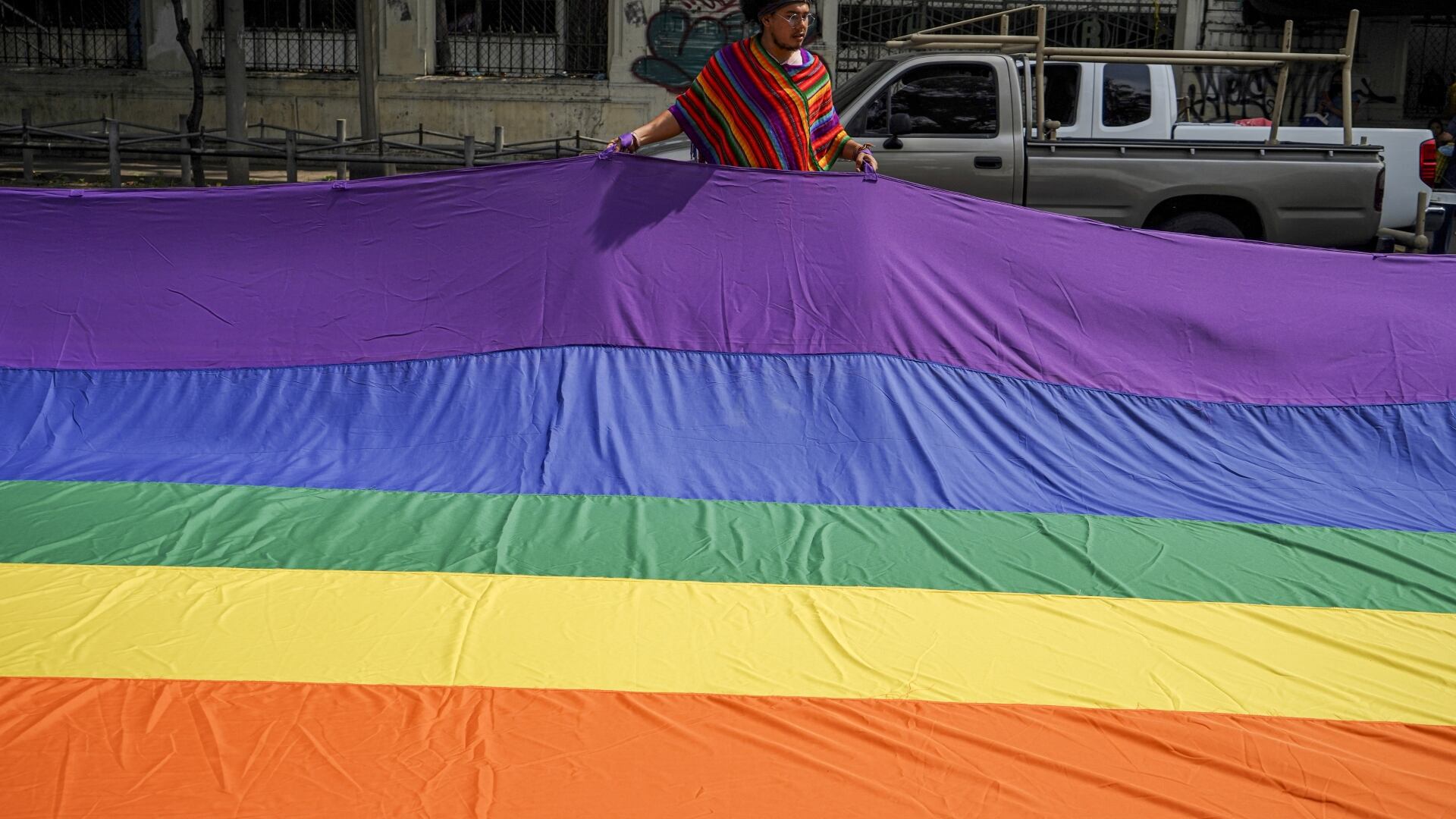
Liana Guzmán, CEO of FOLX Health, joins Cheddar News to discuss the company launching billboards across the country in response to anti-LGBTQ+ legislation.
President Biden has announced an additional $800 million in military assistance to Ukraine, including artillery, armored personnel carriers, and helicopters. It comes as Russian forces appear to be preparing for a new, aggressive offensive in the eastern part of Ukraine. Paul McLeary, defense reporter for Politico, joined Cheddar to discuss this new round of aid and what it means for the U.S. commitment to arming the embattled country.
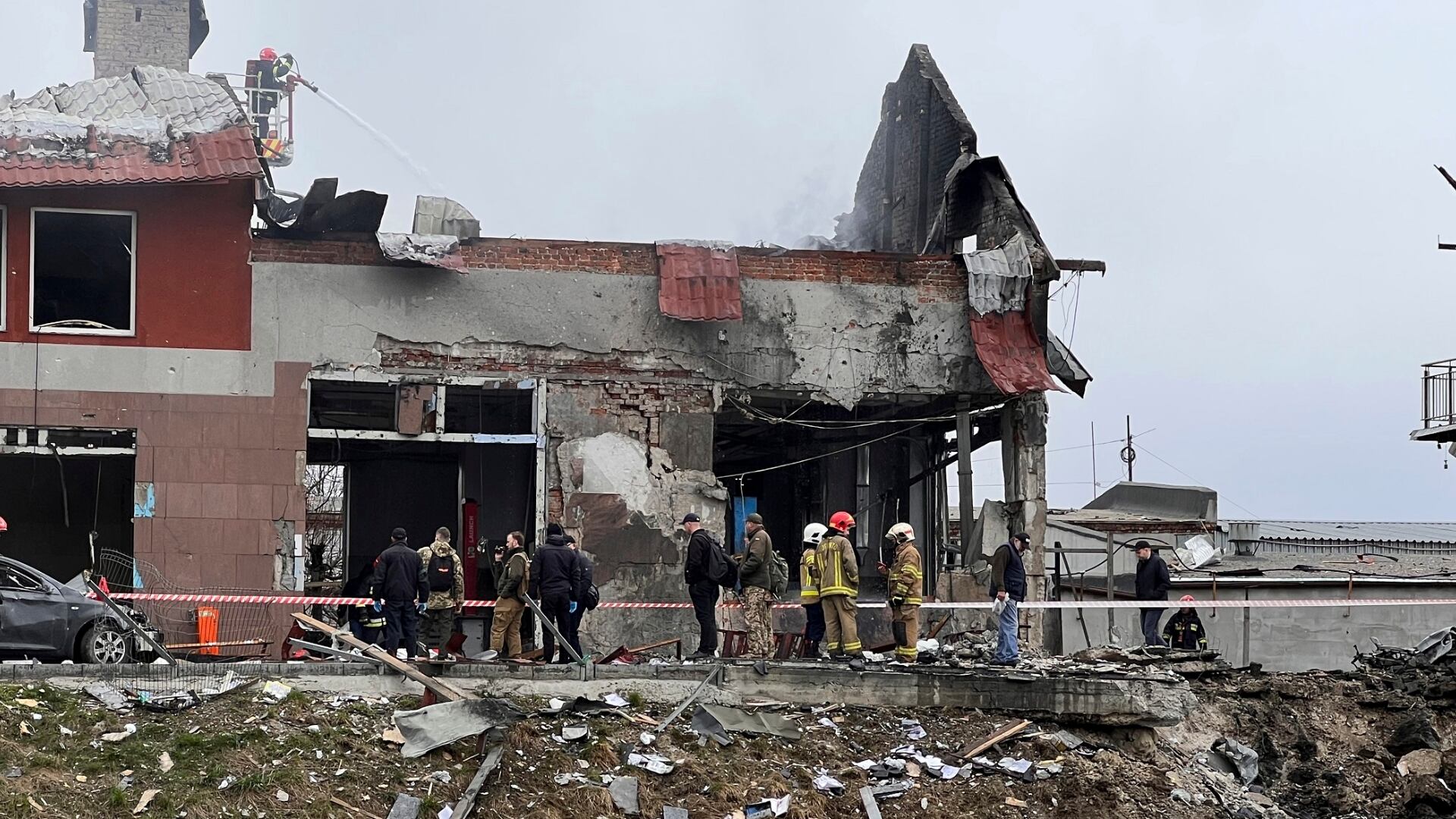
Catching you up on what you need to know on April 18, 2022, with Russian missile attacks on the Ukrainian city of Lviv killing seven, mass shootings in South Carolina and Pittsburgh, Lucky Charms cereal under official investigation by the FDA, and more.
Activism is growing around the country in response to school boards banning books from shelves that focus on sexuality, gender, identity, or race. Jen Cousins, co-founder of The Florida Freedom to Read Project, joins Cheddar News to discuss.
As the Russian invasion of Ukraine intensifies, President Biden has announced a ban on importing Russian oil, gas, and energy. To discuss how this ban will impact the war and Americans, Amir Handjani, non-resident fellow at Quincy Institute, joins Cheddar News.
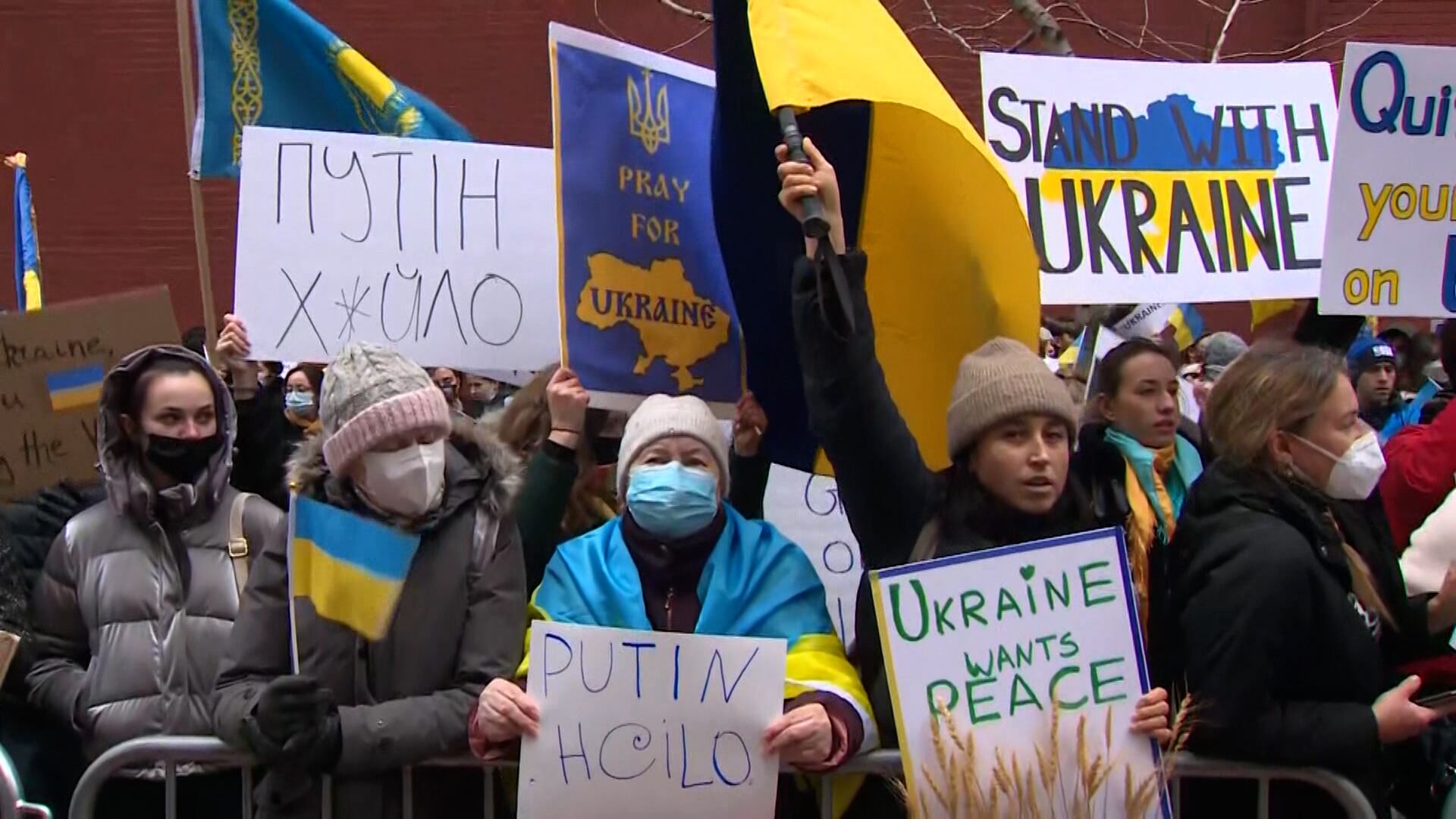
Thousands of protesters around the world are expressing their solidarity with Ukraine against Russia's invasion.
Jason Beardsley, national executive director of the Association of the U.S. Navy and national security expert, joins Cheddar News to discuss.
As gas prices surge amid the Russian invasion of Ukraine, other nations could potentially transition faster to using clean energy than previously expected. Philip K. Verleger, a senior fellow at the Niskanen Center, joined Cheddar News to explain how this could be a possibility in the near future. "Part of the reason I think we have this invasion and the tantrum that's being thrown by Russia, terrible tantrum, is because the Russians were trying to slow down the transition," he said. "Ironically they speeded it up."
Following the invasion of Ukraine, a multitude of Western companies have paused doing business with Russia. PepsiCo, Coca-Cola, McDonald's, and Starbucks are the most recent companies to temporarily cease operations in Russia. Dean of Miami Herbert Business School at the University of Miami, John Quelch, joined Cheddar News to discuss what message this sends to Russia and the Russian consumer. “I would not underestimate the collective strength of all of these multinational companies, essentially coming together to make their collective statement in support of the political statements that have come out of Washington," he said.
The war in Ukraine continues to reveal heartbreaking gut-wrenching stories. The war in itself is not only devastating but also expensive. Experts estimate that Russia is draining nearly $20 million dollars each day to continue occupying and invading Ukraine. All this could force the country to turn to cryptocurrencies. It's a major turn for the country that briefly considered outlined digital assets entirely, but it could also have serious implications for cryptos. Managing Director at Quantum Fintech Group, Harry Yeh, joined Cheddar to discuss more.