A report from the Department of Energy on the origins of COVID-19 has agencies divided about its findings.
A classified intelligence report from the Energy Department alleges, with low confidence, that the virus likely leaked from a lab in China — a theory that was raised during the early days of the pandemic. How the agency went about drawing that conclusion has not been revealed to the public but is reportedly based on new information.
The story was first reported by the Wall Street Journal.
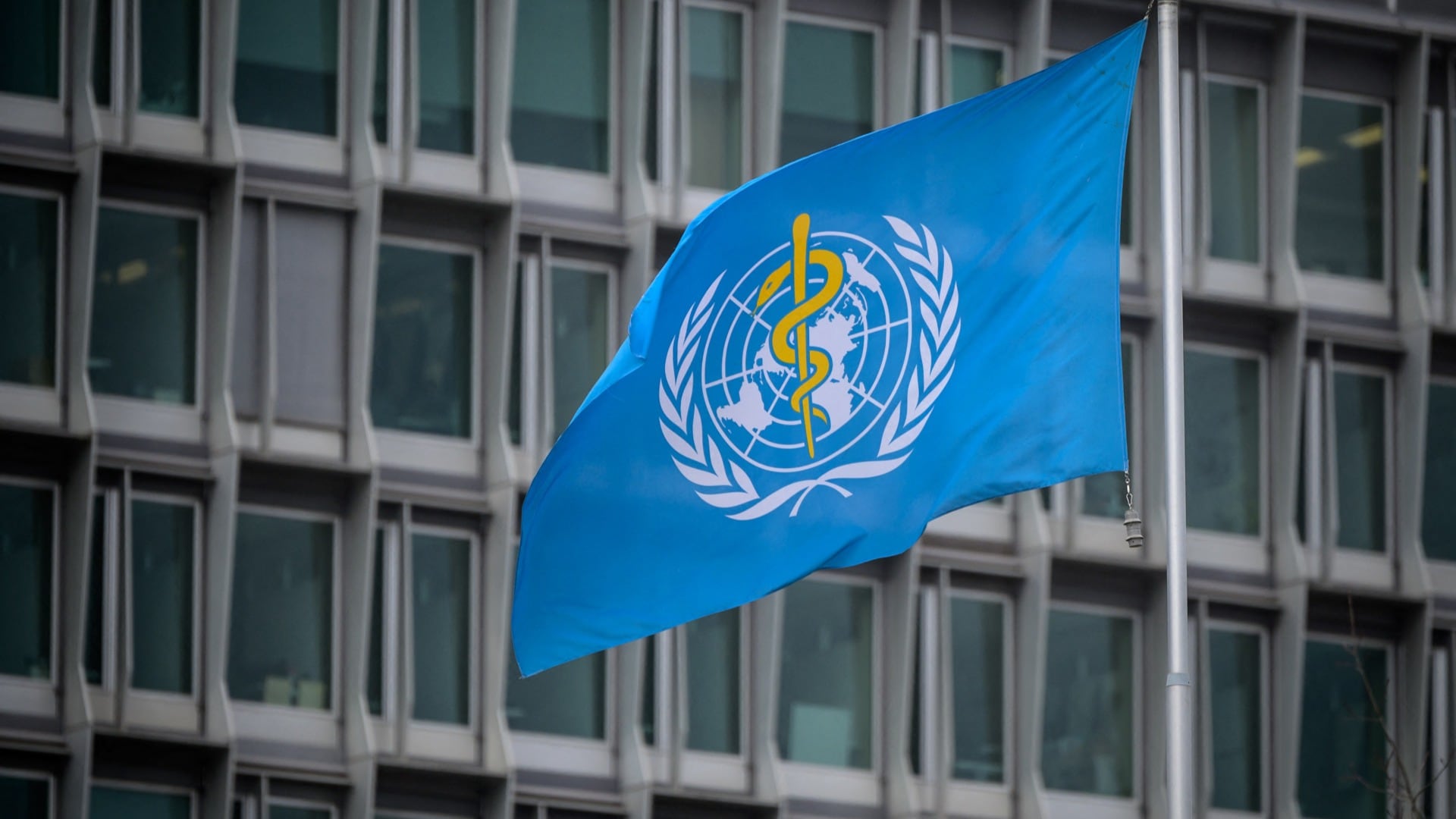
Meanwhile, a World Health Organization's investigation is ongoing, but the organization said that as more time passes, coupled with complications in completing studies in China, that it will be more difficult to pinpoint the exact origin of the virus.
In light of the report, the White House national security adviser, Jake Sullivan, told CNN that the Department of Energy's findings offer "no definitive answer" about the origins of COVID.
"There is a variety of views in the intelligence community. Some elements in the intelligence community have reached conclusions on one side, some on the other. A number of them have just said they don't have enough information to be sure," he said.
China's foreign ministry spokesperson Mao Ning has dismissed the allegations altogether and said, "The origins tracing of SARS-CoV-2 is about science and should not be politicized."
"Certain parties should stop rehashing the 'lab leak' narrative, stop smearing China and stop politicizing origins-tracing," Ning added.
The FBI drew a similar conclusion in 2021, but the CIA is among the U.S. intelligence agencies that have not reached a conclusion.