A report from the Department of Energy on the origins of COVID-19 has agencies divided about its findings.
A classified intelligence report from the Energy Department alleges, with low confidence, that the virus likely leaked from a lab in China — a theory that was raised during the early days of the pandemic. How the agency went about drawing that conclusion has not been revealed to the public but is reportedly based on new information.
The story was first reported by the Wall Street Journal.
Meanwhile, a World Health Organization's investigation is ongoing, but the organization said that as more time passes, coupled with complications in completing studies in China, that it will be more difficult to pinpoint the exact origin of the virus.
In light of the report, the White House national security adviser, Jake Sullivan, told CNN that the Department of Energy's findings offer "no definitive answer" about the origins of COVID.
"There is a variety of views in the intelligence community. Some elements in the intelligence community have reached conclusions on one side, some on the other. A number of them have just said they don't have enough information to be sure," he said.
China's foreign ministry spokesperson Mao Ning has dismissed the allegations altogether and said, "The origins tracing of SARS-CoV-2 is about science and should not be politicized."
"Certain parties should stop rehashing the 'lab leak' narrative, stop smearing China and stop politicizing origins-tracing," Ning added.
The FBI drew a similar conclusion in 2021, but the CIA is among the U.S. intelligence agencies that have not reached a conclusion.
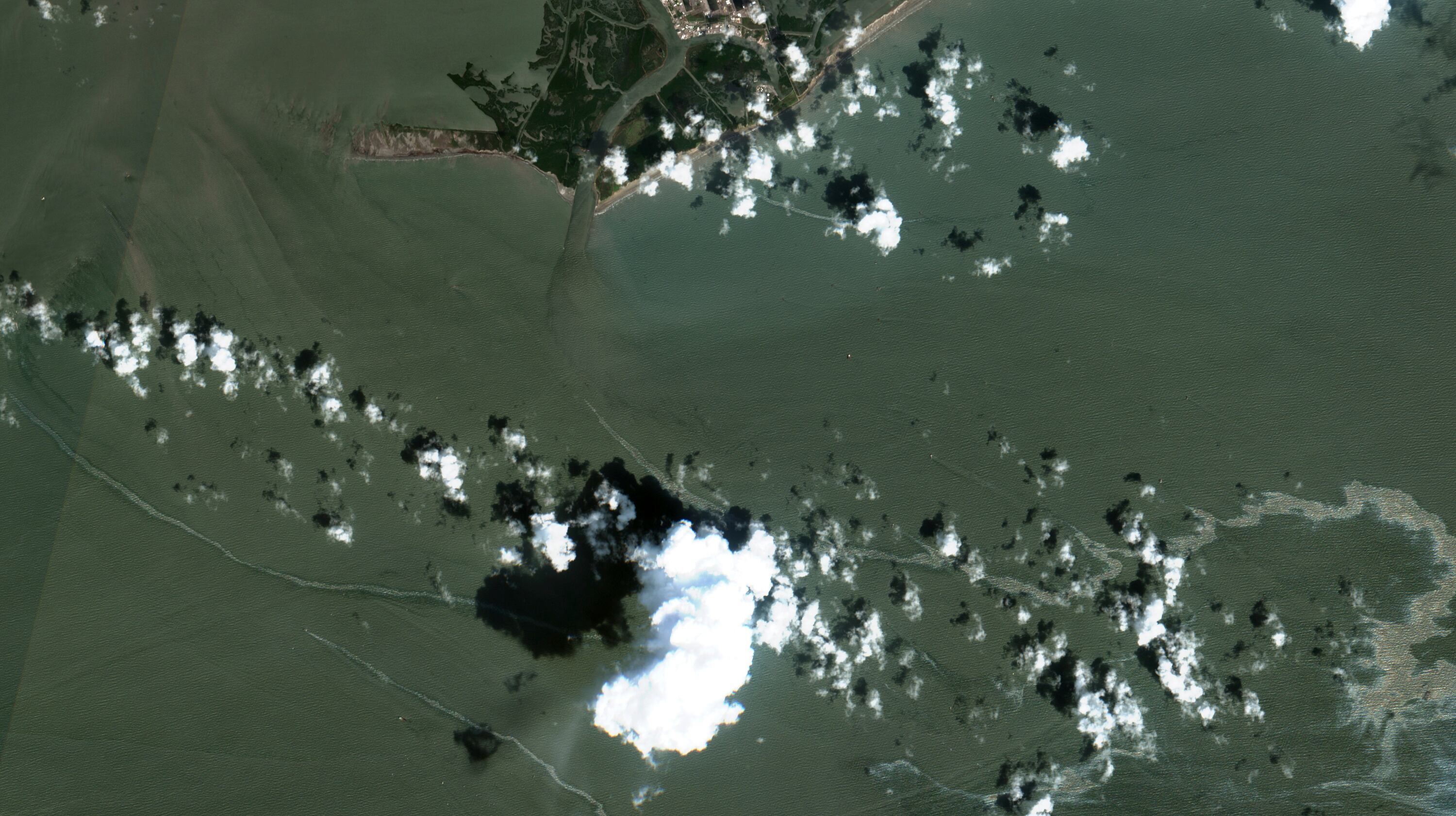
The company overseeing the response to a large oil spill spurred by Hurricane Ida said Tuesday that a containment dome has been placed over a broken undersea pipeline, stemming the flow into the Gulf of Mexico.
Gain-of-Function, Mexico Abortion Stunner & Album Wars
Cheddar asked its Gen Z and Millennial-aged Facebook and Instagram users about several topics including how they use social media, buying cryptocurrency, and the future job market.
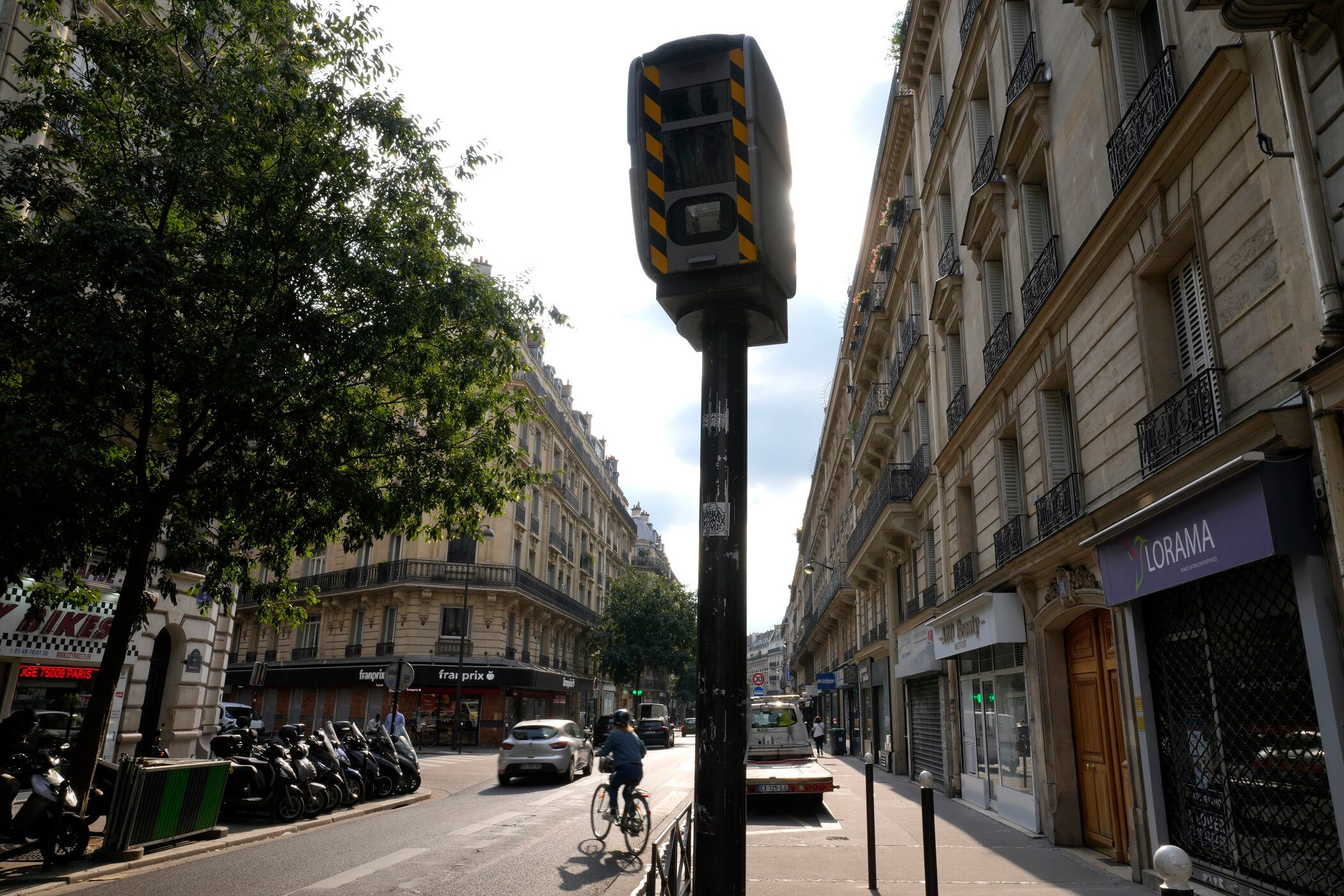
The speed limit for most of Paris is now 30 kilometers per hour (less than 19 miles per hour). The new rule takes effect Monday almost everywhere in the city except for a few wide avenues like the Champs-Elysees and the bypass circling the capital.
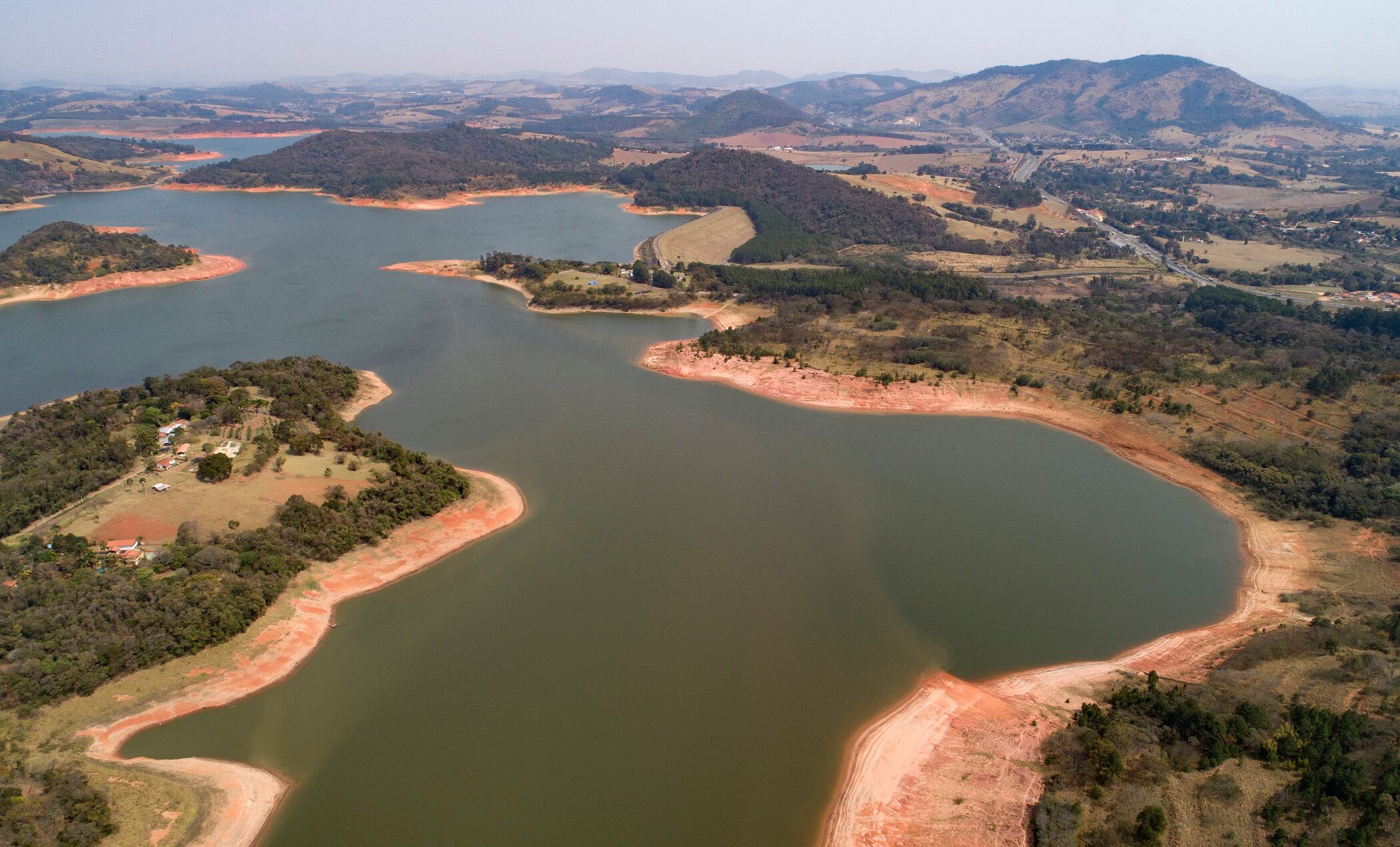
Brazil, the country with the most freshwater resources in the world, has lost 15% of its surface water over the last three decades.
A SpaceX shipment of ants, avocados, and a human-sized robotic arm is on its way to the International Space Station.
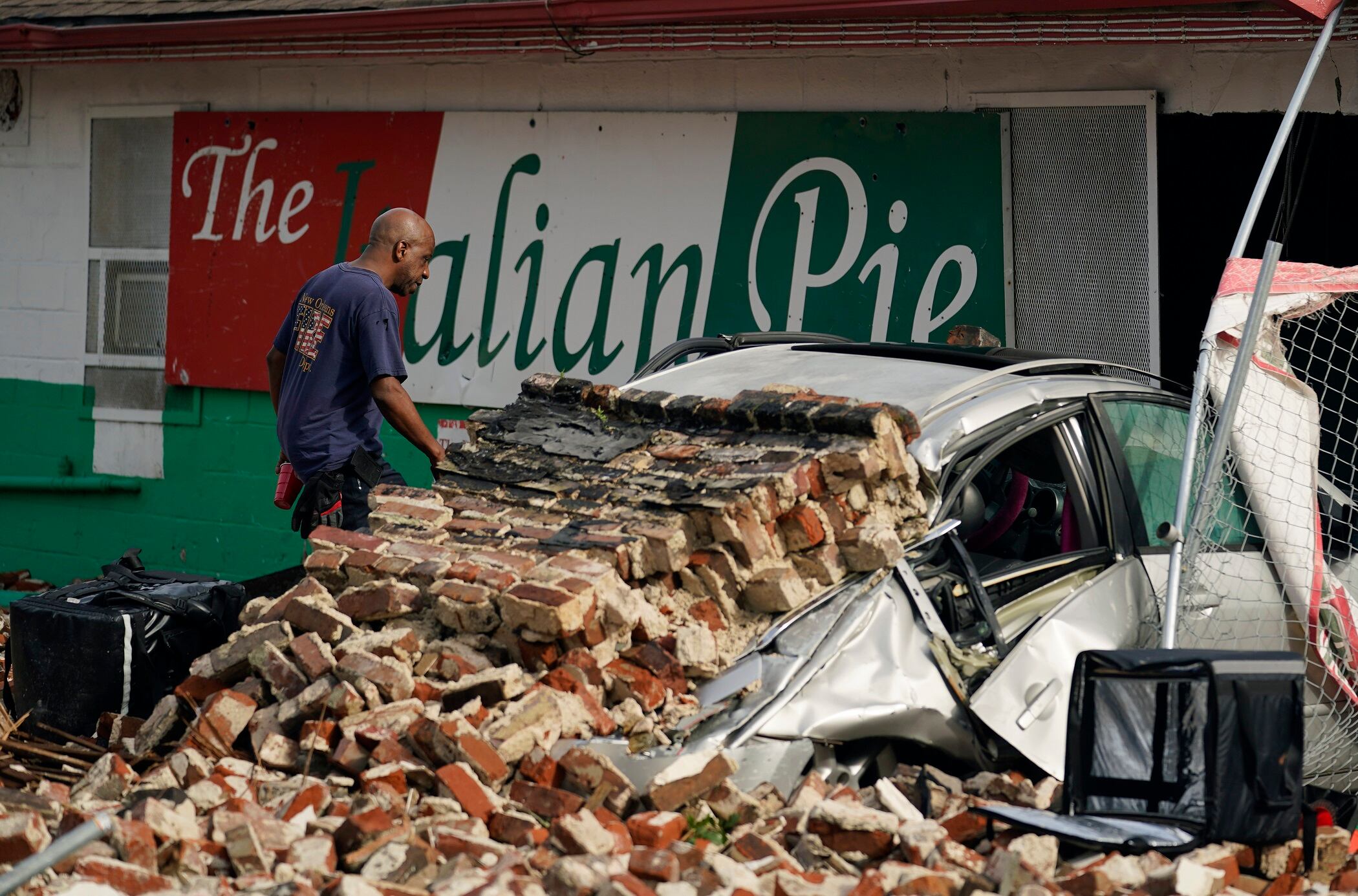
A fearsome Hurricane Ida has left scores of coastal Louisiana residents trapped by floodwaters and pleading to be rescued, while making a shambles of the electrical grid across a wide swath of the state in the sweltering, late-summer heat.
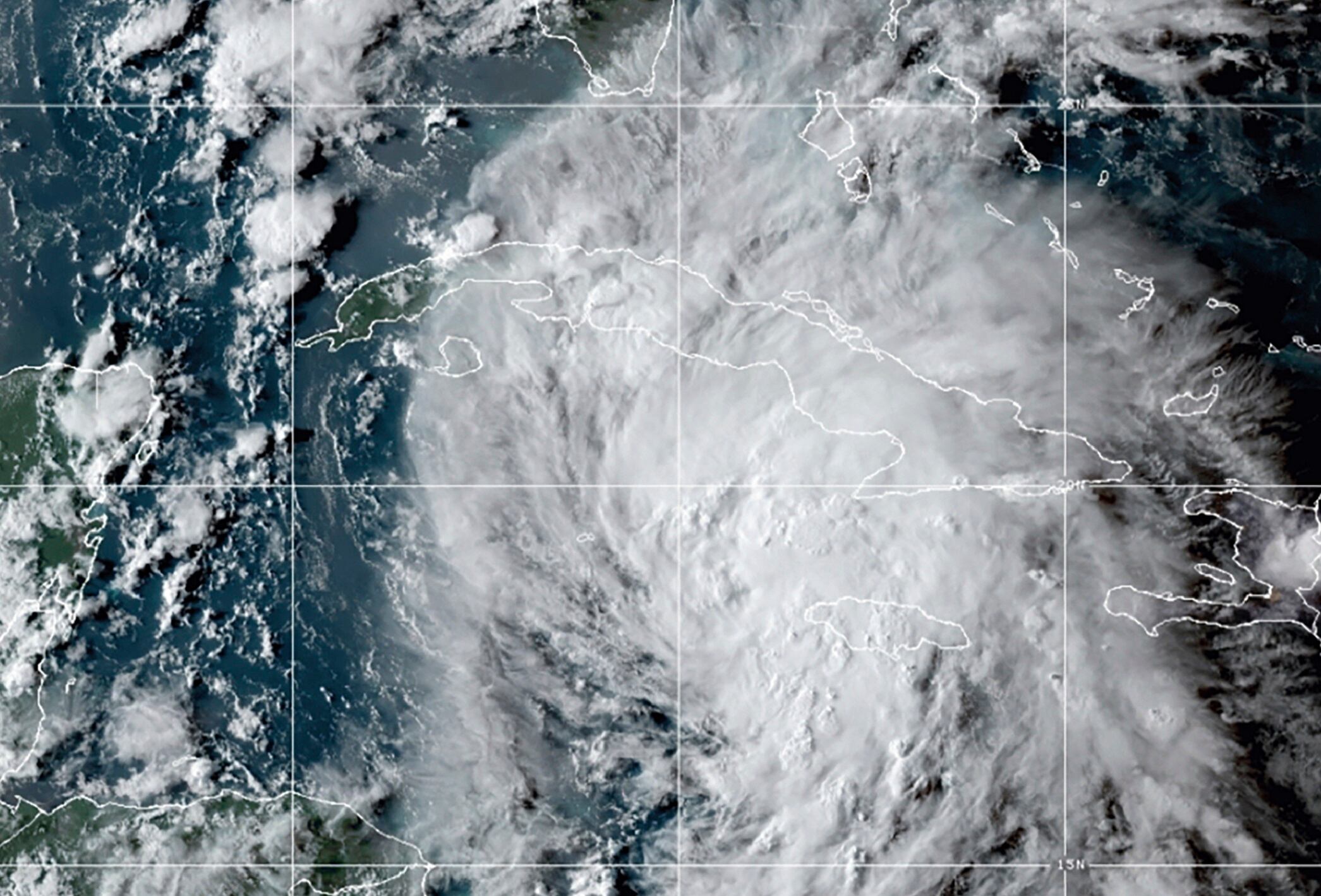
New Orleans Mayor Latoya Cantrell has ordered people outside the city’s levee protection system to evacuate. Forecasters say Ida made landfall in Cuba as a hurricane and could grow to an extremely dangerous Category 4 storm with top winds of 140 mph when it nears the U.S. coast.
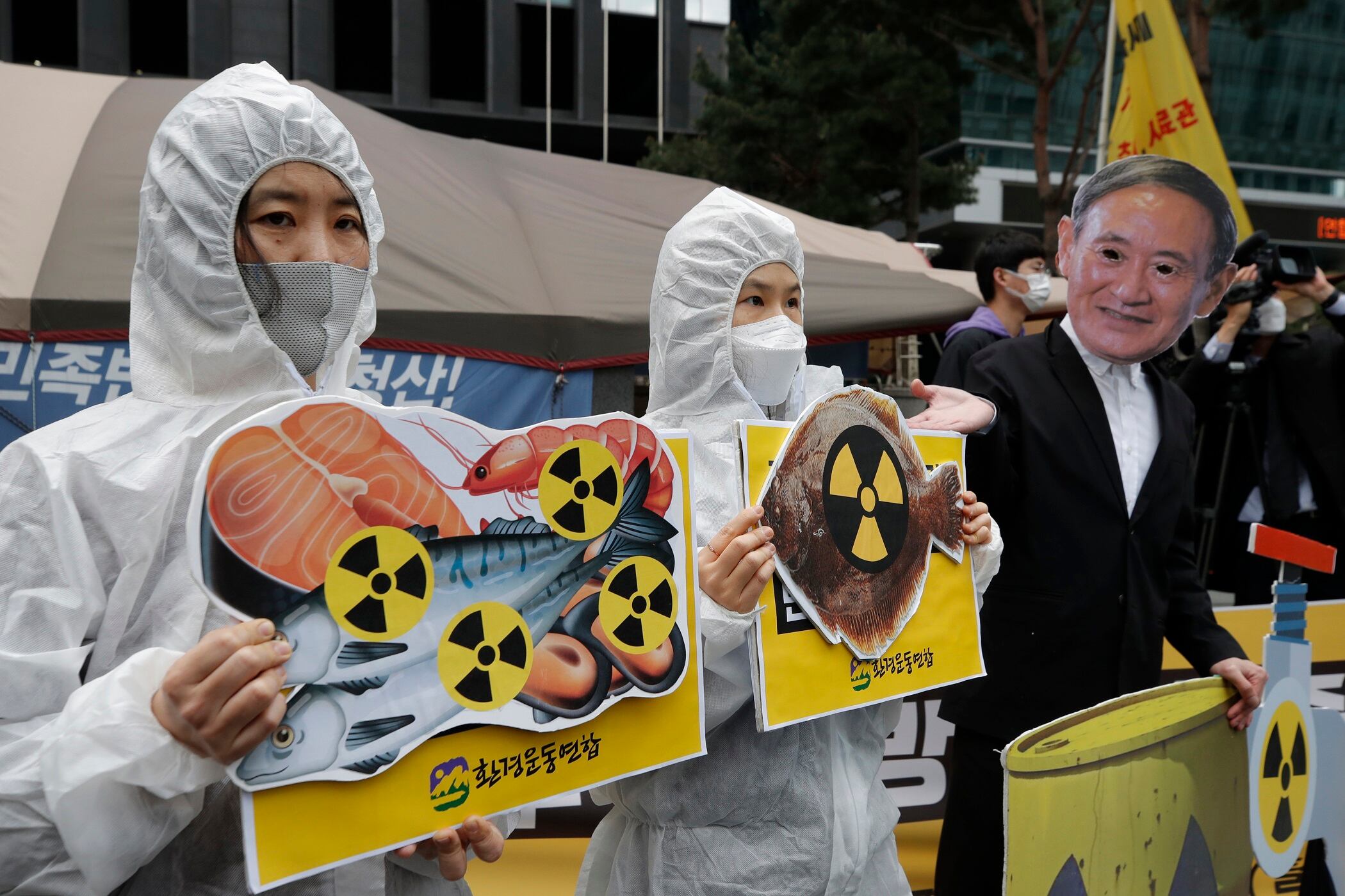
The operator of the wrecked Fukushima nuclear power plant says it plans to build an undersea tunnel so that massive amounts of treated but still radioactive water can be released into the ocean about 1 kilometer (0.6 mile) away from the plant to avoid interference with local fishing.
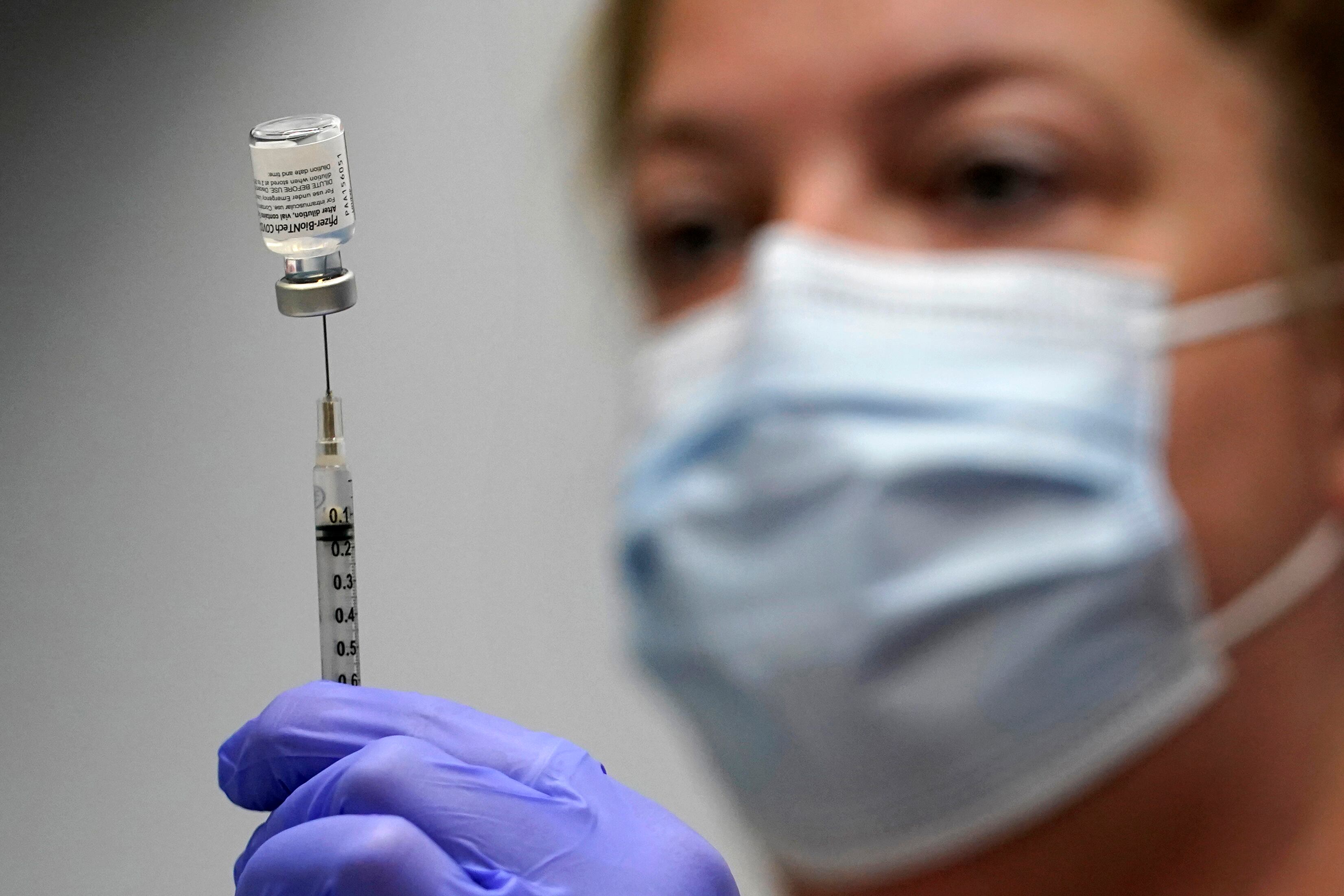
The U.S. gave full approval to Pfizer's COVID-19 vaccine on Monday, a milestone that may help lift public confidence in the shots as the nation battles the most contagious coronavirus mutant yet.