Harvard University's Edmond J. Center for Ethics has launched a research initiative to help answer the question looming on most people's minds: when will the coronavirus quarantines end?
Danielle Allen, director of the center, told Cheddar that ending quarantine will require a robust social effort involving potentially thousands of workers and brand new technology solutions.
In the past, best practices for a quarantine order included setting a deadline to protect individual rights and set expectations, but COVID-19 presented too many unknown variables for lawmakers to come out of the gate with a set date for letting people return to normal.
"It was absolutely reasonable in this case that people issued orders with indefinite duration," Allen said. "This disease is so new and has so many distinctive features that it has been very hard for people to completely master its shape, its parameters. We did sort of need that blunt instrument."
But more than a month since the first stay-at-home orders went into effect, there is widespread demand for more information about when to expect state and local quarantine orders to end.
"It's going to take massively scaling up testing, tracing, and supportive isolation," Allen said.
Testing is perhaps the most widely understood post-quarantine measure, but it's also one of the most logistically complicated. Governors are currently making the case that heavy federal support will be necessary to produce the supply of tests needed to cover the entire U.S.
Tracing presents challenges as well, but there are a number of available options to pull it off.
"Contact tracing is one of the oldest and most important tools in the public health toolkit," Allen said.
The old-fashioned way to handle tracing is to do it manually. Individual investigators interview positive cases about where they've been and who they've been in contact with over the last two weeks.
"Can you actually achieve that with people, with person power doing all that contact tracing, or do also you need tech support?" Allen said. "Right now, I think the jury is out."
She pointed to a proposal from Johns Hopkins University recommending that the federal government invest in 100,000 paid or volunteer contact tracers to spread out across the country.
On the technology side, Allen highlighted Bluetooth-based apps that would help you track interactions for rolling two-week periods. That way, if someone comes up positive, the people they contacted could be warned.
Lastly, shifting to supportive isolation would be a step down from current stay-at-home orders.
"[Supportive isolation] is when you're infected and then you stay home, but it means people who aren't infected don't have to stay home," she said.
John Petrides, Portfolio Manager at Tocqueville Asset Management, joins Cheddar News' Closing Bell, where he breaks down Monday's market activity amid the emergence of the omicron variant, and what it could mean for the Fed's timeline when it comes to raising rates and tapering pandemic aid.
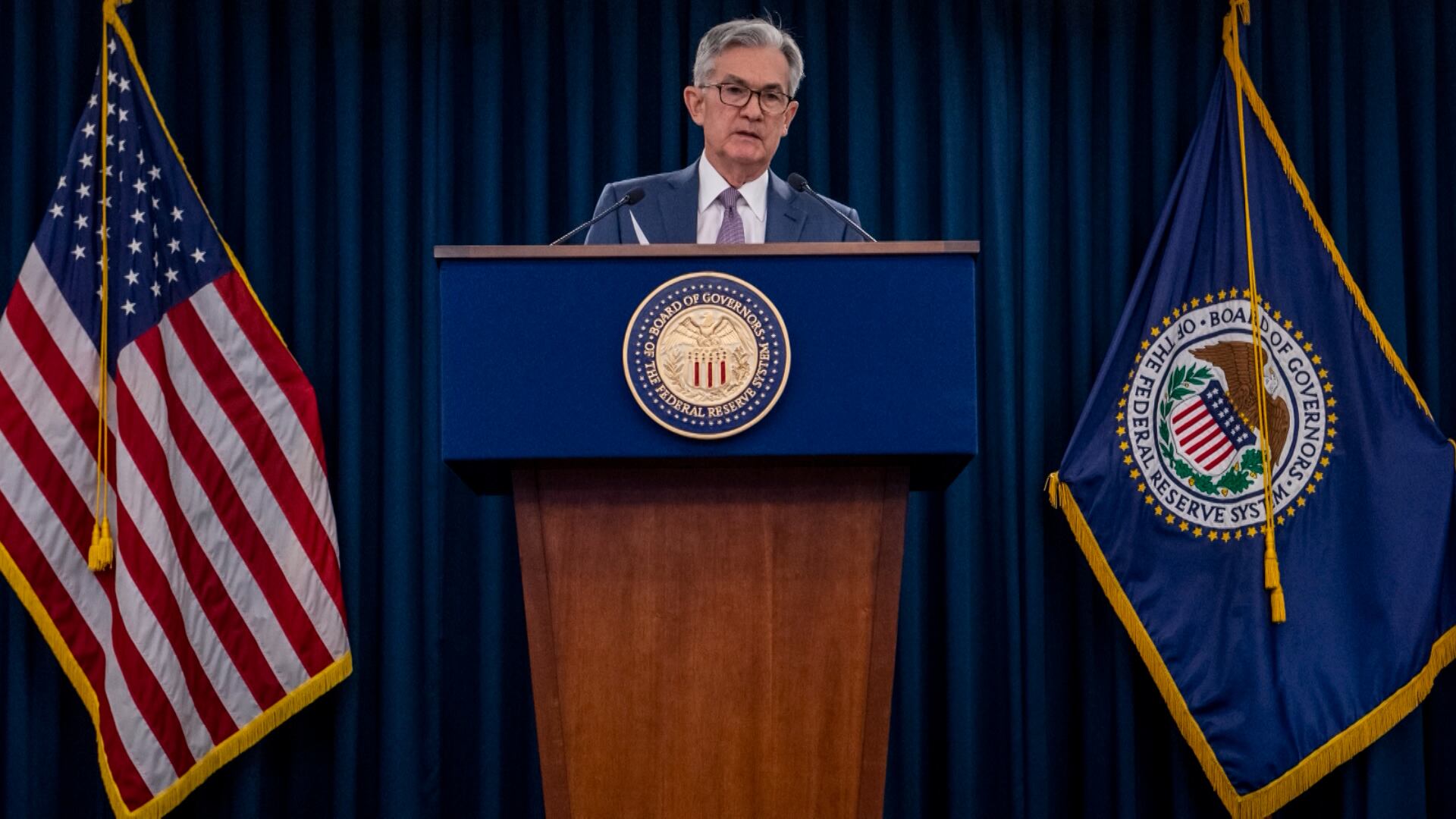
Earlier in the week, we saw President Biden nominate Jerome Powell to serve as Fed chair for another four-year term in the midst of the country’s struggles with covid, inflation, and supply unrest. Claudia Sahm, senior fellow at the Jain Family Institute and former Federal Reserve and White House economist explains why the markets saw a boost following the nomination.
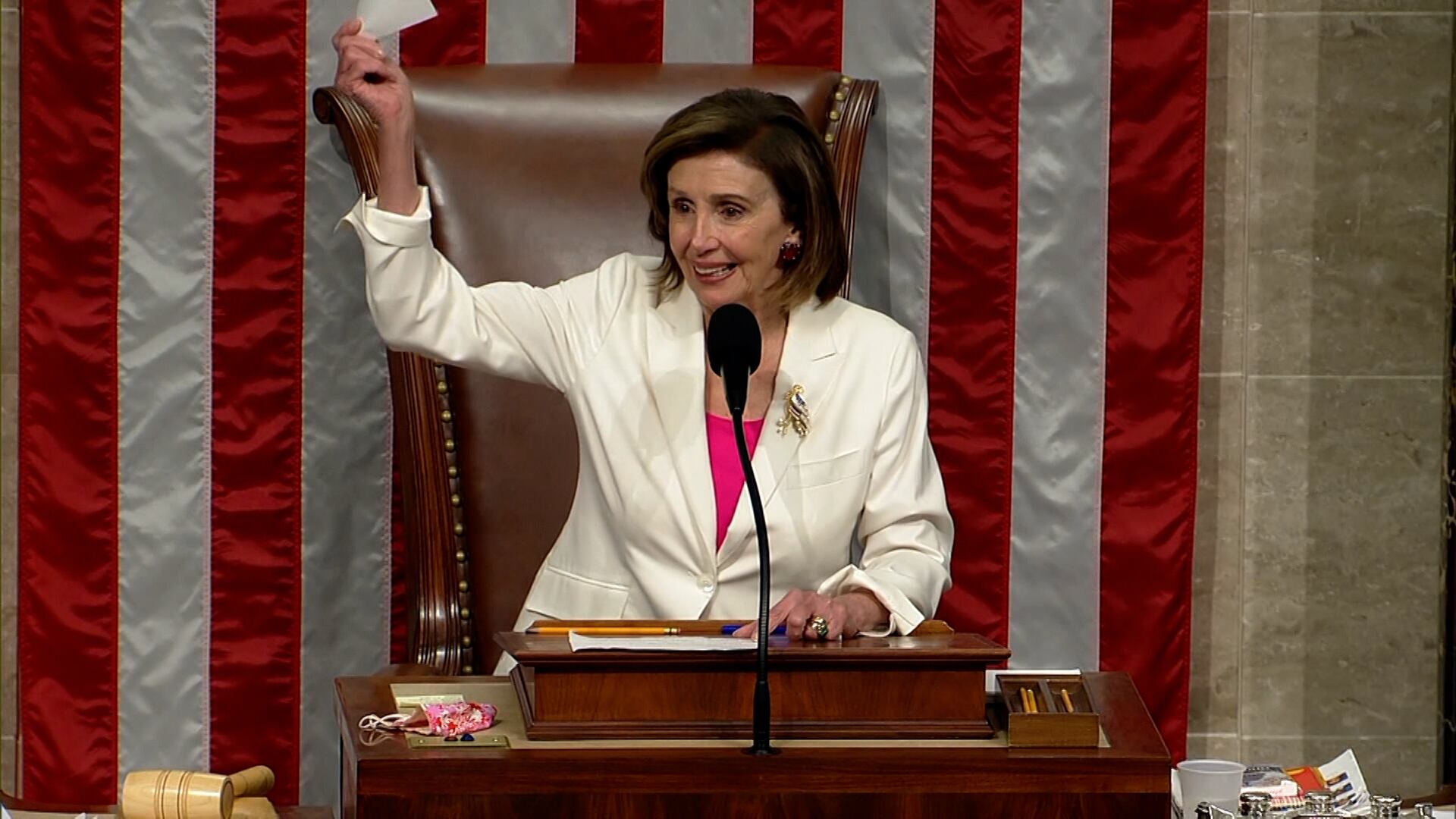
House Democrats saw a big win on Friday when President Biden's trillion dollar Build Back Better social spending bill was passed but now the question is - can the bill hold up in the senate as it faces possible ongoing scrutiny from not only Republicans, but also some Democrats. Julia Manchester, reporter at The Hill, explains whether or not the bill will make it to President Biden's desk by Christmas.
Jamil Jaffer, Founder and Executive Director of the National Security Institute, joined Cheddar to discuss the concern surrounding Chinese tennis star Peng Shuai's disappearance following a social media post accusing a former high-ranking Chinese official of sexual assault.
Just hours before the scheduled execution of inmate Julius Jones, the Governor of Oklahoma Kevin Stit has now granted commuted his sentence to life in prison without the possibility of parole. Several advocates along with a number of celebrities have been fighting to stop the execution. Defense Attorney and Police Director Erin Haney, joined Cheddar to discuss more.
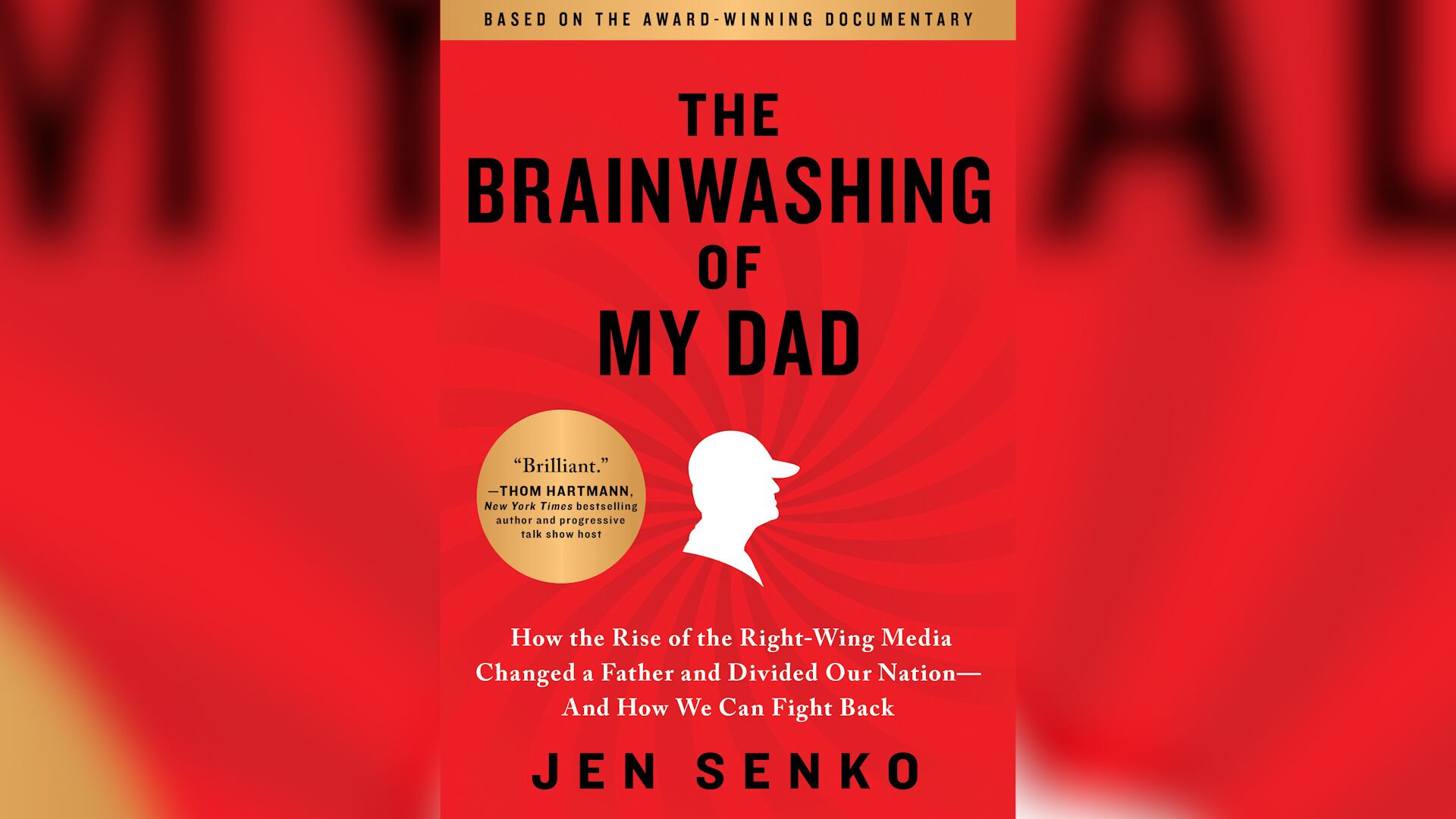
The book 'The Brainwashing of My Dad' examines how the rise of right-wing media changed a father and impacted the nation. Author of the book, Jen Senko, joins Cheddar News to discuss the history and future of conservative media.
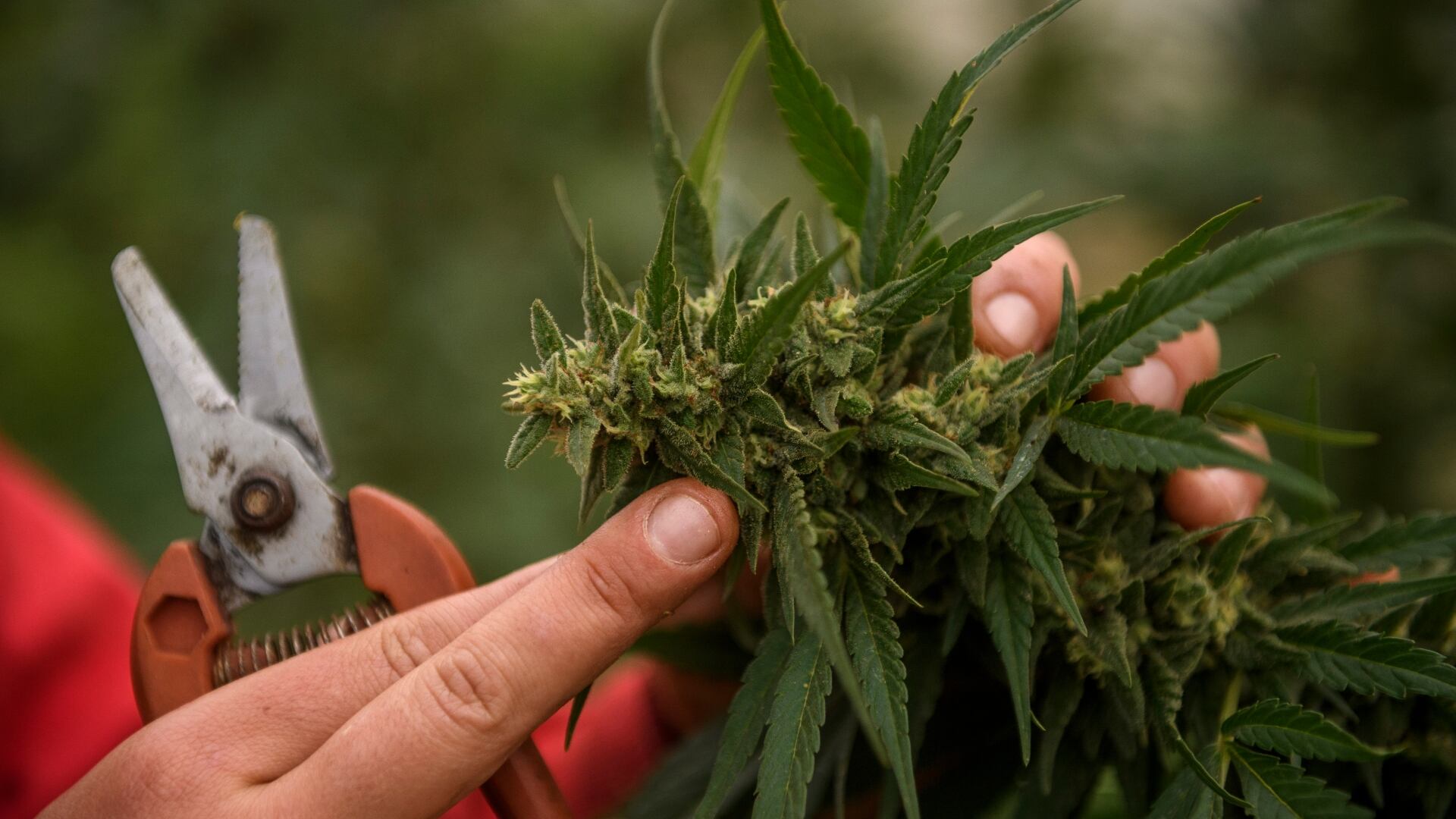
Natalie Fertig, Federal Cannabis Policy Reporter for Politico Pro, joined Cheddar to discuss the shift among republicans to support federally legalizing marijuana.
The House has officially passed the $1.75 trillion social policy and climate big. This new bill is expected to bring some huge investments into working towards fighting climate change. U.S. President of We Don't Have Time, Sweta Chakraborty, joined Cheddar to discuss more.
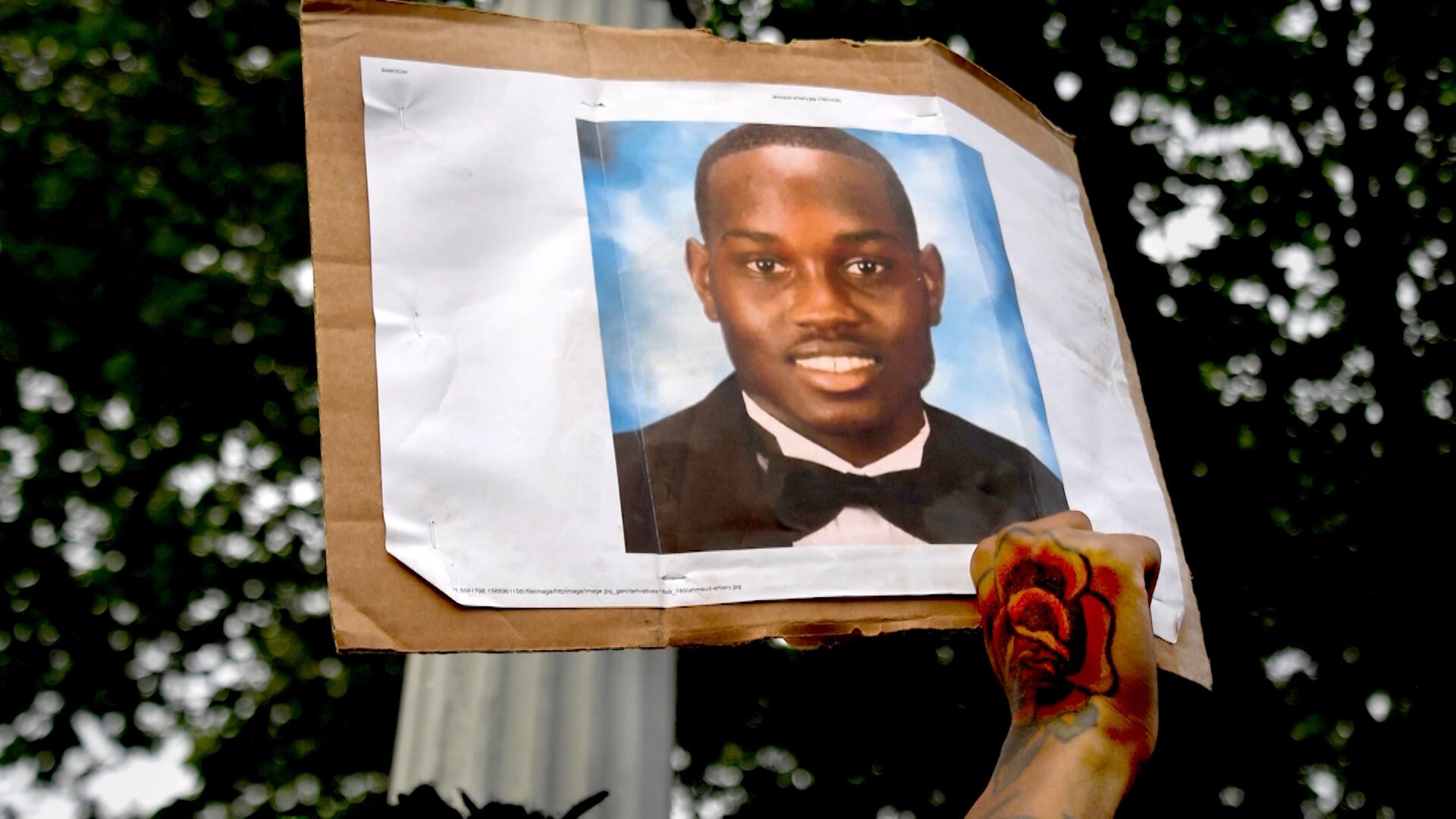
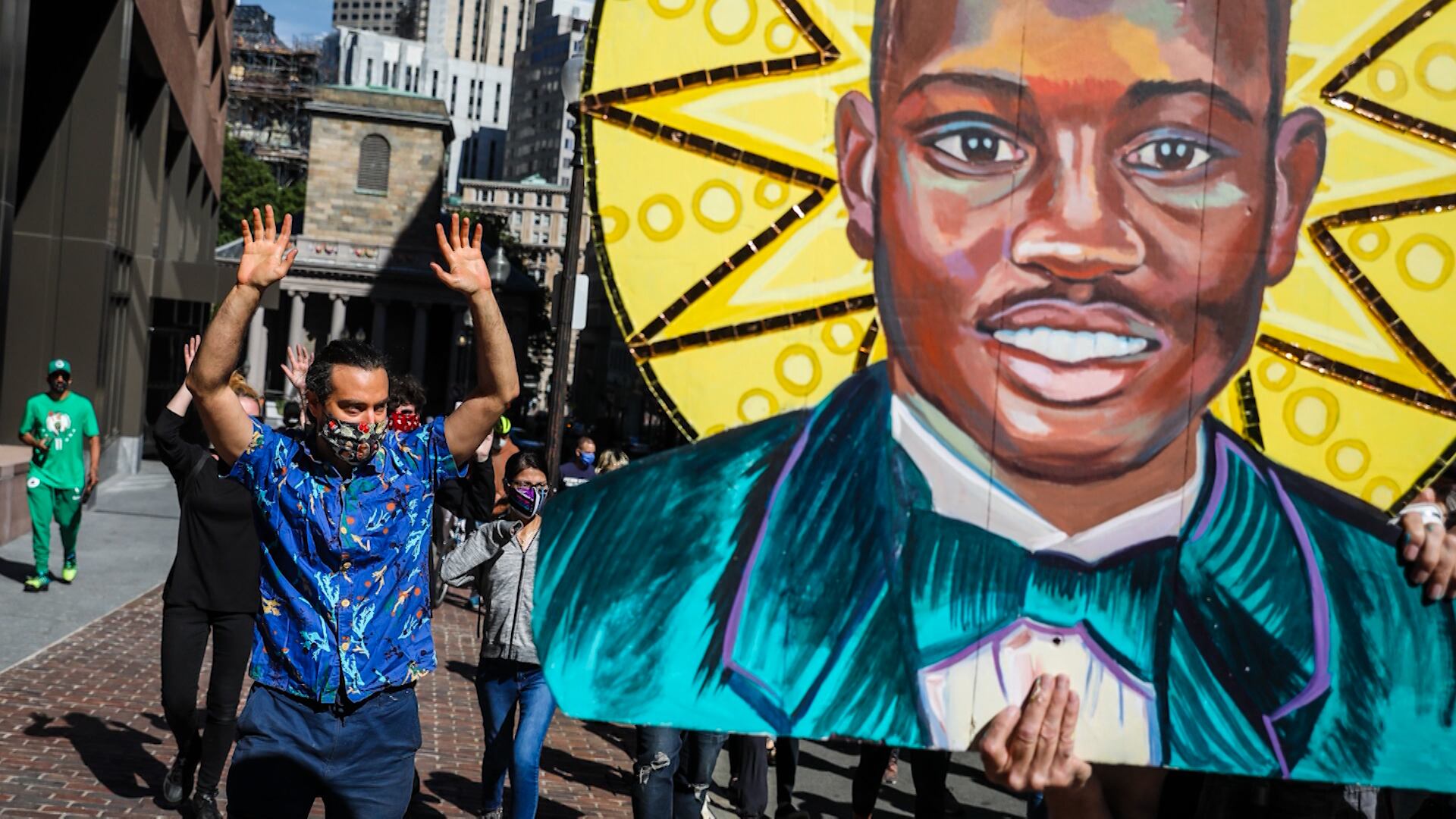
Guilty verdicts have been handed down to the three men charged with killing Ahmaud Arbery. Arbery was out for a jog in February 2020 when Travis McMichael, William "Roddie" Bryan, and Gregory McMichael chased him down and killed him. The judge read the verdicts for each of the three men aloud, starting with the man who pulled the trigger, Travis McMichael. Kirk Burkhalter, professor at New York Law School joins Cheddar News to recap the trial.
All three defendants in the Ahmaud Arbery killing were found guilty today on numerous charges including felony murder. Criminal Defense Attorney Anthony Hall joined Cheddar to discuss.