Harvard University's Edmond J. Center for Ethics has launched a research initiative to help answer the question looming on most people's minds: when will the coronavirus quarantines end?
Danielle Allen, director of the center, told Cheddar that ending quarantine will require a robust social effort involving potentially thousands of workers and brand new technology solutions.
In the past, best practices for a quarantine order included setting a deadline to protect individual rights and set expectations, but COVID-19 presented too many unknown variables for lawmakers to come out of the gate with a set date for letting people return to normal.
"It was absolutely reasonable in this case that people issued orders with indefinite duration," Allen said. "This disease is so new and has so many distinctive features that it has been very hard for people to completely master its shape, its parameters. We did sort of need that blunt instrument."
But more than a month since the first stay-at-home orders went into effect, there is widespread demand for more information about when to expect state and local quarantine orders to end.
"It's going to take massively scaling up testing, tracing, and supportive isolation," Allen said.
Testing is perhaps the most widely understood post-quarantine measure, but it's also one of the most logistically complicated. Governors are currently making the case that heavy federal support will be necessary to produce the supply of tests needed to cover the entire U.S.
Tracing presents challenges as well, but there are a number of available options to pull it off.
"Contact tracing is one of the oldest and most important tools in the public health toolkit," Allen said.
The old-fashioned way to handle tracing is to do it manually. Individual investigators interview positive cases about where they've been and who they've been in contact with over the last two weeks.
"Can you actually achieve that with people, with person power doing all that contact tracing, or do also you need tech support?" Allen said. "Right now, I think the jury is out."
She pointed to a proposal from Johns Hopkins University recommending that the federal government invest in 100,000 paid or volunteer contact tracers to spread out across the country.
On the technology side, Allen highlighted Bluetooth-based apps that would help you track interactions for rolling two-week periods. That way, if someone comes up positive, the people they contacted could be warned.
Lastly, shifting to supportive isolation would be a step down from current stay-at-home orders.
"[Supportive isolation] is when you're infected and then you stay home, but it means people who aren't infected don't have to stay home," she said.
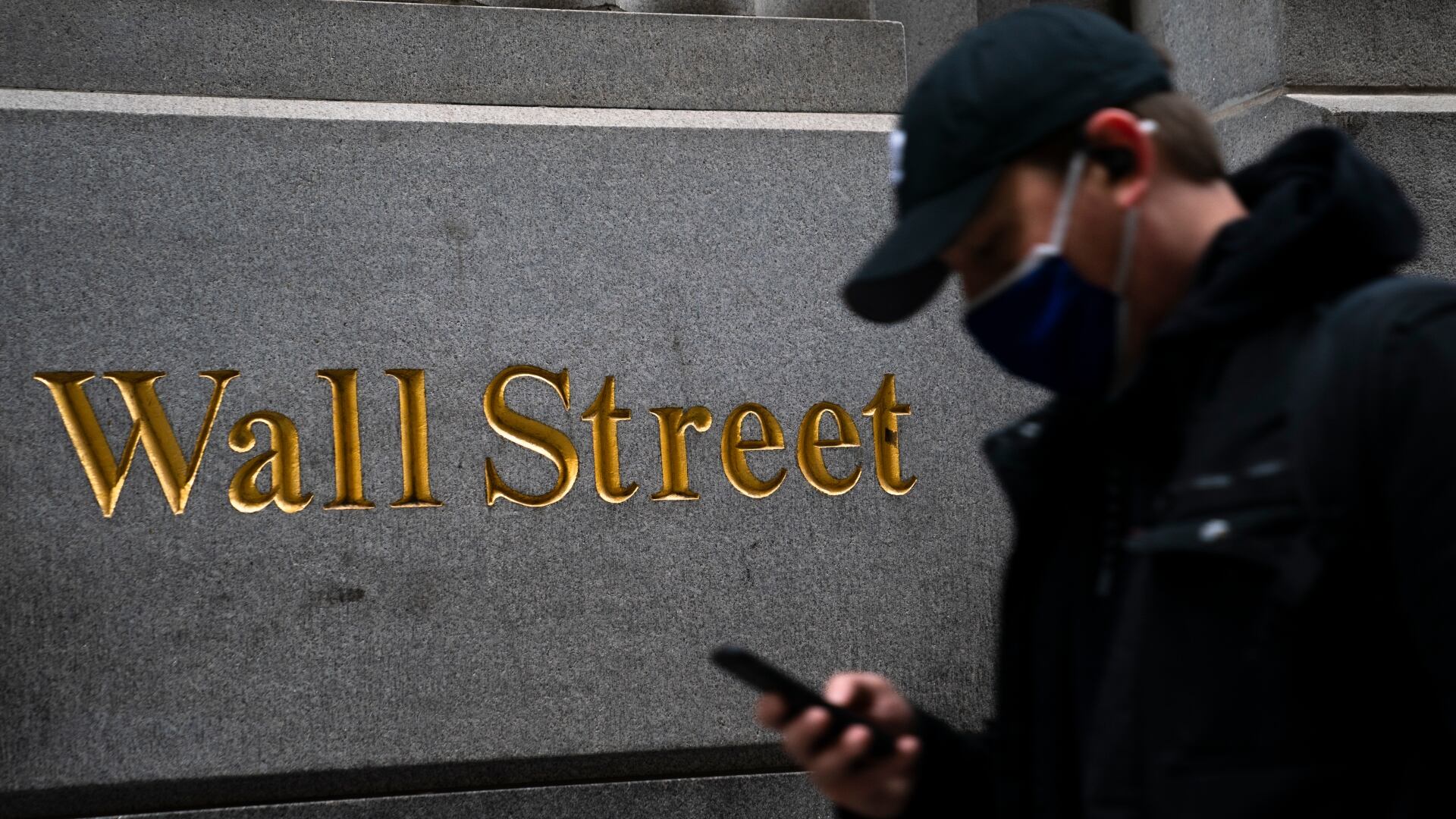
Markets opened slightly higher to kick off the final trading week of the year as investors continue to watch the Omicron variant in the U.S. Sean O'Hara, President, Pacer ETFs joined Cheddar's Opening Bell to discuss what drove early market activity.
Carlo and Baker kick off the weirdest week of the year with all the news you missed over the holiday weekend, including calls for the CDC to shorten its isolation window as Omicron sweeps through the country.
Former professional tennis player Patrick McEnroe joined Cheddar to discuss the troubling issues surrounding player Peng Shuai who appeared potentially to have been silenced following her social media post accusing former Vice-Premier Zhang Gaoli of sexual assault. Shuai's subsequent disappearance, reappearance, and apparent retraction of the accusation in an interview only added to worries. "When this happened, all of us in the tennis community were very concerned. And, by the way, another thing Peng said in this interview was that she doesn't speak very good English," McEnroe noted. "Well I can assure you, she speaks darn good English, 'cause I spoke to her on many occasions over the last 15 years."
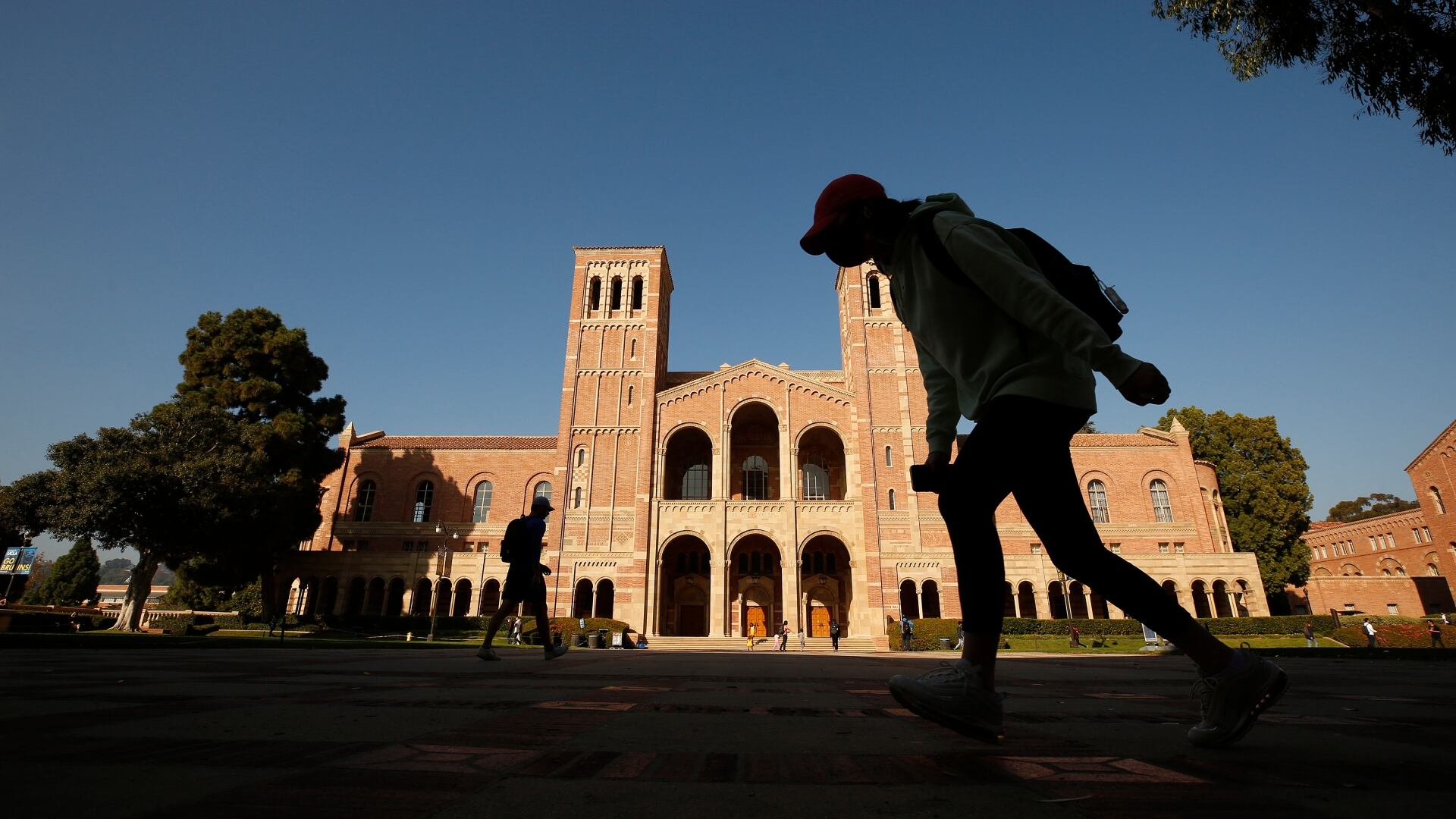
Universities like UCLA, Yale, and Duke have announced they're implementing remote learning amid the COVID omicron variant surge, despite President Biden recommending that K-12 schools should continue in-person education. Jared C. Bass, senior director for Higher Education at American Progress, joined Cheddar to break down what institutions of higher education might be considering differently. "I think some universities are allowing periods of a bit of a respite to allow students to get testing and make sure when they do return back to campus that they're healthy," he noted.
The S&P closed at a record at the major markets ended Thursday's session higher for a third straight day. Adam Coons, Portfolio Manager at Winthrop Capital Management, joins Cheddar News' Closing Bell, where he discusses what has investors feeling jolly before Christmas, and gifts investors with winning buying opportunities entering 2022.
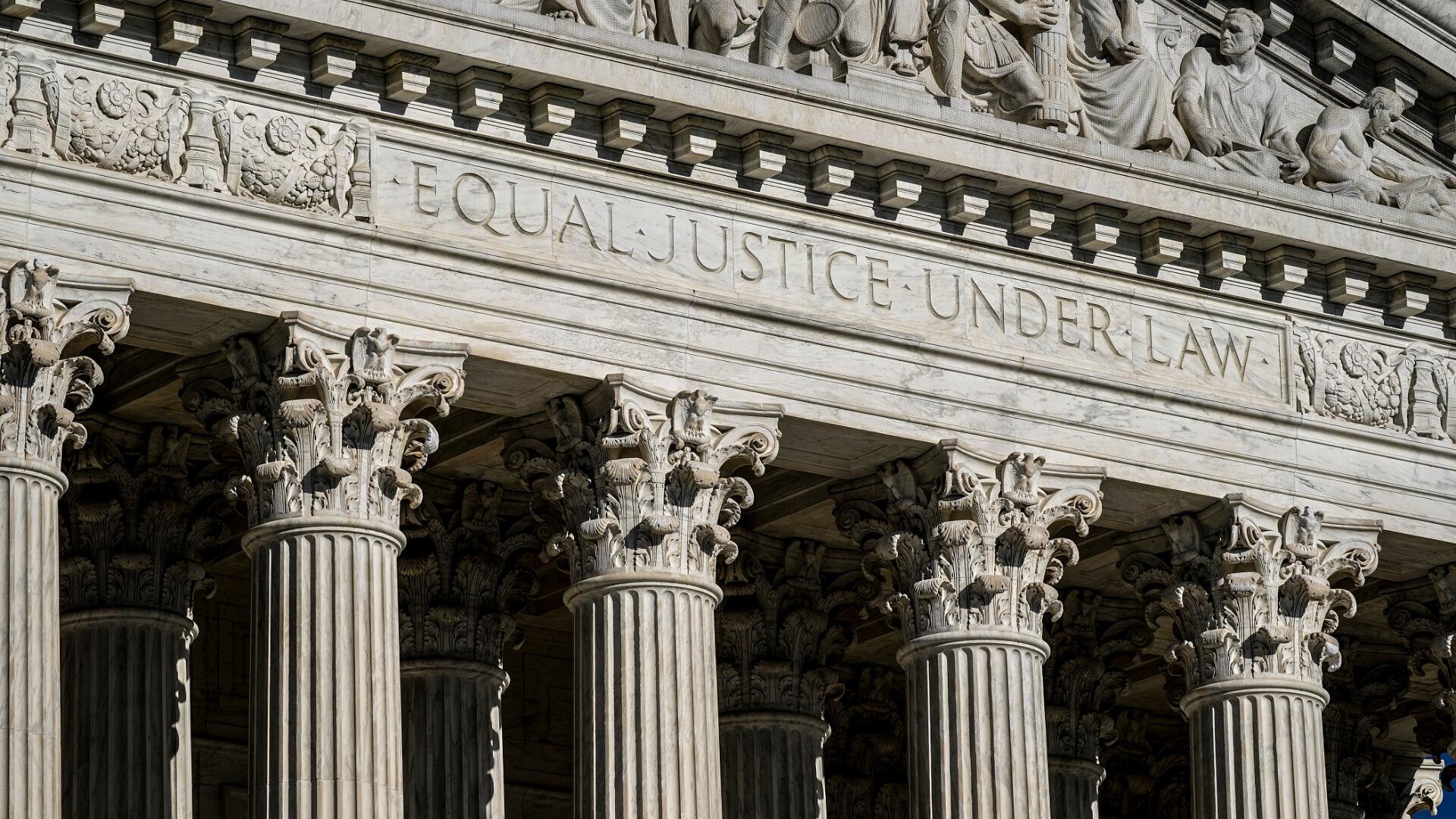
The Supreme Court will hear arguments on President Joe Biden's vaccine mandates for large companies and health care workers on January 7, 2022. The mandates will remain in place until then.
Carlo and Baker cover the heartening news on the Covid front ahead of the holiday, plus President Biden punting student loan repayments again, a new space telescope and Love, Hate, Ate: Christmas Eve Eve Edition!
This year's worldwide semiconductor shortage limited the supply of everything from new cars to smartphones; and now, many in the chip industry expect the shortage to continue deep into 2022, and maybe even 2023. Semiconductor senior research analyst for Robert W. Baird & Co., Tristan Gerra, joins Cheddar News' Closing Bell to discuss.