Harvard University's Edmond J. Center for Ethics has launched a research initiative to help answer the question looming on most people's minds: when will the coronavirus quarantines end?
Danielle Allen, director of the center, told Cheddar that ending quarantine will require a robust social effort involving potentially thousands of workers and brand new technology solutions.
In the past, best practices for a quarantine order included setting a deadline to protect individual rights and set expectations, but COVID-19 presented too many unknown variables for lawmakers to come out of the gate with a set date for letting people return to normal.
"It was absolutely reasonable in this case that people issued orders with indefinite duration," Allen said. "This disease is so new and has so many distinctive features that it has been very hard for people to completely master its shape, its parameters. We did sort of need that blunt instrument."
But more than a month since the first stay-at-home orders went into effect, there is widespread demand for more information about when to expect state and local quarantine orders to end.
"It's going to take massively scaling up testing, tracing, and supportive isolation," Allen said.
Testing is perhaps the most widely understood post-quarantine measure, but it's also one of the most logistically complicated. Governors are currently making the case that heavy federal support will be necessary to produce the supply of tests needed to cover the entire U.S.
Tracing presents challenges as well, but there are a number of available options to pull it off.
"Contact tracing is one of the oldest and most important tools in the public health toolkit," Allen said.
The old-fashioned way to handle tracing is to do it manually. Individual investigators interview positive cases about where they've been and who they've been in contact with over the last two weeks.
"Can you actually achieve that with people, with person power doing all that contact tracing, or do also you need tech support?" Allen said. "Right now, I think the jury is out."
She pointed to a proposal from Johns Hopkins University recommending that the federal government invest in 100,000 paid or volunteer contact tracers to spread out across the country.
On the technology side, Allen highlighted Bluetooth-based apps that would help you track interactions for rolling two-week periods. That way, if someone comes up positive, the people they contacted could be warned.
Lastly, shifting to supportive isolation would be a step down from current stay-at-home orders.
"[Supportive isolation] is when you're infected and then you stay home, but it means people who aren't infected don't have to stay home," she said.
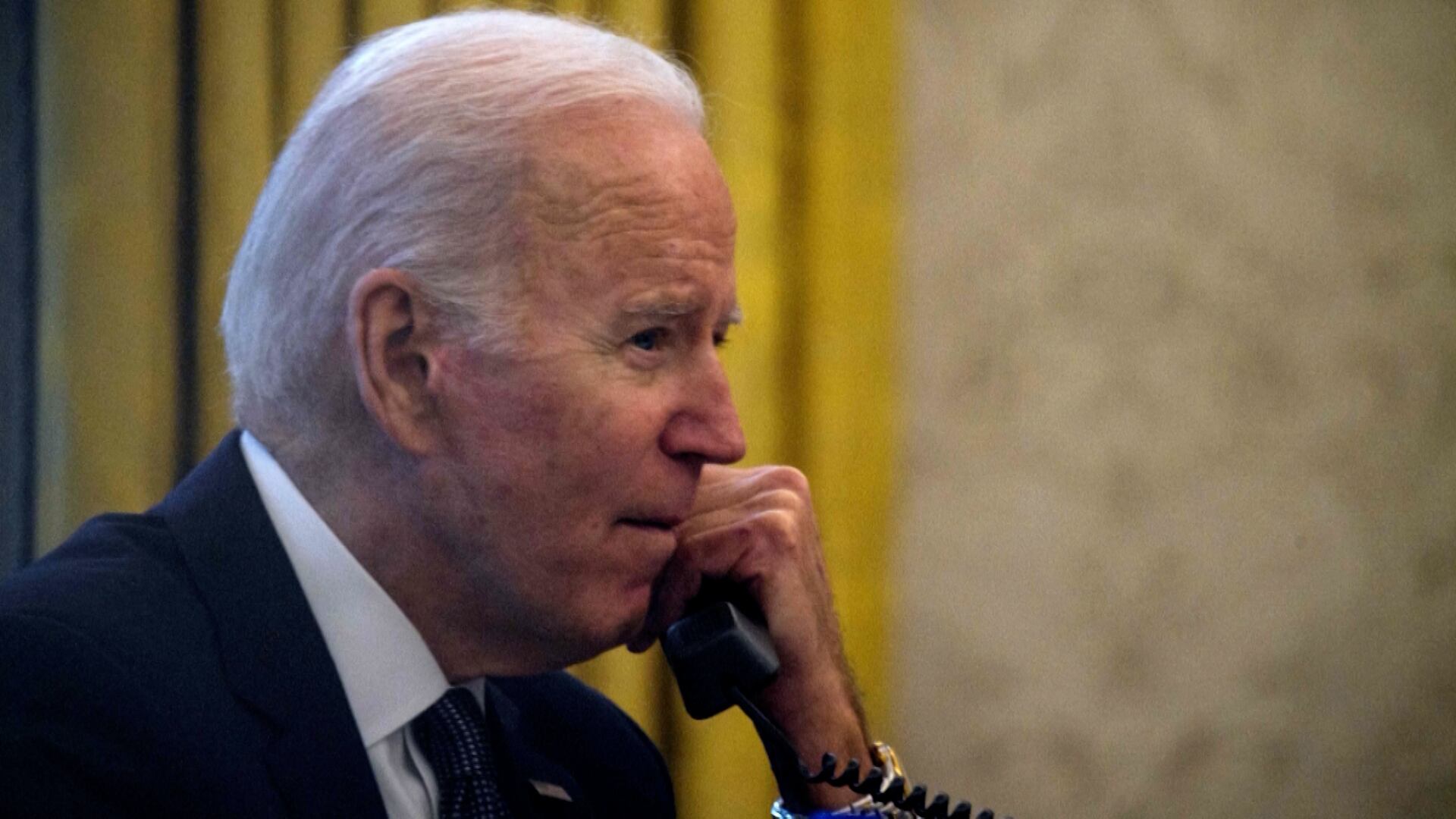
Alex Ward, National Security Reporter at Politico, joined Wake Up With Cheddar to discuss the latest in a looming international threat as Russia continues aggression against Ukraine, in defiance of Western nations.
The recent Virginia and New Jersey elections are making one trend line pretty clear: voters in this climate will vote on education, and it could be a winning tactic for Republicans.
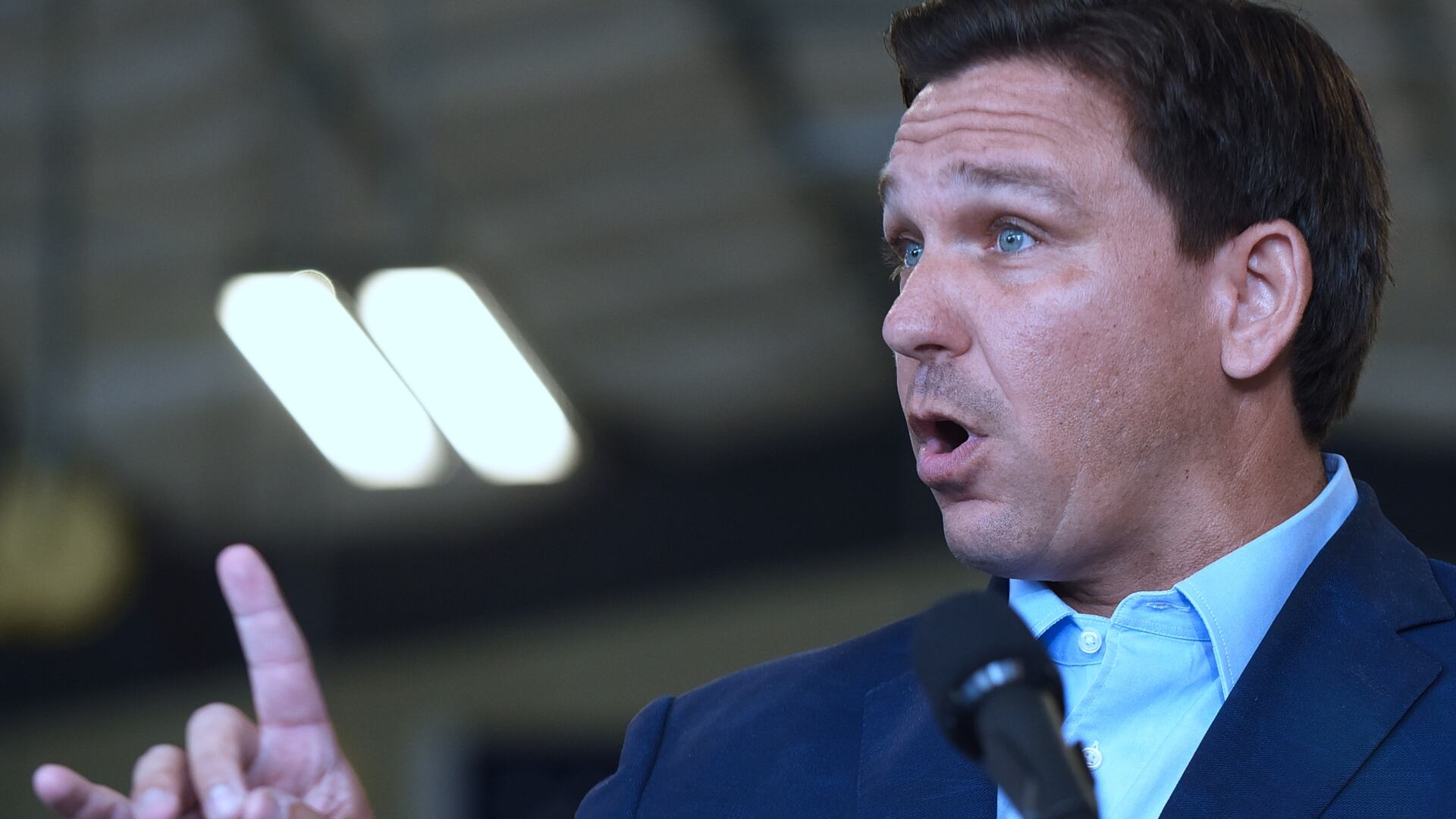
Virginia's race for governor was defined by, as the Republican candidate and eventual winner described it, "school-choice." Florida Governor Ron DeSantis is taking a page out of Governor Youngkin's playbook for his upcoming reelection bid, over-indexing on themes of education. John Kennedy, Florida capital reporter at Gannett, joins Cheddar News to discuss.
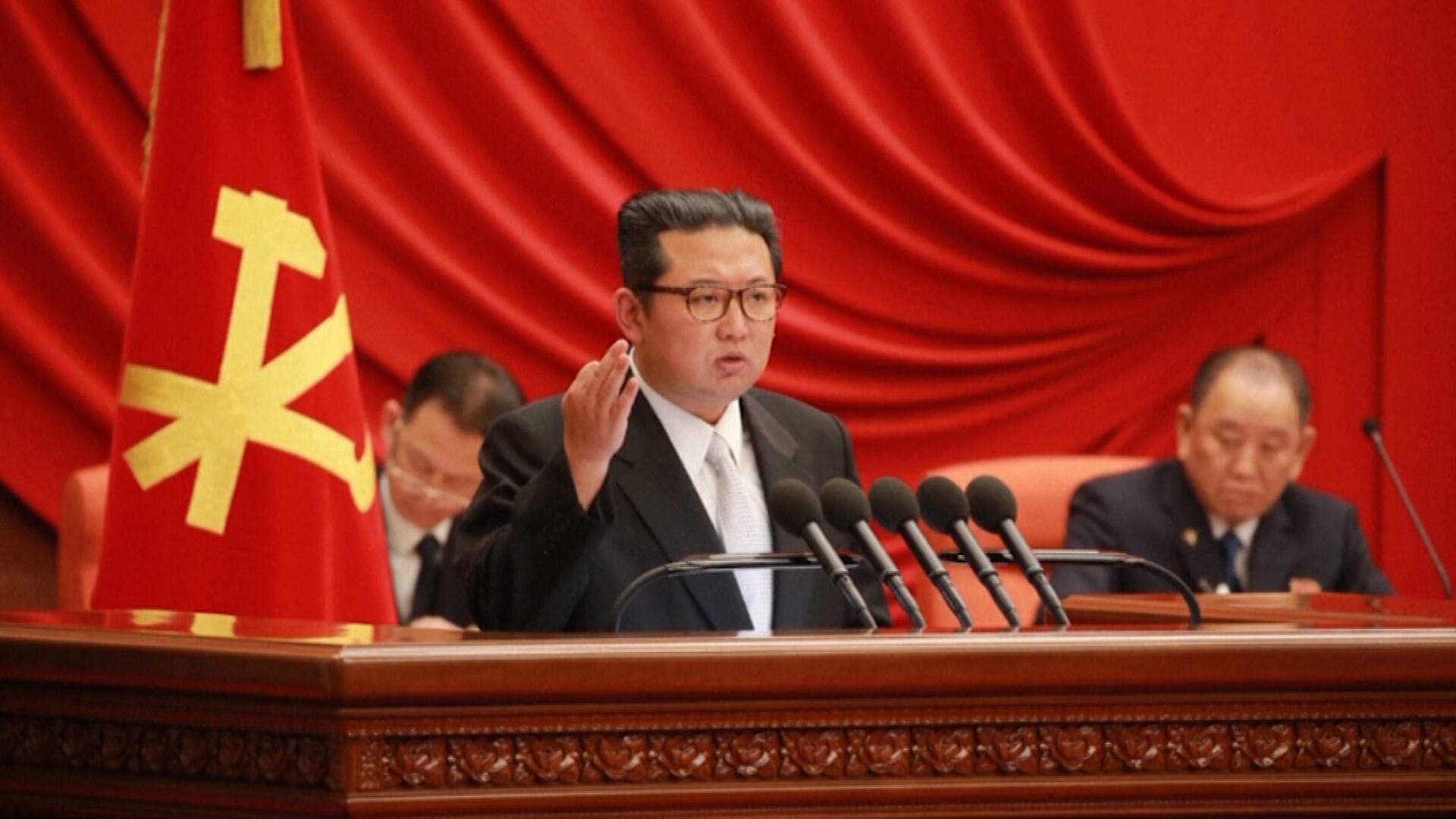
North Korea launched its sixth missile test this month, equaling the total number performed in all of 2021. Cheddar News speaks with Bruce Klinger of the Heritage Foundation on why the regime is suddenly ramping up its weapons testing program.
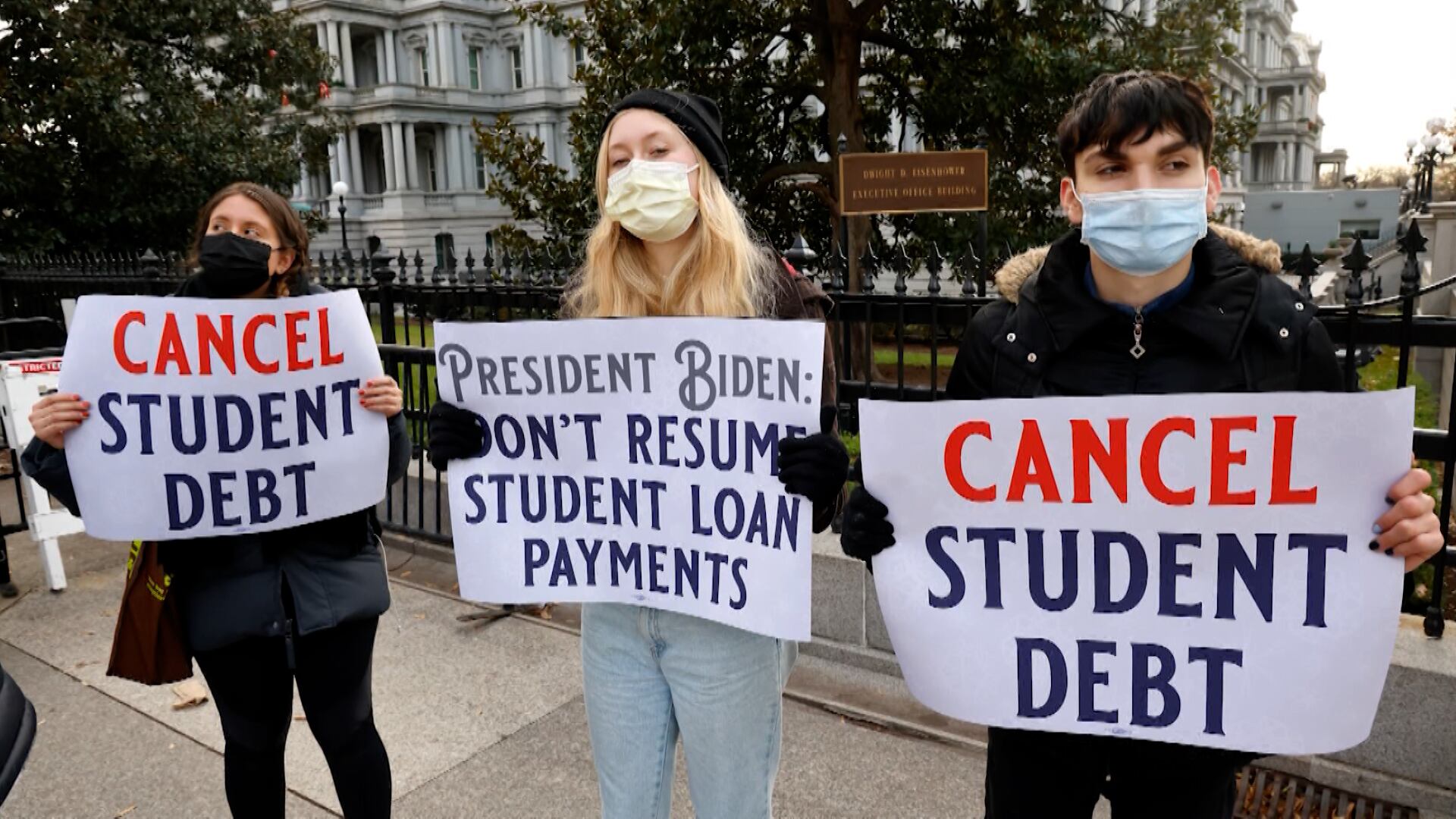
More than 80 lawmakers are calling for President Biden to release a memo outlining the legal pros and cons regarding the president's authority to cancel student loan debt, the total of which sits around $1.75 trillion. Senator Tina Smith (D-Minn.), joined Cheddar to discuss the memo and support the push to forgive student debt that could potentially have a massive positive impact on the U.S. economy. "I think that would be really helpful for all of us to be able to see as we figure out how we can go forward," she said. "It seems like a simple thing to do, and I hope that the administration will release this memo." For her part, Sen. Smith said she believes the president does have the authority to abolish student loan debt.
Dr. Celeste González de Bustamante, professor and director of the Center for Border and Global Journalism at the Univerity of Arizona, and Dr. Jeannine E. Relly, professor and director of Global Initiatives at the Center for Border and Global Journalism at the University of Arizona, join Cheddar News to discuss the recent journalist killings in Mexico.
Joe Kennedy III, a former congressman and co-founder of Give Us the Ballot, joined Cheddar News to discuss voting protections in the United States and how his campaign is aiming to fix the issue of voter suppression. "Yes, redistricting is critical — Give Us the Ballot though recognizes it's 'redistricting, and —', because voting rights has an implication for every single election at every single level: school board, mayor, city council, House of Representatives, Senate, president," he said. Kennedy also gave his thoughts about the retirement of Justice Stephen Breyer.