Harvard University's Edmond J. Center for Ethics has launched a research initiative to help answer the question looming on most people's minds: when will the coronavirus quarantines end?
Danielle Allen, director of the center, told Cheddar that ending quarantine will require a robust social effort involving potentially thousands of workers and brand new technology solutions.
In the past, best practices for a quarantine order included setting a deadline to protect individual rights and set expectations, but COVID-19 presented too many unknown variables for lawmakers to come out of the gate with a set date for letting people return to normal.
"It was absolutely reasonable in this case that people issued orders with indefinite duration," Allen said. "This disease is so new and has so many distinctive features that it has been very hard for people to completely master its shape, its parameters. We did sort of need that blunt instrument."
But more than a month since the first stay-at-home orders went into effect, there is widespread demand for more information about when to expect state and local quarantine orders to end.
"It's going to take massively scaling up testing, tracing, and supportive isolation," Allen said.
Testing is perhaps the most widely understood post-quarantine measure, but it's also one of the most logistically complicated. Governors are currently making the case that heavy federal support will be necessary to produce the supply of tests needed to cover the entire U.S.
Tracing presents challenges as well, but there are a number of available options to pull it off.
"Contact tracing is one of the oldest and most important tools in the public health toolkit," Allen said.
The old-fashioned way to handle tracing is to do it manually. Individual investigators interview positive cases about where they've been and who they've been in contact with over the last two weeks.
"Can you actually achieve that with people, with person power doing all that contact tracing, or do also you need tech support?" Allen said. "Right now, I think the jury is out."
She pointed to a proposal from Johns Hopkins University recommending that the federal government invest in 100,000 paid or volunteer contact tracers to spread out across the country.
On the technology side, Allen highlighted Bluetooth-based apps that would help you track interactions for rolling two-week periods. That way, if someone comes up positive, the people they contacted could be warned.
Lastly, shifting to supportive isolation would be a step down from current stay-at-home orders.
"[Supportive isolation] is when you're infected and then you stay home, but it means people who aren't infected don't have to stay home," she said.
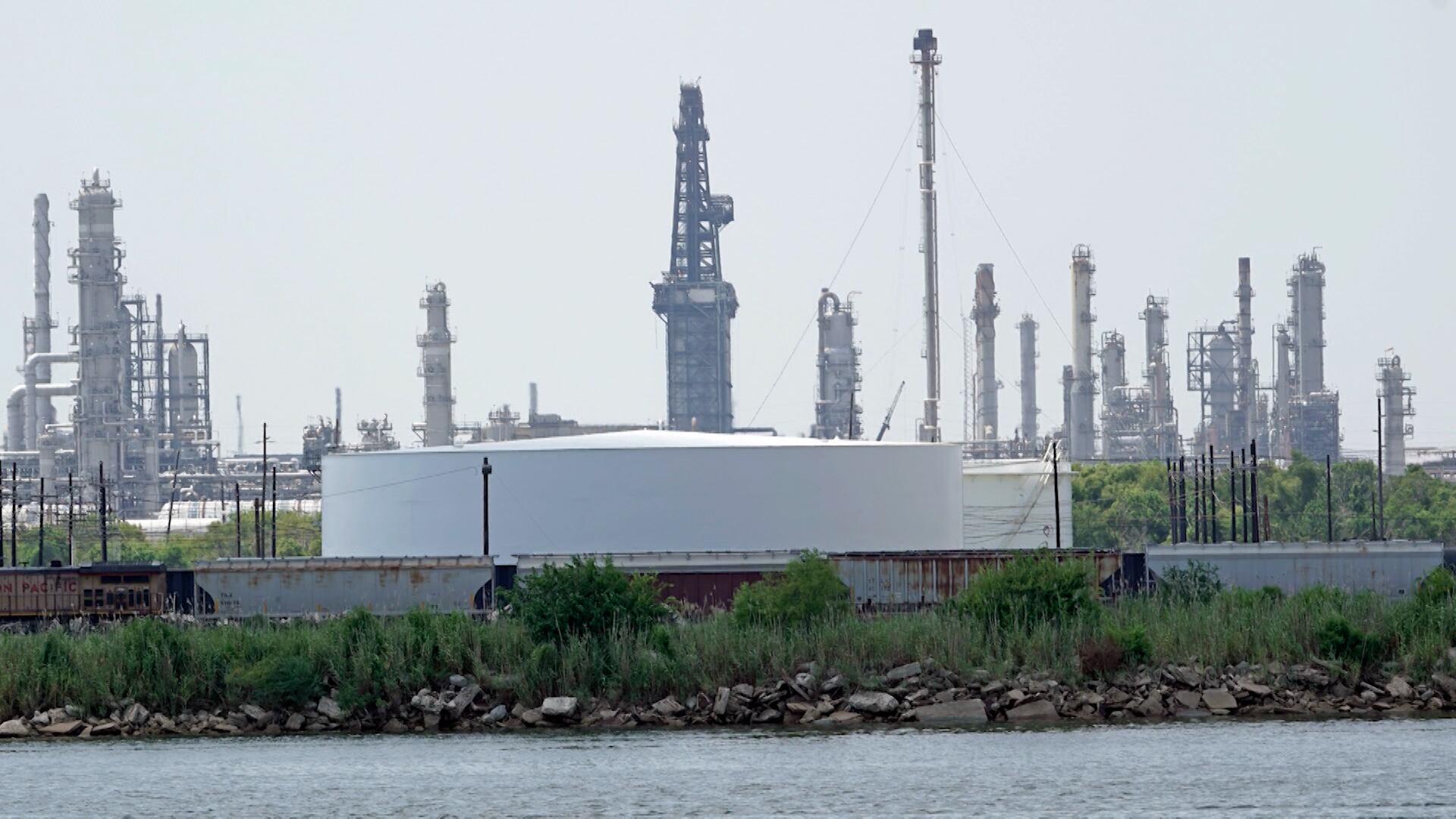
President Biden announced a ban on Russian oil and natural gas imports to the U.S. in response to its invasion of Ukraine, a move he warned could lead to an even greater surge in gas prices. The ban is prompting a conversation about the current oil production levels in the U.S. and whether or not the industry can ramp up production to soften the blow to American families at the gas pump. Clark Williams-Derry, Energy Finance Analyst with the Institute for Energy Economics and Financial Analysis, breaks down the state of the U.S. oil industry and how the ban might impact production levels here at home.
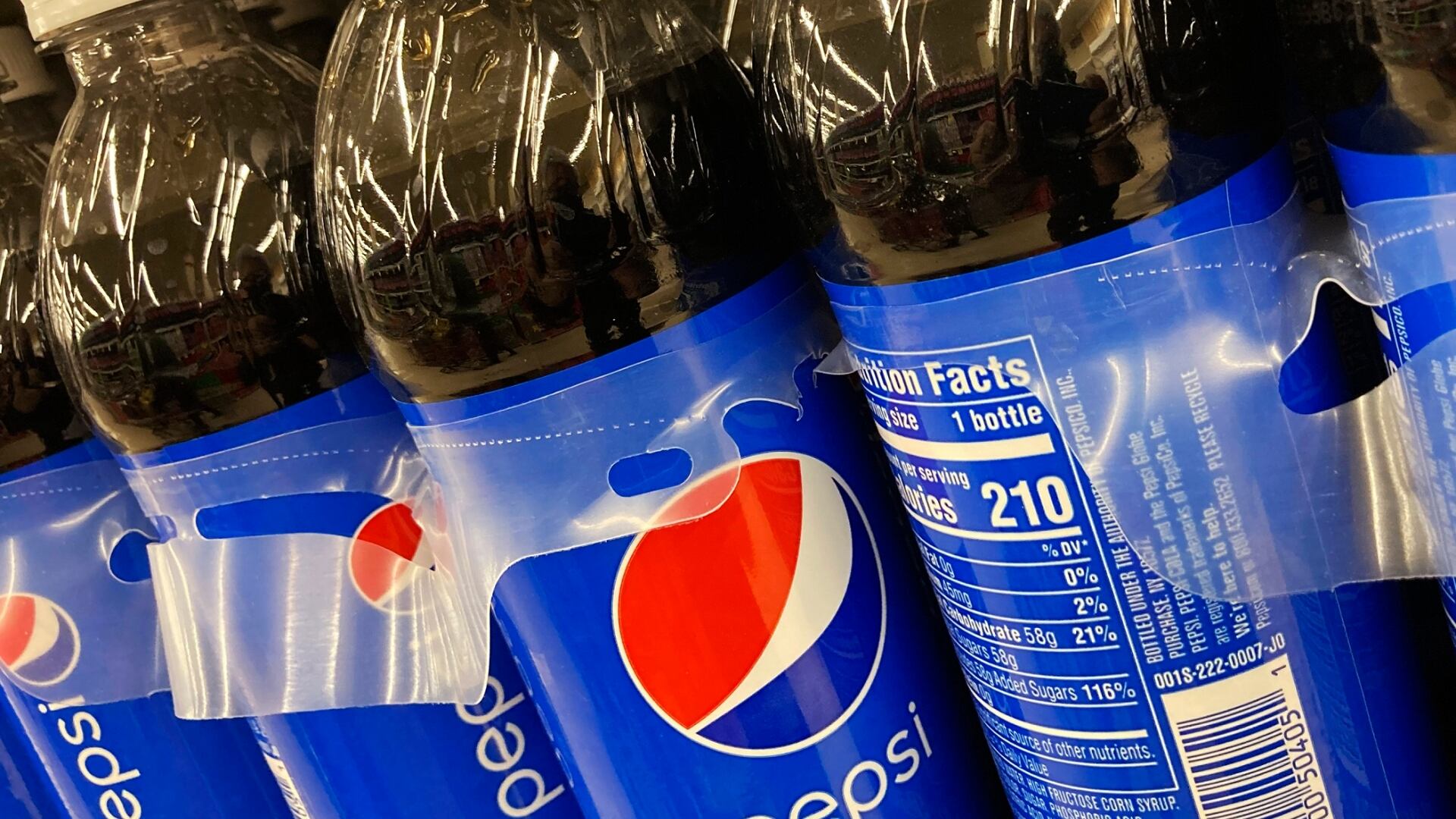
PepsiCo, Coca-Cola, McDonald’s, and Starbucks are the latest American food brands to have halted business operations in Russia after having faced scrutiny and criticism for originally failing to do so amid the country's invasion of Ukraine.
As Russia intensifies its war on Ukraine, President Biden announced a ban on oil imported from the aggressor nation. Critics of Russia have said this would be the best way to force Putin to pull back, but curbs on Russian oil exports are expected to send already skyrocketing oil and gas prices even higher, further impacting consumers, businesses, financial markets, and the global economy. Leslie Beyer, CEO of the Energy Workforce and Technology Council, joined Cheddar News' Closing Bell to discuss. "It's certainly going to increase pricing, but it is the right thing to do," she said. "The industry itself has already pulled out of the significant portion of its operations in Russia."
Sports Betting in the U.S. is booming. According to industry experts, we could see another boom this year as more states move towards statewide legalization of sports wagering. While this comes as huge news for fans, there are some very real concerns as to whether or not sports betting potentially poses a threat to public health. Senior Clinician at the Caron Treatment Centers, Eric Webber, joined Cheddar to discuss more.
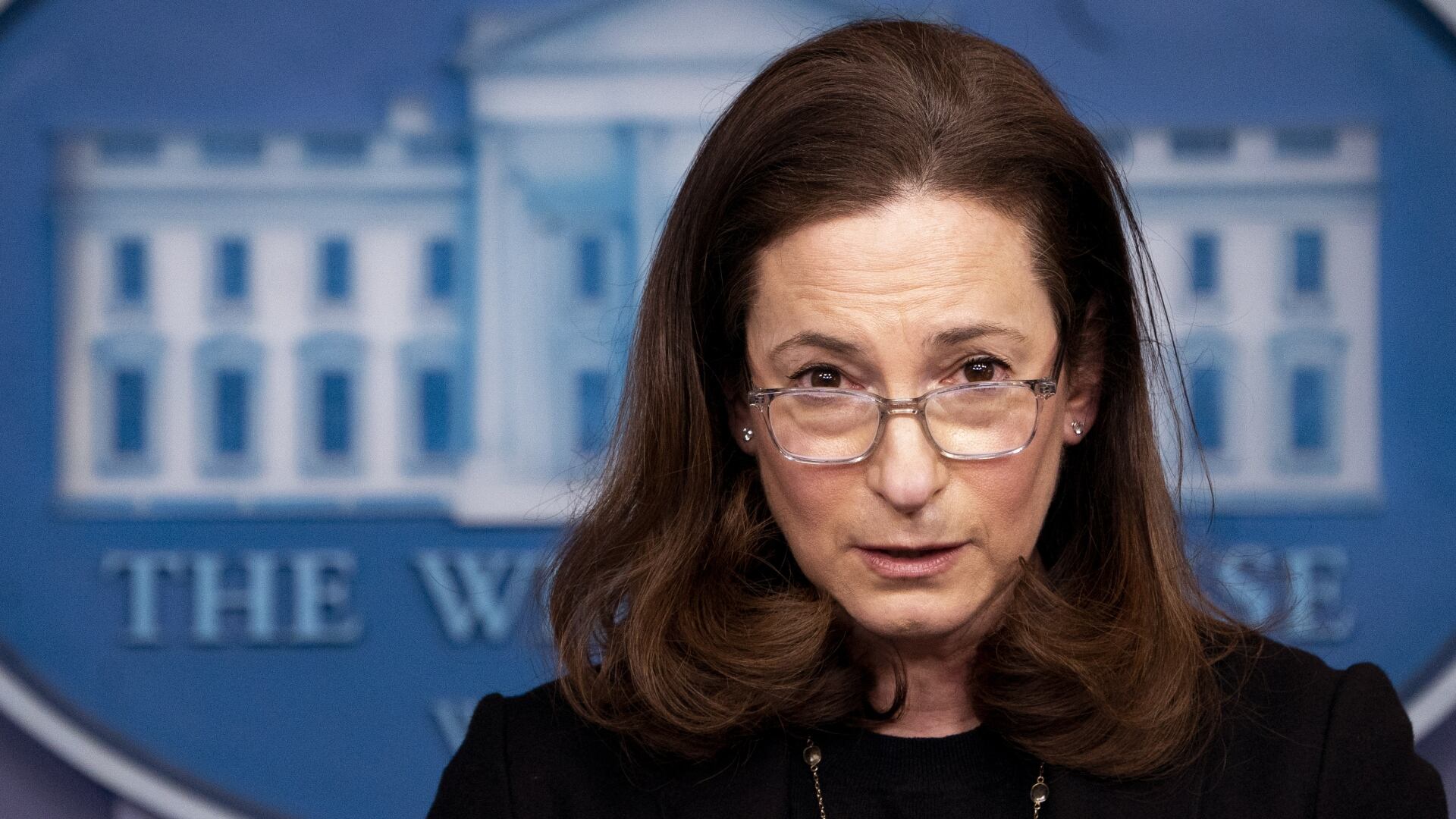
The Biden administration has made gender policy a core part of how it governs. The president established the first Gender Policy Council. It's on the same level as the National Security Council, Domestic Policy Council and National Economic Council, putting the interests of women and other underserved groups at the table for the most important policy discussions.
Cheddar News sat down with Jennifer Klein, executive director and co-chair of the White House Gender Policy Council, to discuss the council's work and its significance during Women's History Month.
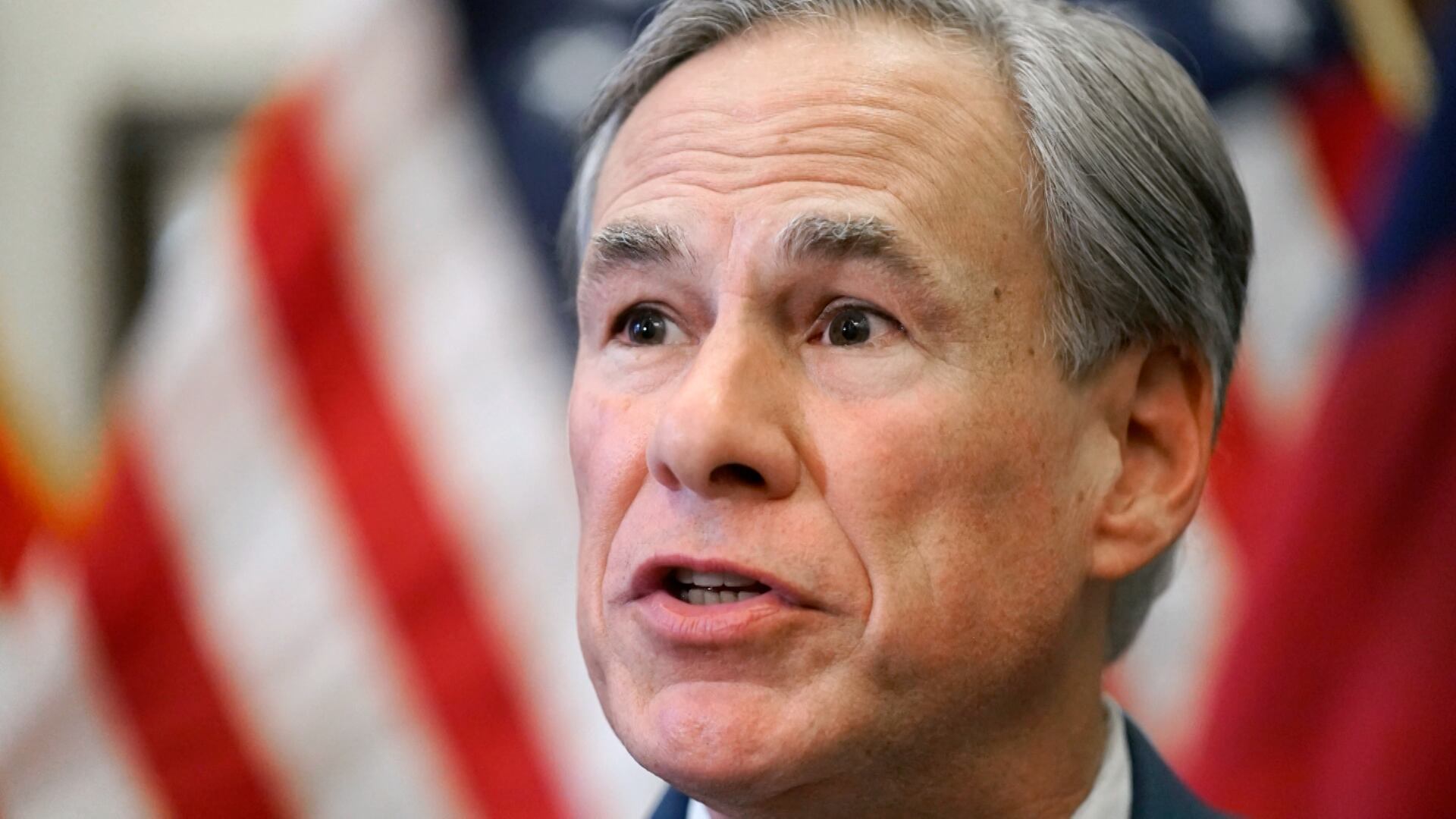
State Representative Jessica González, Vice Chair of the Texas House LGBTQ Caucus, joins Cheddar News to discuss the latest Texas anti-transgender directive.
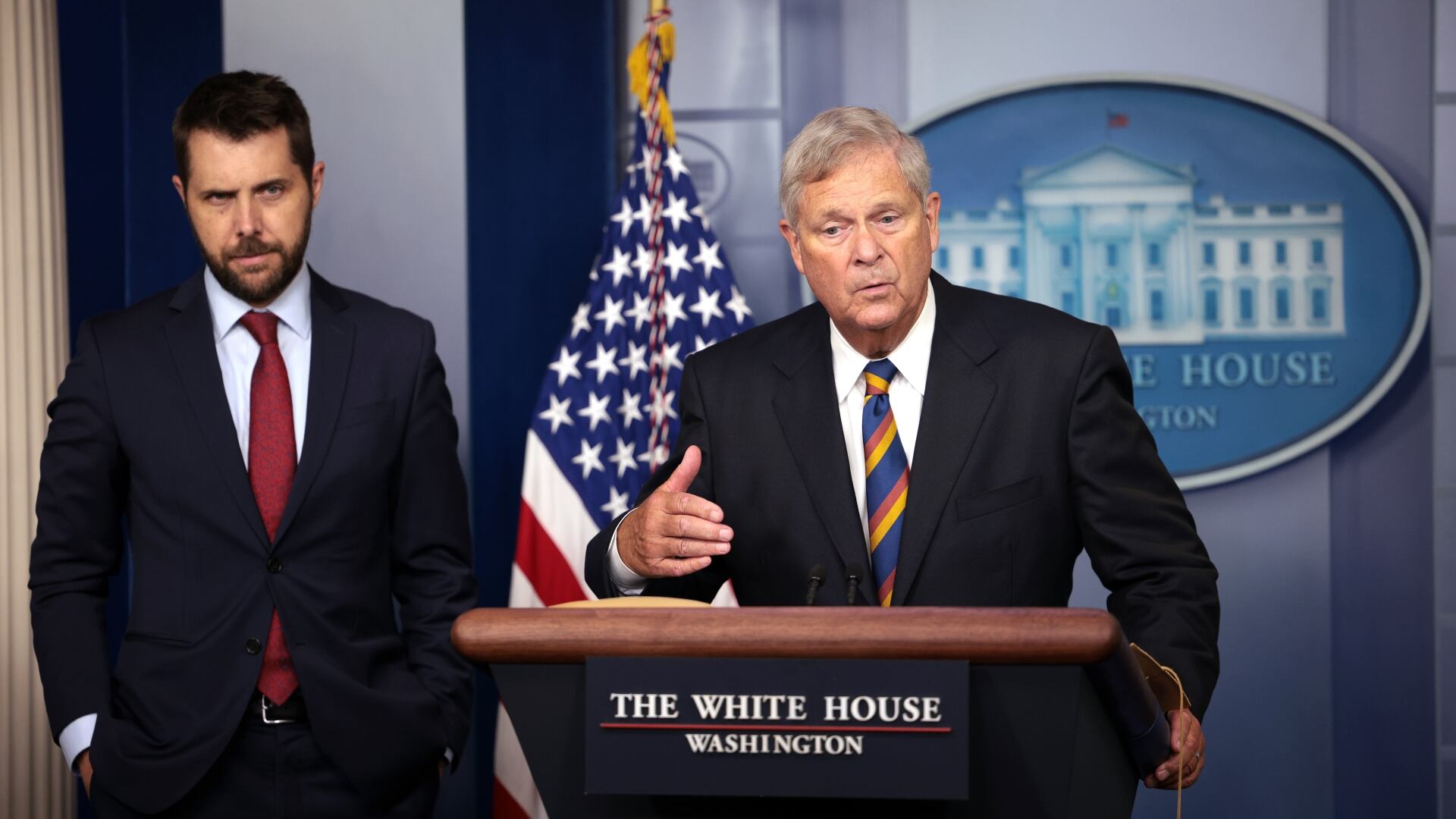
The United States Secretary of Agriculture, Tom Vilsack joins None of the Above to discuss the newly emerging conflict in Europe, what it means for agriculture in the states, dairy and meat consumption, and how the department is planning to promote climate-smart agriculture.
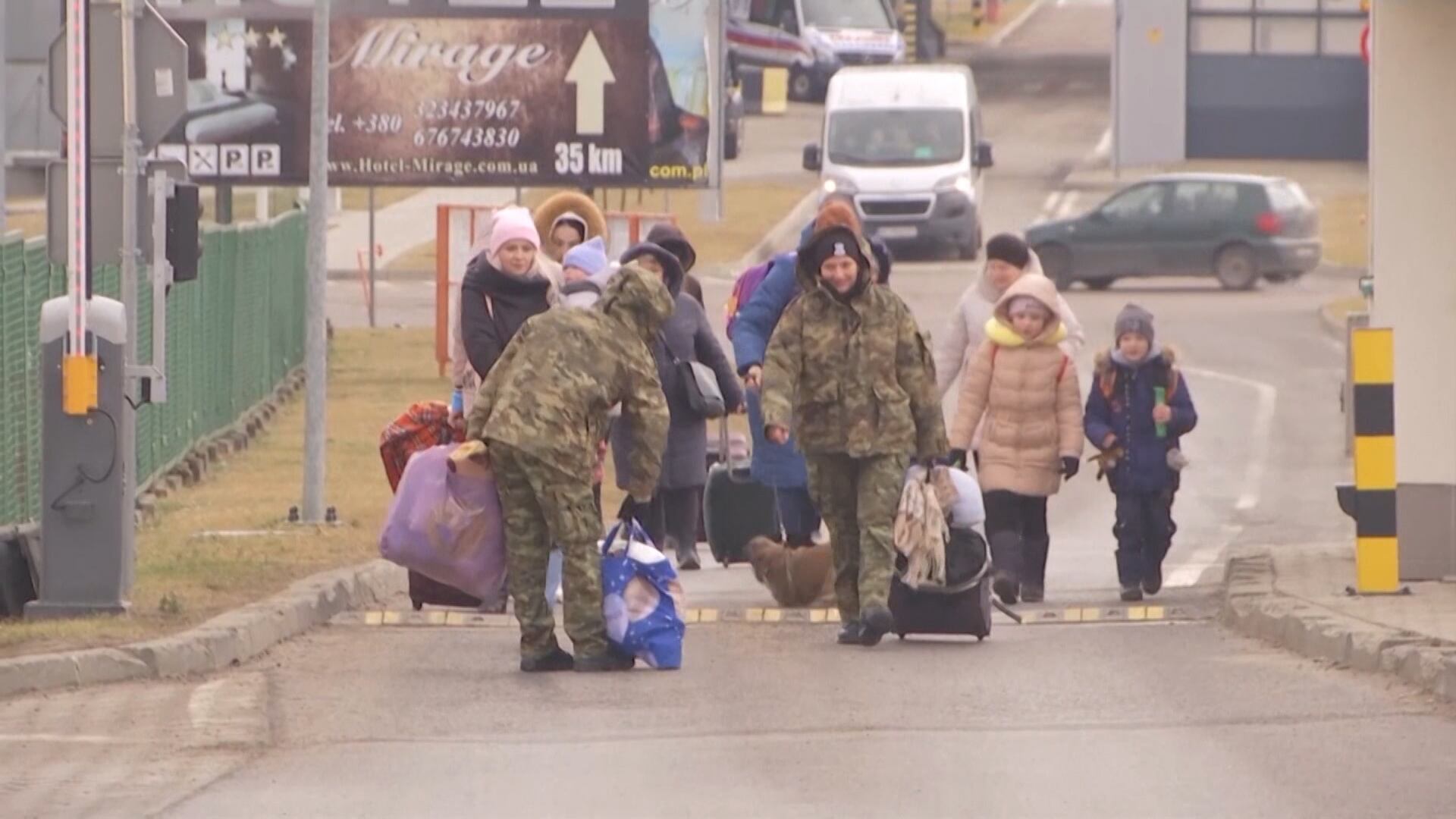
Tens of thousands of people have fled Ukraine in attempts to escape the Russian Invasion. According to the U.N. neighboring countries like Poland, Hungary, and even Romania have seen half a million refugees. While the hospitality is being welcomed by many, it also highlights the mistreatment of migrants and refugees from the Middle East and Africa. Professor of Philosophy and Director of Politics at Northeastern University Serena Parekh, joined Cheddar, to discuss more.
As Russia unleashed war in the country of Ukraine, global leaders have started inflicting punishment on Vladimir Putin's regime via commercial and financial penalties. According to President Joe Biden Putin's aggression is "a flagrant violation of international law and it demands a firm response from the international community".However, the main question is will these sanctions actually work. Partner at Jenner & Block LLP, Rachel Alpert, joined Cheddar to discuss more.