Food trucks in the U.S. have taken many forms, but have long been a popular option for dining. Now as the coronavirus pandemic alters the way we interact and engage with others, these kitchens on wheels may have a new function, especially on college campuses.
Rod Keller, CEO of the electric vehicle manufacturer AYRO is jumping at the opportunity to capitalize on the niche industry in a partnership with Gallery Carts. The new collaboration will combine AYRO's expertise in developing electric vehicles with Gallery's expertise in creating food delivery vehicles.
"Colleges are faced with, 'Well how do we provide food and beverage while at the same time, avoiding the mass crowds that you would typically see inside of a cafeteria?'" Keller told Cheddar.
So far, more than $500,000 has been poured into the collaboration as orders for the vehicles continue to amass. Keller said he's confident that as universities and other large campuses seek safer ways to feed their communities amid the pandemic, the need for their services will grow.
AYRO is also banking on buyers in higher education considering the long-term savings electric vehicles can provide. Keller said its electric vehicles save fleet operators at least 50 percent on fuel and energy costs.
"When people are moving cargo from one side of a university to another, or business campus, or hotel and resort, you don't need a full-sized truck with 400 miles of range running on gasoline to do that," Keller said.
A group of prominent academics and activists are calling on banks and insurers to avoid the kind of systemic collapse that crippled the world economy back in 2008.
SpaceX is resolving toilet spills in its capsules before it launches another crew for NASA. Liftoff is currently set for early Sunday from Florida's Kennedy Space Center.
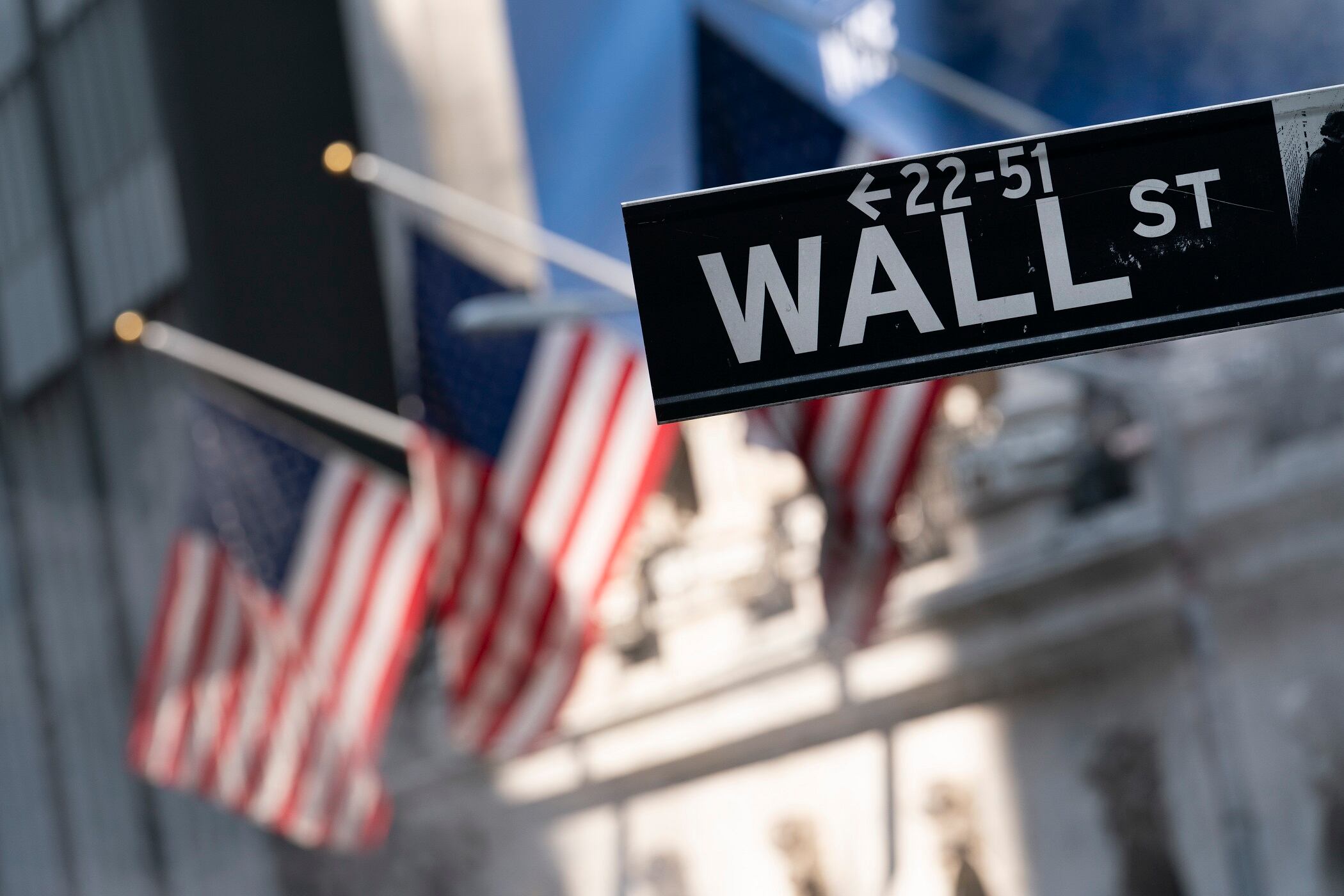
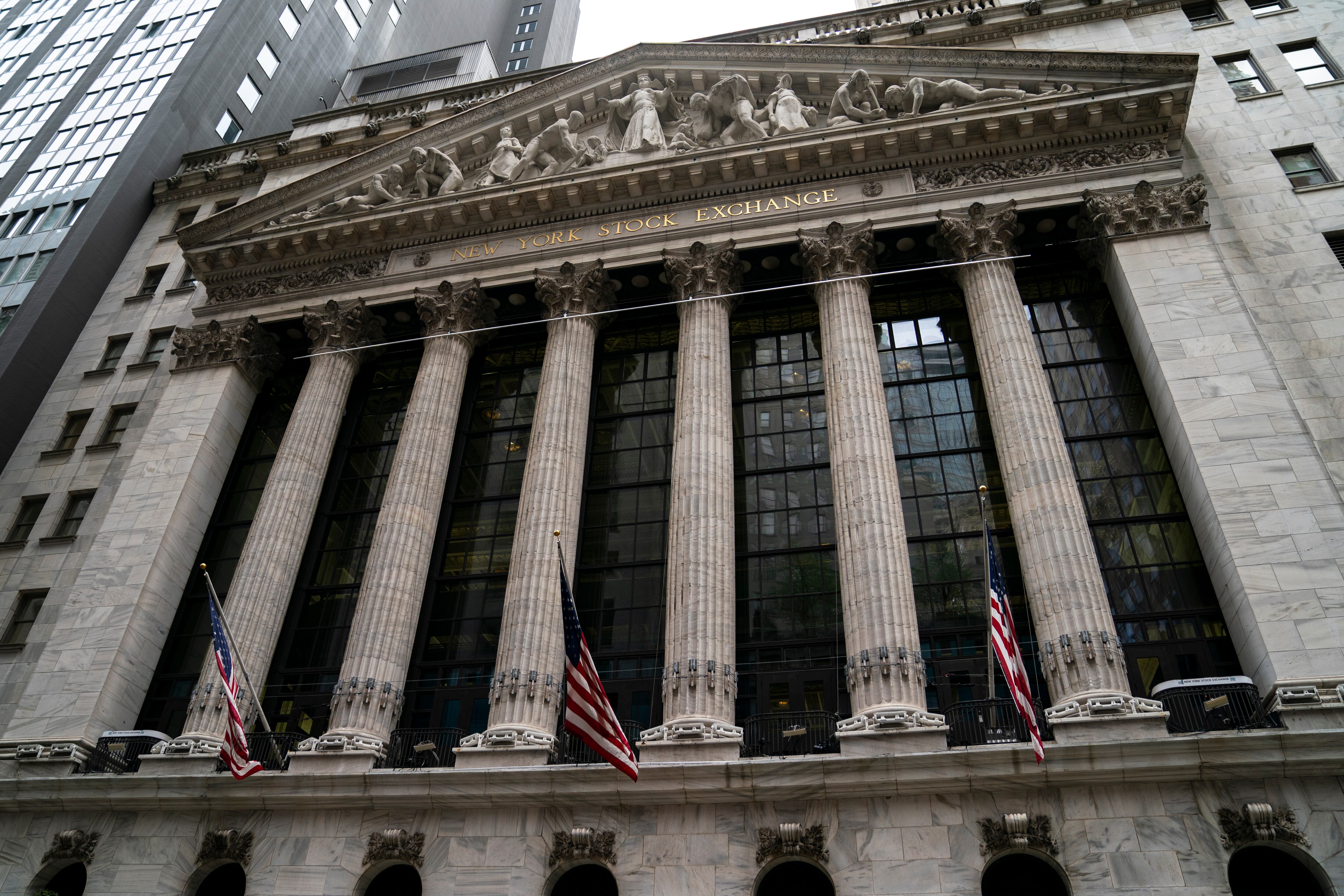
Stocks faded in the last hour of trading and ended mostly lower Wednesday, a day after the S&P 500 and the Dow Jones Industrial Average set their latest record highs
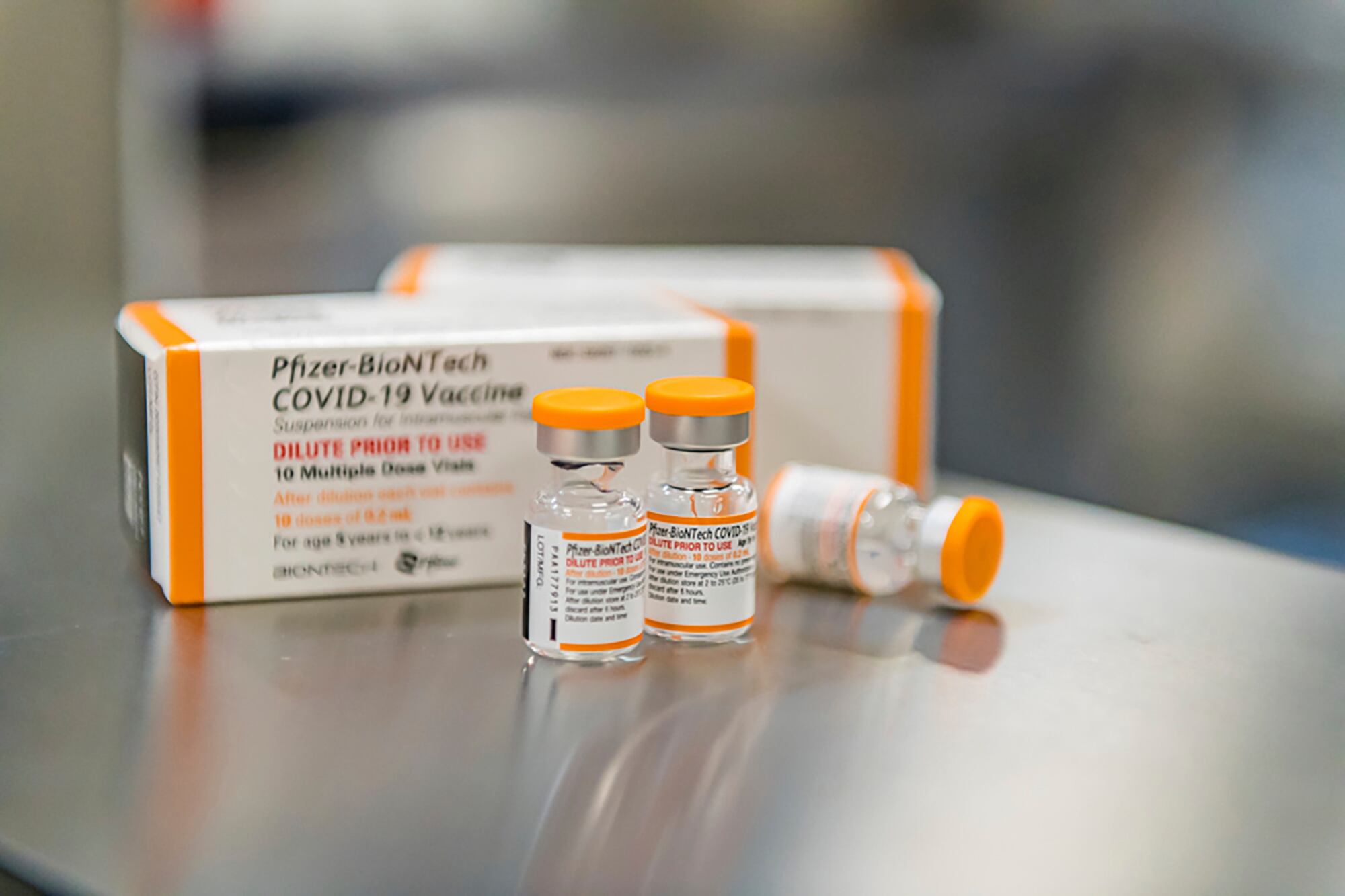
U.S. health advisers have endorsed kid-size doses of Pfizer's COVID-19 vaccine for younger children.
U.S. consumer confidence rose in October after three straight declines as the public’s anxiety about the delta variant of coronavirus appears to have abated.
Sales of new homes jumped 14% in September to the fastest pace in six months as strong demand helped offset rising prices.
Last spring, as false claims about vaccine safety threatened to undermine the world's response to COVID-19, researchers at Facebook found they could reduce vaccine misinformation by tweaking how vaccine posts show up on users' newsfeeds.
Stocks held on to modest gains on Wall Street Tuesday, pushing the S&P 500 and the Dow Jones Industrial Average further into record heights.
A report in the New York Times published Sunday called 'Inside Amazon's Worst Human Resources Problem' details the company mishandling paid and unpaid leave for some of its workers for more than a year and a half, following an email sent to Amazon founder Jeff Bezos from a new mother who works at a warehouse in Oklahoma, which then led to an internal investigation at Amazon. Seattle tech correspondent for the New York Times Karen Weise joined Cheddar News' Closing Bell to talk about her report and what the Amazon investigation found.
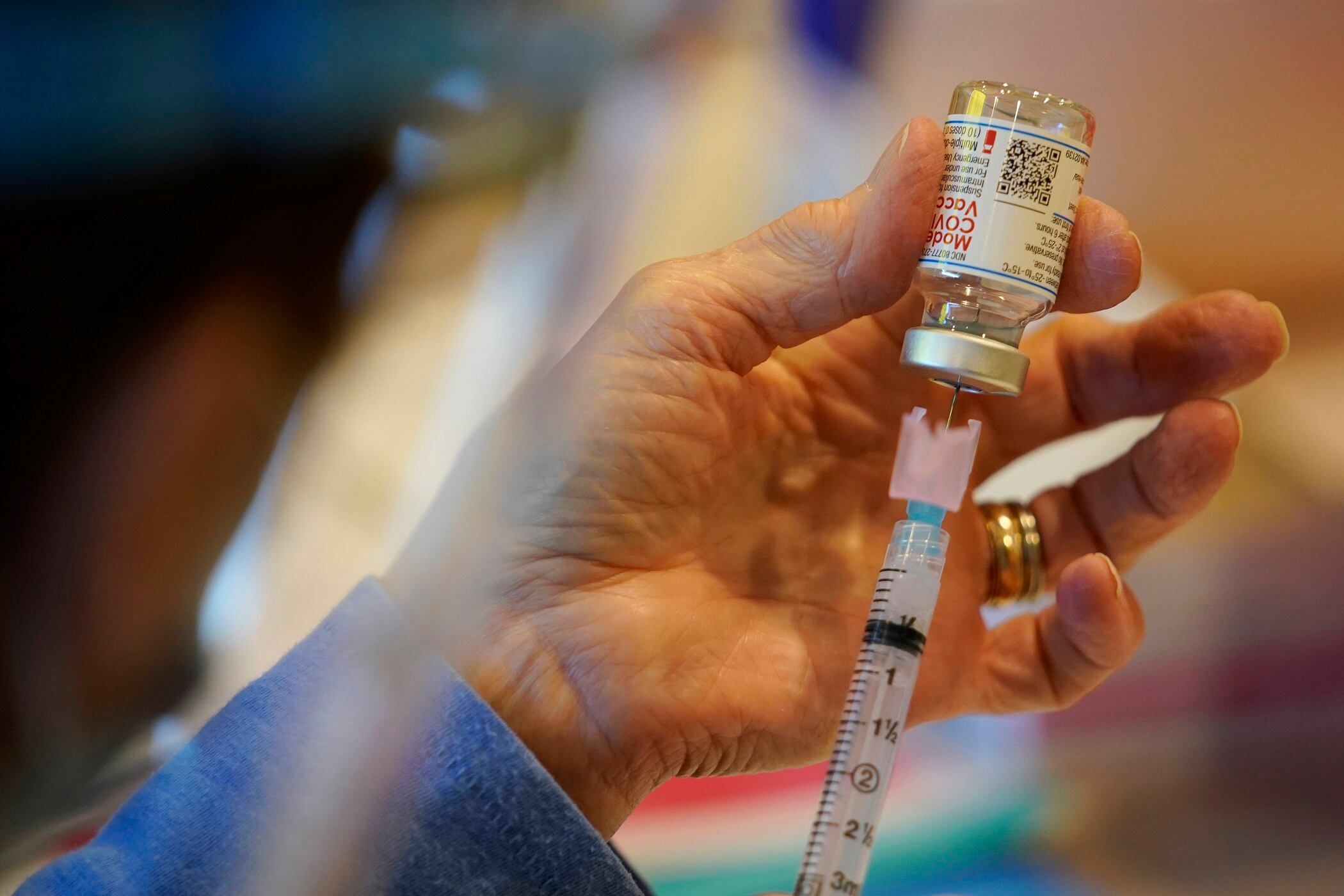
Moderna says its low-dose COVID-19 vaccine is safe and appears to work in 6- to 11-year-olds.