Food trucks in the U.S. have taken many forms, but have long been a popular option for dining. Now as the coronavirus pandemic alters the way we interact and engage with others, these kitchens on wheels may have a new function, especially on college campuses.
Rod Keller, CEO of the electric vehicle manufacturer AYRO is jumping at the opportunity to capitalize on the niche industry in a partnership with Gallery Carts. The new collaboration will combine AYRO's expertise in developing electric vehicles with Gallery's expertise in creating food delivery vehicles.
"Colleges are faced with, 'Well how do we provide food and beverage while at the same time, avoiding the mass crowds that you would typically see inside of a cafeteria?'" Keller told Cheddar.
So far, more than $500,000 has been poured into the collaboration as orders for the vehicles continue to amass. Keller said he's confident that as universities and other large campuses seek safer ways to feed their communities amid the pandemic, the need for their services will grow.
AYRO is also banking on buyers in higher education considering the long-term savings electric vehicles can provide. Keller said its electric vehicles save fleet operators at least 50 percent on fuel and energy costs.
"When people are moving cargo from one side of a university to another, or business campus, or hotel and resort, you don't need a full-sized truck with 400 miles of range running on gasoline to do that," Keller said.
Losses widened at Bed Bath & Beyond as a tangled global supply chain continued to squeeze sales and the home goods chain lowered expectations for its final fiscal quarter, and also its full-year revenue.
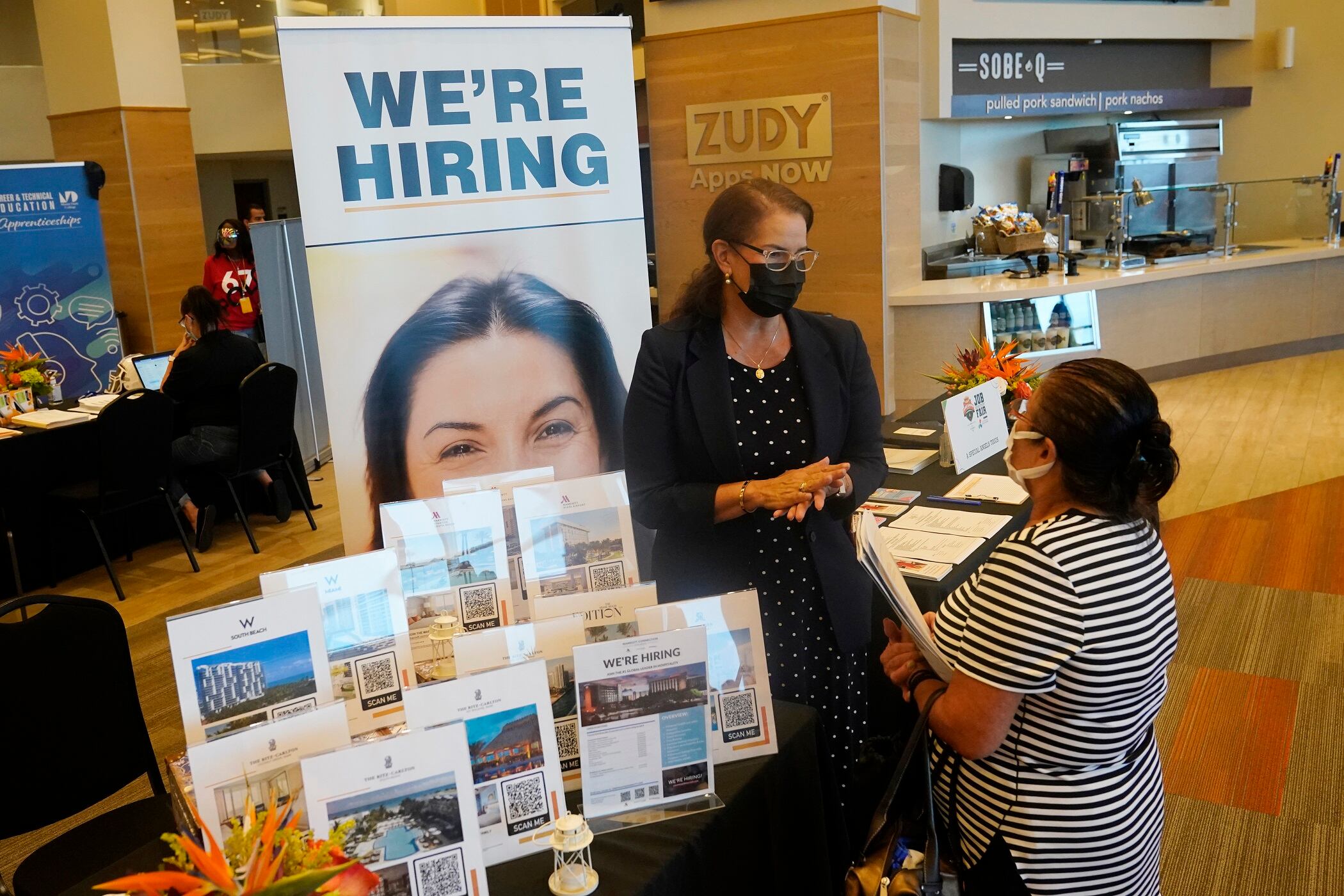
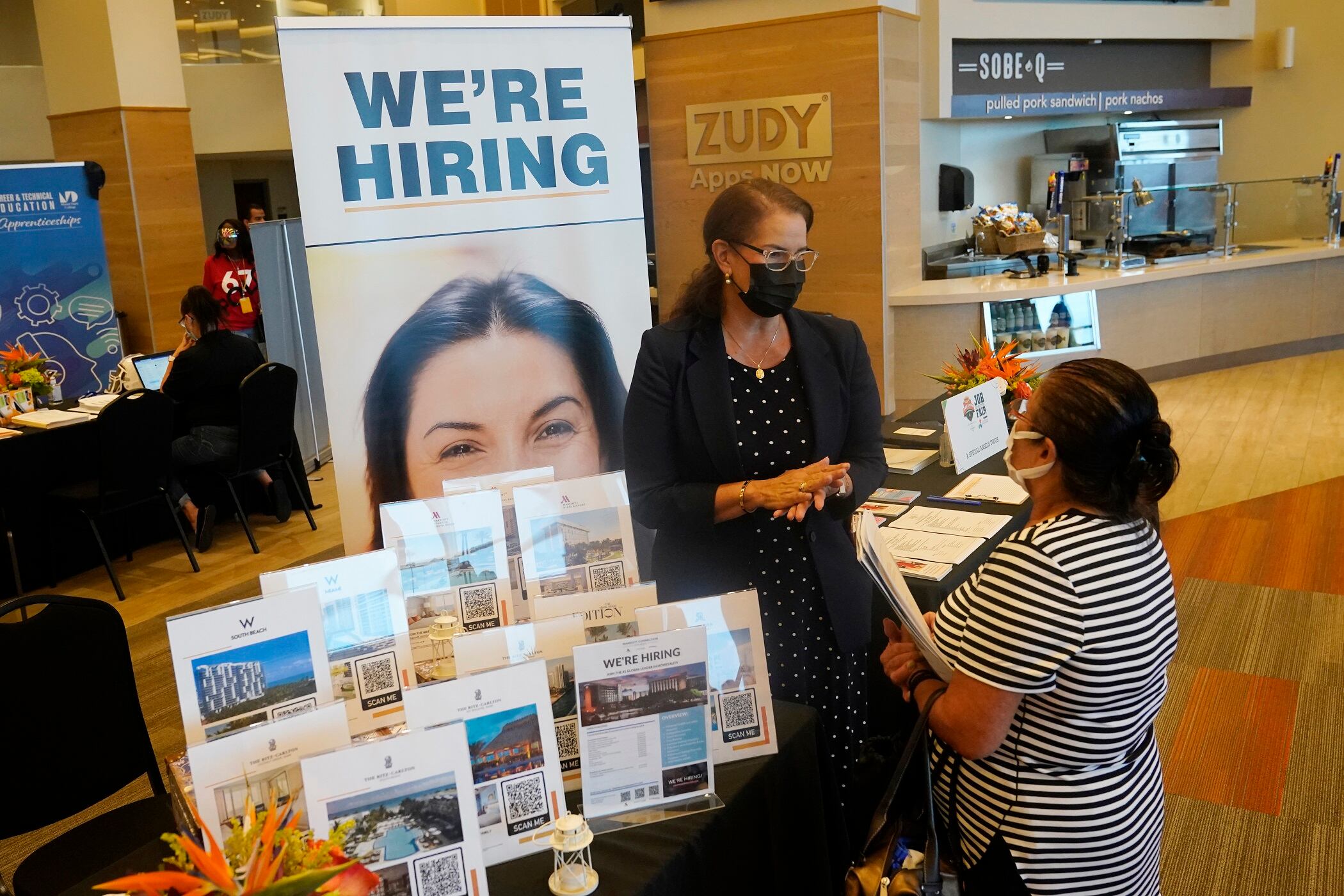
U.S. employers added a modest 199,000 jobs last month while the unemployment rate fell sharply, at a time when businesses are struggling to fill jobs with many Americans remaining reluctant to return to the workforce.
Europe's sky is filling up with near-empty flights that even airlines admit serve no purpose except securing valuable time slots at some of the world's biggest airports.
Stocks ended lower on Wall Street Friday and Treasury yields rose as investors anticipated the Federal Reserve will stay on course to raise interest rates as soon as March.
Sylvia Jablonski, Co-Founder & CIO of Defiance ETFs, discusses the many challenges markets face in 2022, and how inflation is impacting consumer spending and tech demand.
More declines in big technology stocks pulled major indexes lower on Wall Street, driving the market further into the red on the first week of the year.
Federal Reserve policymakers at a meeting last month said the U.S. job market was nearly at levels healthy enough that the central bank's low-interest rate policies were no longer needed.
Stocks closed lower on Wall Street Wednesday after minutes from the Federal Reserve’s last meeting raised expectations that the central bank will move faster to raise interest rates to fight inflation.
A record 4.5 million American workers quit their jobs in November, a sign of confidence and more evidence that the U.S. job market is bouncing back strongly from last year’s coronavirus recession.
Starbucks says its U.S. workers must be fully vaccinated by Feb. 9 or face a weekly COVID testing requirement