Food trucks in the U.S. have taken many forms, but have long been a popular option for dining. Now as the coronavirus pandemic alters the way we interact and engage with others, these kitchens on wheels may have a new function, especially on college campuses.
Rod Keller, CEO of the electric vehicle manufacturer AYRO is jumping at the opportunity to capitalize on the niche industry in a partnership with Gallery Carts. The new collaboration will combine AYRO's expertise in developing electric vehicles with Gallery's expertise in creating food delivery vehicles.
"Colleges are faced with, 'Well how do we provide food and beverage while at the same time, avoiding the mass crowds that you would typically see inside of a cafeteria?'" Keller told Cheddar.
So far, more than $500,000 has been poured into the collaboration as orders for the vehicles continue to amass. Keller said he's confident that as universities and other large campuses seek safer ways to feed their communities amid the pandemic, the need for their services will grow.
AYRO is also banking on buyers in higher education considering the long-term savings electric vehicles can provide. Keller said its electric vehicles save fleet operators at least 50 percent on fuel and energy costs.
"When people are moving cargo from one side of a university to another, or business campus, or hotel and resort, you don't need a full-sized truck with 400 miles of range running on gasoline to do that," Keller said.
Texas is suing Meta over its use of facial recognition. Attorney General Ken Paxton filed a lawsuit against the social media giant, alleging it illegally collected data on users without their consent, violating the state's privacy laws. Daniel Newman, Futurum Research founding partner & principal analyst, breaks down Texas' allegations and what it means for Meta moving forward.
David Mazza, Managing Director & Head of Product at Direxion, joins Cheddar News to discuss how traders and investors can start planning for volatility, and ways to use leveraged and inverse ETFs during these volatile times.
Jeff Powell, Managing Partner and Chief Investment Officer at Polaris Wealth Advisory Group, joins Cheddar News' Closing Bell, where he says the market was looking for - and received - a little bit of relief when it came to the geopolitical conflict between Russia and Ukraine.
Nikil Viswanathan, Co-Founder and CEO of Alchemy, joins Cheddar News' Closing Bell, where he says his company has tripled its business over the past several months and that it will be heavily investing into global expansion following its $200 million funding round.
Swedish electric motorcycle maker Cake says its mission is to inspire society to adopt a zero-emission lifestyle. The company admits this is a lofty goal that covers a lot of ground - so it's starting with the world of urban mobility and last-mile deliveries. The company also has an agreement in place with NorthVolt to continually improve the environmental impact of batteries for electric vehicles. Stefan Ytterborn, Founder & CEO of Cake, joins Cheddar Climate to discuss.
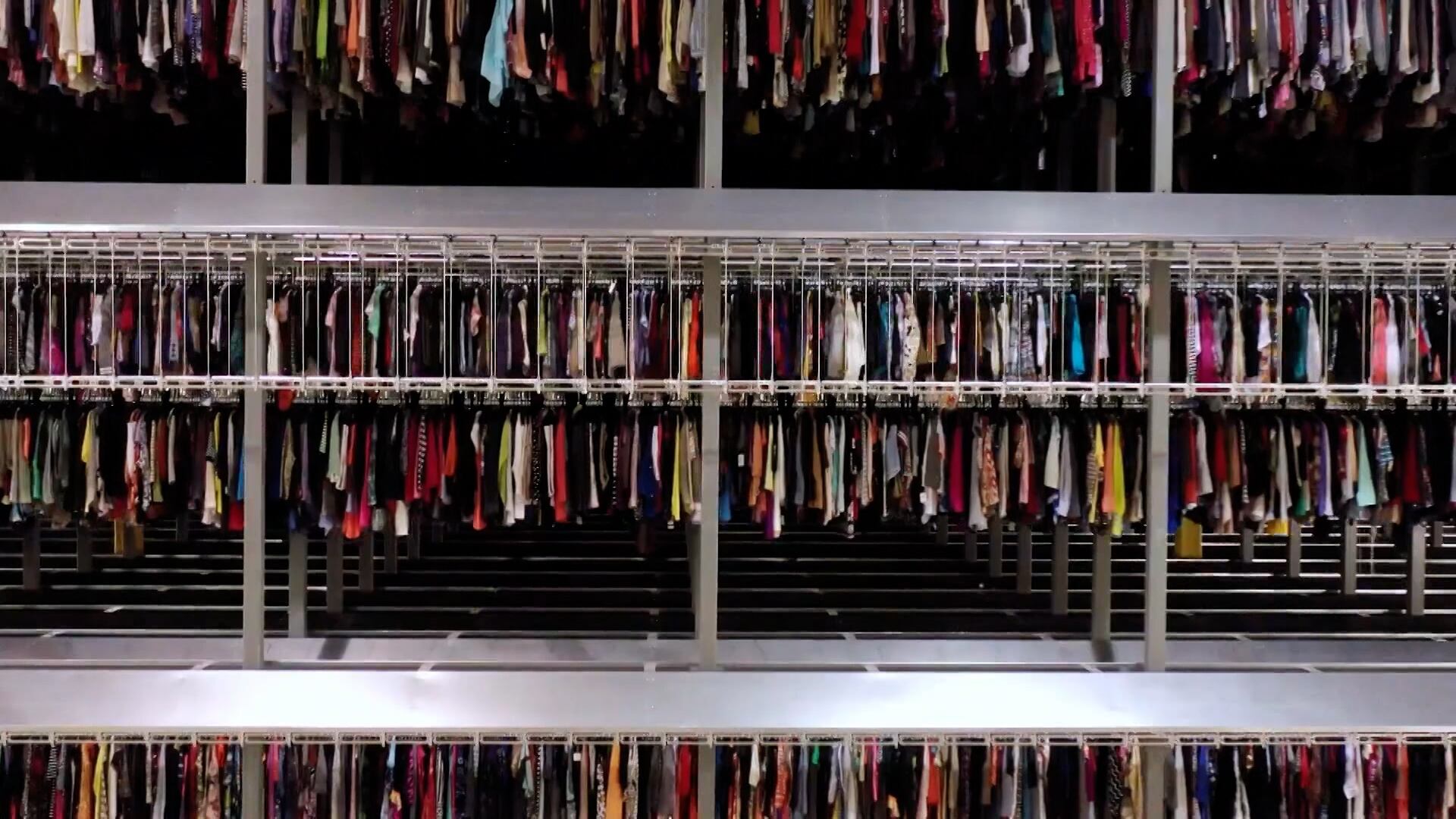
One retailer and publicly-traded company says it is on a mission to inspire a new generation of consumers to think secondhand - first. thredUP is one of the world's largest resale platforms for women's and kids' apparel, shoes, and accessories. The company says it is changing the way consumers shop and ushering in a more sustainable future for the fashion industry. Anthony Marino, President of thredUP, joins Cheddar Climate to discuss.
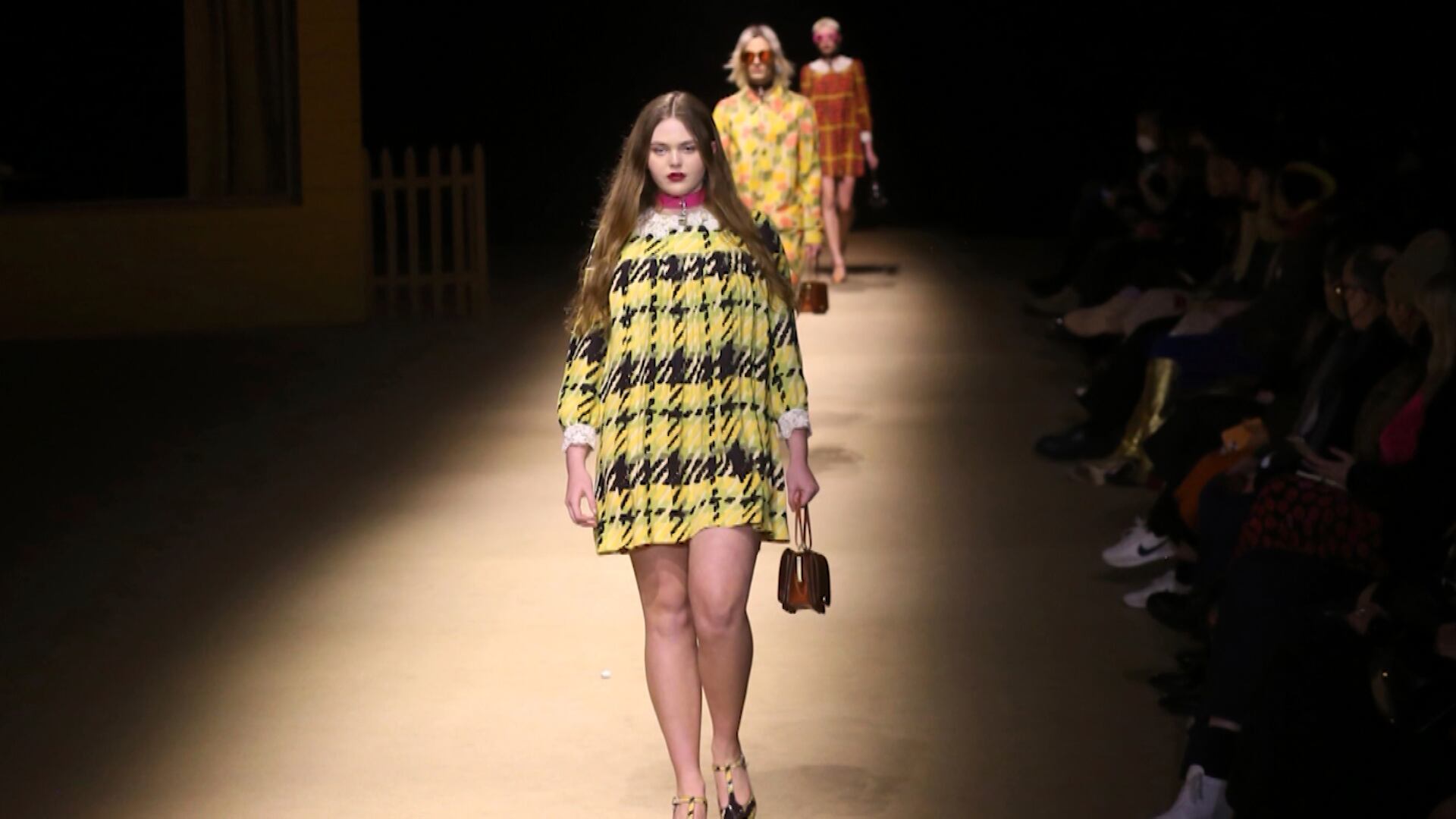
The fashion industry relies on trends and consumerism, and collections have historically been produced in a seasonal cycle. But in recent years, fast fashion has led to a higher turnover of collections and has created massive industry waste. As designers at New York Fashion Week tout their sustainable practices, has the industry fully committed to lessening its waste and potentially cutting back on production? Amy Odell, fashion journalist & author of 'ANNA: The Biography,' joins Cheddar Climate to discuss how the fashion industry is incorporating sustainable practices (or not), any potential accountability measures including the New York State Fashion Act, and more.