Food trucks in the U.S. have taken many forms, but have long been a popular option for dining. Now as the coronavirus pandemic alters the way we interact and engage with others, these kitchens on wheels may have a new function, especially on college campuses.
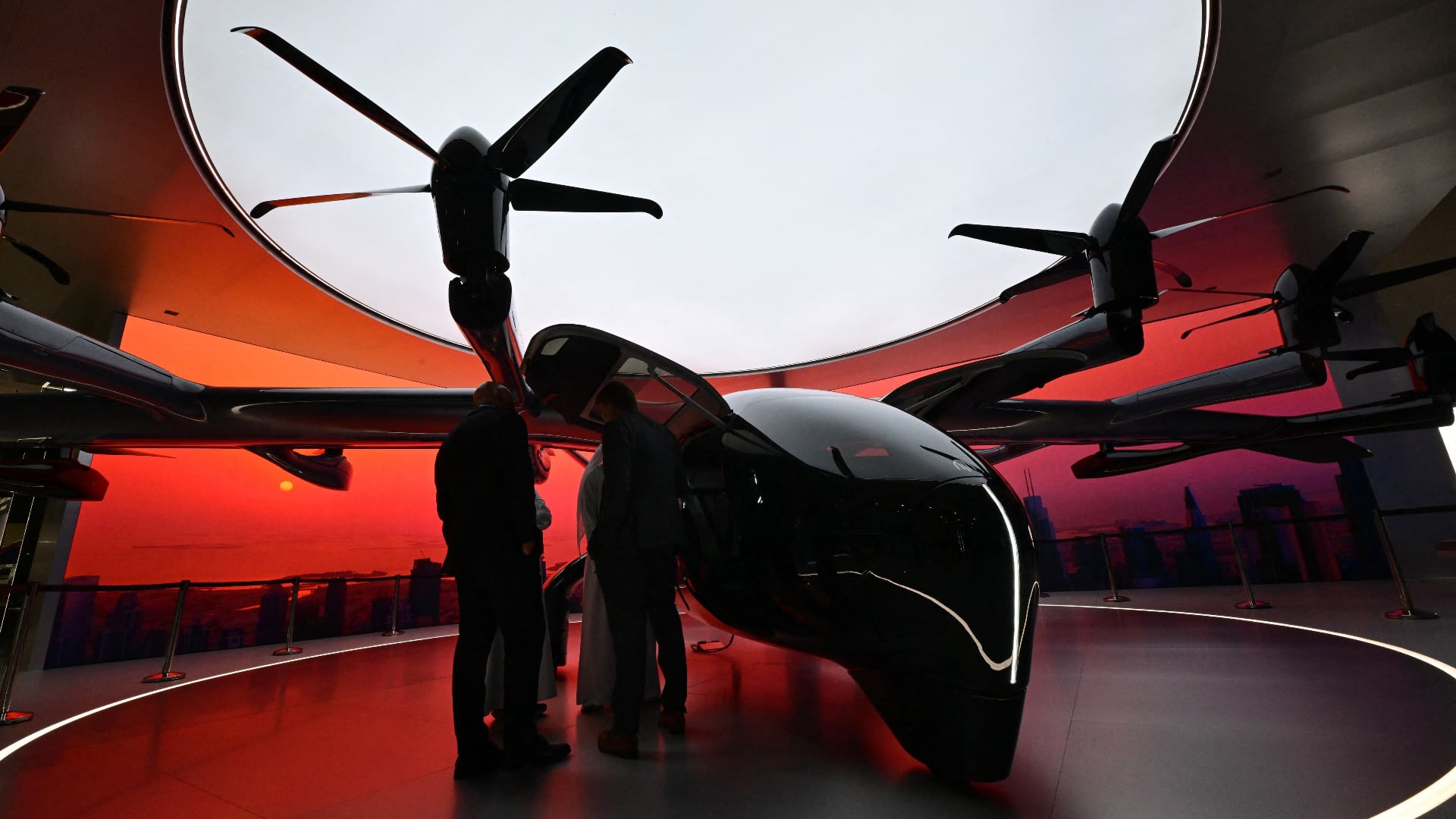
Rod Keller, CEO of the electric vehicle manufacturer AYRO is jumping at the opportunity to capitalize on the niche industry in a partnership with Gallery Carts. The new collaboration will combine AYRO's expertise in developing electric vehicles with Gallery's expertise in creating food delivery vehicles.
"Colleges are faced with, 'Well how do we provide food and beverage while at the same time, avoiding the mass crowds that you would typically see inside of a cafeteria?'" Keller told Cheddar.
So far, more than $500,000 has been poured into the collaboration as orders for the vehicles continue to amass. Keller said he's confident that as universities and other large campuses seek safer ways to feed their communities amid the pandemic, the need for their services will grow.
AYRO is also banking on buyers in higher education considering the long-term savings electric vehicles can provide. Keller said its electric vehicles save fleet operators at least 50 percent on fuel and energy costs.
"When people are moving cargo from one side of a university to another, or business campus, or hotel and resort, you don't need a full-sized truck with 400 miles of range running on gasoline to do that," Keller said.
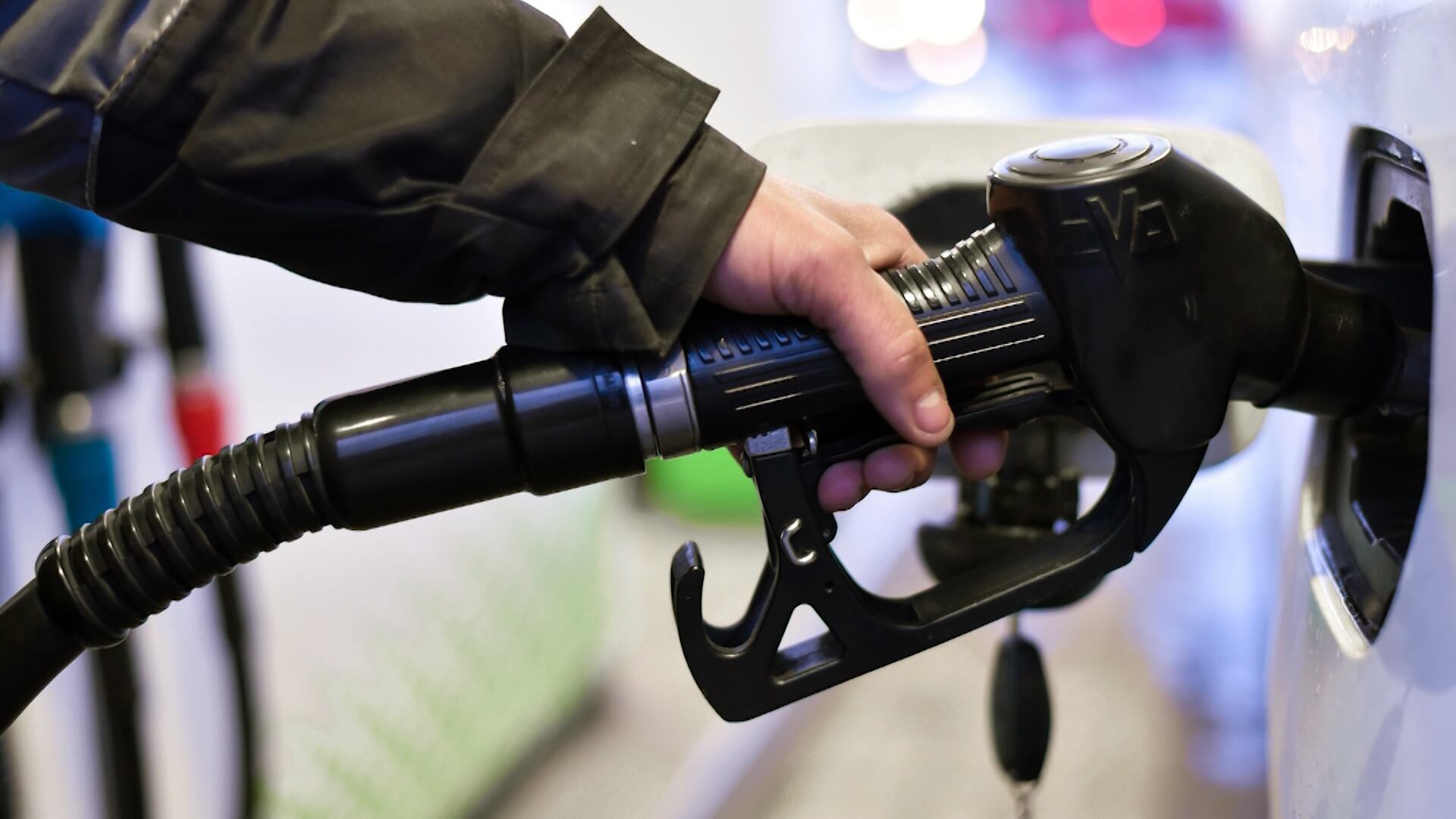
Catching you up on what you need to know on April 4, 2022, with reports of Russian war crimes in Ukraine, a weekend shooting in Sacramento killing six and injuring 12, Mexico ending its gas subsidization for U.S. drivers, and the University of South Carolina winning the women's NCAA basketball championship, and more.
Peter Zalzal, associate vice president for clean air strategies at the Environmental Defense Fund, a nonprofit environmental advocacy group, joined Cheddar to discuss the Biden Administration's unveiling of stricter fuel-efficiency standards for new automobiles. "The administration estimated that these rules will reduce about 2.5 billion tons of climate pollution by 2050, and using less fuel also means that we have to go to the gas pump less often. And so it means we save money, thousands of dollars in avoided fuel costs each year for consumers," he noted.
Tesla CEO Elon Musk is taking a 9.2% stake in Twitter to become the social media platform's largest shareholder. Musk purchased approximately 73.5 million shares, according to a regulatory filing Monday.
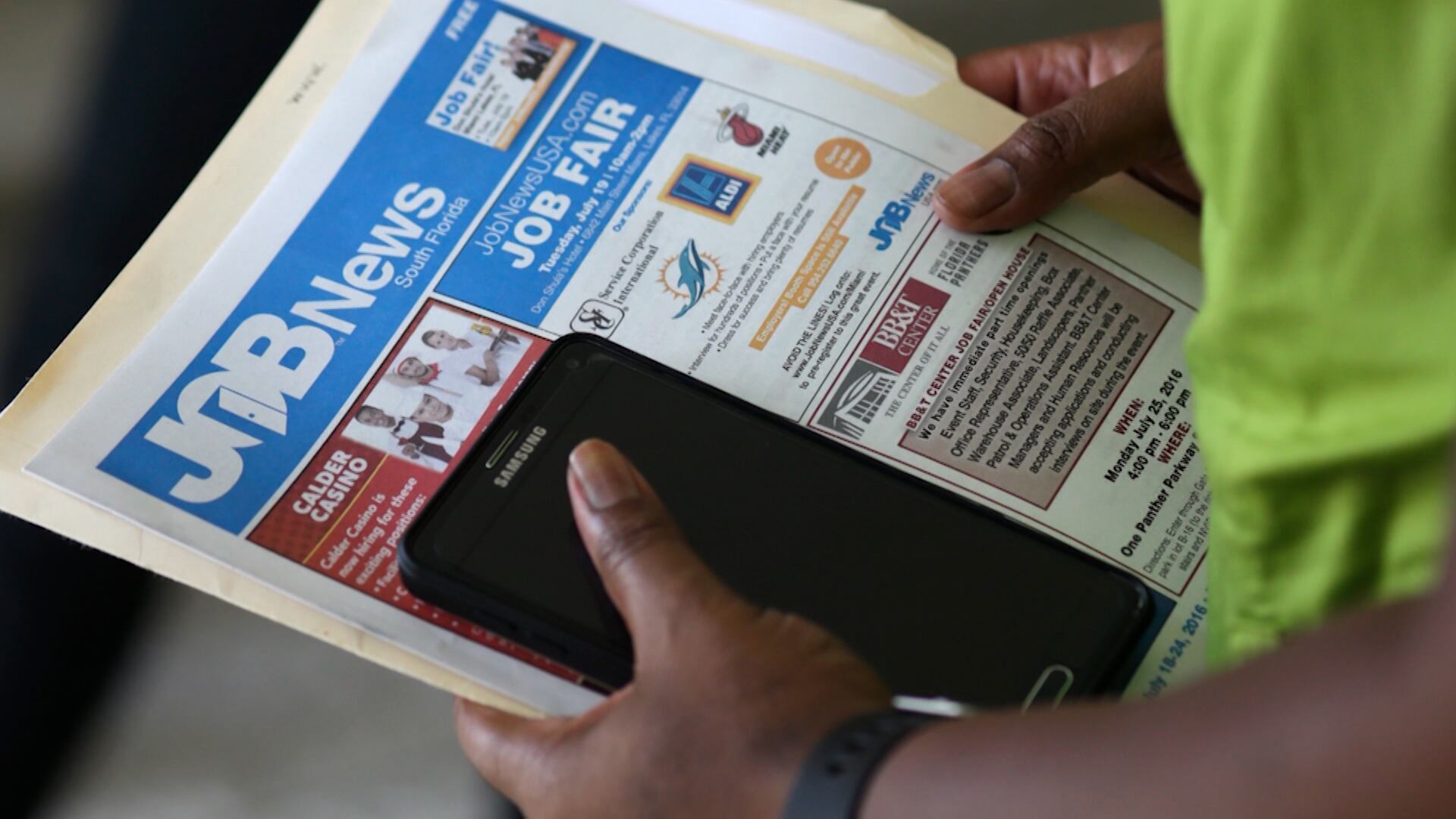
The relatively robust March jobs report showed that despite the low unemployment rate, Black, Hispanic, and women job seekers are still having difficulty finding work. William M. Rodgers III, the vice president and director of the Institute for Economic Equity at the Federal Reserve Bank of St. Louis noted that participation rates in the labor force ticked up for minorities, adding to other positive signs of growth. He also spoke to Cheddar News to discuss further the jobs figures, the state of the labor market, and rising inflation.