Food trucks in the U.S. have taken many forms, but have long been a popular option for dining. Now as the coronavirus pandemic alters the way we interact and engage with others, these kitchens on wheels may have a new function, especially on college campuses.
Rod Keller, CEO of the electric vehicle manufacturer AYRO is jumping at the opportunity to capitalize on the niche industry in a partnership with Gallery Carts. The new collaboration will combine AYRO's expertise in developing electric vehicles with Gallery's expertise in creating food delivery vehicles.
"Colleges are faced with, 'Well how do we provide food and beverage while at the same time, avoiding the mass crowds that you would typically see inside of a cafeteria?'" Keller told Cheddar.
So far, more than $500,000 has been poured into the collaboration as orders for the vehicles continue to amass. Keller said he's confident that as universities and other large campuses seek safer ways to feed their communities amid the pandemic, the need for their services will grow.
AYRO is also banking on buyers in higher education considering the long-term savings electric vehicles can provide. Keller said its electric vehicles save fleet operators at least 50 percent on fuel and energy costs.
"When people are moving cargo from one side of a university to another, or business campus, or hotel and resort, you don't need a full-sized truck with 400 miles of range running on gasoline to do that," Keller said.
Subscription plans aren't just for media businesses. From Alaska Airlines to Taco Bell, a greater number of companies across a wide variety of industries are testing or rolling out membership services of one kind or another. Blake Droesch, a senior analyst at Insider Intelligence, joined Cheddar News to discuss what's behind the growth of these plans and the advantages and disadvantages of the latest craze.
Nautilus Labs closed $34 million in funding from investors including the Microsoft Climate Innovation Fund. The company plans to use its funding to improve shipping industry efficiency with its software. Nautilus CEO Matt Heider joined Cheddar News to talk about how it tackles the carbon emissions in the global supply chain. "We've seen on 10-day voyages saving $60,000 worth of fuel just by managing speed with greater confidence around the future. The environmental impact of that is also huge," he said. "Saving that amount of fuel is a kind of taking over 1000 cars off the road this year."
A Glassdoor study reports that internship programs at companies like Roblox, Uber, and Salesforce offered the highest compensation levels in 2020 — nearly $10,000 a month. Daniel Zhao, a senior economist at Glassdoor, joined Cheddar News to talk about why big tech companies are paying top dollar for their interns. "I think what we're seeing is that companies are pushing more aggressively to engage with these candidates before they’ve even graduated, really because of the level of competition that they are facing, especially for these very high-value STEM graduates," he said.
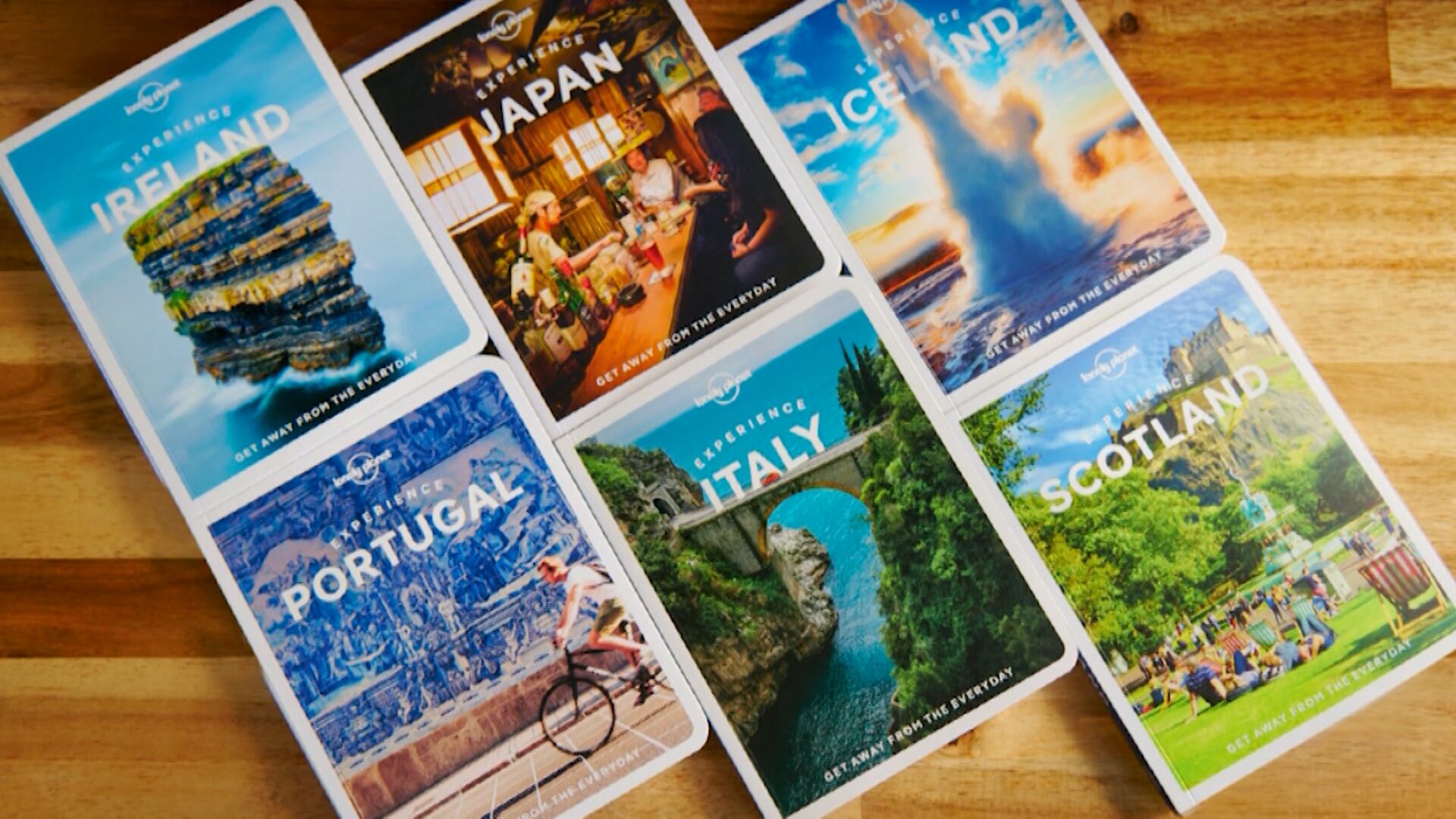
Lonely Planet is looking to provide tech-savvy travelers with the building blocks to plan their own trips in a new travel experience series. Sebastian Modak, editor-at-large for Lonely Planet, joined Cheddar News to discuss its travel planning innovation. "We’re really offering new perspectives on these places and new approaches to experiencing them," Modak said.
The Week's Top Stories is a guided tour through the biggest market stories of the week, from winning stocks to brutal dips to the facts and forecasts generating buzz on Wall Street.
Dubbed the "Ethereum Killer," Solana is known for its super-fast, low-cost transactions, which has proven attractive to defi companies looking to scale up quickly.