Food trucks in the U.S. have taken many forms, but have long been a popular option for dining. Now as the coronavirus pandemic alters the way we interact and engage with others, these kitchens on wheels may have a new function, especially on college campuses.
Rod Keller, CEO of the electric vehicle manufacturer AYRO is jumping at the opportunity to capitalize on the niche industry in a partnership with Gallery Carts. The new collaboration will combine AYRO's expertise in developing electric vehicles with Gallery's expertise in creating food delivery vehicles.
"Colleges are faced with, 'Well how do we provide food and beverage while at the same time, avoiding the mass crowds that you would typically see inside of a cafeteria?'" Keller told Cheddar.
So far, more than $500,000 has been poured into the collaboration as orders for the vehicles continue to amass. Keller said he's confident that as universities and other large campuses seek safer ways to feed their communities amid the pandemic, the need for their services will grow.
AYRO is also banking on buyers in higher education considering the long-term savings electric vehicles can provide. Keller said its electric vehicles save fleet operators at least 50 percent on fuel and energy costs.
"When people are moving cargo from one side of a university to another, or business campus, or hotel and resort, you don't need a full-sized truck with 400 miles of range running on gasoline to do that," Keller said.
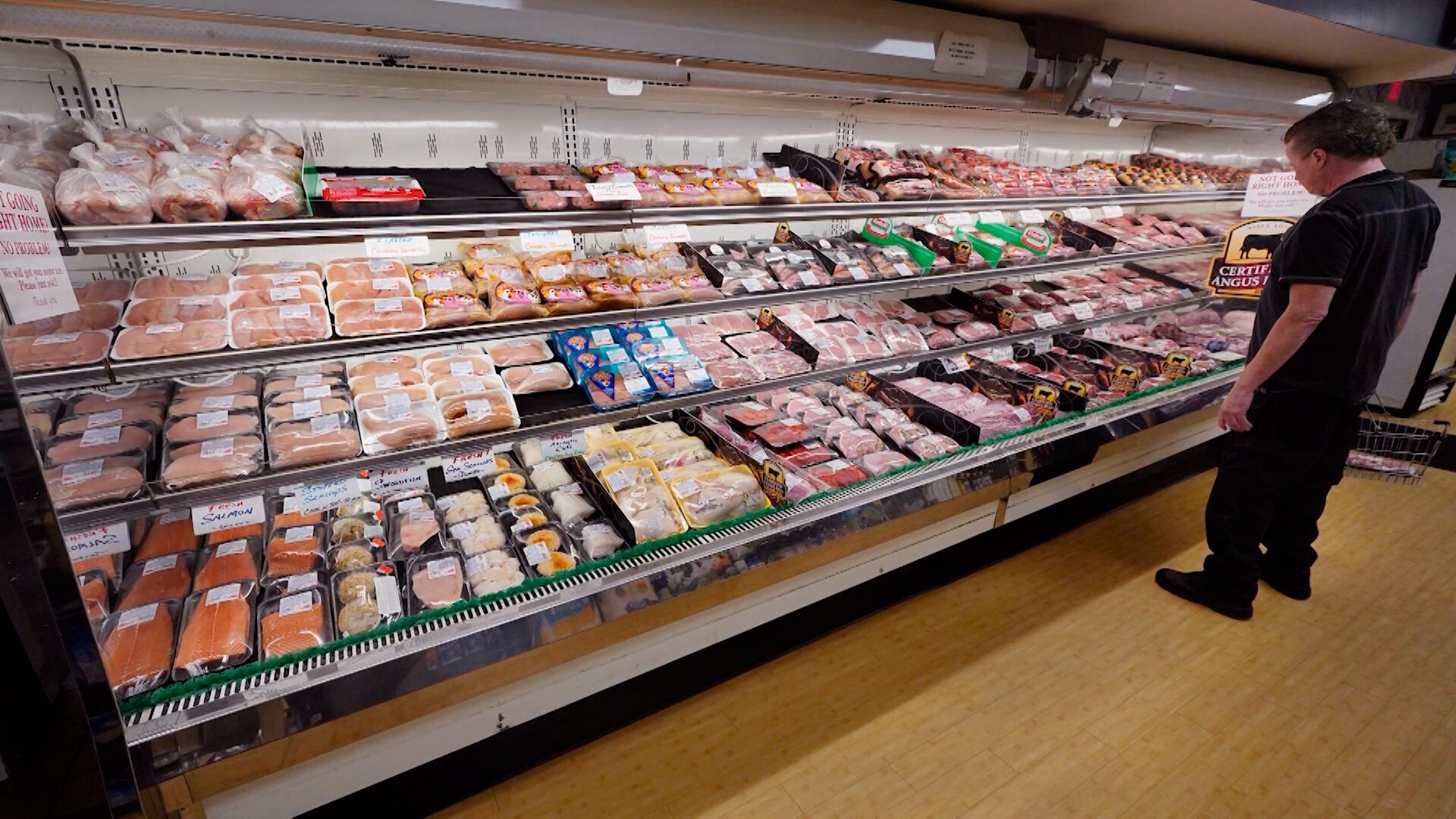
The White House is earmarking $2.1 billion to help secure the nation's food supply, amid widespread shortages due to the pandemic, Russia's war in Ukraine, and rising inflation. The Biden administration's plans are expected to shore up food infrastructure and distribution while also aiding farmers. Bread for the World Senior International Policy Advisor Abiola Afolayan joined Cheddar News' Closing Bell to discuss.
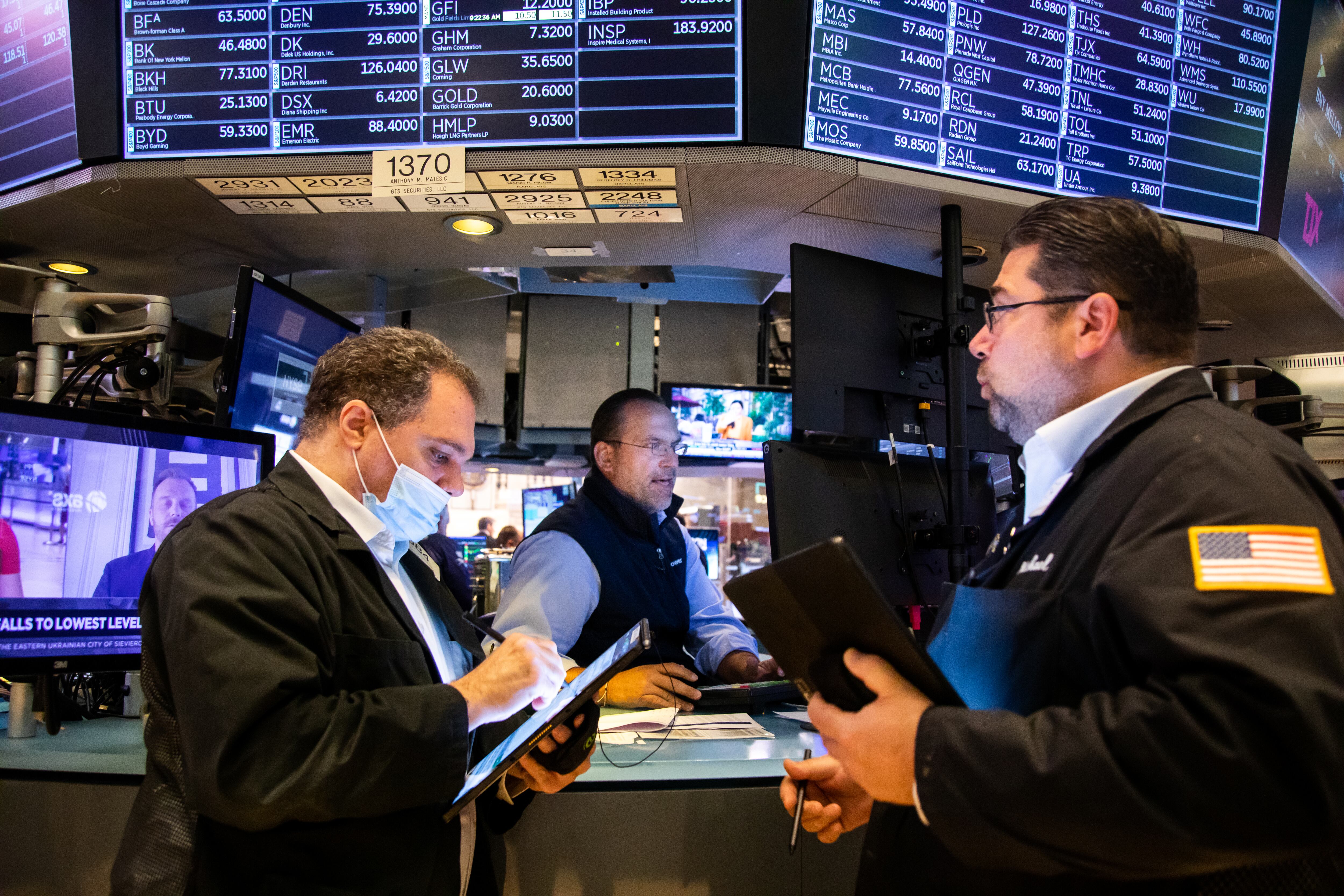
Concerns about economic growth are weighing down sentiment on Wall Street, as investors also monitor the uncertain impact of the Federal Reserve's quantitative tightening - the process of reducing its $9 trillion balance sheet it built up over the course of the pandemic. The Fed's QT is meant to normalize monetary policy while bringing down inflation, something the White House calls a 'top economic priority.' As Americans cope with higher prices for everyday essentials, Treasury Secretary Janet Yellen admitted that she was wrong about inflation being 'transitory,' as extenuating factors have caused inflation from the pandemic to worsen. JPMorgan CEO Jamie Dimon also weighed in on inflation and the state of the economy, warning investors to brace for a so-called economic 'hurricane' due to impacts from inflation and Russia's war in Ukraine. The still-tight job market is putting pressure on the economy as well, as the latest JOLTS report shows job openings in the U.S. are down from record highs but remain high.
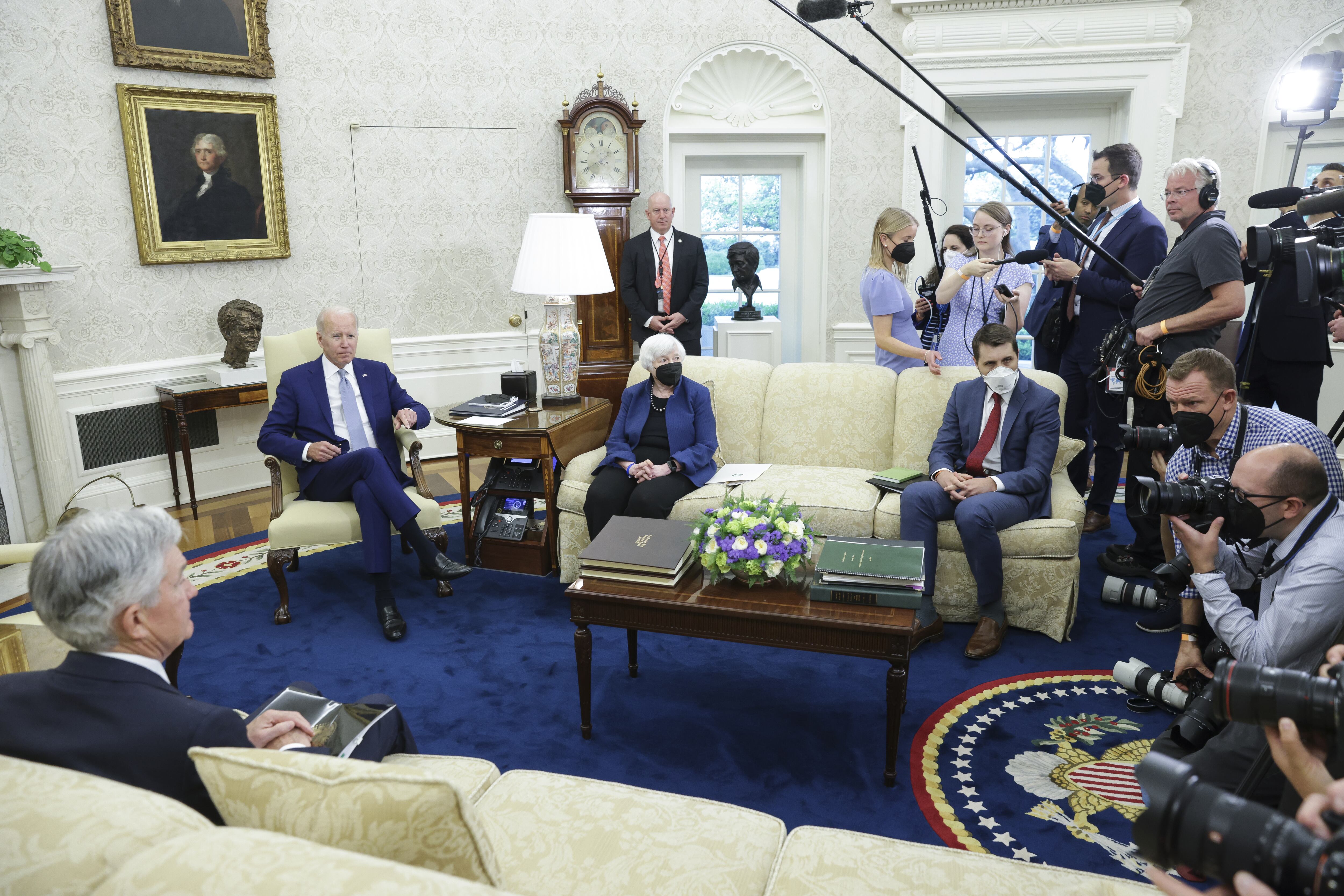
President Biden and Federal Reserve chair Jerome Powell meet at the White House today for the first time since Powell's renomination to the position. The President and the Fed Chair discussed the economy and historically high inflation, as new data shows inflation may be cooling slightly. Morning Consult economic analyst Jesse Wheeler joins Cheddar News' Closing Bell to discuss how the Biden administration at the U.S. central bank can work together to combat soaring prices for American consumers.
Gene Goldman, Chief Investment Officer at Cetera, joins Cheddar News' Closing Bell, where he breaks down the reasons behind Thursday's bounce-back performance on Wall Street. Goldman also provides a dose of investing advice, highlighting the sectors he's favoring right now.
David Scranton, CEO and Founder of Sound Income Strategies, joins Cheddar News' Closing Bell, where he provides his insight into why markets ended Wednesday's session lower and hones in on what he's looking for when it comes to the Fed combating inflation.
ADP's Chief Economist Nela Richardson joins Cheddar News' Closing Bell for a look at the job market in the United States. She breaks down the numbers behind her firm's latest findings and says her biggest concern lies in the continuing loss of jobs at small businesses, which shed 91,000 jobs during the month of May.
Tech-enabled residential hospitality company Mint House recently raised $35 million in a Series B round led by Mohari Hospitality. Mint House was described by one of its backers as 'the best of a hotel without the worst of a hotel, and the best of an Airbnb without the worst of an Airbnb.' Mint House offers apartment-style lodging across the country. The company claims its spaces combine the comfort of a home with the luxury of a hotel in order to give guests all of the perks and none of the tradeoffs. Will Lucas, Founder and CEO of Mint House, joins Cheddar News' Closing Bell to discuss.
As the broader tech sector faces continued headwinds, Microsoft in particular is slashing its fourth quarter outlook for another reason: the strength of the dollar. Why is it that a strong dollar is negatively impacting tech giants? And what should investors keep in mind? Tim Lesko, director and senior wealth advisor at Mariner Wealth Advisors, joins Closing Bell to discuss.