Food trucks in the U.S. have taken many forms, but have long been a popular option for dining. Now as the coronavirus pandemic alters the way we interact and engage with others, these kitchens on wheels may have a new function, especially on college campuses.
Rod Keller, CEO of the electric vehicle manufacturer AYRO is jumping at the opportunity to capitalize on the niche industry in a partnership with Gallery Carts. The new collaboration will combine AYRO's expertise in developing electric vehicles with Gallery's expertise in creating food delivery vehicles.
"Colleges are faced with, 'Well how do we provide food and beverage while at the same time, avoiding the mass crowds that you would typically see inside of a cafeteria?'" Keller told Cheddar.
So far, more than $500,000 has been poured into the collaboration as orders for the vehicles continue to amass. Keller said he's confident that as universities and other large campuses seek safer ways to feed their communities amid the pandemic, the need for their services will grow.
AYRO is also banking on buyers in higher education considering the long-term savings electric vehicles can provide. Keller said its electric vehicles save fleet operators at least 50 percent on fuel and energy costs.
"When people are moving cargo from one side of a university to another, or business campus, or hotel and resort, you don't need a full-sized truck with 400 miles of range running on gasoline to do that," Keller said.
Walmart, which last month reported lackluster earnings, is making a big bet on enhancing its warehouse technology. The big box giant will open new facilities that use automation in order to fill more orders and deliver them within a competitive timeframe, like same-day or two-day delivery in order to compete with e-commerce king Amazon. Will these efforts give Walmart an advantage, and maybe even help it beat Amazon in multiple categories? Arun Sundaram, senior equity analyst at CFRA Research, joins Closing Bell to discuss.
Major business leaders are taking in the current U.S. economic backdrop — including inflation and a first-quarter GDP contraction — and voicing pessimistic outlooks about what the economy will do. Meanwhile, the question on everyone's mind is still whether or not we will enter a recession, and when. Mike 'Mish' Shedlock, an investment advisor at Sitka Pacific Capital Management, says on Closing Bell that business leaders aren't anxious enough, and that it's likely the U.S. will enter a recession early in the third quarter of this year.
Los Angeles Rams wide receiver Cooper Kupp is partnering with eye-drop brand Pataday to help those struggling with allergies — such as himself. The Super Bowl LVI MVPjoined Cheddar News to discuss his own struggle with seasonal allergies. “It's right when football's starting back up, I feel like I get so excited to finally be back playing the game, and then, you know, spring comes around and completely knocks me out," he said.
After a week of changes including a ticker change and longtime COO Sheryl Sandberg stepping down, Meta's future may seem uncertain. Cheddar News anchors Kristen Scholer and Ken Buffa broke it all down a the stock dropped around 4 percent on Friday amid a flurry of speculation around the company formerly known as Facebook.
The Week's Top Stories is a guided tour through the biggest market stories of the week, from winning stocks to brutal dips to the facts and forecasts generating buzz on Wall Street.
Buy now, pay later — or point-of-sales loans — might be making it difficult to get a handle on your credit. These companies typically do not report payment history during transactions, so without this data going to credit scoring companies, it makes it difficult to know how many loans a customer still needs to pay. Experts are recommend paying off these debts as soon as possible.
A new survey from LendingClub and Pyments.com shows that more than one-third of Americans making $250,000 are living paycheck to paycheck. The alarming trend is being found mostly among millennial earners.
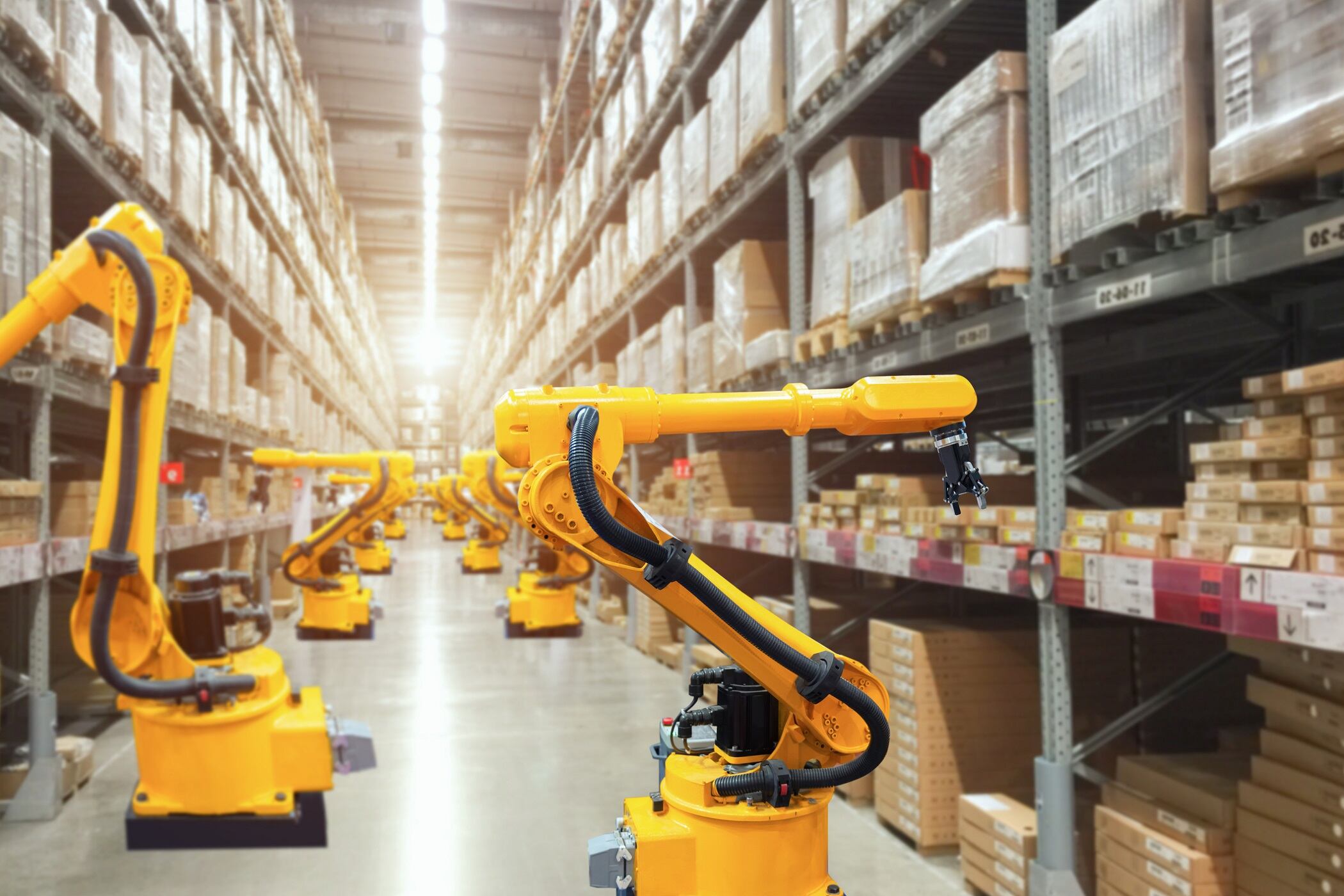
As manufacturing and shipping continue to face staffing challenges, robotic replacements are increasingly on their way to plug the gaps. Cheddar's Alex Vuocolo takes a deeper look at the latest trend.