Food trucks in the U.S. have taken many forms, but have long been a popular option for dining. Now as the coronavirus pandemic alters the way we interact and engage with others, these kitchens on wheels may have a new function, especially on college campuses.
Rod Keller, CEO of the electric vehicle manufacturer AYRO is jumping at the opportunity to capitalize on the niche industry in a partnership with Gallery Carts. The new collaboration will combine AYRO's expertise in developing electric vehicles with Gallery's expertise in creating food delivery vehicles.
"Colleges are faced with, 'Well how do we provide food and beverage while at the same time, avoiding the mass crowds that you would typically see inside of a cafeteria?'" Keller told Cheddar.
So far, more than $500,000 has been poured into the collaboration as orders for the vehicles continue to amass. Keller said he's confident that as universities and other large campuses seek safer ways to feed their communities amid the pandemic, the need for their services will grow.
AYRO is also banking on buyers in higher education considering the long-term savings electric vehicles can provide. Keller said its electric vehicles save fleet operators at least 50 percent on fuel and energy costs.
"When people are moving cargo from one side of a university to another, or business campus, or hotel and resort, you don't need a full-sized truck with 400 miles of range running on gasoline to do that," Keller said.
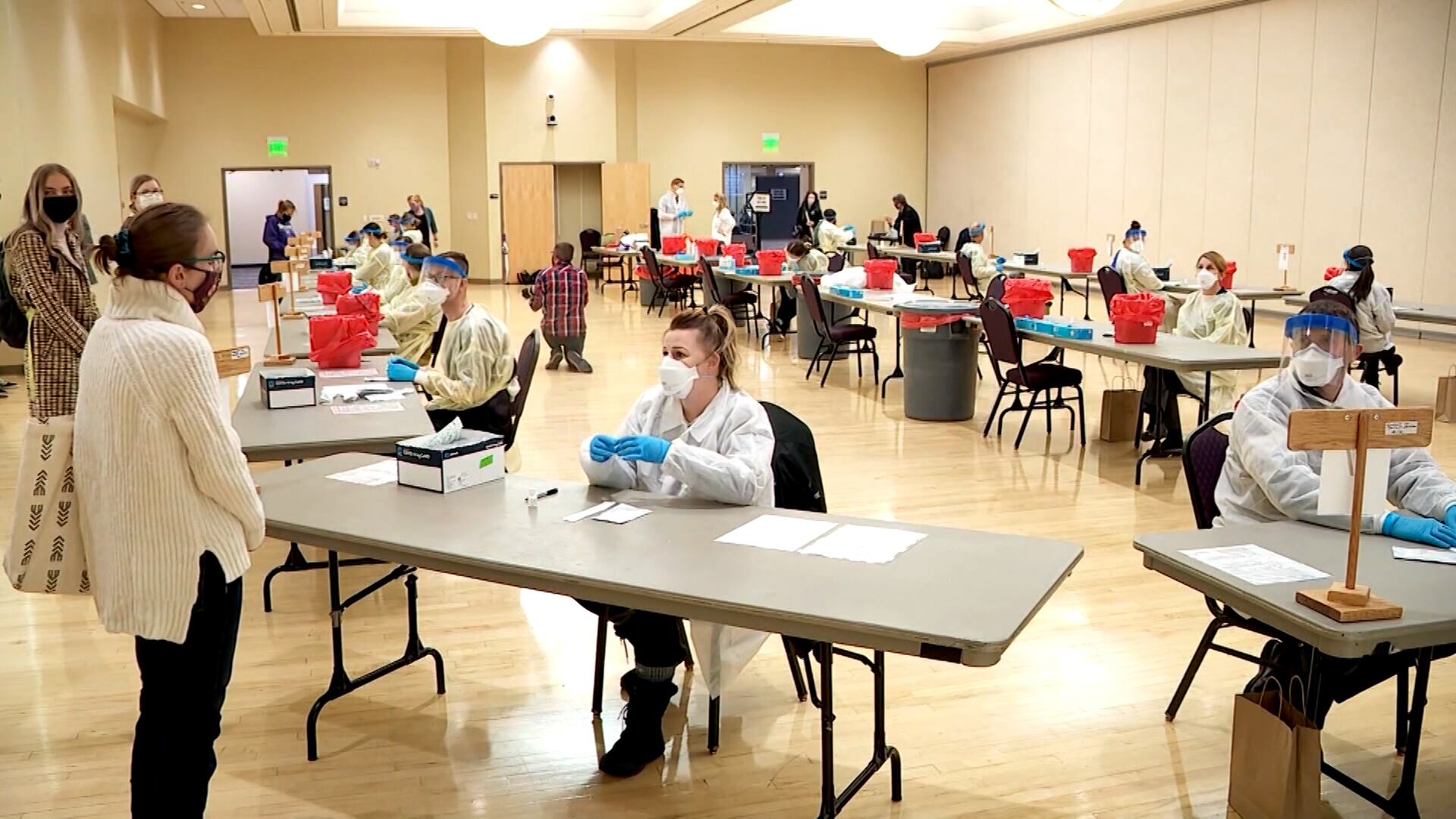
Gov. Daniel McKee breaks down the economic benefits of having a COVID 'test-to-treat' clinic in the state and shares his take on how to quell gun violence in the U.S.
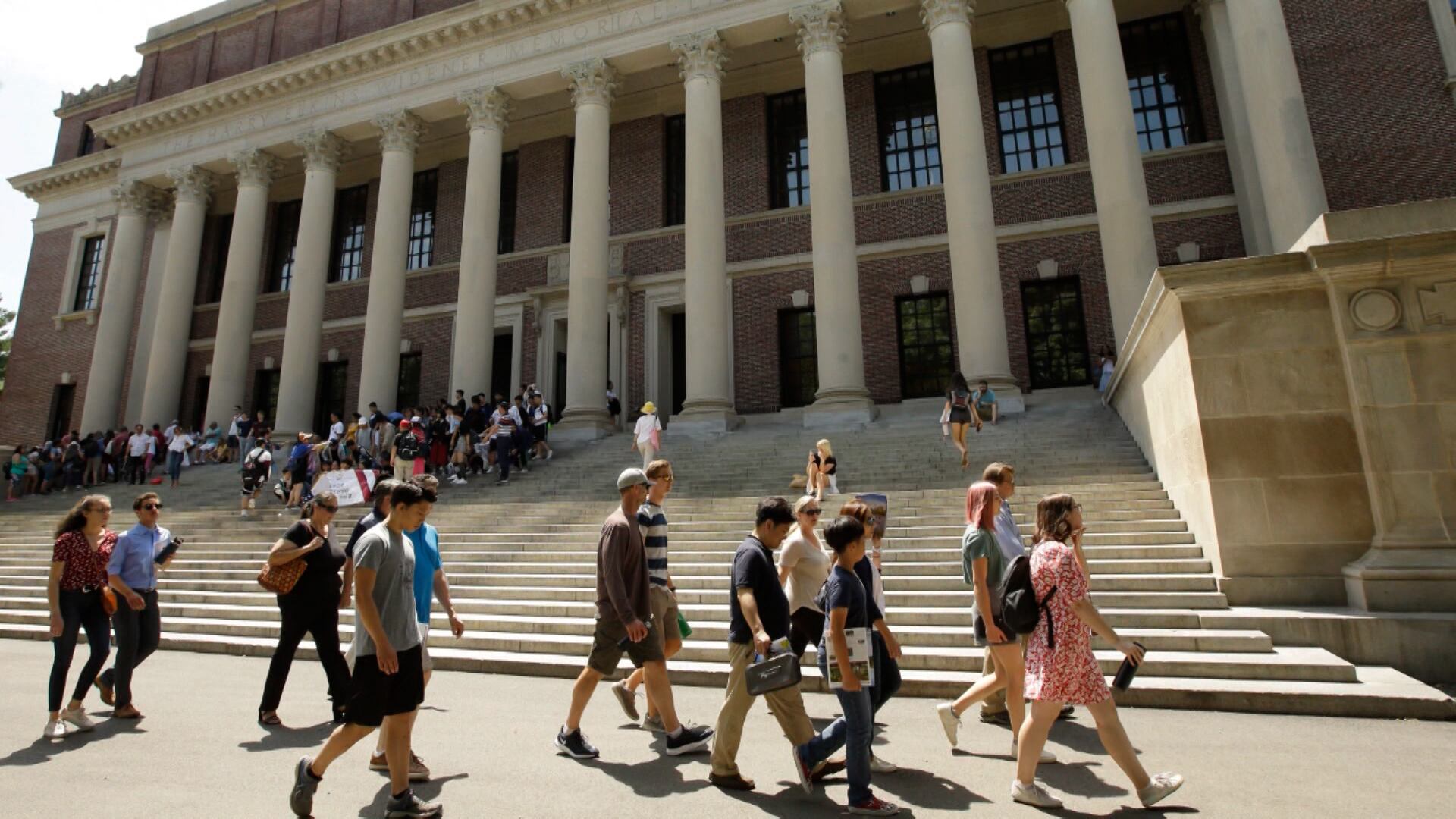
Jonathan Fansmith, Asst. VP of Government Relations at American Council on Education, talks about the factors attributing to lower college enrolments and what institutes are doing to incentive attendees.
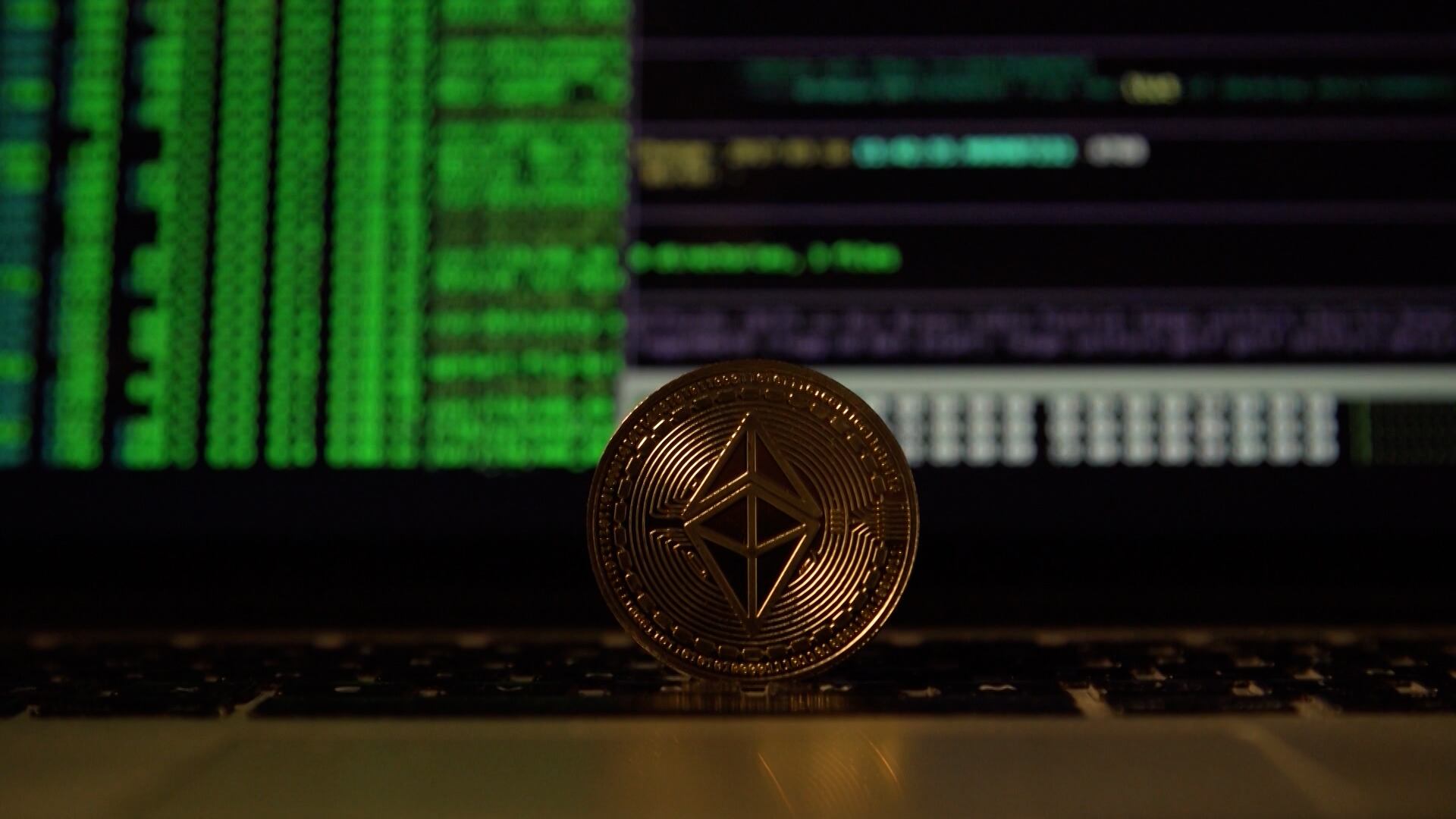
Scammers are cashing in on the crypto craze. According to a new report from the FTD, fraudsters have stolen more than $1 billion in crypto from 46,000 people since 2021. That's $1 out of every $4 reported lost to scammers paid in cryptocurrency, more than any other payment method. Chris Pierson, the founder and CEO of BlackCloak, gives tips on how to protect yourself from scammers.
Inflation is forcing many Americans to put their retirement plans on hold. According to a new survey from BMO Harris Bank, 25% of people will need to delay their retirement because of rising prices, and 21% of respondents are saving less money for retirement to keep up with the growing costs. Paul Dilda, Head of Consumer Strategy at BMO Harris Bank, breaks down the survey and gives some tips on how to keep up with rising prices.
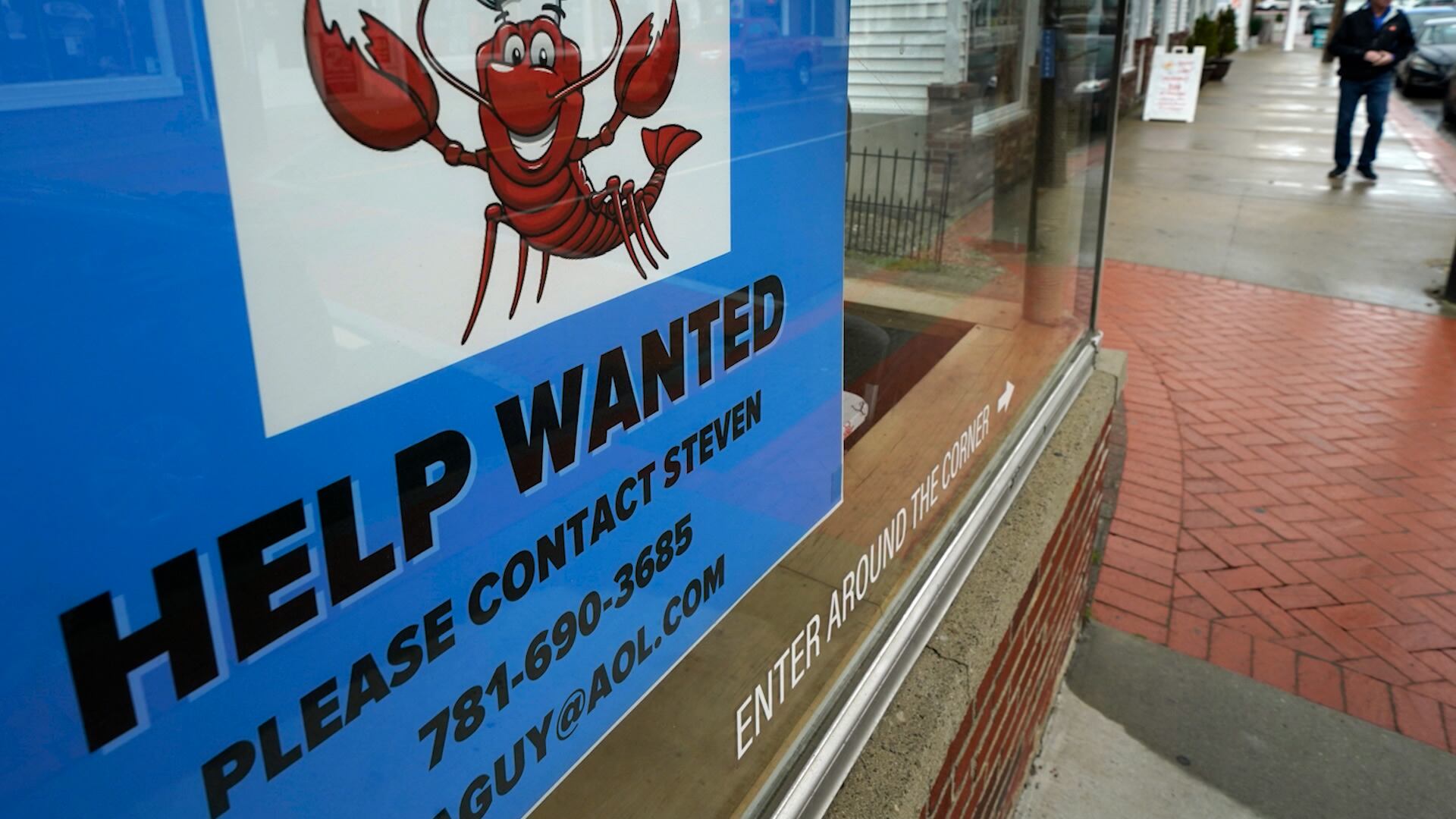
The labor market continues to be hot, with job openings at record highs and jobless claims dropping by the thousands. While that's good news for workers, experts say it can add to inflation risks and make the Fed's job even harder when it comes to cooling inflation. José Torres, Senior Economist at Interactive Brokers, breaks down what a tight labor market means for the economy.
Amazon's stock split officially takes effect today. It's a 20-for-1 split, meaning if you own one share of the e-commerce giant, you'll have 20 shares after the split, with each costing about 1/20th of the previous price. Jeff Zananiri, the head trading strategist at Joy of the Trade, breaks down what the stock split means for investors.
The labor market continues to be strong. The U.S. added 390,000 jobs in May, while the unemployment rate held steady at 3.6%. Julia Pollak, Chief Economist for ZipRecruiter, breaks down the latest data and what it means for the economy.
In another round of sweeping sanctions against Russia for its war on Ukraine, European Union leaders have agreed to ban the vast majority of Russian oil by the end of the year. But, the embargo covers only Russian oil brought in by sea, allowing an exemption for fuel imported via pipeline. Christine McDaniel, a senior fellow with the Mercatus Center, discusses just how significant this deal is, and what impact it might have on the global energy sector.