Food trucks in the U.S. have taken many forms, but have long been a popular option for dining. Now as the coronavirus pandemic alters the way we interact and engage with others, these kitchens on wheels may have a new function, especially on college campuses.
Rod Keller, CEO of the electric vehicle manufacturer AYRO is jumping at the opportunity to capitalize on the niche industry in a partnership with Gallery Carts. The new collaboration will combine AYRO's expertise in developing electric vehicles with Gallery's expertise in creating food delivery vehicles.
"Colleges are faced with, 'Well how do we provide food and beverage while at the same time, avoiding the mass crowds that you would typically see inside of a cafeteria?'" Keller told Cheddar.
So far, more than $500,000 has been poured into the collaboration as orders for the vehicles continue to amass. Keller said he's confident that as universities and other large campuses seek safer ways to feed their communities amid the pandemic, the need for their services will grow.
AYRO is also banking on buyers in higher education considering the long-term savings electric vehicles can provide. Keller said its electric vehicles save fleet operators at least 50 percent on fuel and energy costs.
"When people are moving cargo from one side of a university to another, or business campus, or hotel and resort, you don't need a full-sized truck with 400 miles of range running on gasoline to do that," Keller said.
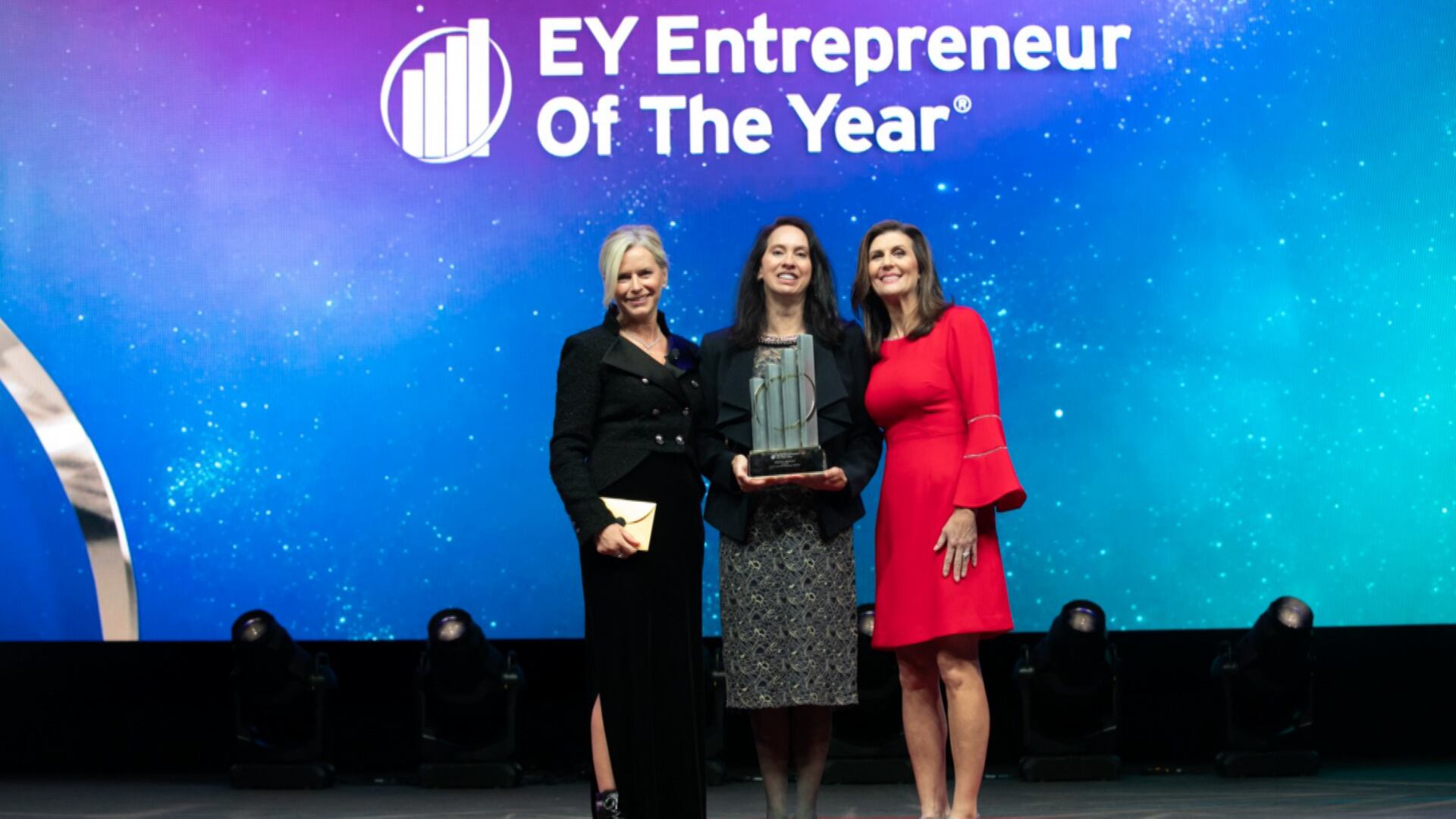
November is National Entrepreneurship Month. Sam Johnson, EY Americas Vice Chair of Markets and Accounts, joins Cheddar to discuss the winner for EY's National Entrepreneur of The Year award, why entrepreneurship is so important to the U.S. economy, and how entrepreneurs can contribute to the growth and success of Fortun 500 companies.
Jill and Carlo cover the latest with the infrastructure bill, the growing state rebellion over boosters, Trump's dereliction of duty on the pandemic, Taylor Swift's reign of cultural domination and more.
2021 has been the year of many things, and one of them is the NFT or non-fungible token. We've seen NFTs come about for so many different things.
Digital artists have used them to sell their artwork in a more traditional art transaction than the internet had previously allowed. We've seen specific NFT campaigns like the pudgy penguins amass large followings. And now we're seeing them expand into horror films just in time for spooky season.
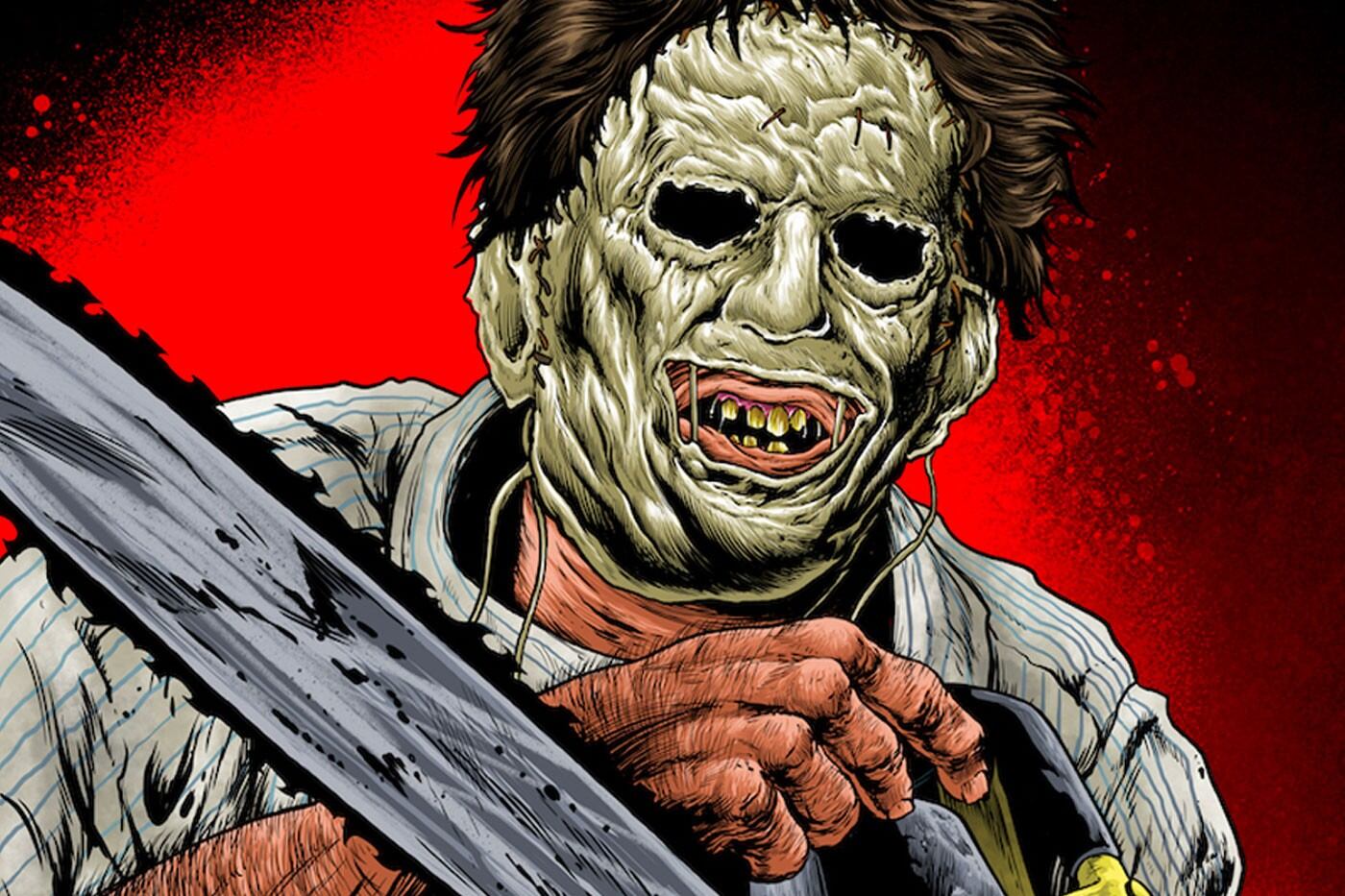
The iconic horror movie franchise "Texas Chainsaw Massacre" has launched its debut NFT line entitled "Leatherfaces." the illustrations are designed by Skinner in partnership with Ultra Rare to reveal a total of over 10,000 Leatherface avatars. The collection gives fans, NFT fiends and blockchain fanatics access to a new Texas Chainsaw Massacre metaverse unlike any that has been seen before.
Richie Hobson, co-founder of Ultra Rare, joins None of the Above to discuss.
As labor unrest continues to sweep the U.S. with strikes still underway in various industries and millions of workers quitting in September, Starbucks workers in Buffalo, N.Y., are close to voting on potentially unionizing their own workplaces. President of Northern Virginia AFL-CIO Virginia Diamond spoke to Cheddar's News Wrap about what the organizing workers are looking for from the coffee chain in terms of benefits and protections.
Ballots have been sent to workers at three different Starbucks locations in Buffalo, NY to decide whether they will unionize for the first time ever. Wilma Liebman, former Chair of the National Labor Relations Board and Michelle Eisen from the Starbucks Workers United Organization, which is behind this vote, joined Cheddar to discuss.
With transportation-based companies generating plenty of buzz recently, Cheddar News spoke with Hertz interim CEO Mark Fields about his company relisting on the Nasdaq, WheelsUp CEO Kenny Dichter about his company's historic Q3 earnings report, and Lime CEO Wayne Ting about his company's plans to go public.