Food trucks in the U.S. have taken many forms, but have long been a popular option for dining. Now as the coronavirus pandemic alters the way we interact and engage with others, these kitchens on wheels may have a new function, especially on college campuses.
Rod Keller, CEO of the electric vehicle manufacturer AYRO is jumping at the opportunity to capitalize on the niche industry in a partnership with Gallery Carts. The new collaboration will combine AYRO's expertise in developing electric vehicles with Gallery's expertise in creating food delivery vehicles.
"Colleges are faced with, 'Well how do we provide food and beverage while at the same time, avoiding the mass crowds that you would typically see inside of a cafeteria?'" Keller told Cheddar.
So far, more than $500,000 has been poured into the collaboration as orders for the vehicles continue to amass. Keller said he's confident that as universities and other large campuses seek safer ways to feed their communities amid the pandemic, the need for their services will grow.
AYRO is also banking on buyers in higher education considering the long-term savings electric vehicles can provide. Keller said its electric vehicles save fleet operators at least 50 percent on fuel and energy costs.
"When people are moving cargo from one side of a university to another, or business campus, or hotel and resort, you don't need a full-sized truck with 400 miles of range running on gasoline to do that," Keller said.
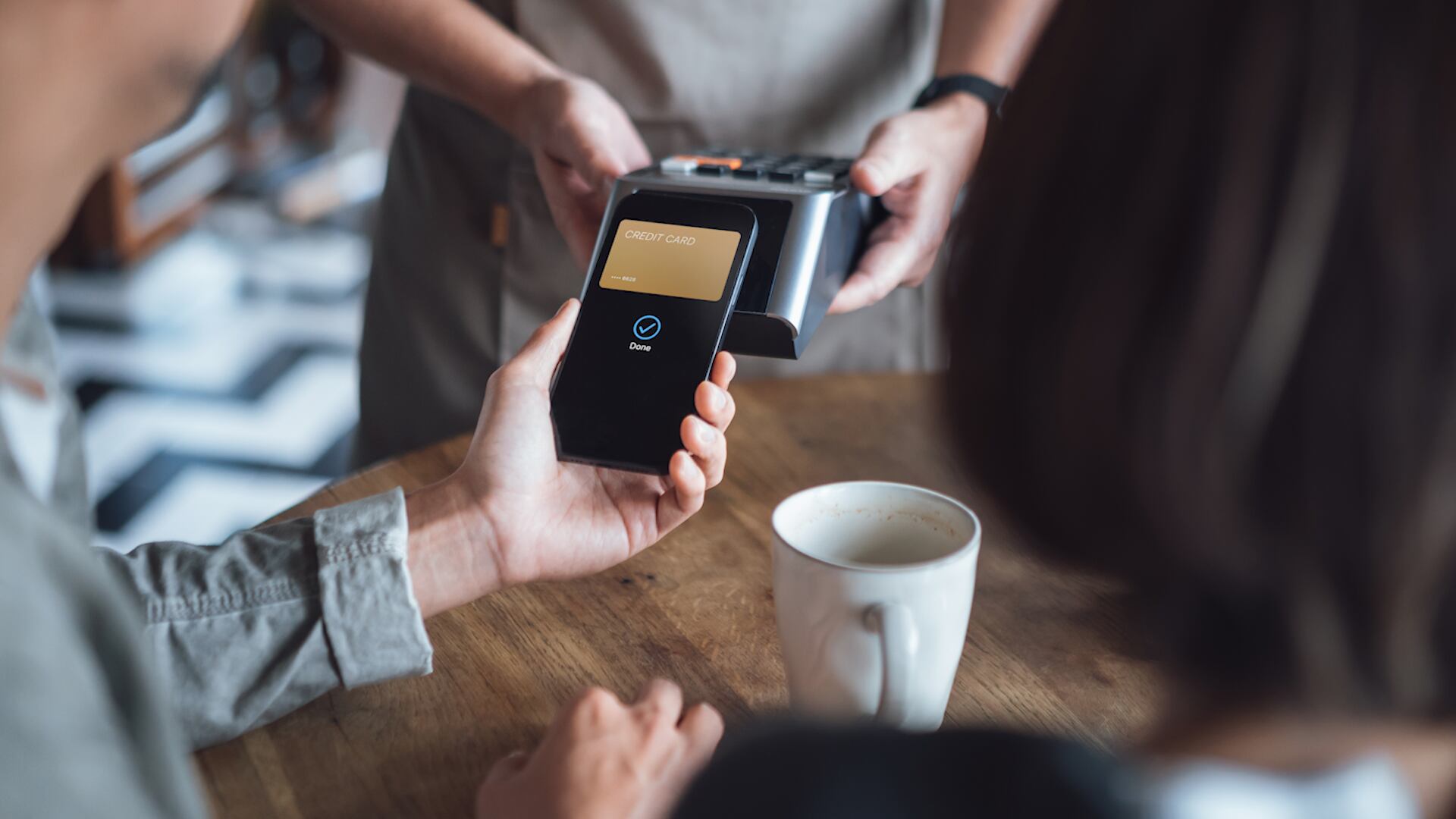
Yair Nechmad, Nayax CEO, joins Cheddar Reveals to discuss the future of cashless payments, and how cashless payments give retailers a competitive edge and allow merchants to scale business.
Bentley aims to become end-to-end carbon neutral by 2030. The luxury car brand has outlined steps to achieve this goal, including switching its entire model range to plug-in hybrid or battery electric vehicles by 2026 and become fully electric by 2030. Christophe Georges, president & CEO of Bentley Americas, joined Cheddar to discuss this new pledge and what consumers can expect from future models.
PepsiCo has announced a new goal to advance food security for 50 million people by 2030. To help achieve this goal, the company is partnering with local communities around the world to expand access to nutritious foods, increase productivity and incomes of small-scale farmers. Jon Banner, president of the PepsiCo Foundation, joined Cheddar to discuss this new pledge and his argument for why the world has to rethink the way it produces and distributes food.
ORIGYN Foundation, an NFT authentication start-up based in Switzerland, has secured $20 million in funding from investors like Paris Hilton, Bill Ackman, and Polychain Capital, among others. The non-profit, now valued at $300 million, uses AI technology to verify non-fungible tokens across art, collectibles, digital media and luxury goods. Daniel Haudenschild, CEO of ORIGYN Entreprise, discusses how the money will help put power back into the hands of artists, creators, and collectors.
With millions of Americans set to host Thanksgiving this year, shoppers can expect to pay more at grocery stores, with the price of a thanksgiving meal up 14% from last year. According to the USDA, the average price of an 8- to 16-pound frozen turkey is up 21% from a year ago. Jay Jandrain, CEO, Butterball, joined Cheddar’s Opening Bell to discuss how his company is being affected by supply chain challenges and rising prices.
After being plagued by supply chain delays for the better part of a year and a half, officials at California ports have reversed course on fines for cargo containers left at docks for extended periods, citing an easing of the bottlenecks at Los Angeles and Long Beach.