Food trucks in the U.S. have taken many forms, but have long been a popular option for dining. Now as the coronavirus pandemic alters the way we interact and engage with others, these kitchens on wheels may have a new function, especially on college campuses.
Rod Keller, CEO of the electric vehicle manufacturer AYRO is jumping at the opportunity to capitalize on the niche industry in a partnership with Gallery Carts. The new collaboration will combine AYRO's expertise in developing electric vehicles with Gallery's expertise in creating food delivery vehicles.
"Colleges are faced with, 'Well how do we provide food and beverage while at the same time, avoiding the mass crowds that you would typically see inside of a cafeteria?'" Keller told Cheddar.
So far, more than $500,000 has been poured into the collaboration as orders for the vehicles continue to amass. Keller said he's confident that as universities and other large campuses seek safer ways to feed their communities amid the pandemic, the need for their services will grow.
AYRO is also banking on buyers in higher education considering the long-term savings electric vehicles can provide. Keller said its electric vehicles save fleet operators at least 50 percent on fuel and energy costs.
"When people are moving cargo from one side of a university to another, or business campus, or hotel and resort, you don't need a full-sized truck with 400 miles of range running on gasoline to do that," Keller said.
The market saw investors react to comments by the World Health Organization's chief scientist, who suggested existing vaccines are likely to offer protection against the new variant. According to Thomas Hayes, chairman of Great Hill Capital, the next two weeks will be crucial as the markets watch for not only the effects of the Omicron variant, but also the Fed's decision on a taper.
Jason Moser, Senior Analyst at The Motley Fool, joined Wake Up With Cheddar to discuss the latest with Salesforce, as the company suffered its worst day on the market since the beginning of the pandemic.
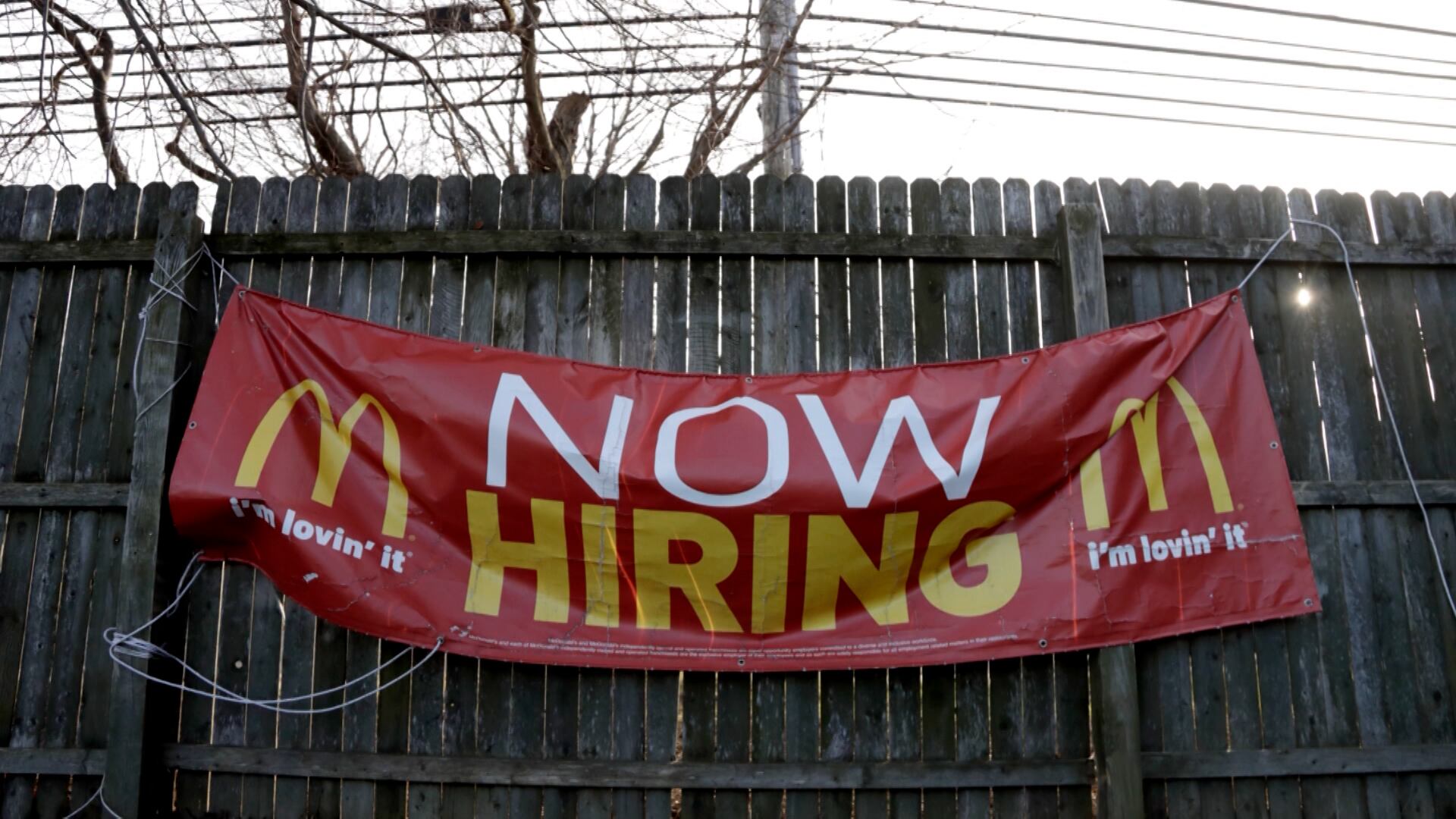
The U.S. jobs report fell way short of economist projections after adding just 210,000 in November compared to the expected 550,000. William M. Rodgers III, the VP and director of the Institute for Economic Equity at the Federal Reserve Bank of St. Louis, joined Cheddar to break down the jobs report and explained that while added payrolls didn't meet expectations, the economy is still progressing as the unemployment rate also fell 4.2 percent. "One month doesn't make a trend," Rodgers added. He did note that from an equity standpoint inflation is a cause for concern for middle and low-income families, as holiday season price hikes are expected to hit them hard.
Neal Sarin, founder of music therapy app 'Sona,' joins Cheddar News to discuss how the platform aims to reduce anxiety symptoms with the goal of FDA approval
It's Friday at long last. Jill and Carlo cover the latest on Omicron, including a possible superspreader event in NYC. Plus, previewing the November jobs report, a new Zoom feature no one asked for, and when it's no longer a good idea to eat Thanksgiving leftovers.