Food trucks in the U.S. have taken many forms, but have long been a popular option for dining. Now as the coronavirus pandemic alters the way we interact and engage with others, these kitchens on wheels may have a new function, especially on college campuses.
Rod Keller, CEO of the electric vehicle manufacturer AYRO is jumping at the opportunity to capitalize on the niche industry in a partnership with Gallery Carts. The new collaboration will combine AYRO's expertise in developing electric vehicles with Gallery's expertise in creating food delivery vehicles.
"Colleges are faced with, 'Well how do we provide food and beverage while at the same time, avoiding the mass crowds that you would typically see inside of a cafeteria?'" Keller told Cheddar.
So far, more than $500,000 has been poured into the collaboration as orders for the vehicles continue to amass. Keller said he's confident that as universities and other large campuses seek safer ways to feed their communities amid the pandemic, the need for their services will grow.
AYRO is also banking on buyers in higher education considering the long-term savings electric vehicles can provide. Keller said its electric vehicles save fleet operators at least 50 percent on fuel and energy costs.
"When people are moving cargo from one side of a university to another, or business campus, or hotel and resort, you don't need a full-sized truck with 400 miles of range running on gasoline to do that," Keller said.
Amid high inflation, shoppers are pinching their pennies in the grocery stores and becoming more frugal when food shopping. However, supermarkets like Kroger are pushing back against passing on the higher costs and demanding reasons for the higher food prices from suppliers.
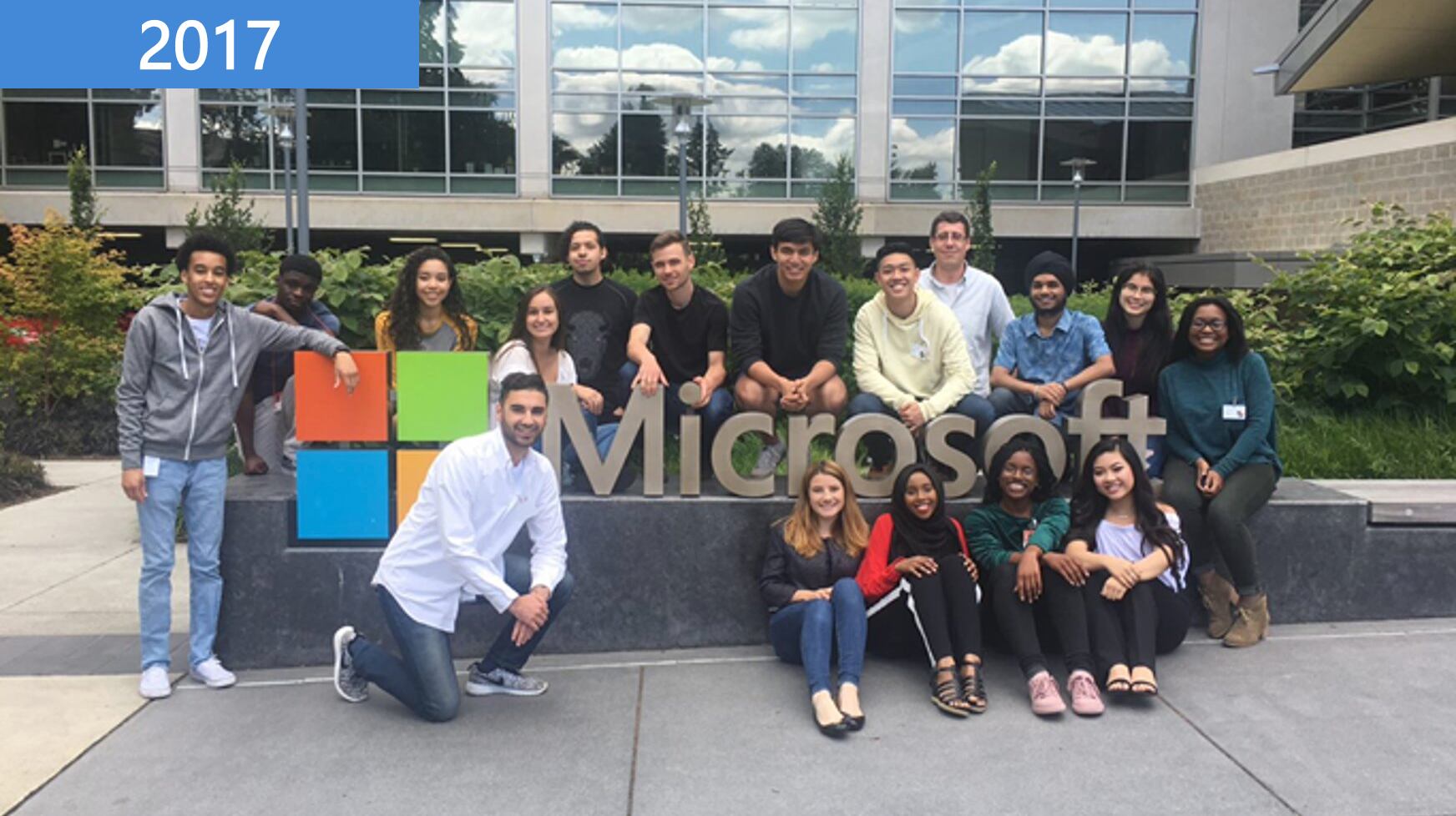
The founder and president of Cyborg Mobile Kobie Hatcher has been on a strong trajectory to disrupt his industry with a program called The New Technologists. It's not only meant to address the diversity gap within large tech companies but also help pave the way to transform the lives of young BIPOC students. He joined Cheddar News to talk about how he's working to make a difference with the lack of diversity in tech. “There's truly no lack of talent out there. It's just identifying them and letting them know that, hey, I've been in the tech sector for over 20 years. I see you. I know what you can bring, bring it, we need it," Hatcher said.
San Francisco 49ers defensive lineman Alex Barrett discusses why he believes taking his salary in crypto is the best financial decision for him, while Bitwage CEO Jonathan Chester breaks down how Barrett and other crypto investors can best utilize his platform.
Constituent service platform Indigov recently raised $25 million in a Series B funding round. Indigov bills itself as a constituent relationship management tool that helps elected officials improve the way they organize, respond to, and engage those they serve. The startup's services are being used by federal, state, and local governments across the country, including the U.S. House of Representatives. Alex Kouts, founder & CEO of Indigov, joins Cheddar News' Closing Bell to discuss.
It can be tough to make sustainable choices, and even harder when sustainable materials don't hold up. Loliware has a solution to the plastic straw problem: its seaweed-based straws are stronger than paper alternatives and once used, can be composted and return to the earth or sea without causing harm. Sea Briganti, CEO of Loliware, joins Closing Bell to discuss the tech behind the straws, new product launches, and more.