Food trucks in the U.S. have taken many forms, but have long been a popular option for dining. Now as the coronavirus pandemic alters the way we interact and engage with others, these kitchens on wheels may have a new function, especially on college campuses.
Rod Keller, CEO of the electric vehicle manufacturer AYRO is jumping at the opportunity to capitalize on the niche industry in a partnership with Gallery Carts. The new collaboration will combine AYRO's expertise in developing electric vehicles with Gallery's expertise in creating food delivery vehicles.
"Colleges are faced with, 'Well how do we provide food and beverage while at the same time, avoiding the mass crowds that you would typically see inside of a cafeteria?'" Keller told Cheddar.
So far, more than $500,000 has been poured into the collaboration as orders for the vehicles continue to amass. Keller said he's confident that as universities and other large campuses seek safer ways to feed their communities amid the pandemic, the need for their services will grow.
AYRO is also banking on buyers in higher education considering the long-term savings electric vehicles can provide. Keller said its electric vehicles save fleet operators at least 50 percent on fuel and energy costs.
"When people are moving cargo from one side of a university to another, or business campus, or hotel and resort, you don't need a full-sized truck with 400 miles of range running on gasoline to do that," Keller said.
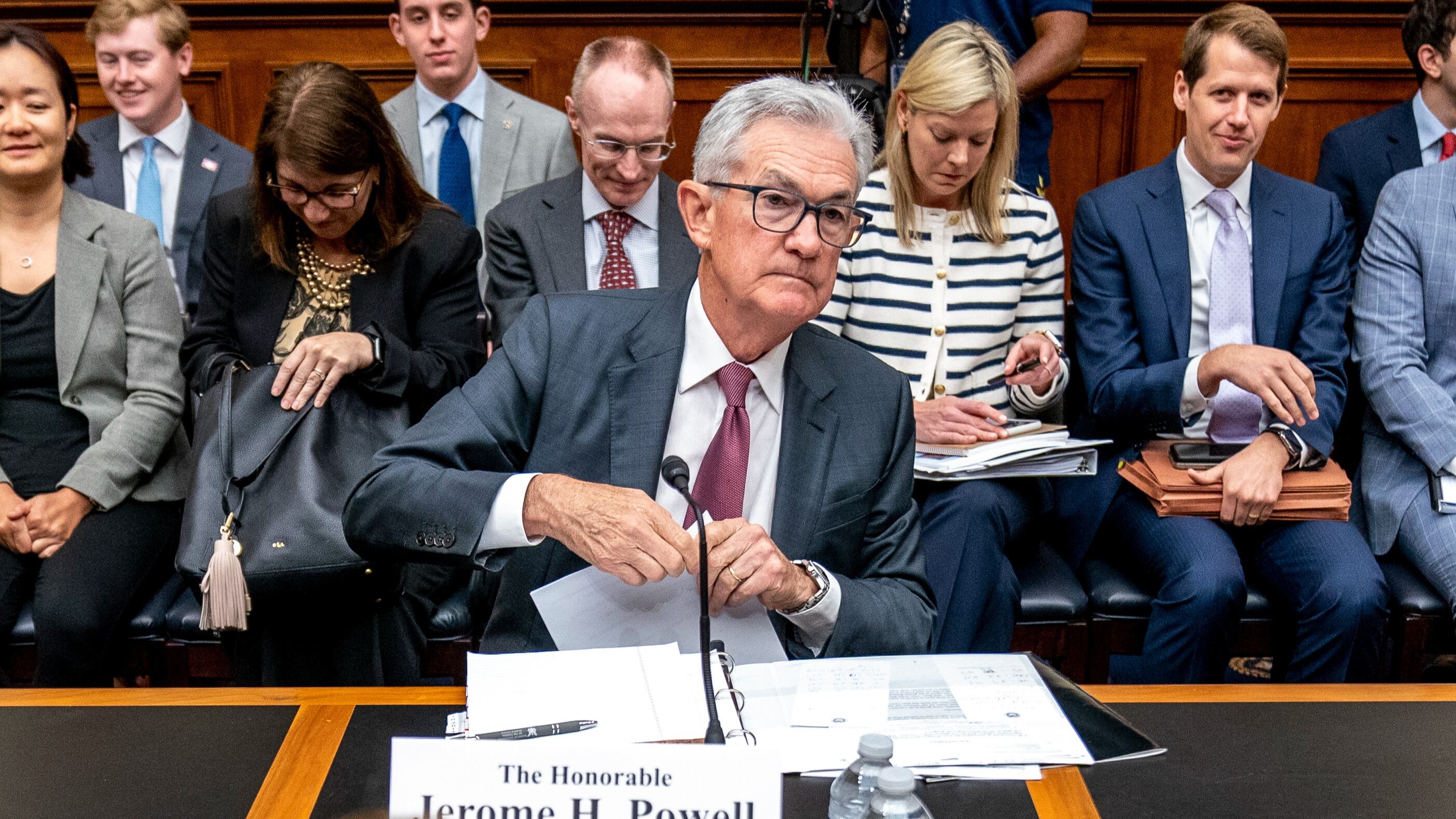
In his second day of testimony before the Senate Banking Committee, Federal Reserve Chair Jerome Powell reiterated that the board is considering more interest rate hikes.
The government will require heavy trucks and buses to include automatic emergency braking equipment within five years, the federal traffic safety agency said Thursday, estimating it will prevent nearly 20,000 crashes save at least 155 lives a year.
The Food and Drug Administration on Thursday said it has sent warning letters to dozens of retailers selling fruit- and candy-flavored disposable e-cigarettes, including the current best-selling brand, Elf Bar.
Whether your credit card has declined or if you had difficulty splitting a bill at an outing, those awkward financial moments can get the best of us. Bobbi Robell, founder of Financial Wellness Strategies and author of "Launching Financial Grownups," joined Cheddar News to provide tips on how to handle those tense situations.
With inflation in the United States still excessive, most Federal Reserve officials expect to raise interest rates further this year, Chair Jerome Powell told a House committee Wednesday.
For the first time, U.S. regulators on Wednesday approved the sale of chicken made from animal cells, allowing two California companies to offer “lab-grown” meat to the nation's restaurant tables and eventually, supermarket shelves.