On the heels of President Trump's speech at the RNC from the White House, thousands descended on the capital today to commemorate the 57th anniversary of the March on Washington.
Derrick Johnson, president and CEO of the NAACP, said that in the midst of social unrest and senseless violence, the march is about emphasizing the importance of voting in this year's presidential election.
"We want to make sure that we use this moment to pause, to re-energize, to focus on marching to the polls in November," Johnson told Cheddar.
While many are expected to show up to the march in-person, organizers are also taking the event online for those unable to attend or who prefer to stay away from crowds amid the pandemic.
Meanwhile, as President Trump continues to wage a war against the mail-in voting process, Johnson and the NAACP are looking for the government to restore the "stripped" Voting Rights Act.
"In order for this democracy to truly work, we must allow access to the ballot box and unfortunately, we have reduced the administration of elections to a partisan consideration," Johnson said.
As the issue of policing in America hangs in the backdrop of the march's mission, Johnson said it is an issue that has to be addressed. When it comes to policies regarding policing, there has to be a process for accountability, he continued, stating that it's imperative other services receive the funding needed so that police are not required to serve functions for which they are not trained.
"We have to take a serious look at the budget of police to make sure we're not asking officers to serve the role of mental health providers; to serve the role of anything else other than policing," Johnson said.
For Johnson, it's all about leveling the playing field and making policing in the U.S. uniform across the country.
"Some of the wealthiest communities across this country see a really robust preventive program in place. Low income areas and areas where African Americans are being patrolled — we don't have enough preventive measures so things will not escalate as we've seen over the recent few months," he explained.
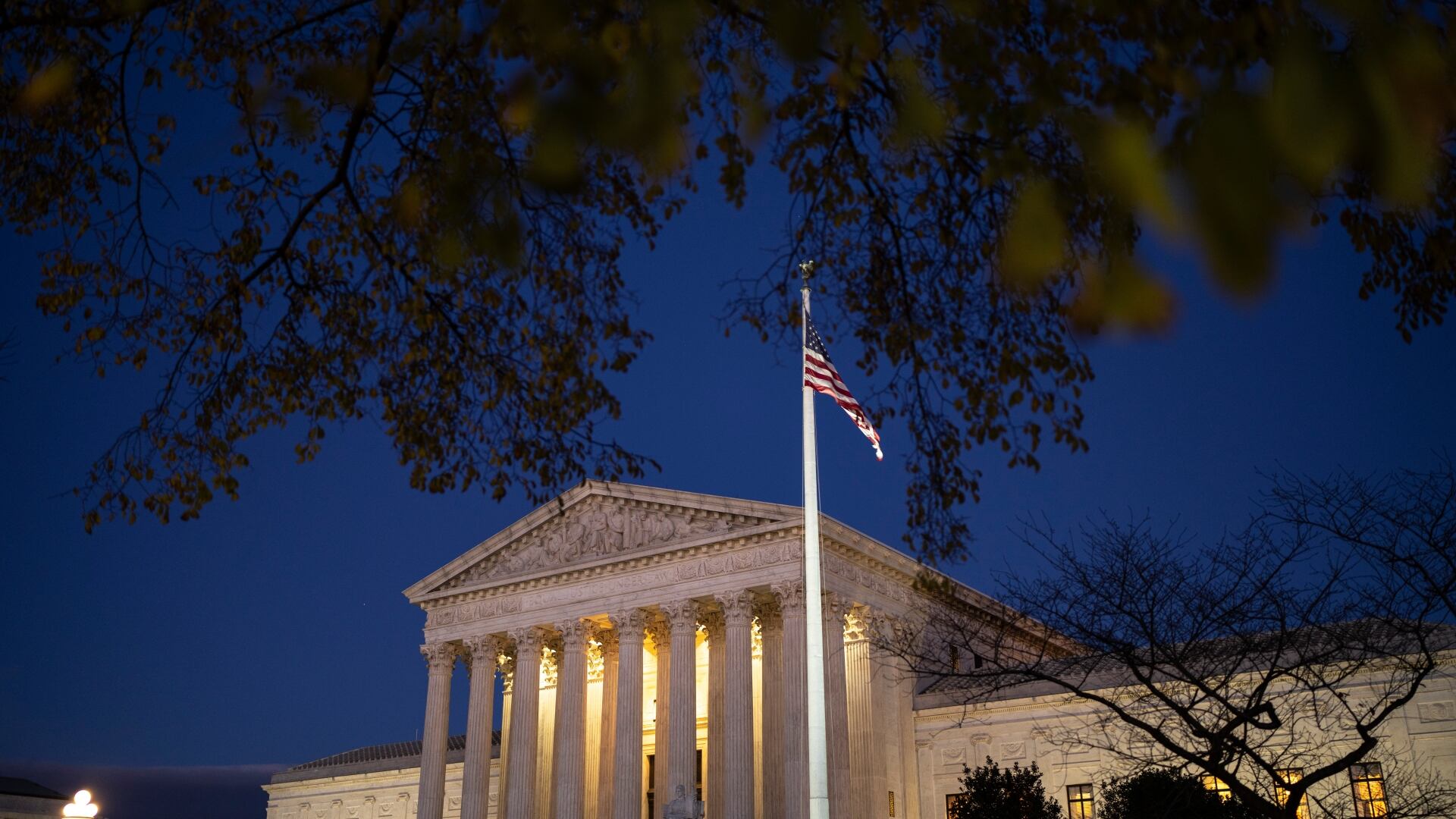
The Supreme Court appeared prepared Wednesday to uphold a Mississippi law that would ban almost all abortions after 15 weeks of pregnancy. The ruling is far from over, with Roe V. Wade at risk. Susan Rinkunas, senior reporter at Jezebel, joins Cheddar News to share the developments of the hearing.
The nine justices heard arguments Wednesday, around a Mississippi abortion law that bans the procedure after 15 weeks and appeared to lean toward upholding the law, while leaving uncertainty about the landmark precedent, Roe v. Wade. Kristin Ford, vice president of communications and research at NARAL Pro-Choice America joins Cheddar News to discuss.
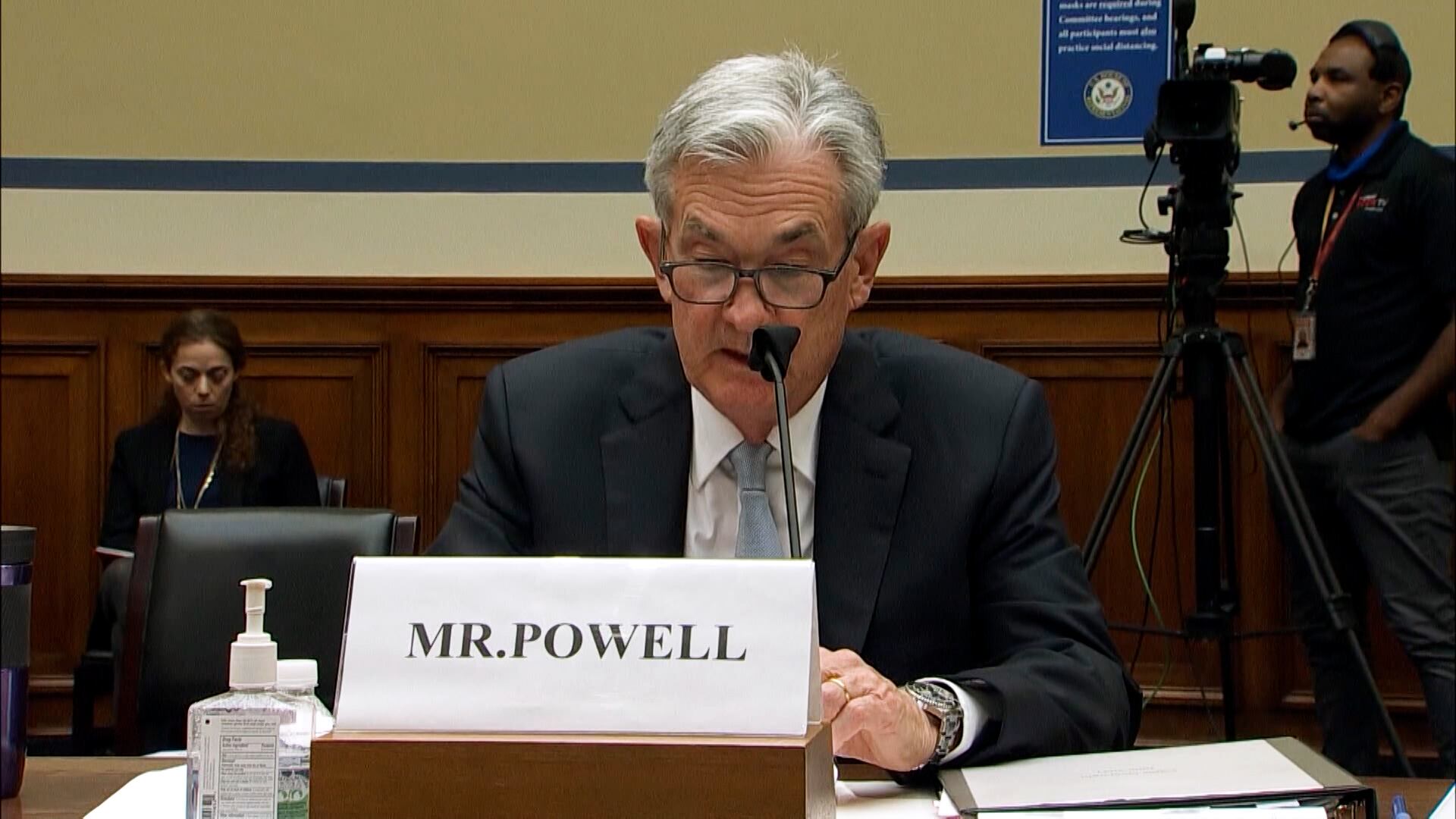
Just about a week after being re-nominated, Federal Reserve Chair Jermone Powell is changing his tune. After nearly a year of referring to inflation as 'transitory,' Powell said he will retire the 'T' word as inflation remains elevated. Christopher Russo, Post-Graduate Research Fellow, Mercatus Center joined Cheddar's Opening Bell to discuss.
Airbnb has come under fire after an Axios report found that the rental company has properties available in China's Xinjiang region where the nation has been accused of committing genocide against Uyghur Muslims, demolishing their homes, and replacing them with tourist attractions.
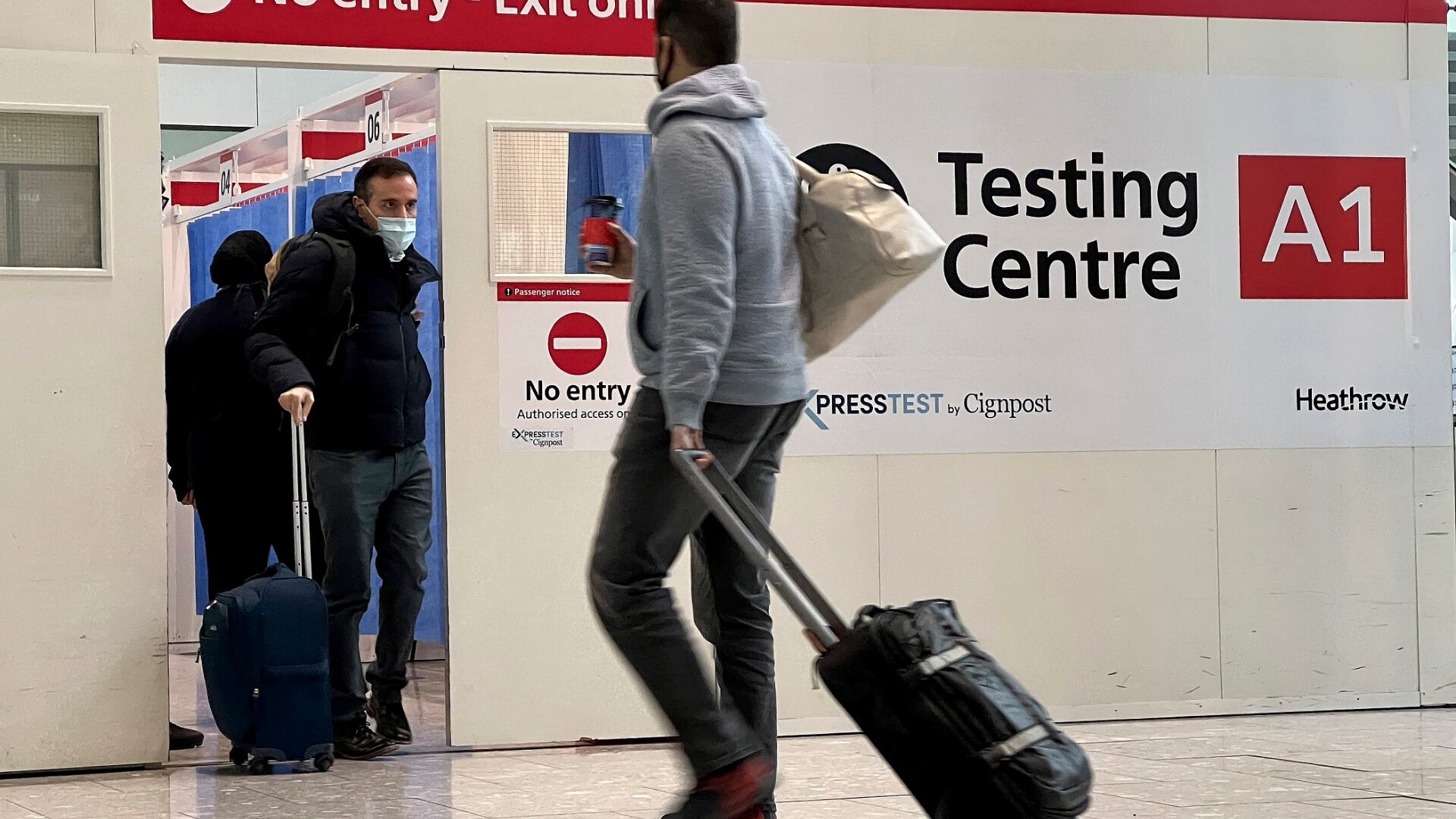
With the emergence of the omicron variant, the U.S. is considering tightening international travel guidelines. The CDC said it might reduce the window for foreign travelers to submit a negative COVID-19 test from three days prior to one day before allowing entry.
Jill and Carlo cover the latest on Omicron, another school shooting in America and more. Plus, bidding farewell to 'transitory' inflation, and the controversy surrounding 'Lovely Bones' author Alice Sebold.
Disparities in tree coverage across America is a huge issue that affects air quality, heat exposure, and ultimately determines how resilient communities are against climate change. The Build Back Better Act is allocating $2.5 billion to boost 'tree equity.' Lemir Teron, assistant professor at SUNY College of Environmental Science and Forestry, joins Cheddar News to explain why this is a priority for Democrats today.