Dunkin' Brands, the parent company of Dunkin' and Baskin-Robbins, exceeded expectations in its most recent earnings report with delivery sales doubling.
Dave Hoffmann, Dunkin' Brands CEO, told Cheddar on Friday, that before the coronavirus outbreak, the company was heading towards its best quarter since 2013 already, but once the pandemic began it focused on adapting.
"We really worked on streamlining the operations for our franchisees to make the restaurants as flexible as possible with limited hours, limited menu. We called our limited menu Essentials," Hoffman said.
Luckily, 90 percent of the chain's transactions were some form of takeout prior to the crisis, according to the CEO, so it wasn't hard for them to pivot entirely in that direction.
"Our fleet of restaurants, 70 percent are drive-thrus, we've added 1,000 curbside locations to those non-drive thru sites as well. Our delivery footprint has nearly doubled during this, from 2,000 stores to 4,000," he said. "Our loyalty program has continued to increase. About one out of every five transactions is from a loyalty member."
Dunkin' Brands is 100 percent operated by franchisees and has almost 90 percent of its business open amid the pandemic. Hoffman said the company supported franchisees early on by making sure their liquidity was protected and took safety precautions at all locations so that workers feel protected.
"We got into this very early. We put our reputation aside and we talked about, you know nobody is going to remember an overreaction, but people will definitely remember an underreaction," he said.
Life after the pandemic is still unpredictable for most people, including business owners. The CEO said Dunkin' is taking it one day at a time and will continue to follow the guidelines from the Centers for Disease Control and Prevention.
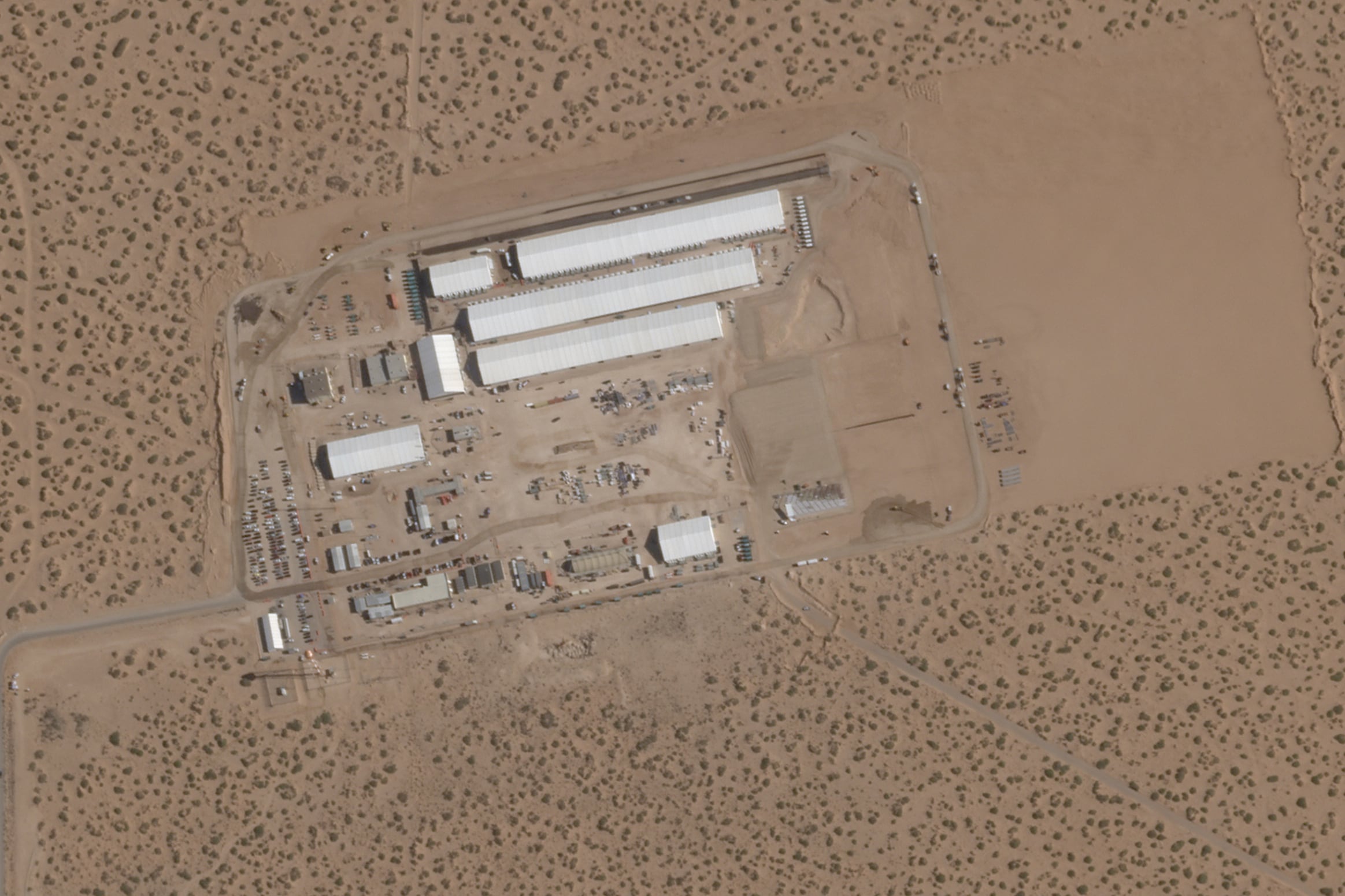
President Donald Trump's administration last month awarded a $1.2 billion contract to build and operate what's expected to become the nation’s largest immigration detention complex to a tiny Virginia firm with no experience running correction facilities.
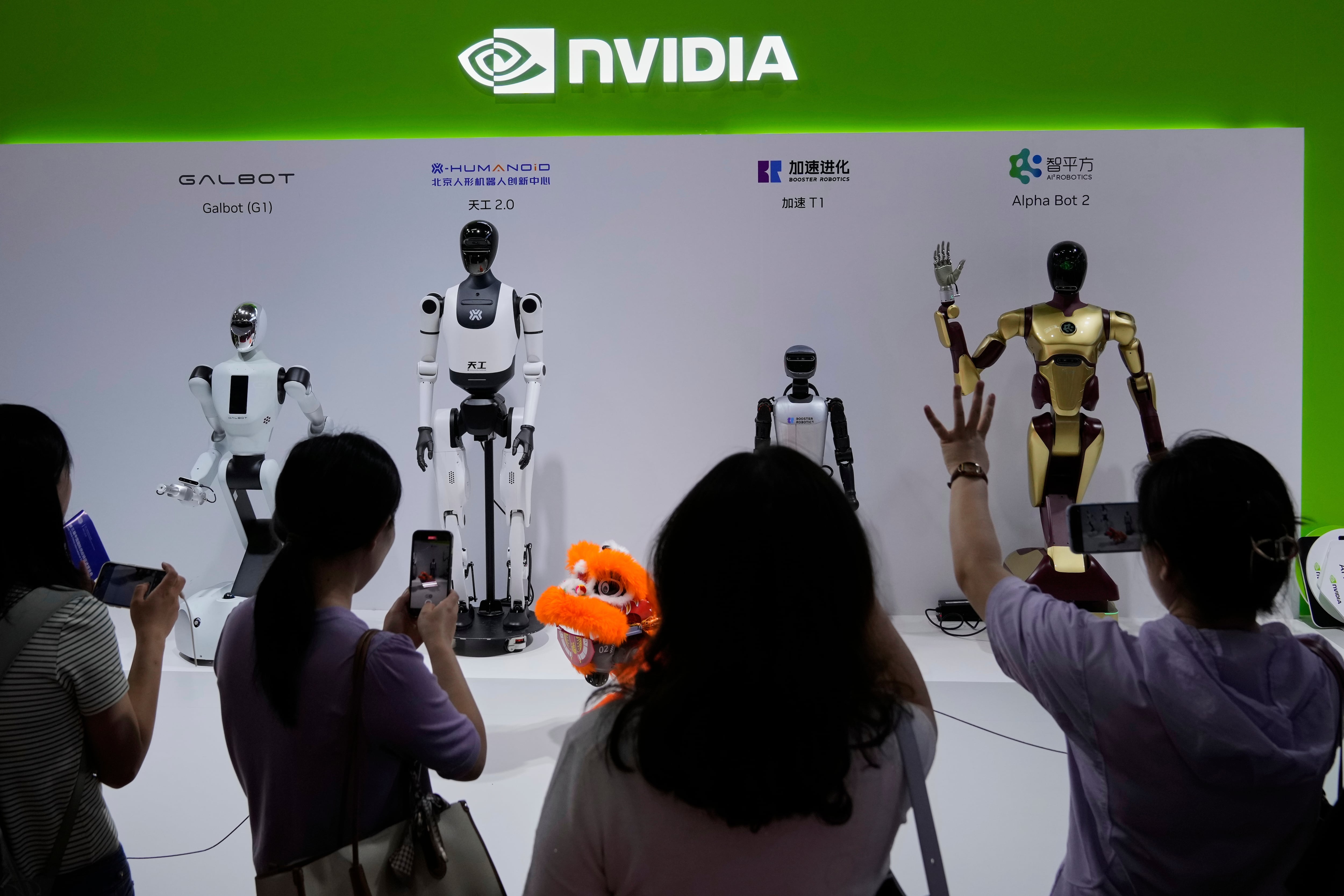
Chipmaker Nvidia is poised to release a quarterly report that could provide a better sense of whether the stock market has been riding an overhyped artificial intelligence bubble or is being propelled by a technological boom that’s still gathering momentum.
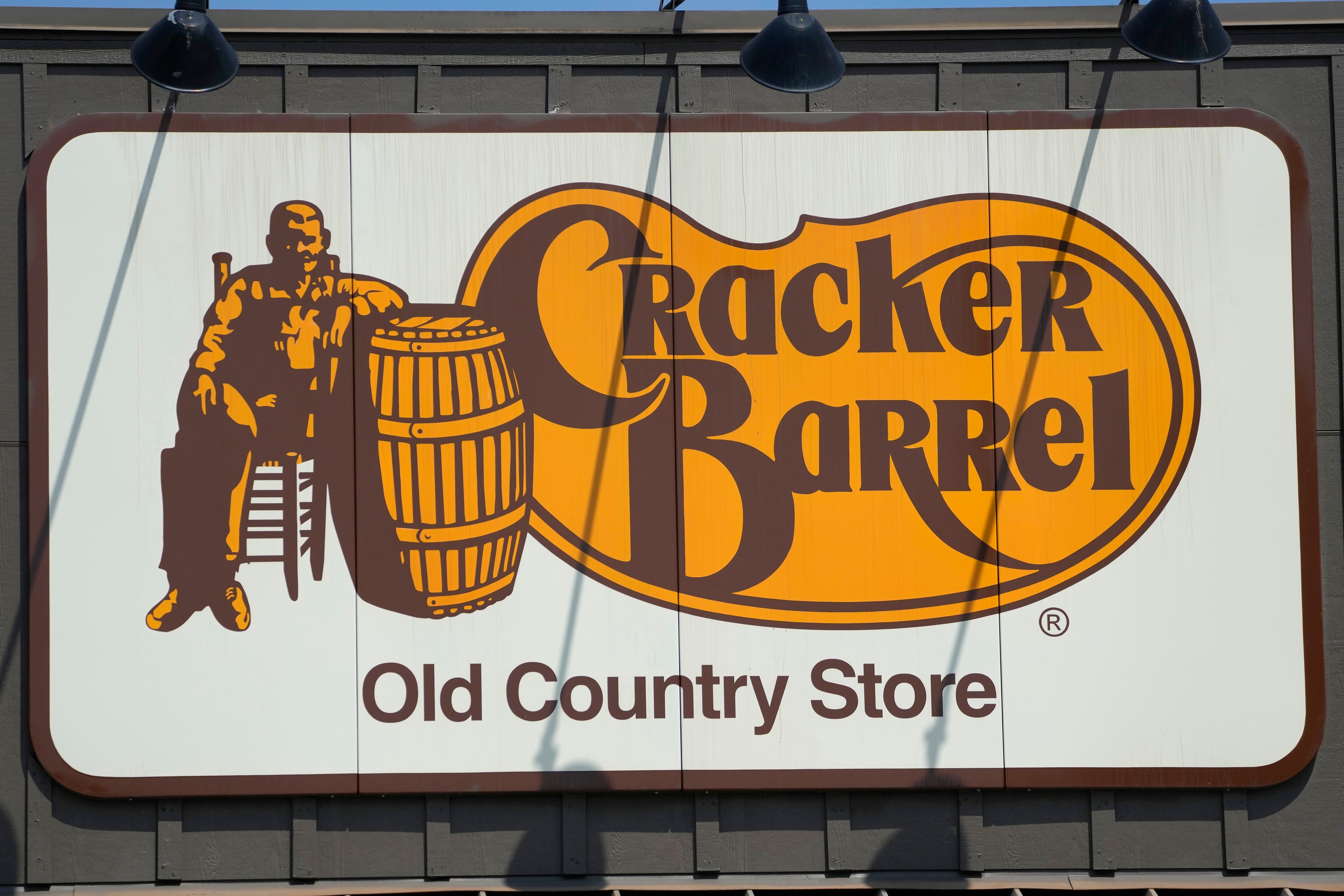
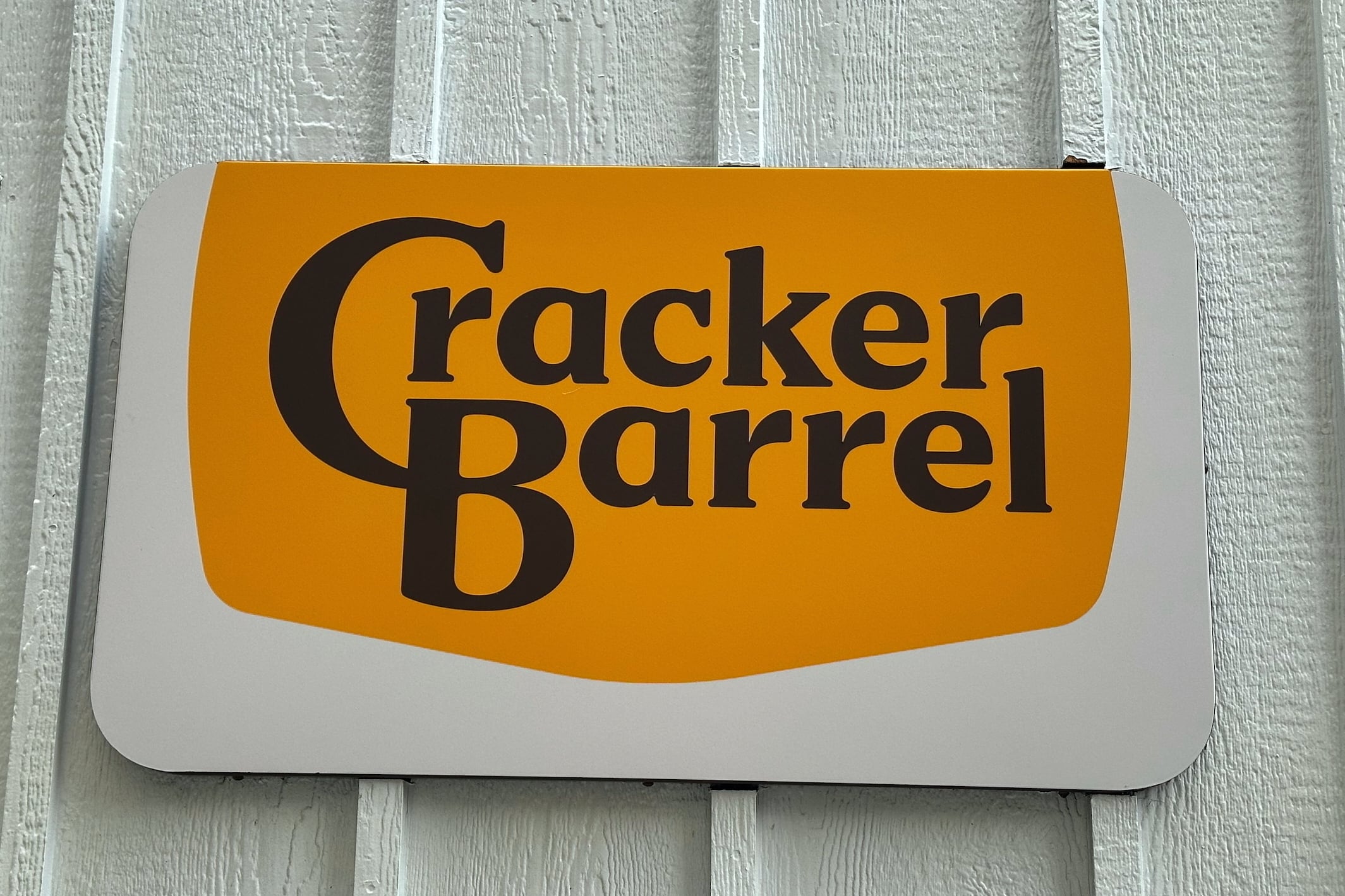
Cracker Barrel said late Tuesday it’s returning to its old logo after critics — including President Donald Trump — protested the company’s plan to modernize.
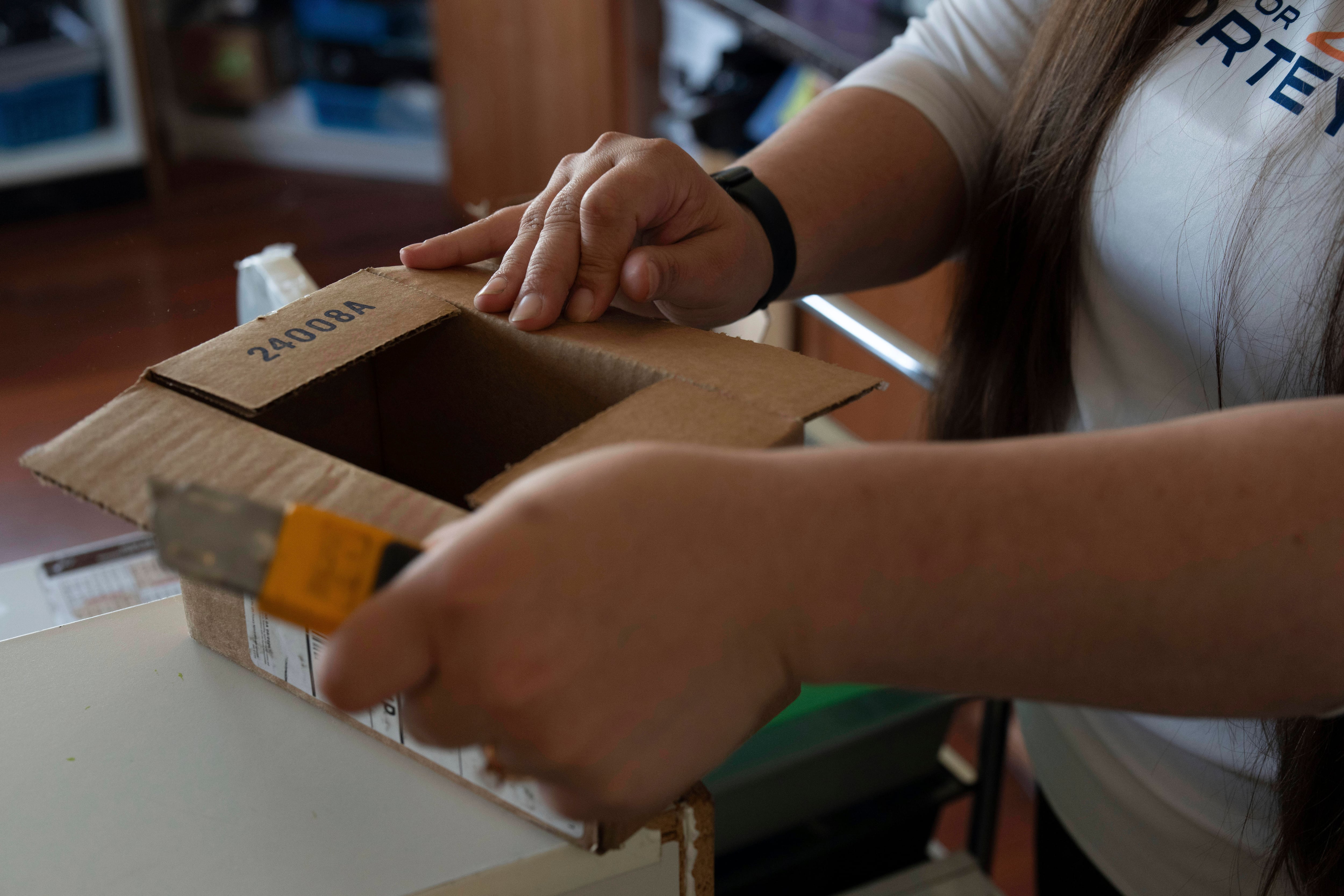
Low-value imports are losing their duty-free status in the U.S. this week as part of President Donald Trump's agenda for making the nation less dependent on foreign goods. A widely used customs exemption for international shipments worth $800 or less is set to end starting on Friday. Trump already ended the “de minimis” rule for inexpensive items sent from China and Hong Kong, but having to pay import taxes on small parcels from everywhere else likely will be a big change for some small businesses and online shoppers. Purchases that previously entered the U.S. without needing to clear customs will be subject to the origin country’s tariff rate, which can range from 10% to 50%.
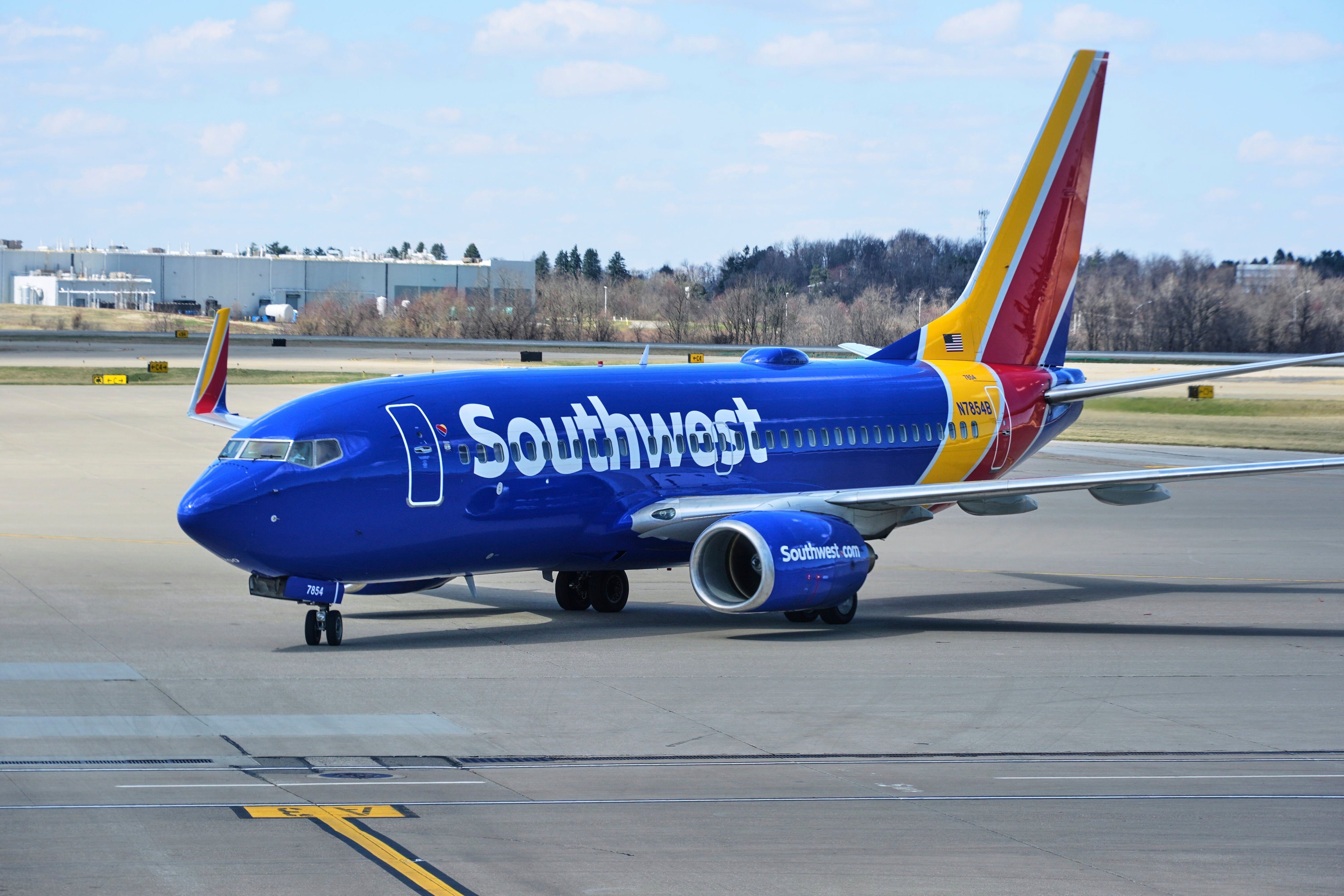
Southwest Airlines will soon require plus-size travelers to pay for an extra seat in advance if they can't fit within the armrests of one seat. This change is part of several updates the airline is making. The new rule starts on Jan. 27, the same day Southwest begins assigning seats. Currently, plus-size passengers can pay for an extra seat in advance and later get a refund, or request a free extra seat at the airport. Under the new policy, refunds are still possible but not guaranteed. Southwest said in a statement it is updating policies to prepare for assigned seating next year.
Cracker Barrel is sticking with its new logo. For now. But the chain is also apologizing to fans who were angered when the change was announced last week.
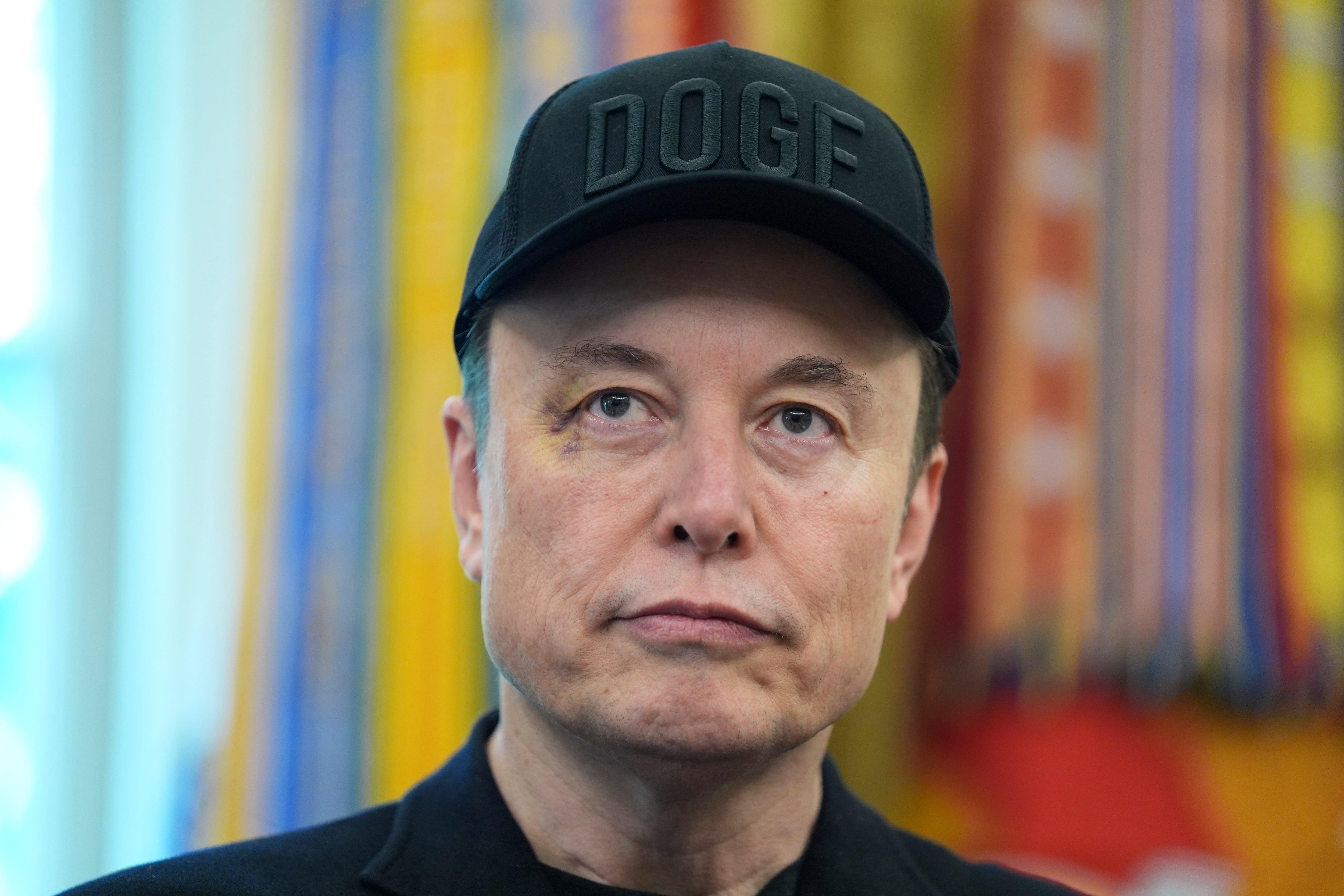
Elon Musk on Monday targeted Apple and OpenAI in an antitrust lawsuit alleging that the iPhone maker and the ChatGPT maker are teaming up to thwart competition in artificial intelligence.