Dow Plunges Over 800 Points as Investors Flee Tech
*By Kavitha Shastry*
U.S. stocks accelerated their losses Wednesday, with the Dow tumbling more than 800 points for its biggest point drop since February.
Shares of Amazon ($AMZN) and Microsoft ($MSFT) were down more than 4 percent late in the trading day, while Jack Dorsey's Twitter ($TWTR) and Square ($SQ) were both down more than 7 percent.
"Valuation is just coming to a bit more realistic levels in the tech sector," said John Petrides, Managing Director at Point View Wealth Management. "How many times have we spoken about tech being the driving sector for the market returns.
"Twenty-six percent of the S&P 500, the FAANG stocks equalling 45 percent of the Nasdaq ー you're having profit-taking there."
The sell-off adds to October's market losses ー the S&P 500 is now down five days in a row, its longest losing streak since before the 2016 election ー with investors worried about the impact of ongoing trade tensions and borrowing costs at seven-year highs.
While tech stocks were among Wednesday's biggest losers, high-end retailers also took a hit. France's LVMH warned it was seeing slower demand from Chinese consumers, an indication that tariffs from the U.S. were eating into discretionary budgets. Shares of Tiffany ($TIF), Michael Kors ($KORS), and Ralph Lauren ($RL) were all down.
The Nasdaq led losses among the broad market indexes, falling more than 3 percent. For the month, it's already down nearly 8 percent, its biggest monthly decline since January 2016.
Layoffs, hiring slowdowns, and shifting skill demands dominate this year’s job talk. LinkedIn’s Kory Kantenga explains what workers should watch for next.
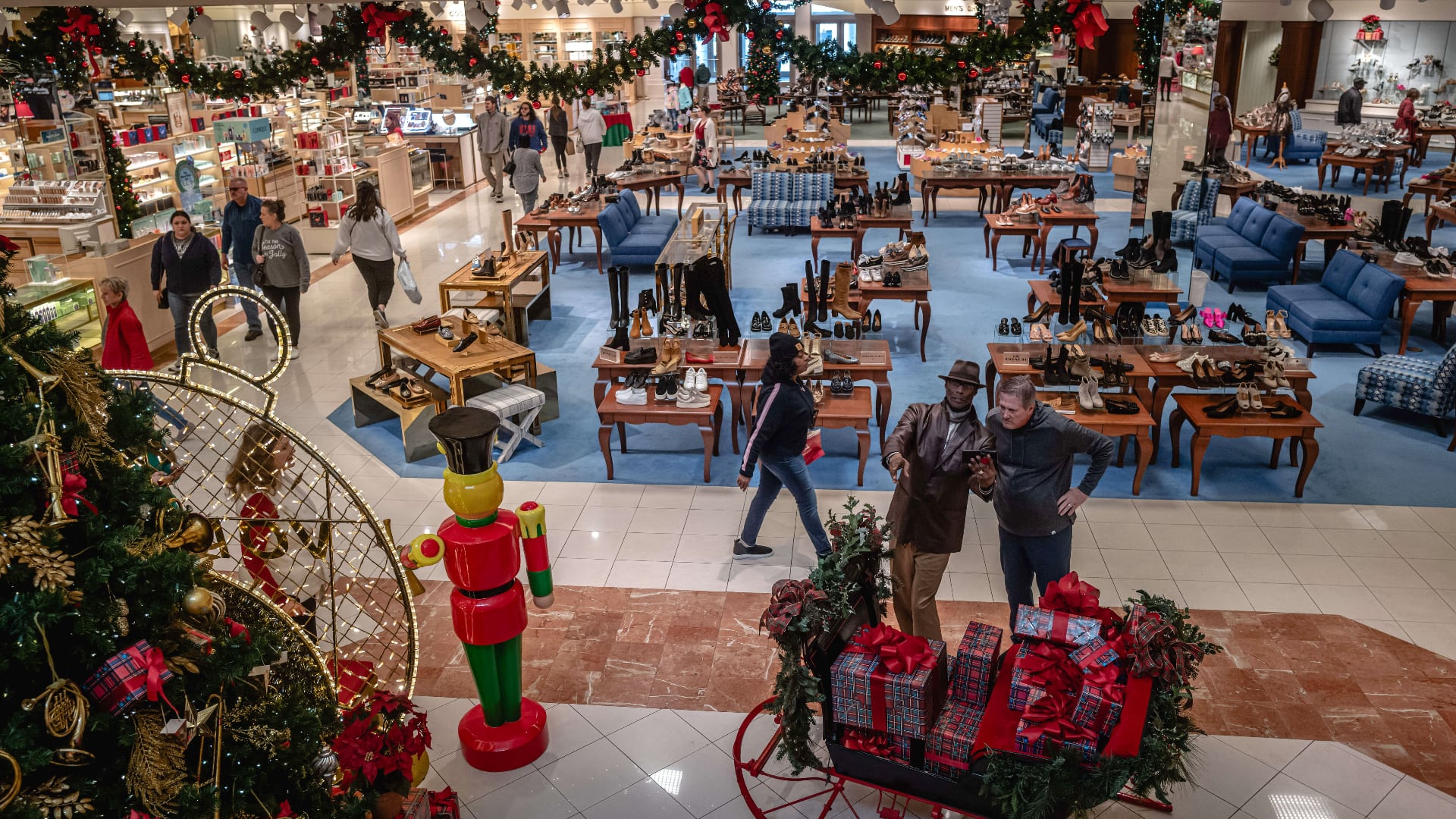
Retailers face tariffs and cost challenges this holiday season. Wells Fargo's Lauren Murphy shares insights on pricing, promotions, and shopping trends.
Dateability, founded by sisters Jacqueline and Alexa Child, is the only dating app for disabled and chronically ill communities, fostering love without limits.
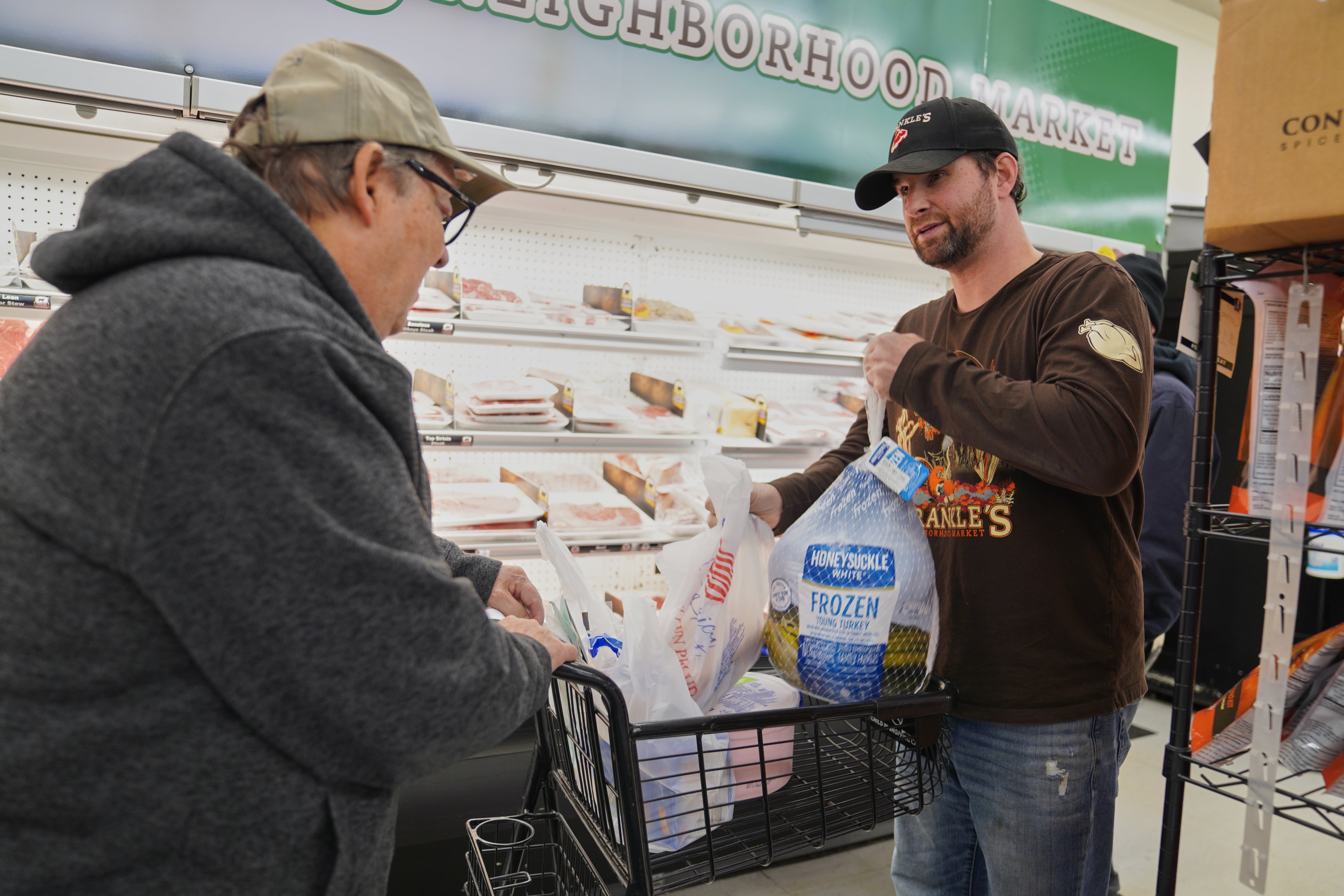
Some small grocery stores and neighborhood convenience stores are eager for the U.S. government shutdown to end and for their customers to start receiving federal food aid again. Late last month, the Trump administration froze funding for the SNAP benefits that about 42 million Americans use to buy groceries. The U.S. Department of Agriculture says about 74% of the assistance was spent last year at superstores like Walmart and supermarkets like Kroger. Around 14% went to smaller stores that are more accessible to SNAP beneficiaries. A former director of the United Nations World Food Program says SNAP is not only a social safety net for families but a local economic engine that supports neighborhood businesses.
Andy Baehr, Head of Product at CoinDesk Indices, breaks down crypto’s Black Friday crash, Bitcoin dipping under $100K, and what’s driving the market rout.