Record producer Khaled Mohamed Khaled, aka DJ Khaled, is known for his hits, his positivity, and his continuous dedication to success. But the celebrity DJ's struggles may be less known.
The award-winner had a “mogul talk” with Cheddar about what it takes to be successful and the obstacles that have made his journey an arduous one. And for Khaled, time has been the major issue.
“There’s not enough time in the day to accomplish what I need to do, ‘cuz I don’t stop,” Khaled said during the interview. “That’s the hardest part of hustling.”
Time management is a difficult skill for many to master, but Khaled says you have to commit and “do what you got to do.” That's how he faces this challenge.
Khaled, whose latest albums “Major Key” and “Grateful” have been certified gold and platinum, shared two of the reasons for his success. He says you have to make sacrifices and be self-made.
“It’s OK for you to work 9 to 5 to fund your vision,” Khaled said, acknowledging that for some, a traditional job is what they'd like. But for those who have a vision they want to bring to life, working a side gig is a necessary evil.
“I’m a mogul, so I envisioned all of these things I want to do,” he said, adding,“my family raised me to be self-made.”
To Khaled, being self-made is not about having money as many may think, but about “respecting yourself and your vision.”
Talking the talk and dreaming big is great, Khaled explained, but for success, it’s important to walk the walk and figure out how to accomplish the vision.
“There’s other people out there that talk, but don’t accomplish the goal,” he said.
“When I was a kid, I had to do certain things to fund my music business, my record company, my management company….”
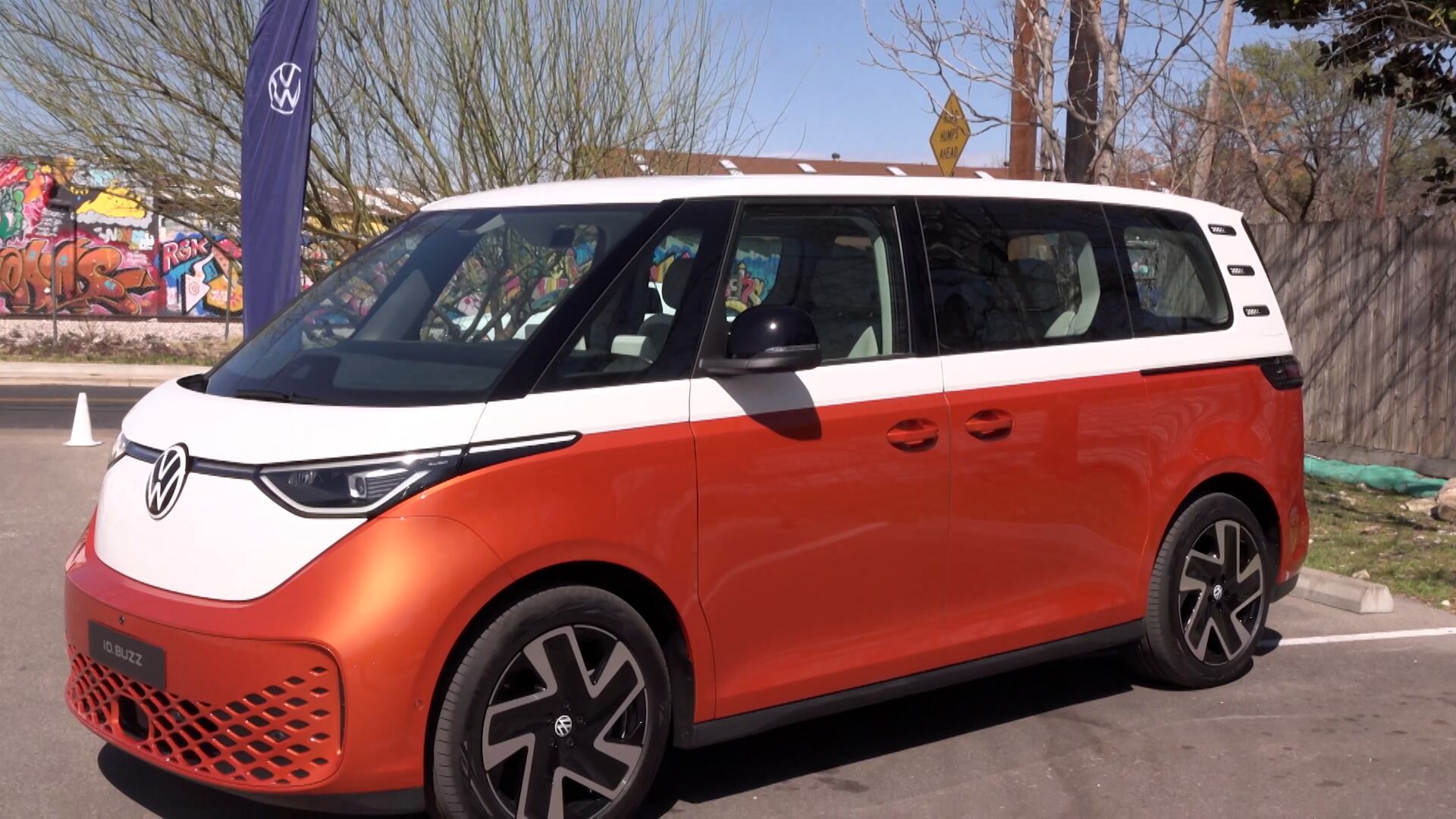
Cheddar News senior reporter, Michelle Castillo joined Scott Keogh, CEO of Volkswagen Group of America, for a ride in the new ID.Buzz electric van at South by Southwest. Keogh touched on issues from the auto giant's commitment to electrification and achieving carbon neutrality to the need for more charging infrastructure to support the electric vehicle wave. "We made a commitment to be CO2 neutral, and I think the reason it is, simplistically is, we're the world's largest car company. We're responsible for 1 percent of global CO2 emissions, and frankly, leaders have to lead and so that's what we want to do," he said.
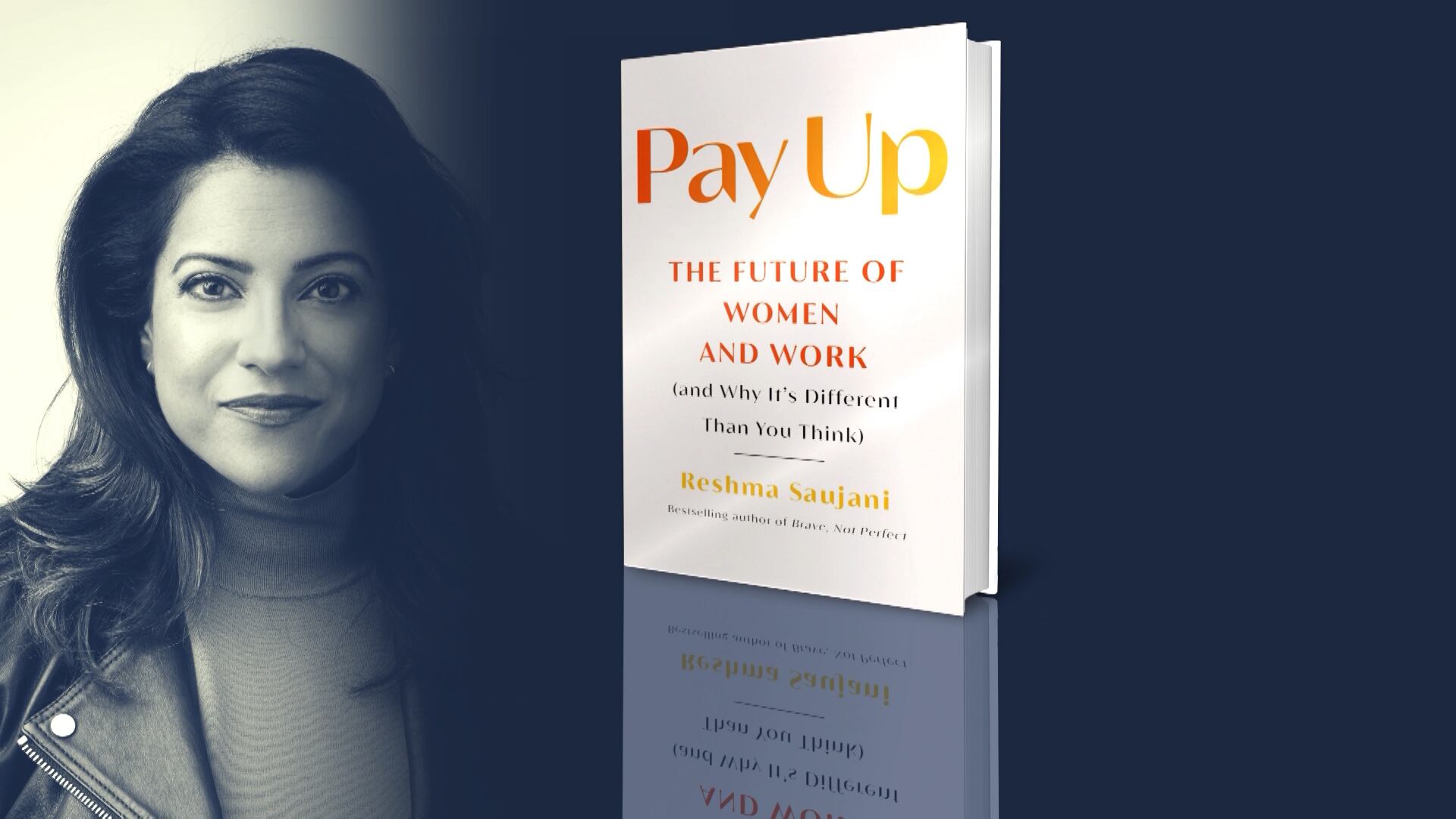
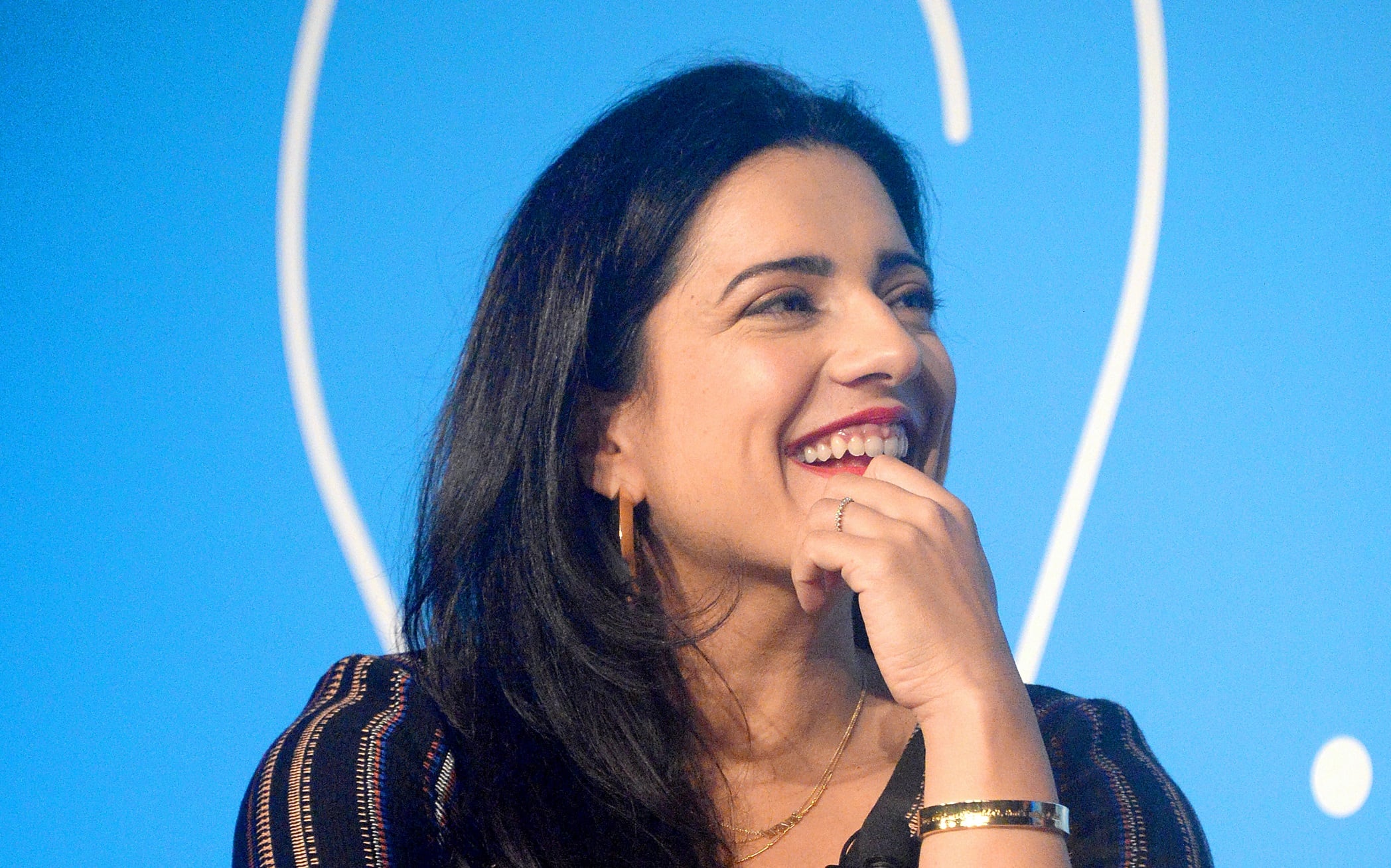
Reshma Saujani, the founder of Girls Who Code and author of "Pay Up: The Future of Women and Work (and Why It's Different Than You Think), joined Cheddar to discuss the many challenges for women in the workplace after the upheaval caused by the pandemic and the solutions she presents.
Companies are leaning towards hybrid workforces due to the pandemic as a means of bringing back workers to the office — especially women employees. Head of HR technology at Capital One, Maureen Jules-Perez, joined Cheddar News to talk about initiatives and technology that the bank is taking to set up a successful hybrid workplace. "Do we have the experiences or the spaces for everyone to feel belonging or included? Do we feel heard? And of course, when it comes to building products, we have all the different, diverse perspectives and thoughts and ideas being incorporated to have the optimal solution or delivery," she said.
The U.S. Securities and Exchange Commission Monday laid out a proposal that would require businesses to disclose the emissions they produce. Kathleen Rogers, CEO & President at EARTHDAY.ORG, joined Cheddar News to break down the implications of this historic step.
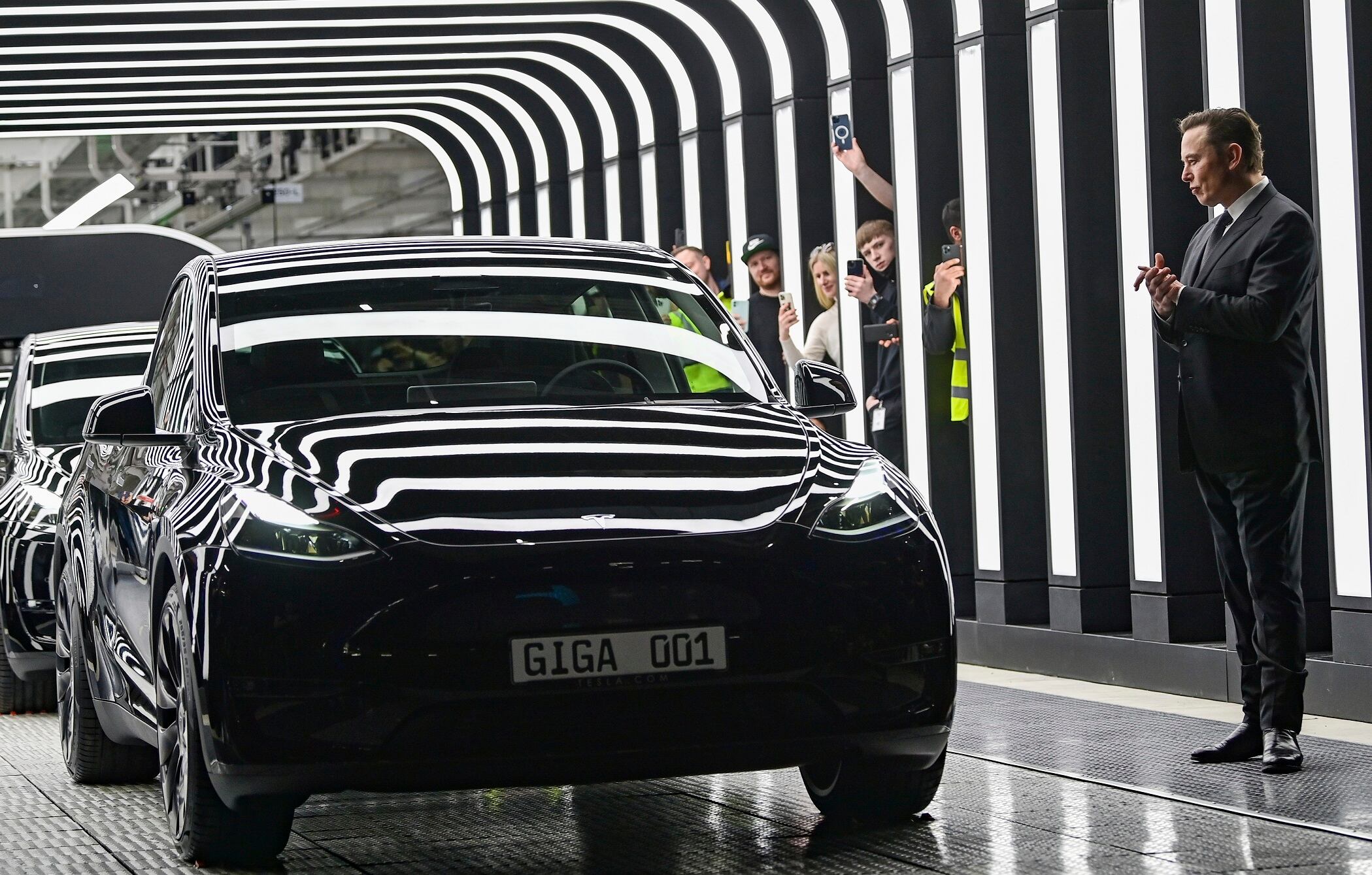
Electric car manufacturer Tesla opened its first European factory on the outskirts of Berlin in an effort to challenge German automakers on their home turf.
Reshma Saujani, the founder of the nonprofit Girls Who Code, discusses the workplace inequities further exposed by the pandemic and her latest book, "Pay Up: The Future of Women and Work (and Why It's Different Than You Think).