Record producer Khaled Mohamed Khaled, aka DJ Khaled, is known for his hits, his positivity, and his continuous dedication to success. But the celebrity DJ's struggles may be less known.
The award-winner had a “mogul talk” with Cheddar about what it takes to be successful and the obstacles that have made his journey an arduous one. And for Khaled, time has been the major issue.
“There’s not enough time in the day to accomplish what I need to do, ‘cuz I don’t stop,” Khaled said during the interview. “That’s the hardest part of hustling.”
Time management is a difficult skill for many to master, but Khaled says you have to commit and “do what you got to do.” That's how he faces this challenge.
Khaled, whose latest albums “Major Key” and “Grateful” have been certified gold and platinum, shared two of the reasons for his success. He says you have to make sacrifices and be self-made.
“It’s OK for you to work 9 to 5 to fund your vision,” Khaled said, acknowledging that for some, a traditional job is what they'd like. But for those who have a vision they want to bring to life, working a side gig is a necessary evil.
“I’m a mogul, so I envisioned all of these things I want to do,” he said, adding,“my family raised me to be self-made.”
To Khaled, being self-made is not about having money as many may think, but about “respecting yourself and your vision.”
Talking the talk and dreaming big is great, Khaled explained, but for success, it’s important to walk the walk and figure out how to accomplish the vision.
“There’s other people out there that talk, but don’t accomplish the goal,” he said.
“When I was a kid, I had to do certain things to fund my music business, my record company, my management company….”
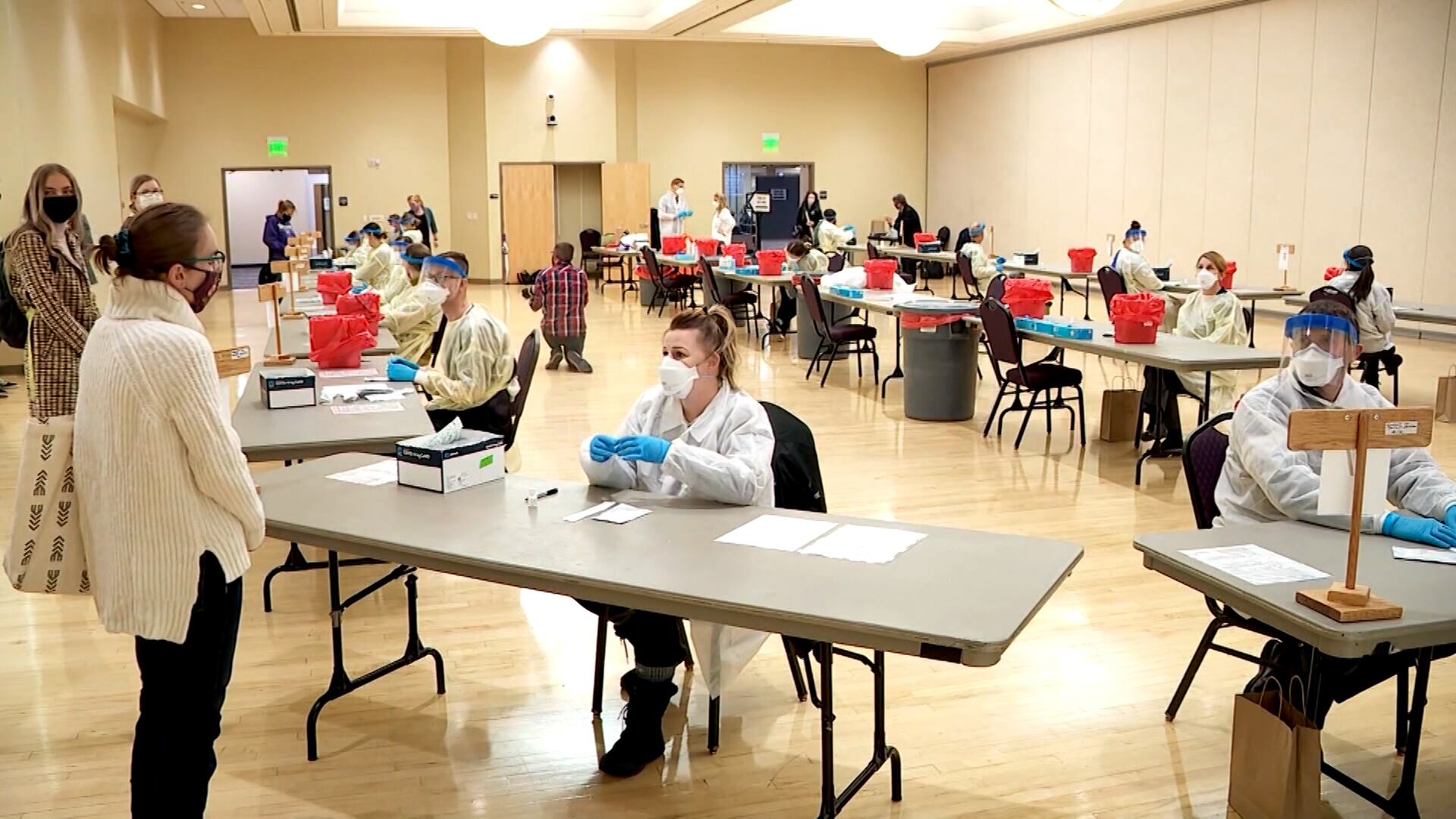
Gov. Daniel McKee breaks down the economic benefits of having a COVID 'test-to-treat' clinic in the state and shares his take on how to quell gun violence in the U.S.
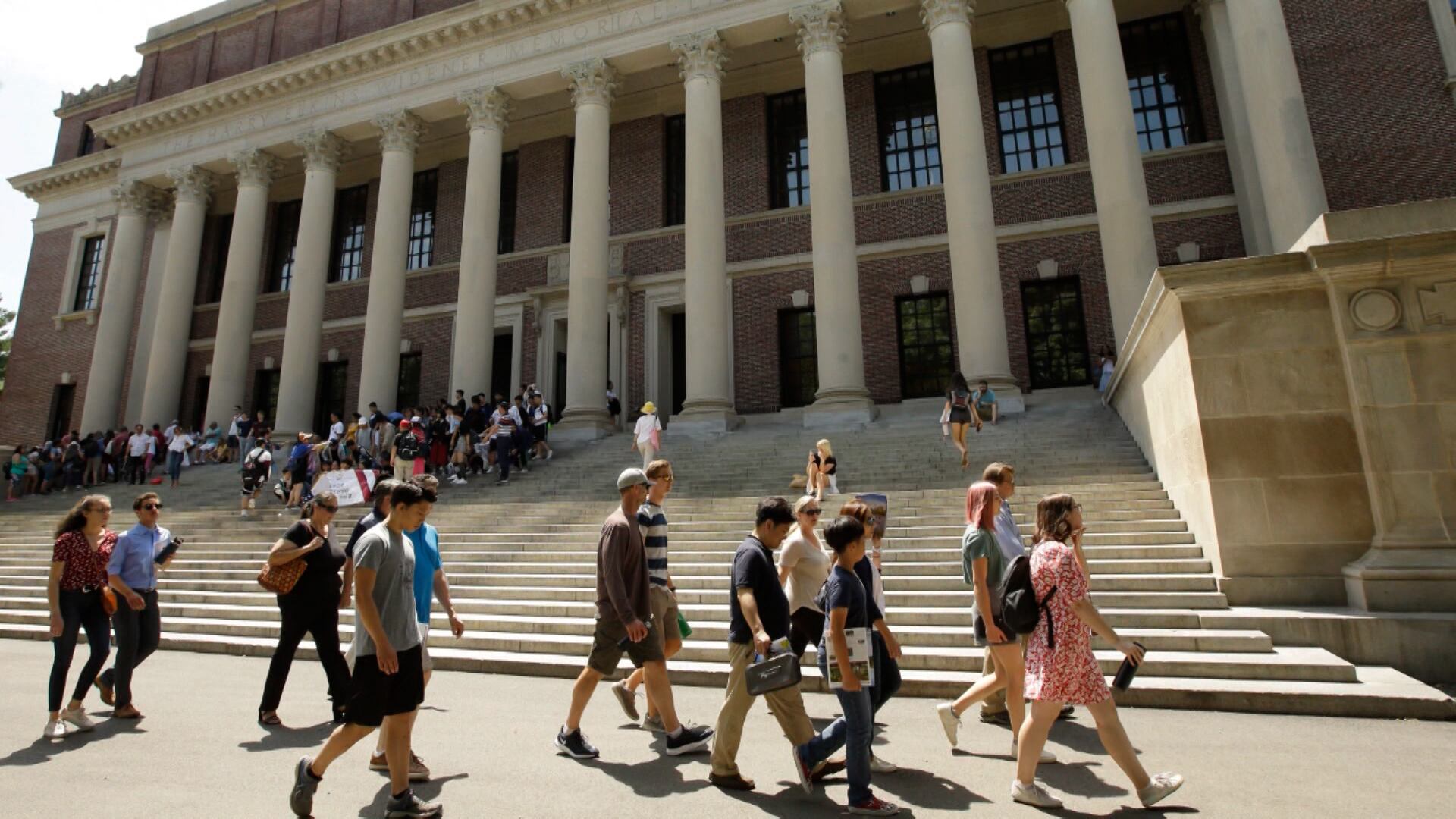
Jonathan Fansmith, Asst. VP of Government Relations at American Council on Education, talks about the factors attributing to lower college enrolments and what institutes are doing to incentive attendees.
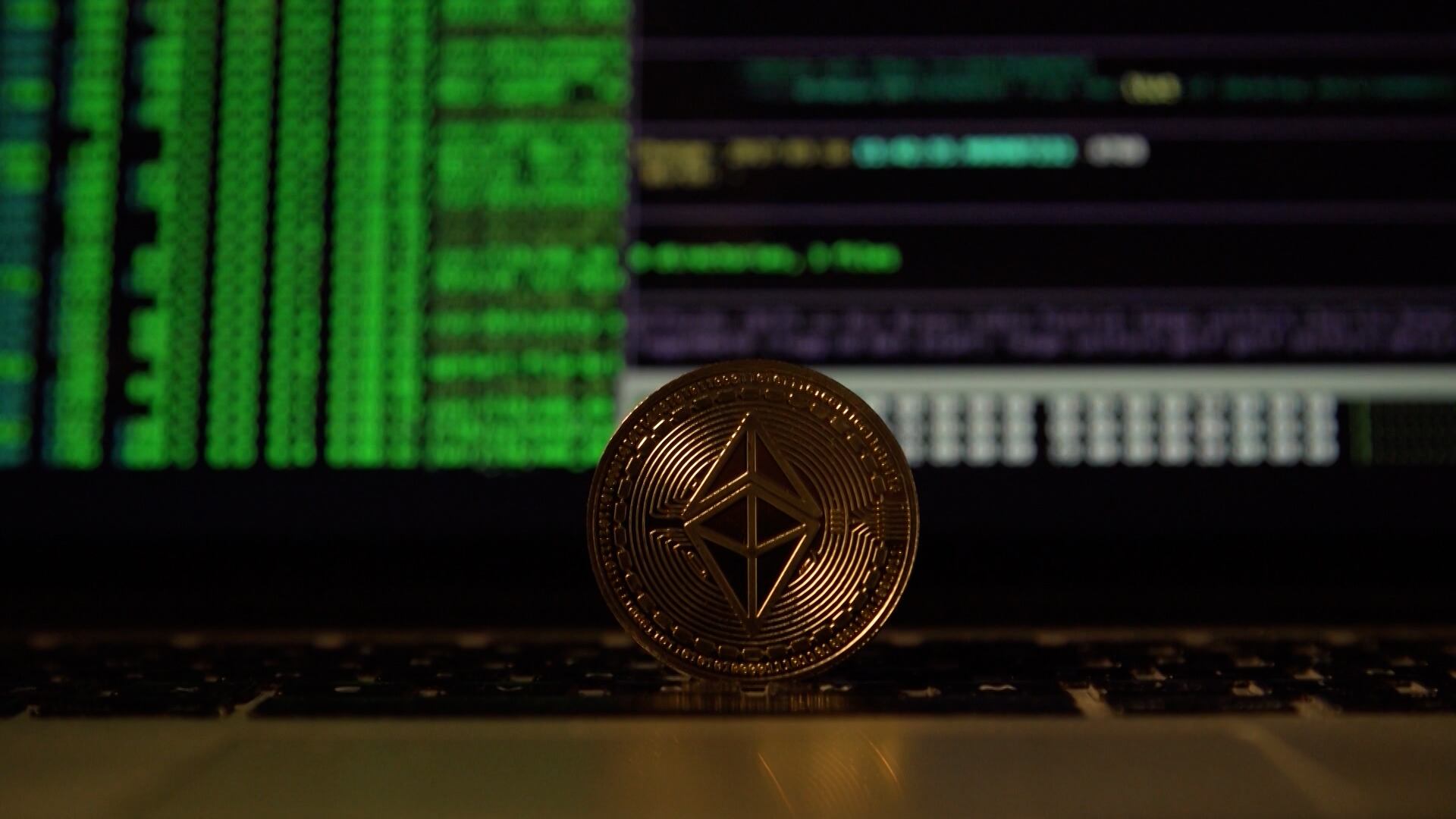
Scammers are cashing in on the crypto craze. According to a new report from the FTD, fraudsters have stolen more than $1 billion in crypto from 46,000 people since 2021. That's $1 out of every $4 reported lost to scammers paid in cryptocurrency, more than any other payment method. Chris Pierson, the founder and CEO of BlackCloak, gives tips on how to protect yourself from scammers.
Inflation is forcing many Americans to put their retirement plans on hold. According to a new survey from BMO Harris Bank, 25% of people will need to delay their retirement because of rising prices, and 21% of respondents are saving less money for retirement to keep up with the growing costs. Paul Dilda, Head of Consumer Strategy at BMO Harris Bank, breaks down the survey and gives some tips on how to keep up with rising prices.
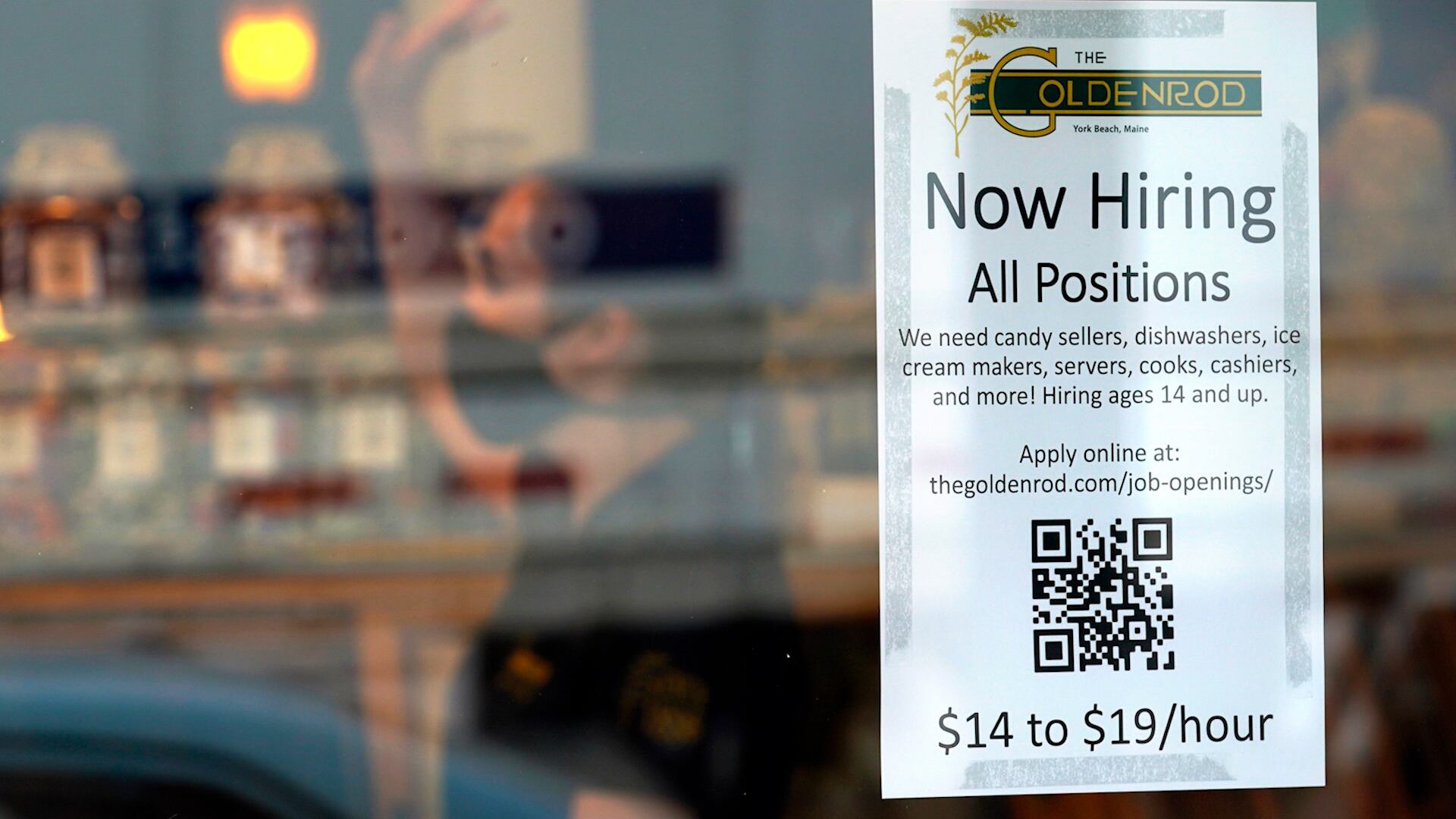
The labor market continues to be hot, with job openings at record highs and jobless claims dropping by the thousands. While that's good news for workers, experts say it can add to inflation risks and make the Fed's job even harder when it comes to cooling inflation. José Torres, Senior Economist at Interactive Brokers, breaks down what a tight labor market means for the economy.
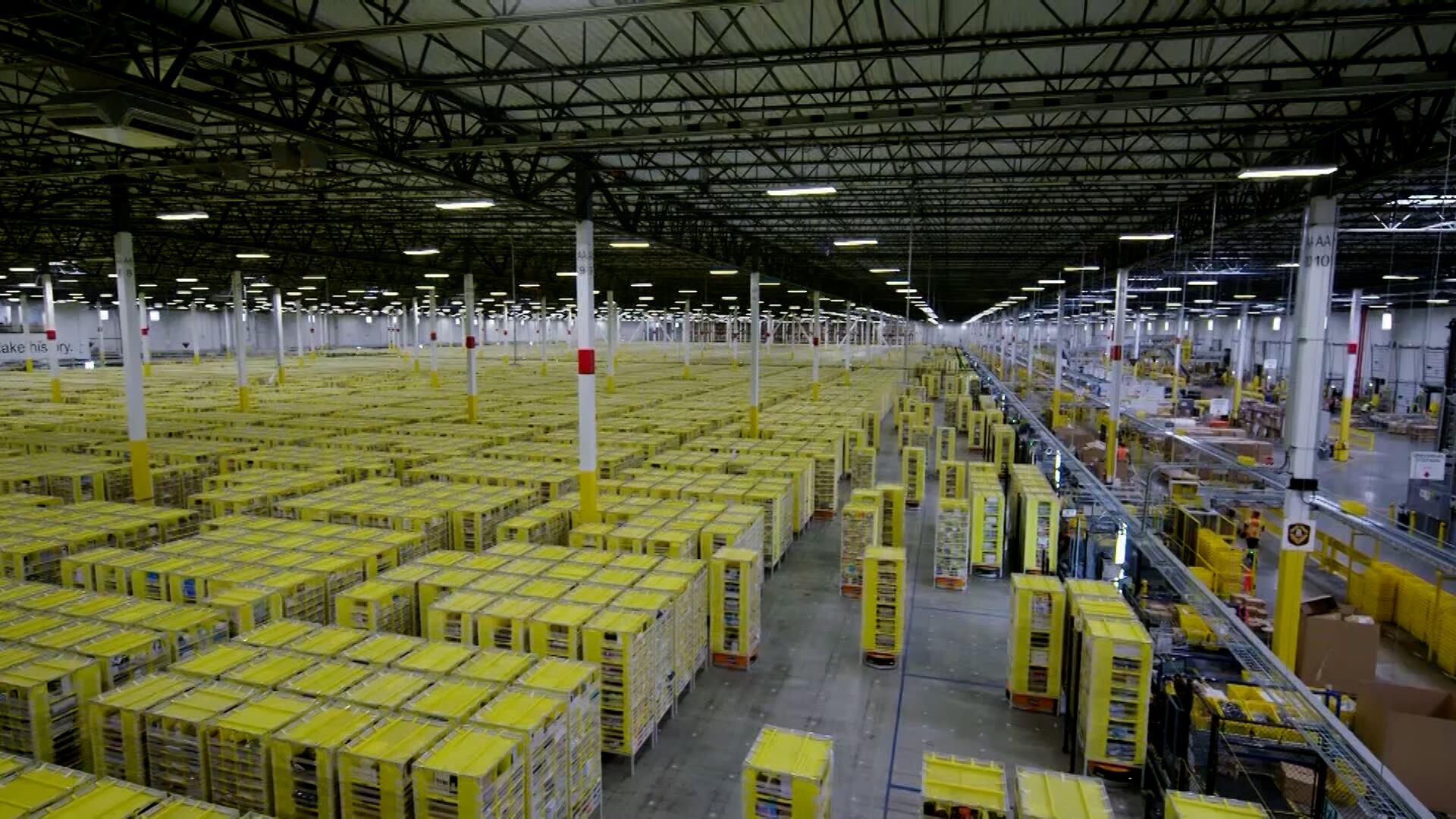
Amazon's stock split officially takes effect today. It's a 20-for-1 split, meaning if you own one share of the e-commerce giant, you'll have 20 shares after the split, with each costing about 1/20th of the previous price. Jeff Zananiri, the head trading strategist at Joy of the Trade, breaks down what the stock split means for investors.
The labor market continues to be strong. The U.S. added 390,000 jobs in May, while the unemployment rate held steady at 3.6%. Julia Pollak, Chief Economist for ZipRecruiter, breaks down the latest data and what it means for the economy.
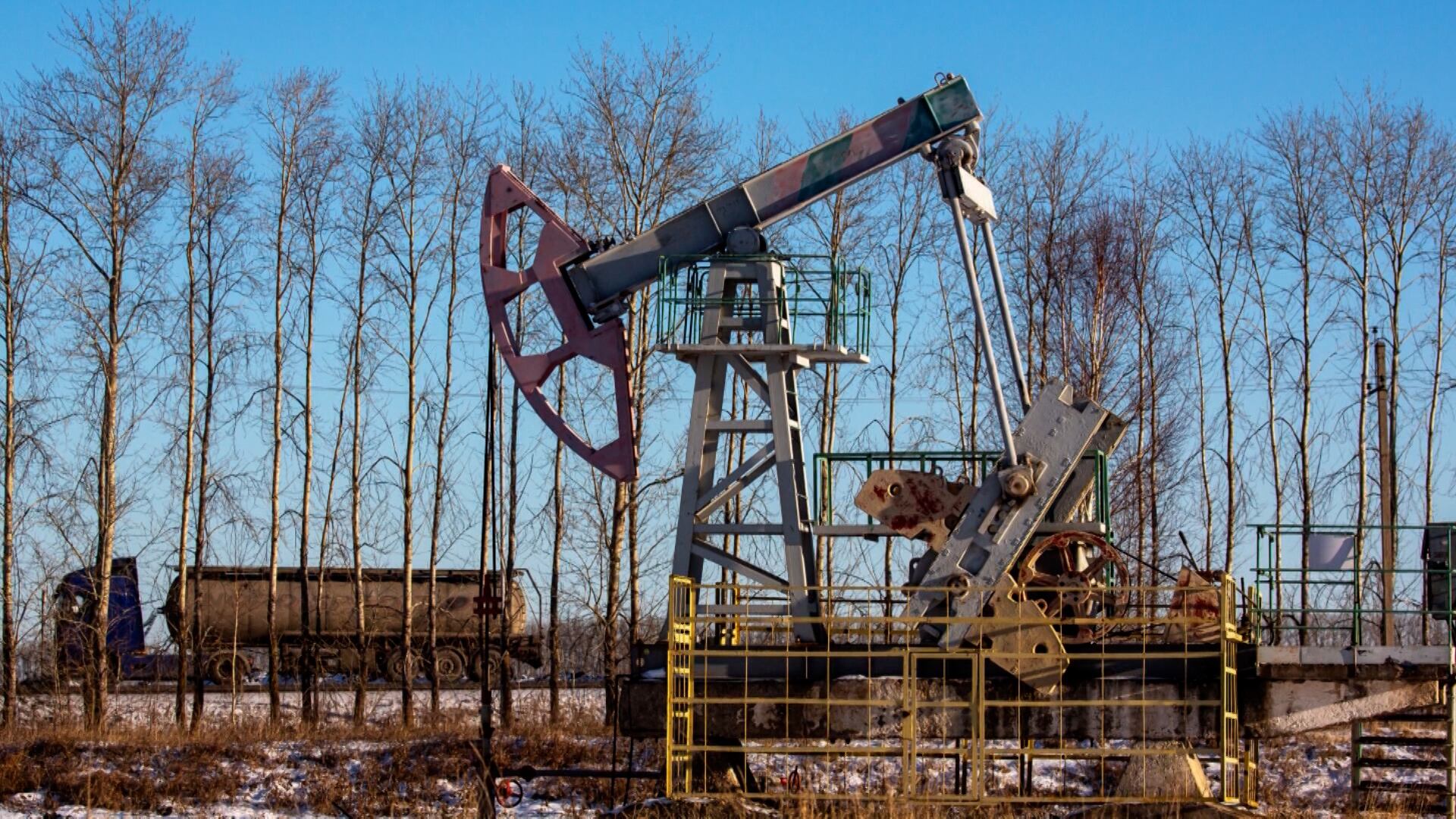
In another round of sweeping sanctions against Russia for its war on Ukraine, European Union leaders have agreed to ban the vast majority of Russian oil by the end of the year. But, the embargo covers only Russian oil brought in by sea, allowing an exemption for fuel imported via pipeline. Christine McDaniel, a senior fellow with the Mercatus Center, discusses just how significant this deal is, and what impact it might have on the global energy sector.