Jessica Reif, Managing Director of Bank of America Merrill Lynch joins Cheddar to discuss the changing media landscape in America, specifically the Disney / Fox 21st Century deal set to close soon.
According to Reif, this deal will reshape the entire media landscape. She talks about the Murdoch family and their willingness to sell. She says the deal will make other companies think about what they want to be, and how they will compete in the modern era.
Disney isn't interested in Fox's news or sports programming, and that may be because of regulatory issues. Reif says when it comes to sports, the best reach is still, by far, broadcast. She expects sports to stay on traditional TV for a long, long time.
Reif also talks about the amount of money the FANG stocks (Facebook, Amazon, Netflix and Google) are spending on video content, and how they will compete with the traditional outlets.
Atlanta Mayor Andre Dickens shares plans for affordable housing, community-led growth, and why private and public grocery stores could be key to food equity.
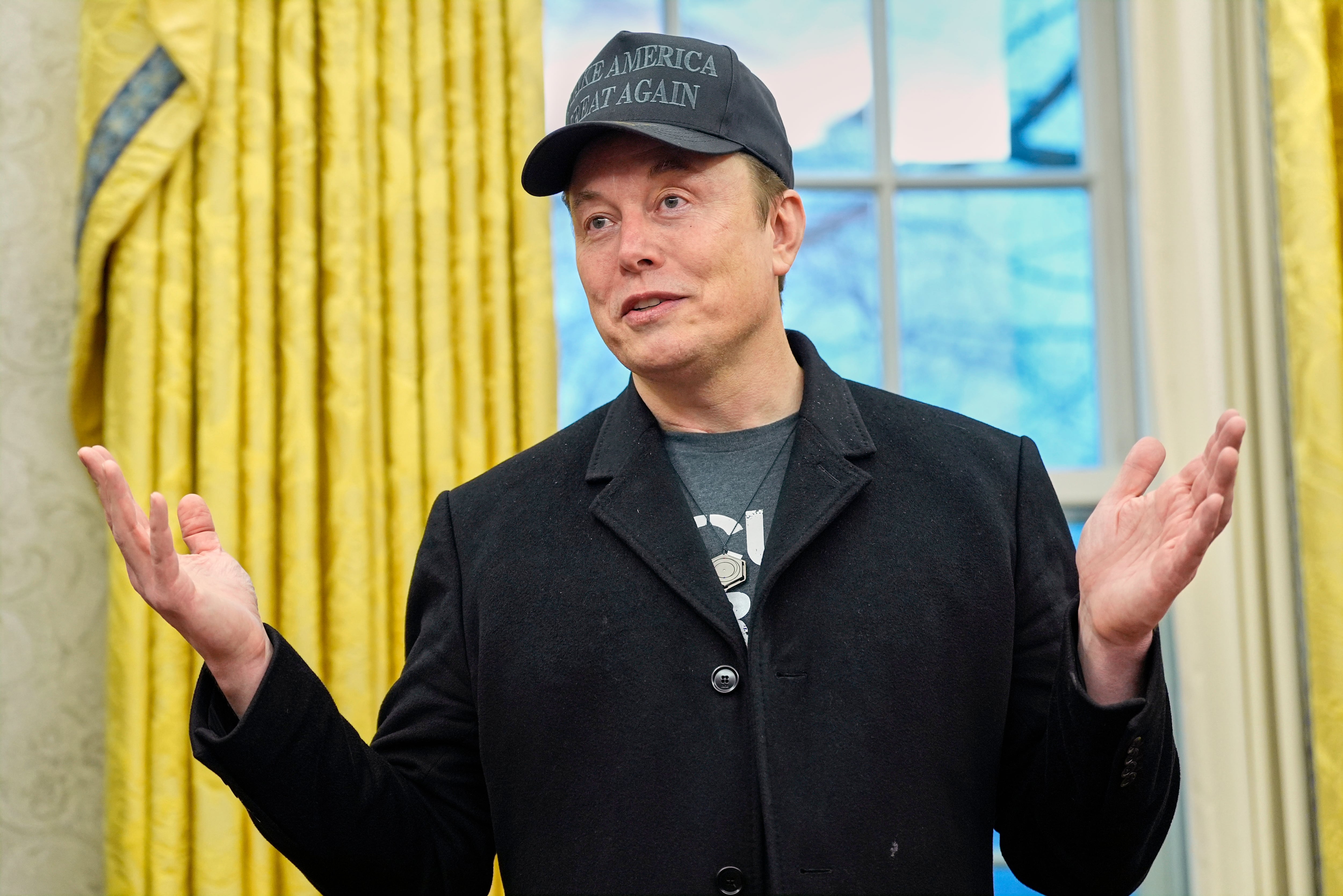
Tesla reported a surprise increase in sales in the third quarter as the electric car maker likely benefited from a rush by consumers to take advantage of a $7,500 credit before it expired on Sept. 30. The company reported Thursday that sales in the three months through September rose 7% compared to the same period a year ago. The gain follows two quarters of steep declines as people turned off by CEO Elon Musk’s foray into right-wing politics avoided buying his company’s cars and even protested at some dealerships. Sales rose to 497,099 vehicles, compared with 462,890 in the same period last year.
Tom’s Guide Editor-in-Chief Mark Spoonauer breaks down Apple & Amazon's latest product drops—what's hot, what's hype, and what really matters for users.
InnerPlant CEO Shely Aronov reveals how engineered crops like soybeans and corn emit signals when stressed—offering farmers early warnings to boost yields.
Payoneer CEO John Caplan discusses the implications of $100K H1B visa requirements—and how they could reshape tech talent, hiring, and U.S. competitiveness.