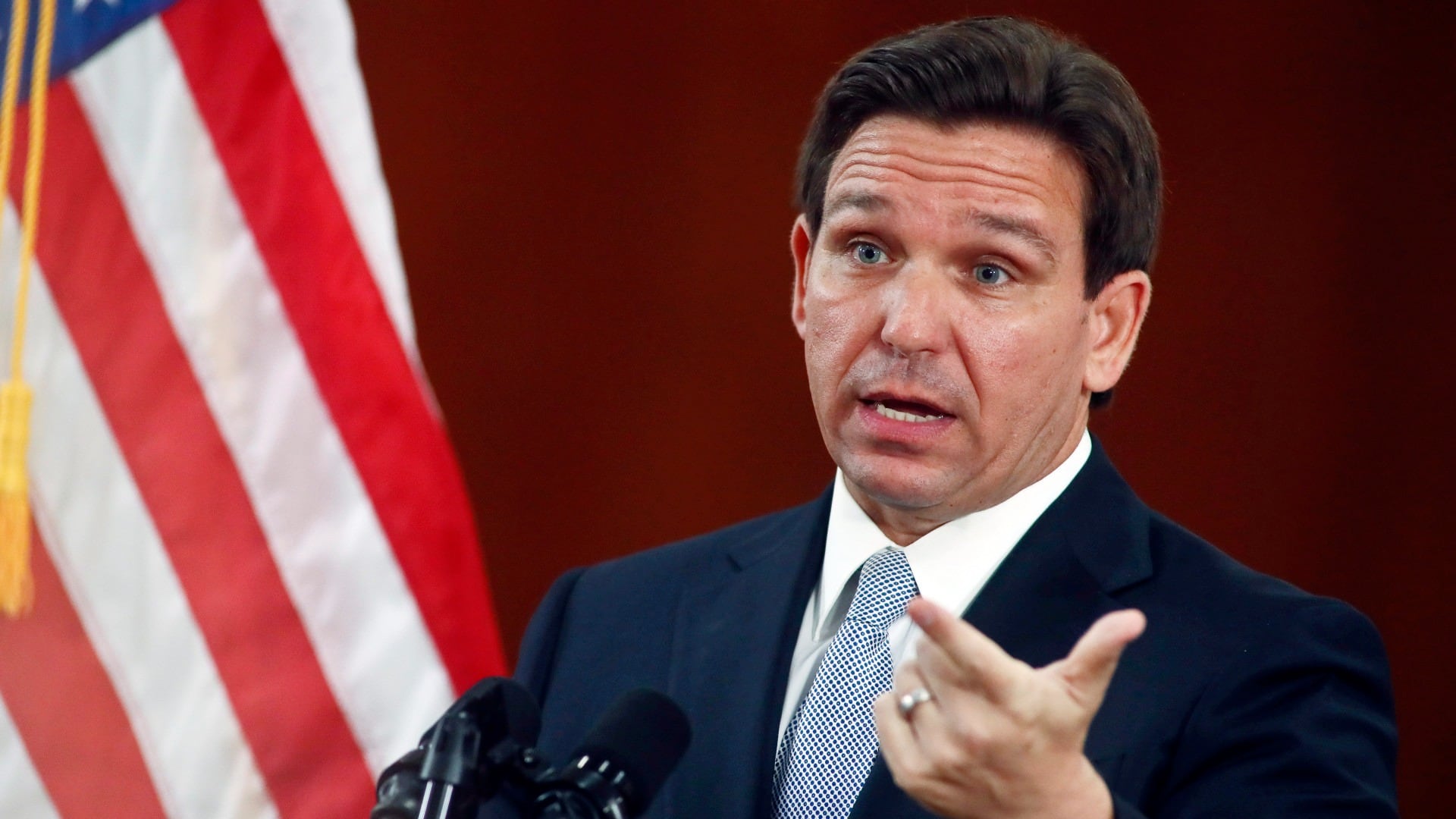
Florida Gov. Ron DeSantis answers questions from the media in the Florida Cabinet following his State of the State address during a joint session of the Senate and House of Representatives on March 7, 2023, at the state Capitol in Tallahassee, Fla. The Republican-dominated Florida Legislature on Thursday, April 13, approved a ban on abortions after six weeks of pregnancy, a proposal supported by DeSantis as he prepares for an expected presidential run. (AP Photo/Phil Sears, File)
By Kimberlee Kruesi and Michelle L. Price
Florida Gov. Ron DeSantis was involved in a multi-car accident on Tuesday in Tennessee but was uninjured as he traveled in a motorcade to a campaign stop for his 2024 presidential bid.
The chain reaction crash happened before 8:15 a.m. when traffic slowed on Interstate 75 in Chattanooga, causing four cars in the motorcade to hit one another, police said. All the vehicles involved in the crash were government vehicles taking DeSantis and his team to his scheduled event, police said.
The Republican White House hopeful was not hurt, police and DeSantis press secretary Bryan Griffin said. A female DeSantis staff member suffered a minor injury and was later treated at the campaign event, police said.
Representatives for DeSantis’ campaign did not answer questions about who was driving the governor or reveal details about the accident. DeSantis was continuing on to his event, spokesperson Andrew Romeo said. A spokesperson for the Florida governor’s office deferred questions about the accident to the campaign.
Florida law says the Florida Department of Law Enforcement must provide security for the governor and his immediate family. It can include uniformed and nonuniformed officers.
DeSantis was scheduled to hold events throughout central and eastern Tennessee as he prioritizes Super Tuesday states in his campaigning. Super Tuesday, held on March 5 next year, is when the largest number of delegates are up for grabs of any day in the primary cycle.
Earlier this month, DeSantis addressed more than 1,800 attendees at a state GOP dinner in Nashville.
The Florida governor, who has trailed front-runner Donald Trump in the GOP presidential contest, was expected to be at a fundraiser at a private home in Chattanooga on Tuesday. Hosts for the fundraiser were to pay $10,000 per couple for the event, while co-hosts were paying $5,000 and other attendees were paying $2,000 each, according to the Chattanooga Times Free Press.
DeSantis was expected to attend additional fundraisers on Tuesday in Knoxville and Franklin.
The Republican candidate has been attending a string of fundraisers lately as his campaign has faced some surprising financial pressures. He was in Utah over the weekend holding fundraisers and in New York last week for an event in the Hamptons.
Just two months after entering the race, DeSantis already has been cutting staff while facing new questions about his aggressive spending, his media strategy and his apparent willingness to brawl with any and all foes except for Trump, the one person he must defeat to claim the GOP’s 2024 presidential nomination.
“The DeSantis campaign is recalibrating. It’s clear it needs to,” said Republican strategist Terry Sullivan, who managed Marco Rubio’s 2016 presidential campaign. “But at the end of the day, they’re still better positioned than any other challenger to Donald Trump, times 10.”
DeSantis’ team has quietly expressed confidence for months that voters would eventually tire of Trump’s escalating legal troubles and personal baggage. But that baggage, playing out in the U.S. legal system just as the GOP primary intensifies, is leaving precious little oxygen for his rivals to break through. And Trump’s standing with Republican primary voters seems to be growing stronger with every new legal challenge.
Still, DeSantis’ team has raised a stunning $150 million for his presidential ambitions so far. The vast majority, $130 million, has gone to a super PAC run by allies who cannot legally coordinate with the campaign.
The DeSantis campaign itself raised more than $20 million in the first six weeks he was in the race, though recently released federal filings revealed that he and his team had burned through more than $8 million in a spending spree that included more than 100 paid staffers, a large security detail and luxury travel.
Price reported from Washington. Associated Press writer Meg Kinnard in Houston contributed to this report.
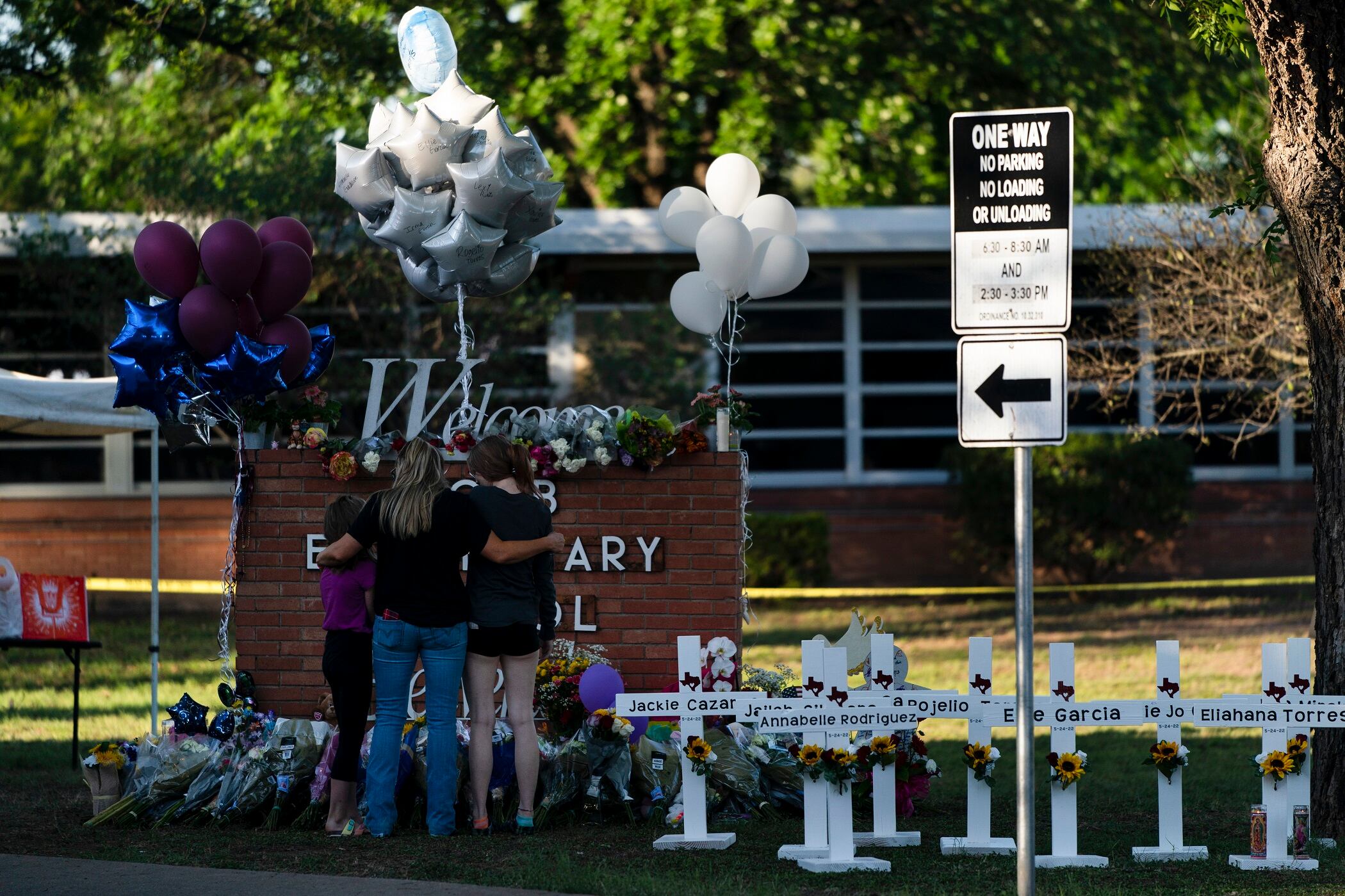
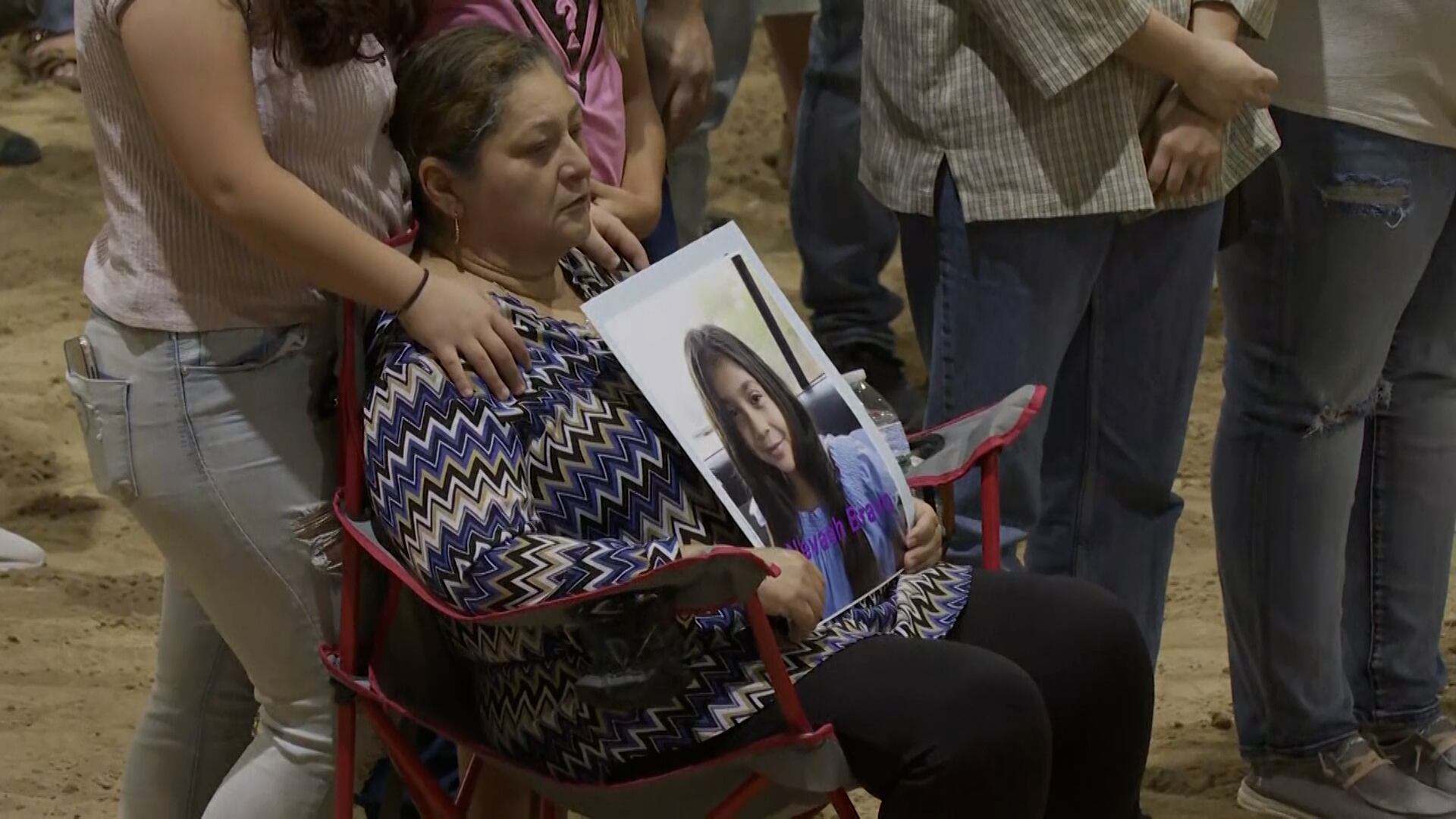
The school shooting in Texas that left 19 children and 2 teachers dead has reignited the debate over gun control.
The tragedy in Uvalde is the deadliest school shooting in nearly a decade and marks the latest in a string of mass shootings in the country. Jared Moskowitz, Broward County Commissioner and candidate for Congress in FL-23, joined Cheddar's Opening Bell to discuss why gun control measures are stalled in the Senate, and where legislation can move forward from here.
Police and detectives are still investigating the tragic school shooting in Uvalde, Texas that killed 19 children and two adults. Cheddar News was joined by Kirk Burkhalter, professor at New York Law School and former NYPD detective to gain some insight on what investigators are looking for and what comes next.
Texas authorities say the gunman who massacred 21 people at an elementary school was in the building for over an hour before he was killed by law enforcement officers.
Join Cheddar News as we break down the top headlines for Thursday, May 26 including updates on the Texas school shooting, President Joe Biden's executive order on police reform, and a recount in the Pennsylvania GOP Senate primary.
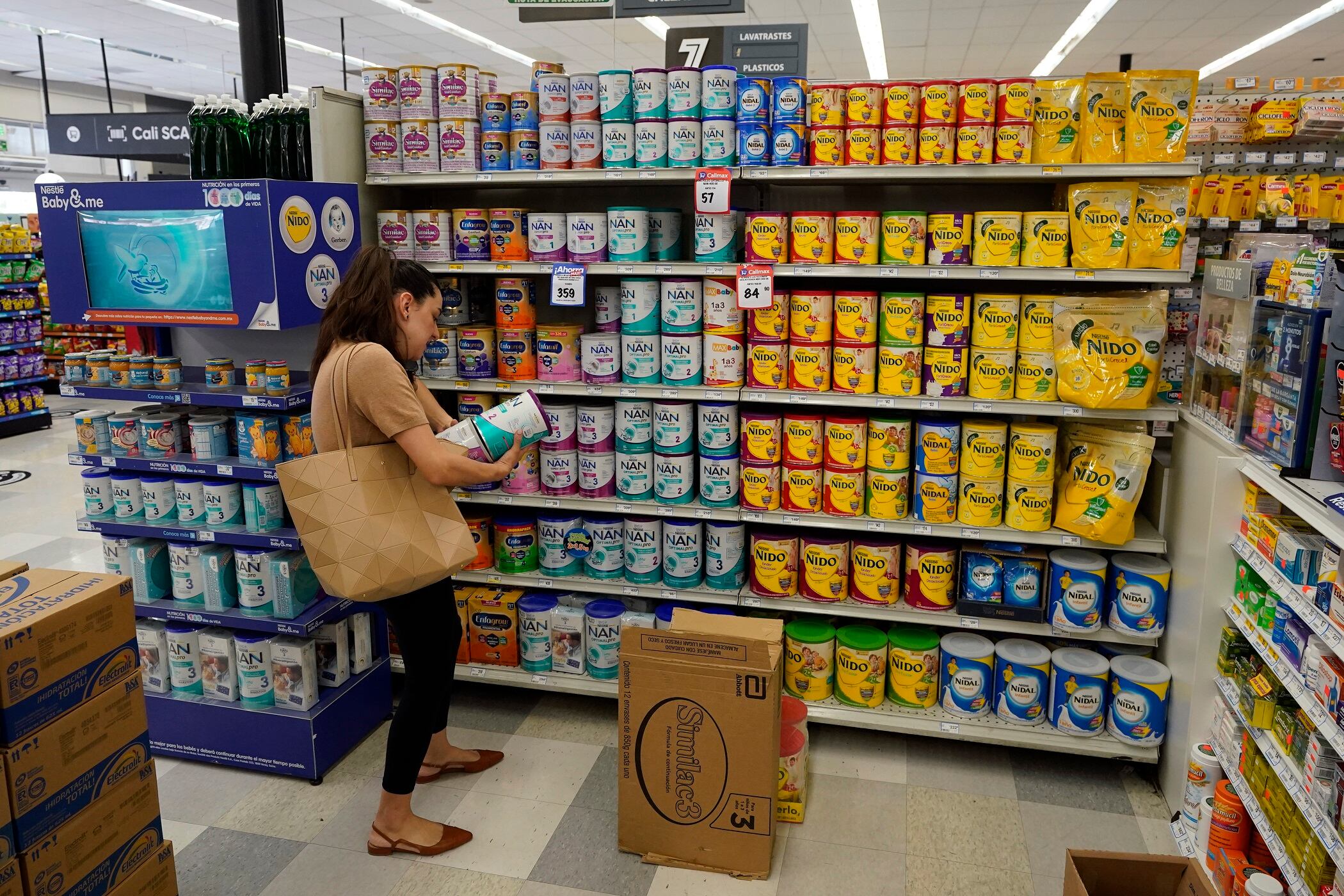
Representative Morgan Griffith of Virginia rebuked words from the FDA commissioner that could have been construed as blaming parents for stockpiling baby formula exacerbating the shortage.
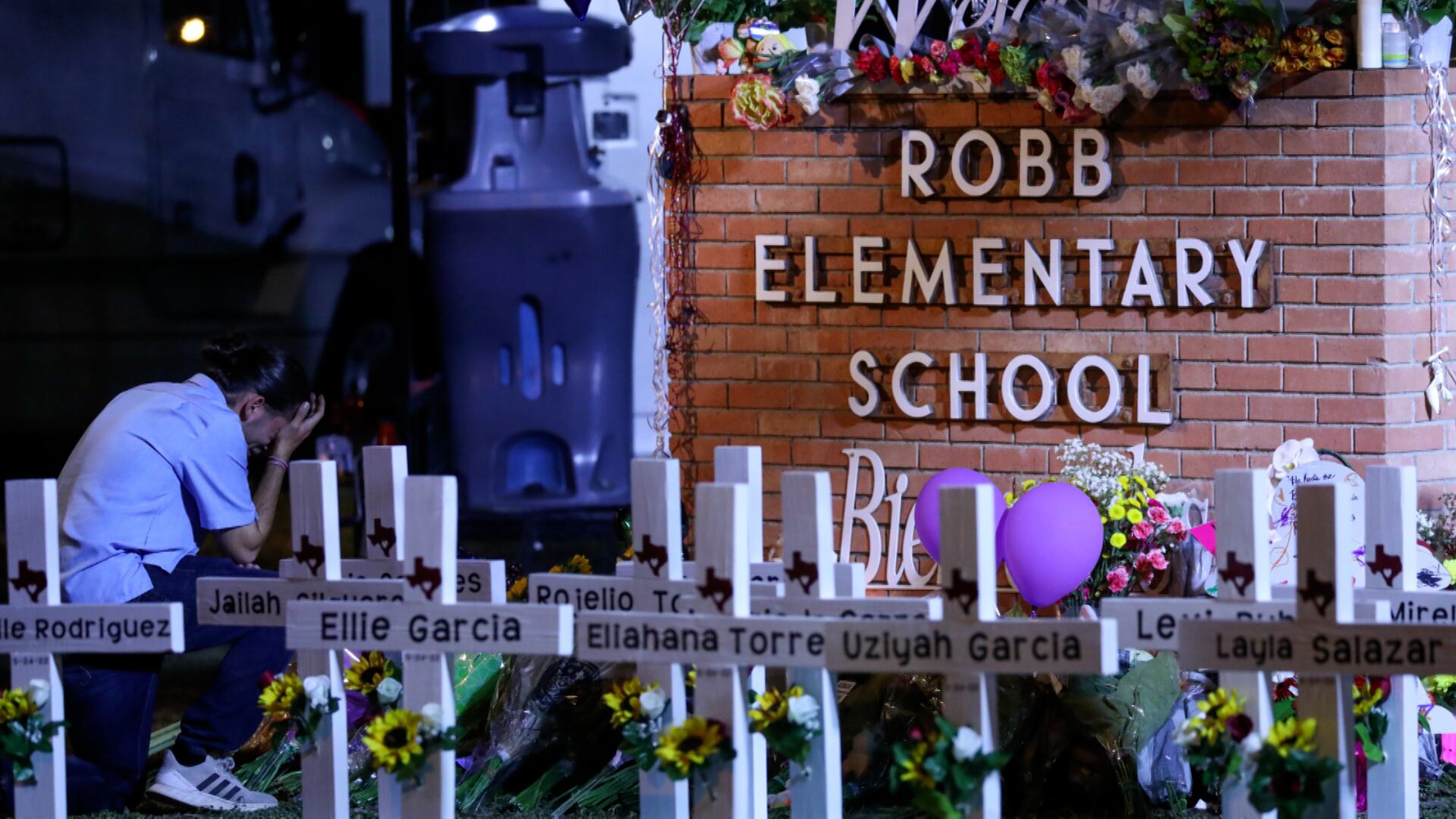
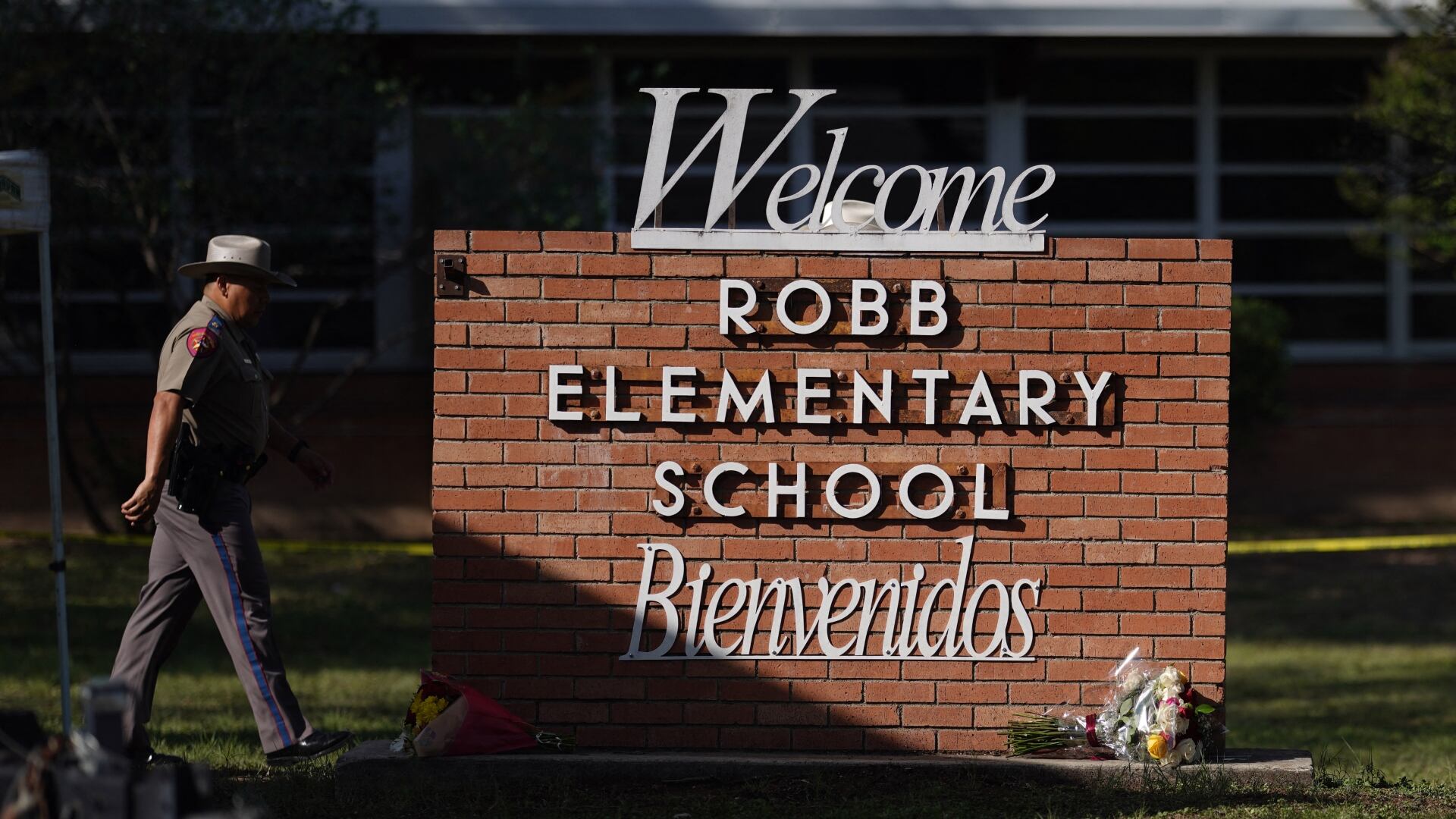
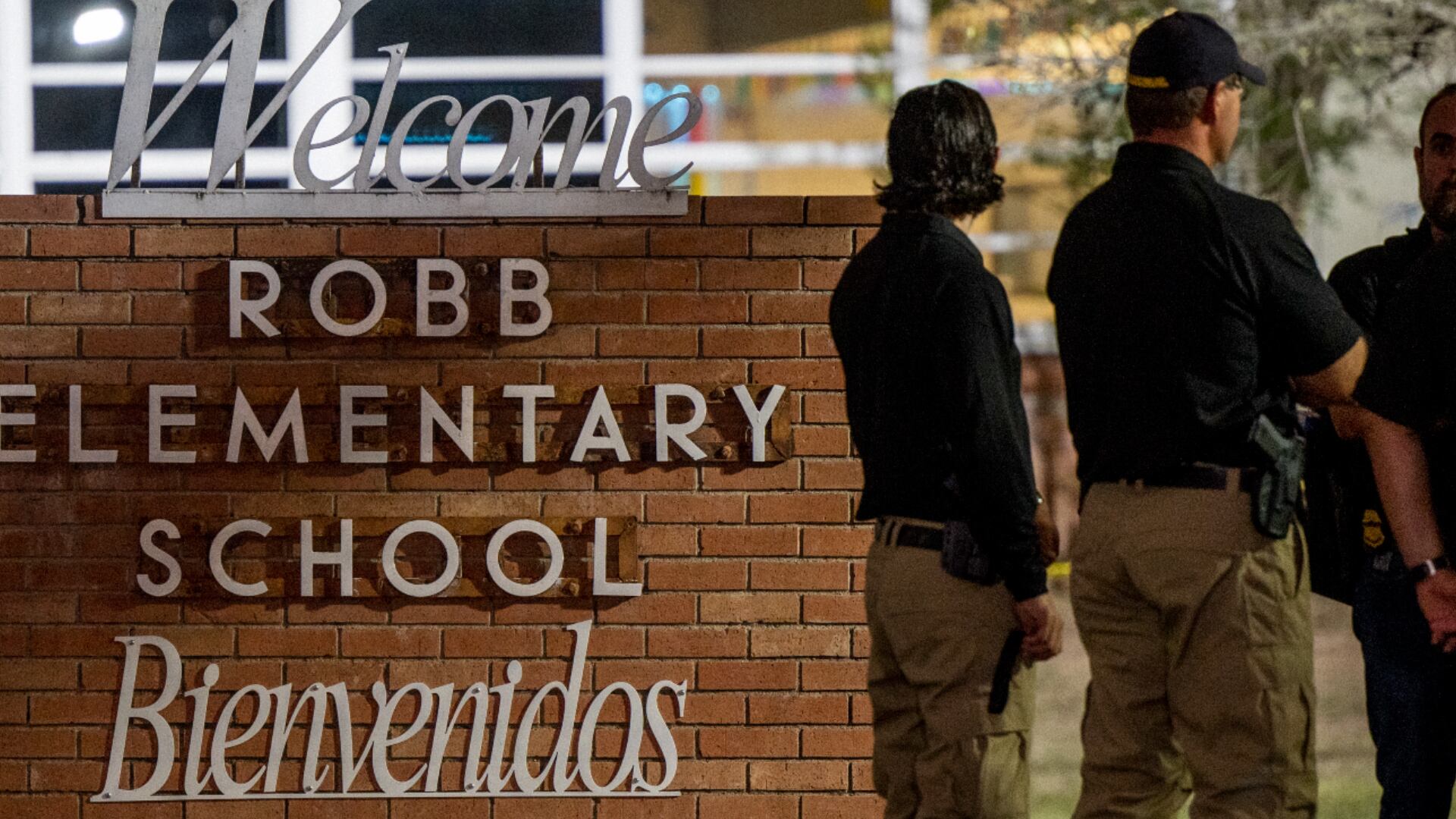
Cheddar News reporter Megan Pratz brings the latest from the scene of yesterday's horrific school shooting at a Robb Elementary School in Uvalde, Texas. Now the second-deadliest school shooting in U.S. history with 19 children and two adults killed, Pratz goes into comments by Texas Gov. Greg Abbott, details about the deceased shooter, and reactions from members of the community.
The Robb Elementary School mass shooting killing 19 children and two adults in Uvalde, Texas pm Tuesday was the deadliest school shooting since the 2012 Sandy Hook massacre in Newtown, Connecticut, and came just 10 days after the grocery store shooting in Buffalo, New York. Nelson Vergara, the founder and CEO of 360 Protective Solutions, joined Cheddar’s Opening Bell to discuss. "Right now what law enforcement is concentrating on is trying to trace his steps as to what motivated the gunman to act the way he did. What it boils down to just trying to figure out what led to his motivation to do such a horrific act.”
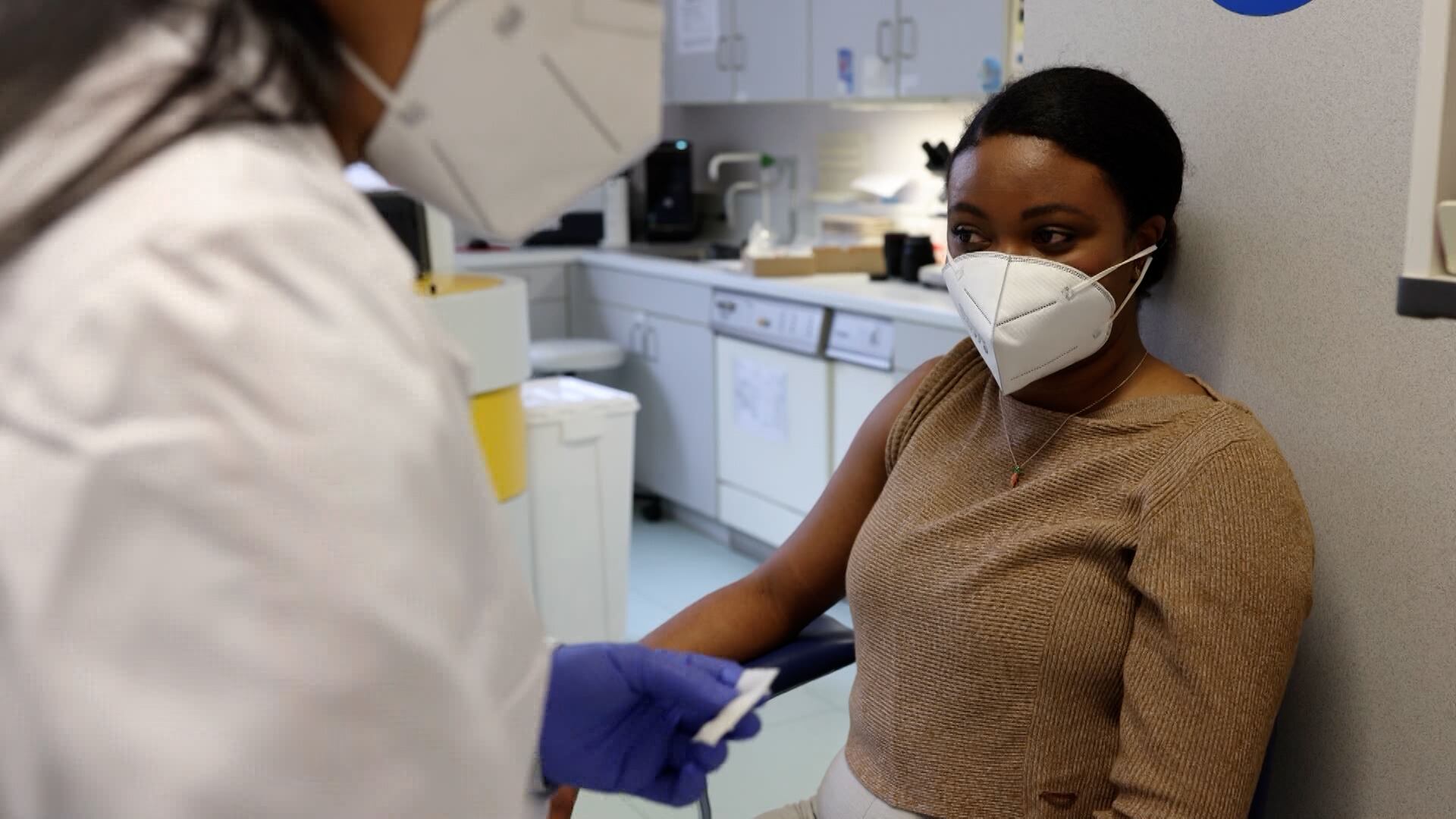
An recently conducted AP-NORC poll found that majorities of the Black and Hispanic populations in the U.S. still find themselves either somewhat worried or extremely worried over the pandemic, while more than half of white Americans responded with either being not too worried or not worried at all. Dr. Chris Pernell, the chief strategic integration and health equity officer at University Hospital, joined Cheddar News to talk about how perceptions of COVID-19 differ between groups of Americans. "We’re still seeing people get infected, and because of the toll of the disproportionate impact, we have concerns among the Black and brown community about whether or not they have an increased risk of exposure because of where they work, because of the use of public transportation, because they live in homes that they may not be able to safely quarantine and or isolate in, and because they have at baseline chronic health conditions that may make coronavirus more severe in those persons," she said.
Judith Enck, a former regional administrator for the EPA and the president of Beyond Plastics, joined Cheddar News to talk about the role of plastics in the climate crisis and California's investigation of ExxonMobil and other oil companies for misleading the public on the ability to recycle plastics. "The reason why petrochemical companies like Exxon have gotten away with selling more and more plastic is that they've lied to the public and told us don't worry about all those negative upstream impacts and downstream impacts of plastics. Just be sure to recycle it. Well, guess what? Plastics largely are not recycled," Enck said.