*By Britt Terrell*
Senate Democrats are seeking to make net neutrality a central issue in November's midterm election by putting Republicans on the record against an issue that most Americans support.
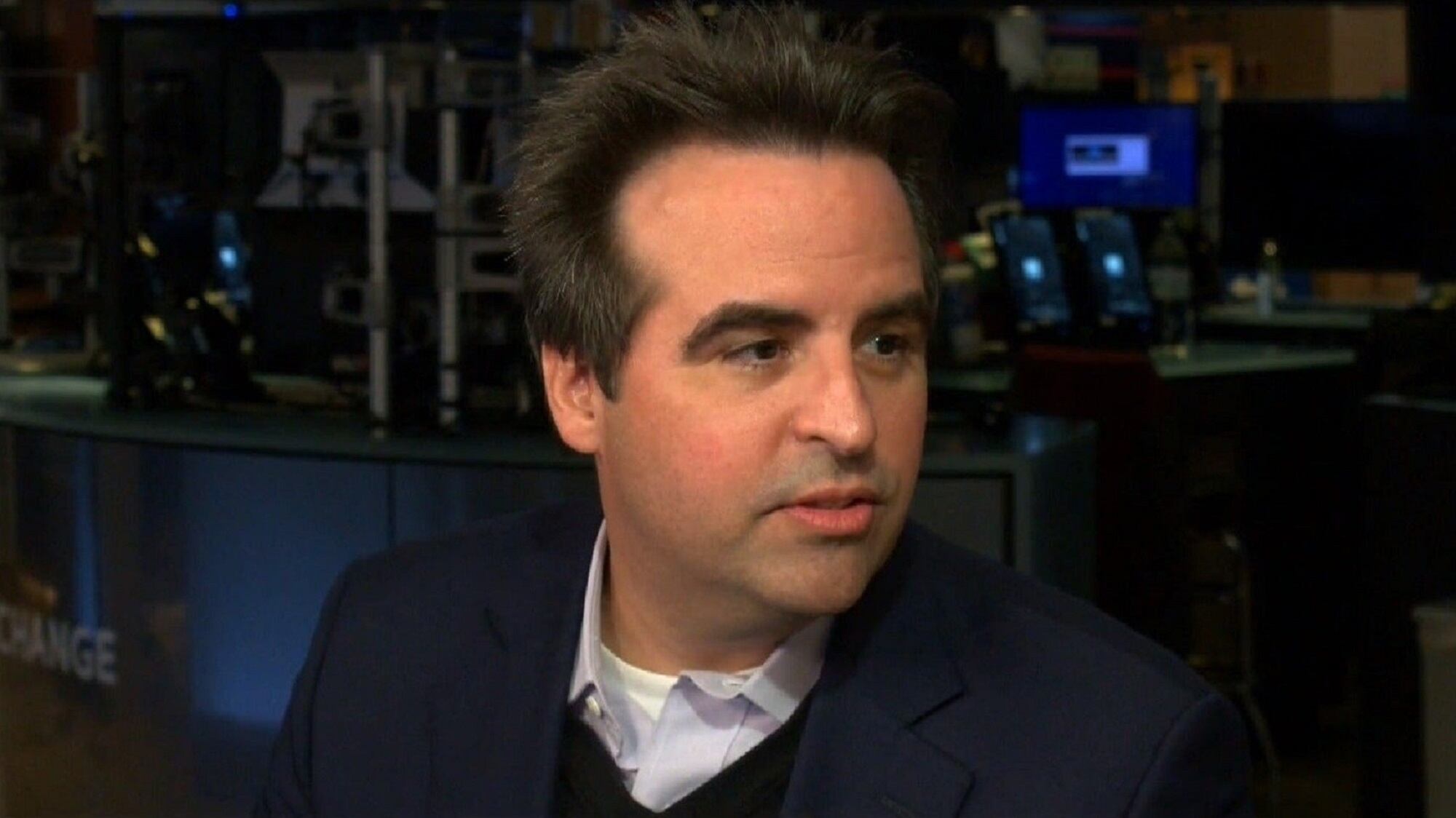
If the Democratic strategy works, it could help them win a Congressional majority, said Ross Rubin, principal analyst at Reticle Research.
"It's an opportunity for the Democrats to stand up and say 'we're on the side of the consumer,'" Rubin said Thursday in an interview with Cheddar. "Public opinion polls have shown that most Americans favor net neutrality, and this is an opportunity with the midterms coming up to say, 'here's how we voted, and the Republicans did not stand with us.'"
Three Republicans joined all of the Senate's Democrats to [pass a resolution](https://www.cnet.com/news/senate-votes-to-restore-net-neutrality-heres-how-every-senator-voted/) Wednesday to preserve net neutrality rules that ensure internet service providers provide equal access to all content and applications without showing favor to certain products or sites.
It is unlikely the House will pass a similar resolution ahead of the Federal Communication Commission's June 11 deadline for the repeal of net neutrality rules. But President Trump, who in the past has pivoted on resonant issues that could gain him favor with voters, might be convinced to keep net neutrality in place, Rubin said.
It was Trump's chosen FCC chairman, Ajit Pai, who pushed to repeal the net neutrality rules on the grounds that regulation prevents the businesses that build internet's infrastructure from innovating and re-investing.
"He was in support when Chairman Pai first announced the initiative," to get rid of net neutrality, Rubin said of Trump. But if Democrats' strategy to make it a more crucial midterm election issue succeeds, "it might be a chance for a populist appeal," he said.
For the full interview, [click here](https://cheddar.com/videos/senate-votes-to-keep-net-neutrality-rules-2).
In the aftermath of earthquakes, one of the U.S. territory’s top architects is making the case for short-term assistance combined with long-term vision.
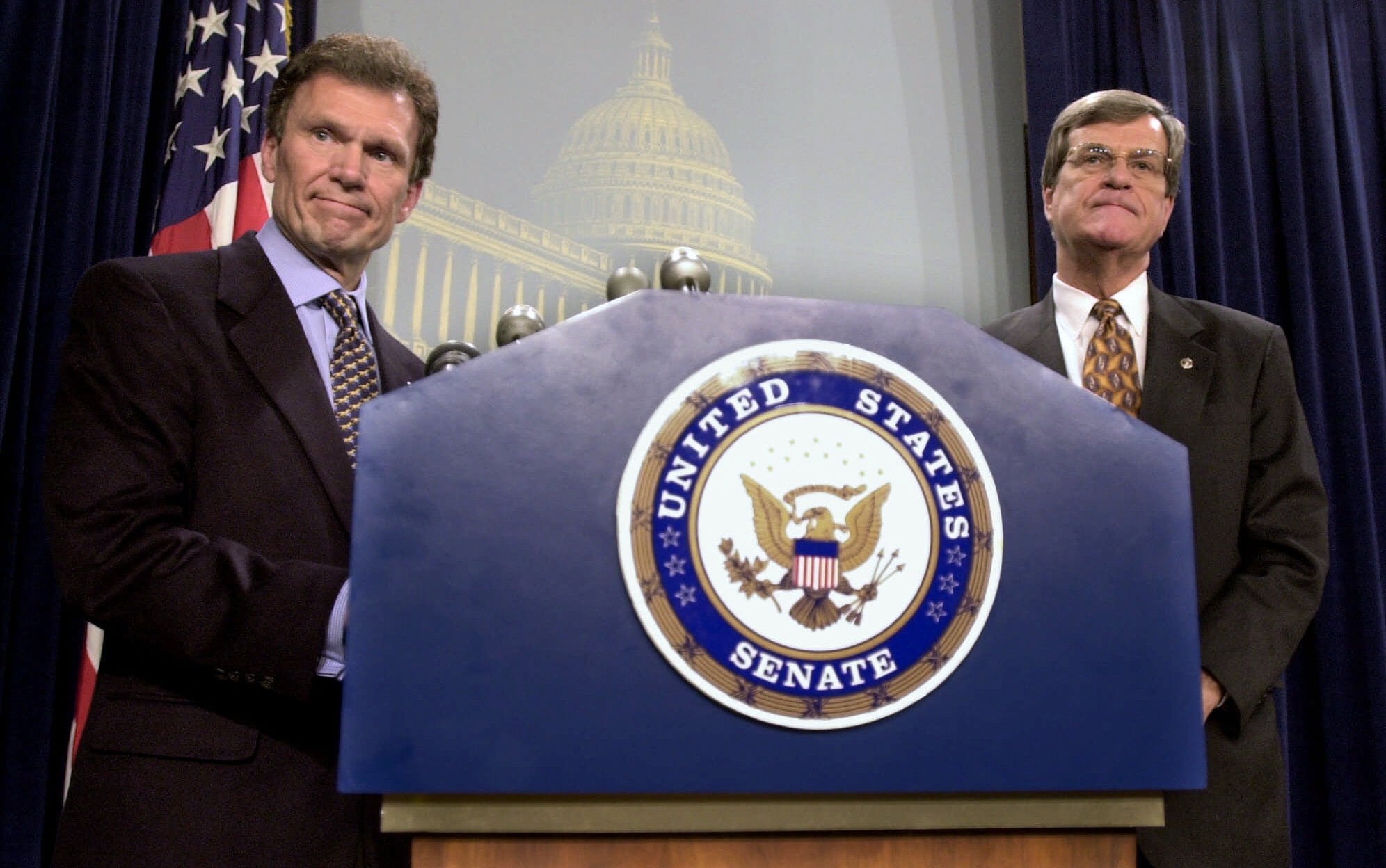
When President Bill Clinton was impeached more than 20 years ago, the Senate leaders who controlled his fate say they sought to appear neutral and separate from the White House and wanted to make the trial a bipartisan process. At least that’s how Trent Lott and Tom Daschle remember it today.
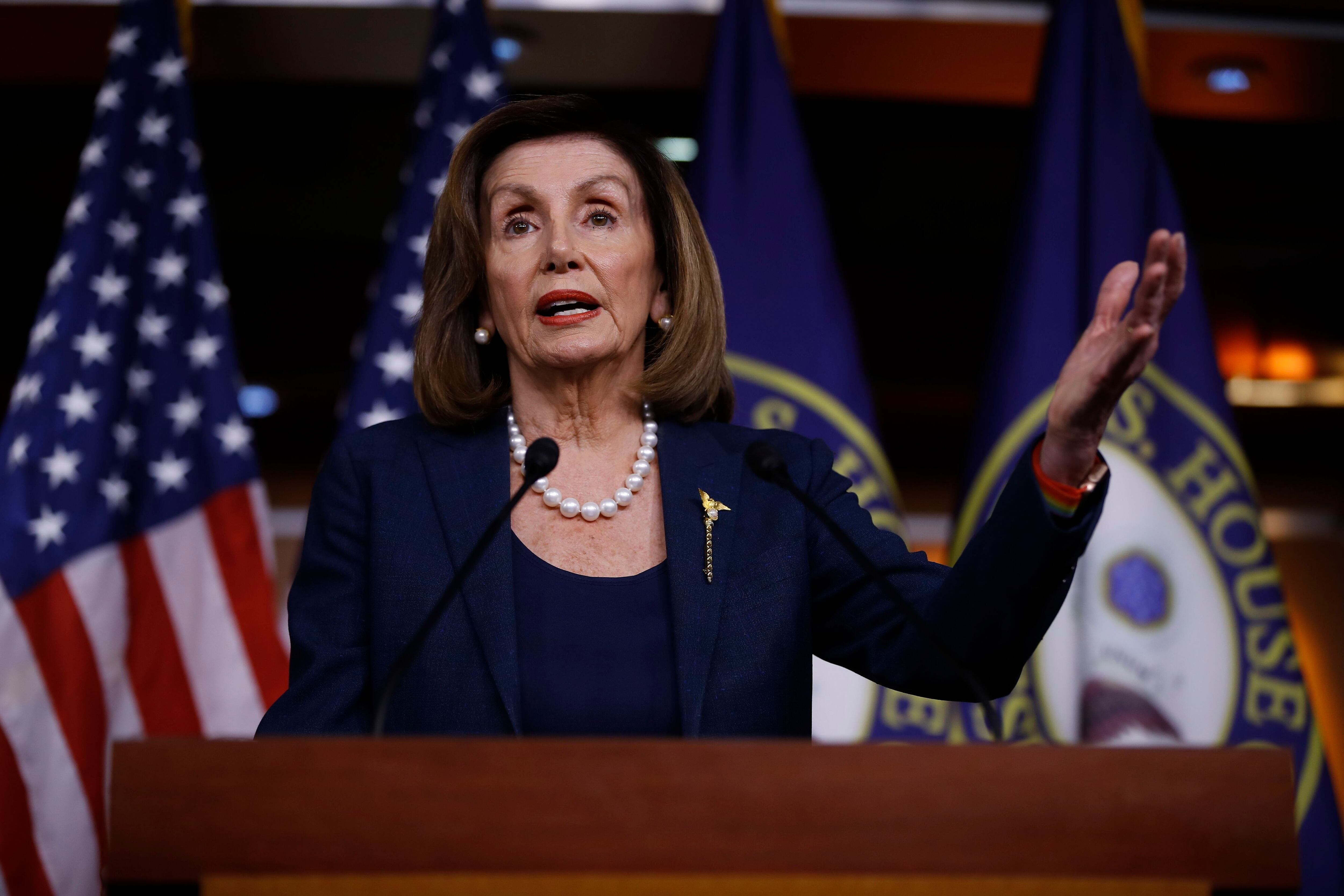
House Speaker Nancy Pelosi called Facebook’s behavior “shameful” during her weekly press conference Thursday.
The federal government's watchdog agency said Thursday a White House office violated federal law in withholding security assistance to Ukraine.
These are the headlines you Need 2 Know for Thursday, January 16, 2020.
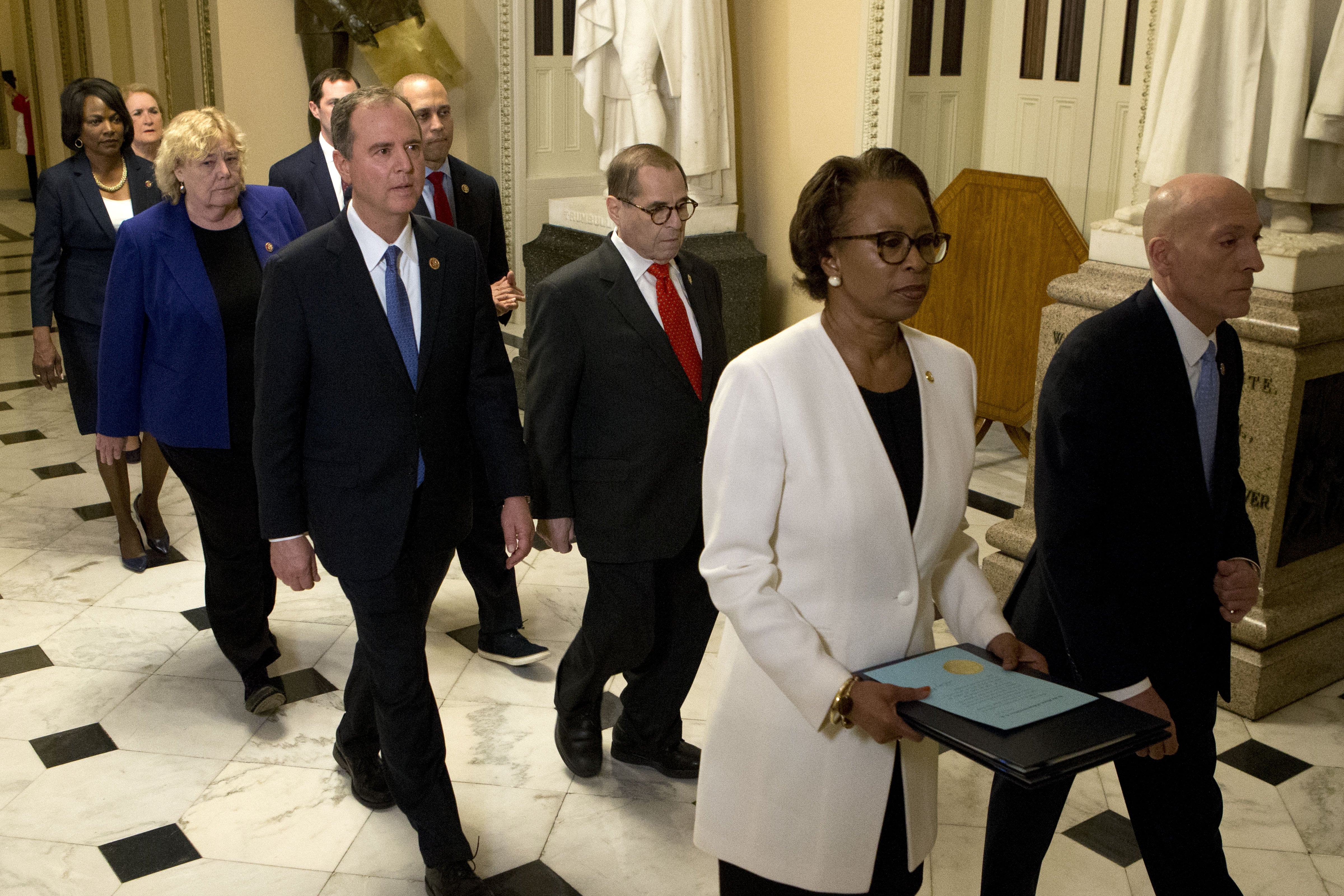
The House delivered the articles of impeachment against President Donald Trump to the Senate Wednesday hours after Speaker Nancy Pelosi named seven managers to handle prosecute the trial.
“[Trump] would win right now because the Democrats have not succeeded in making this election a referendum on Trump,” longtime Republican and political strategist Rick Wilson told Cheddar on the eve of another sort of referendum — the president’s impeachment trial.
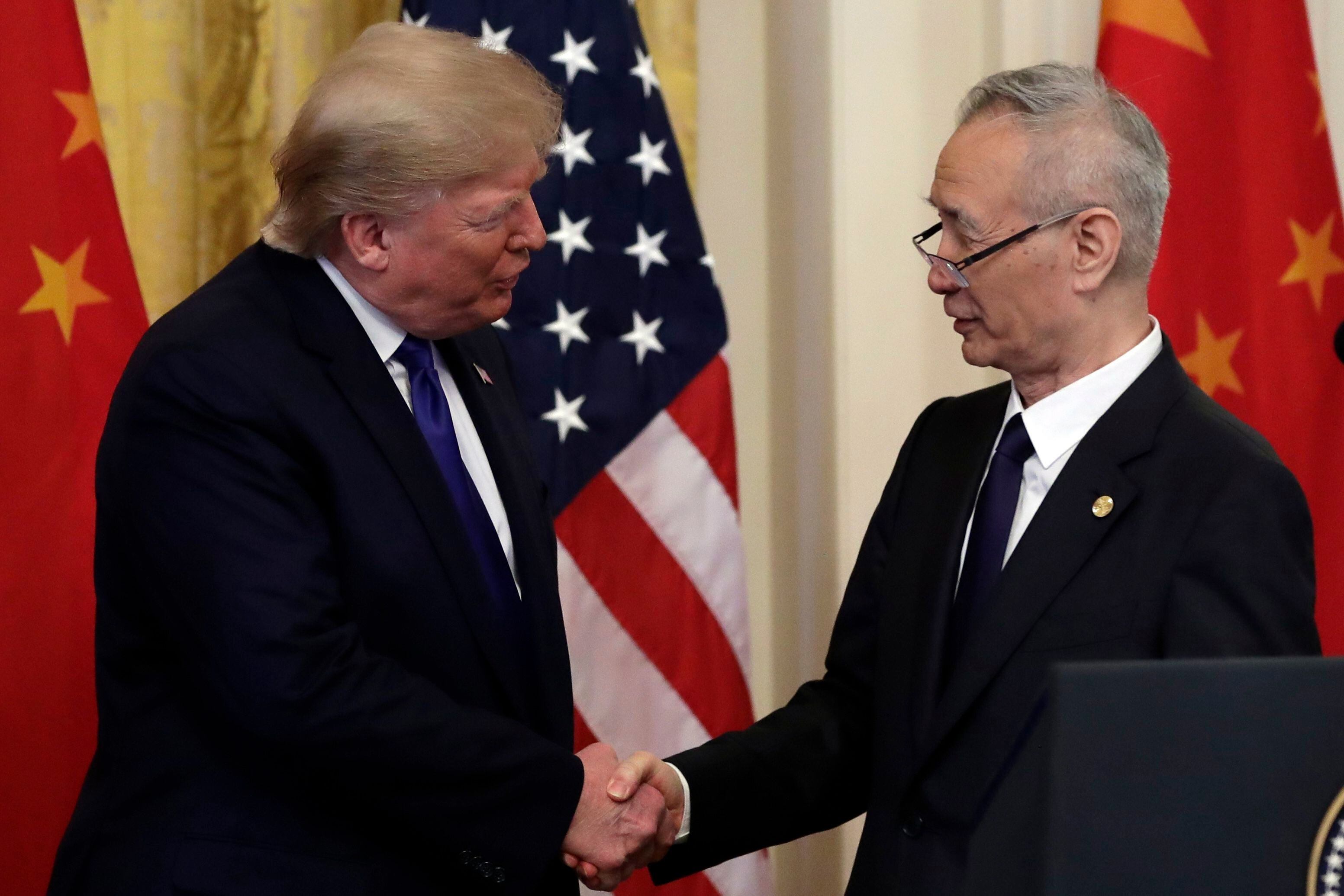
President Trump signed a so-called "phase one" trade deal with China on Wednesday, signaling a détente in a protracted trade war that resulted in hundreds of billions of dollars of tariffs being exchanged on exports between the world's two largest economies over the better part of two years.
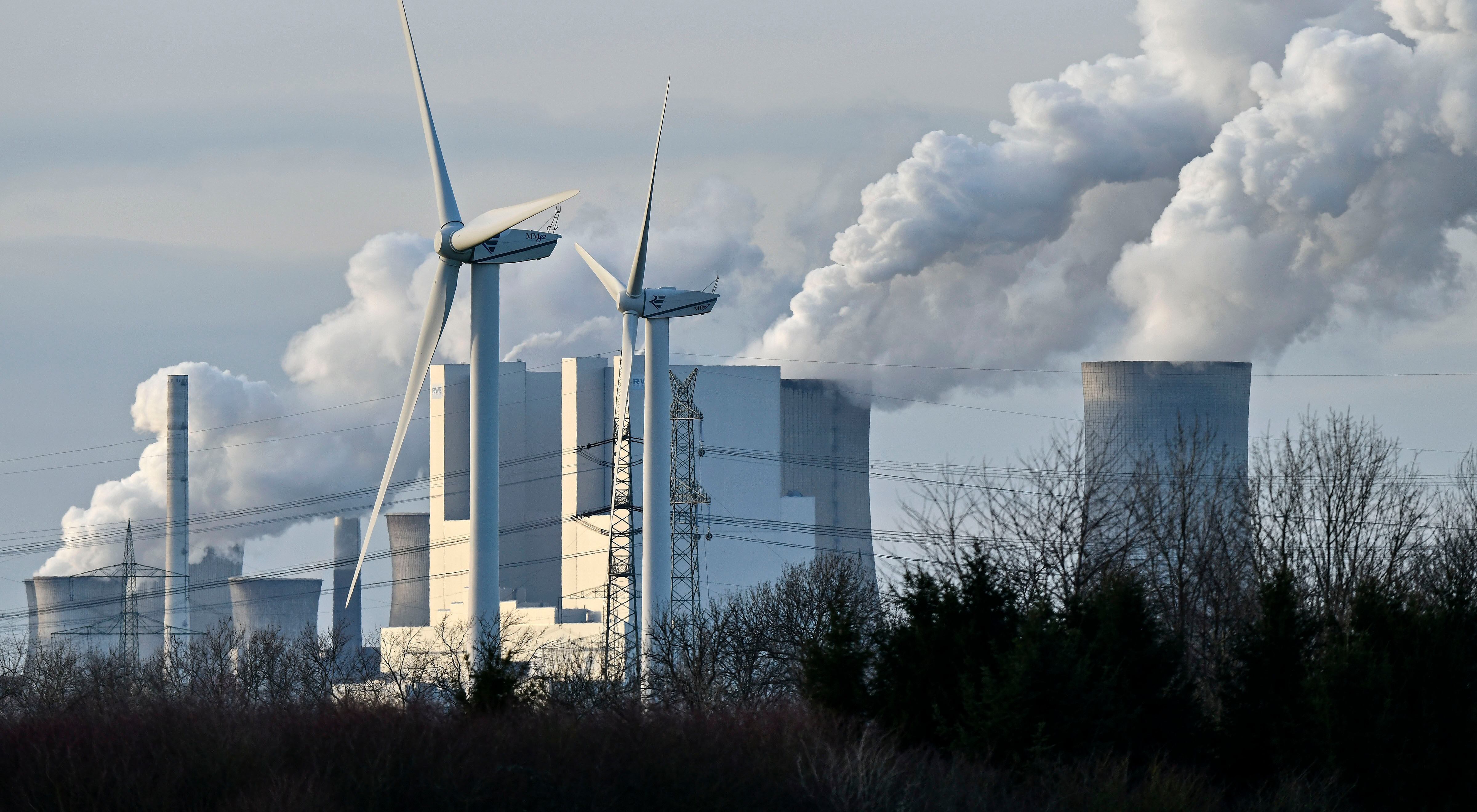
Weeks after the White House unexpectedly derailed a bipartisan tax deal for electric vehicles, offshore wind energy, and other major green priorities, dozens of emissaries from the nation’s renewable energy industries and environmental advocacy groups are gathering in the nation’s capital to begin charting their green-energy push for 2020 — and to dissect what went wrong in the final hours of its 2019 influence campaign.
Here are the headlines you Need 2 Know for Wednesday, January 15, 2020.