*By Britt Terrell*
Senate Democrats are seeking to make net neutrality a central issue in November's midterm election by putting Republicans on the record against an issue that most Americans support.
If the Democratic strategy works, it could help them win a Congressional majority, said Ross Rubin, principal analyst at Reticle Research.
"It's an opportunity for the Democrats to stand up and say 'we're on the side of the consumer,'" Rubin said Thursday in an interview with Cheddar. "Public opinion polls have shown that most Americans favor net neutrality, and this is an opportunity with the midterms coming up to say, 'here's how we voted, and the Republicans did not stand with us.'"
Three Republicans joined all of the Senate's Democrats to [pass a resolution](https://www.cnet.com/news/senate-votes-to-restore-net-neutrality-heres-how-every-senator-voted/) Wednesday to preserve net neutrality rules that ensure internet service providers provide equal access to all content and applications without showing favor to certain products or sites.
It is unlikely the House will pass a similar resolution ahead of the Federal Communication Commission's June 11 deadline for the repeal of net neutrality rules. But President Trump, who in the past has pivoted on resonant issues that could gain him favor with voters, might be convinced to keep net neutrality in place, Rubin said.
It was Trump's chosen FCC chairman, Ajit Pai, who pushed to repeal the net neutrality rules on the grounds that regulation prevents the businesses that build internet's infrastructure from innovating and re-investing.
"He was in support when Chairman Pai first announced the initiative," to get rid of net neutrality, Rubin said of Trump. But if Democrats' strategy to make it a more crucial midterm election issue succeeds, "it might be a chance for a populist appeal," he said.
For the full interview, [click here](https://cheddar.com/videos/senate-votes-to-keep-net-neutrality-rules-2).
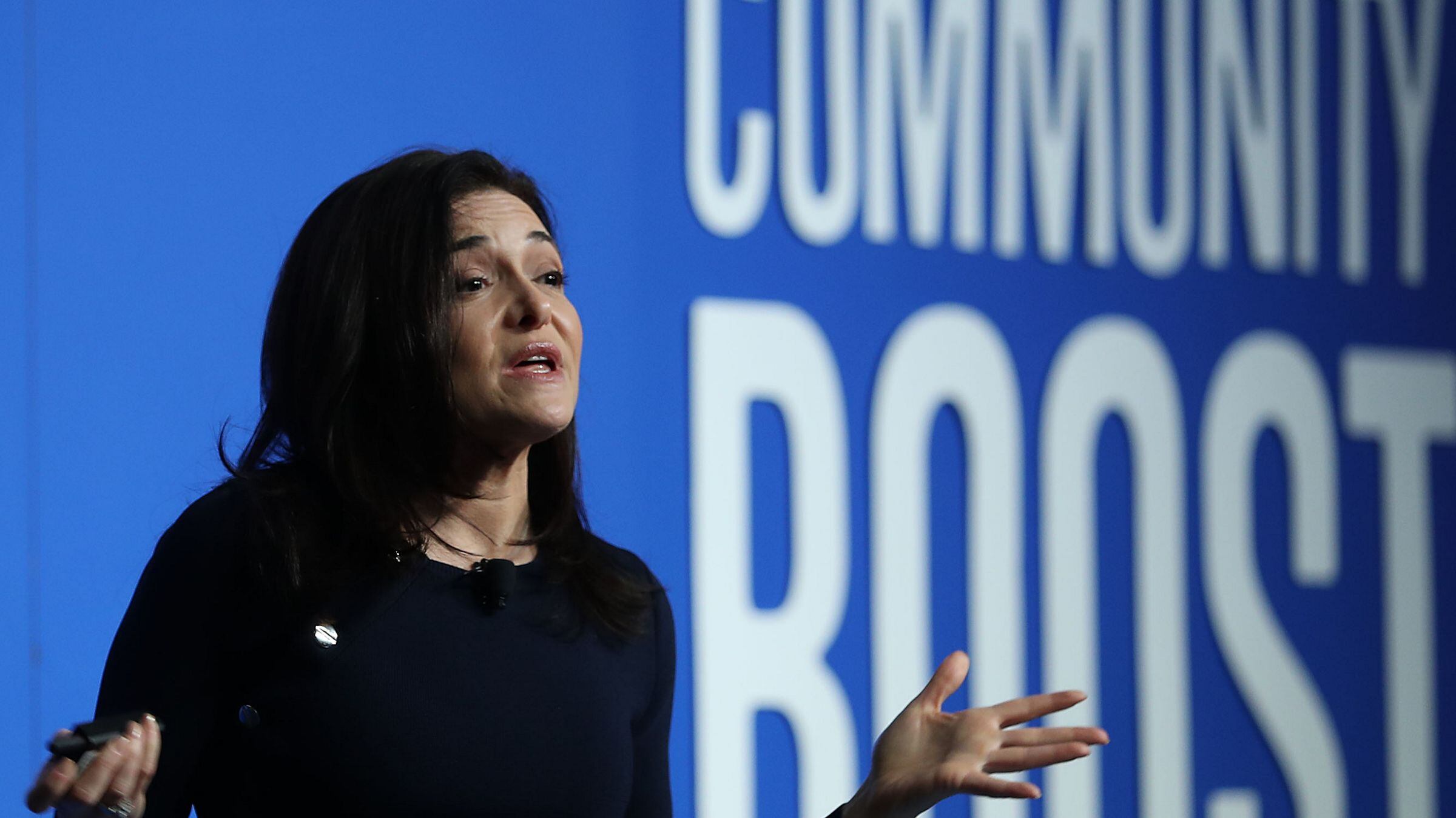
The Small Business Grants Program, revealed in a blog post on Tuesday morning, was created to keep workers working, help with rent costs, connect with more customers, cover operational costs. (Photo by Joe Raedle/Getty Images)
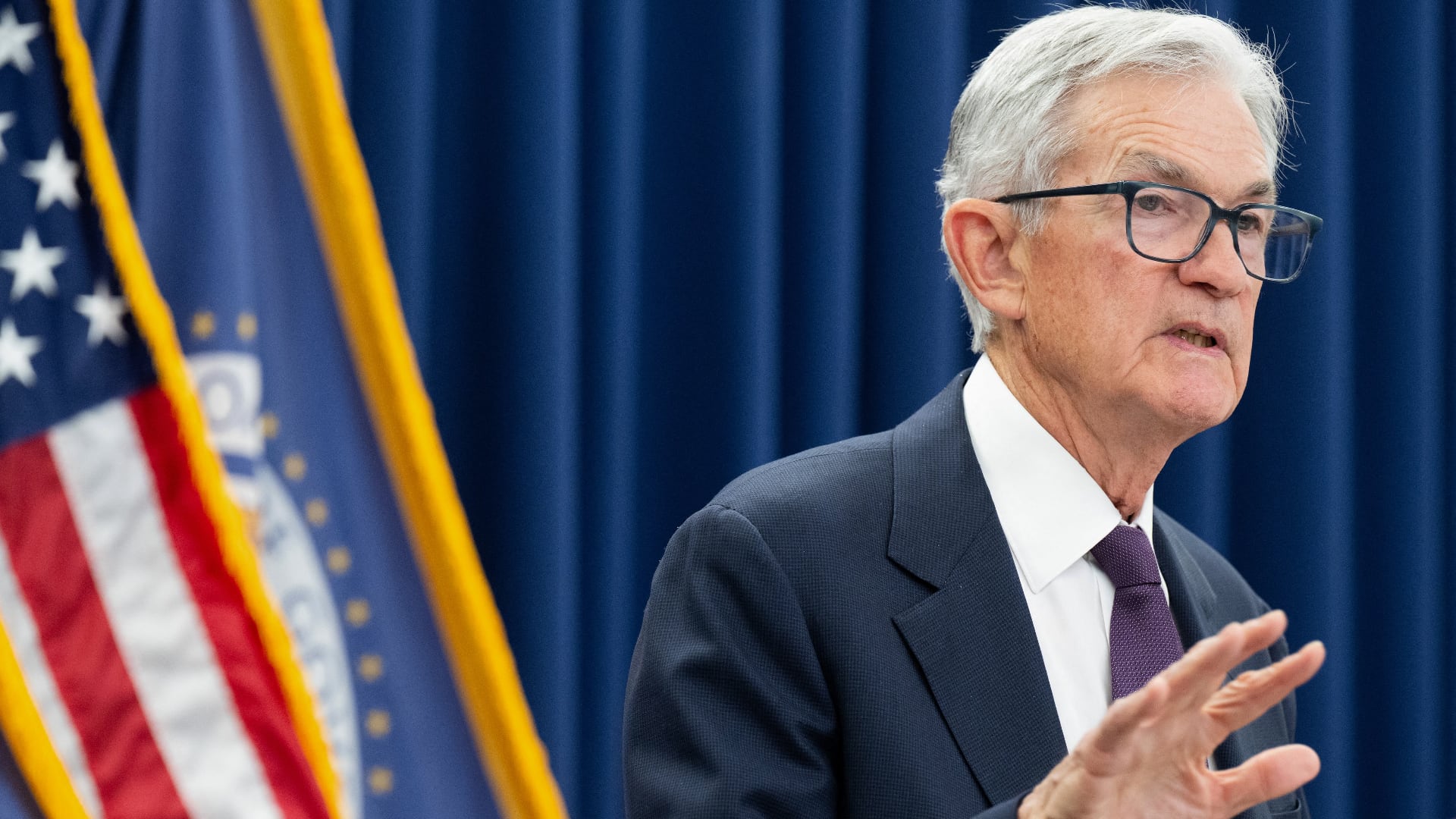
The Fed is reviving a program that it first used during the 2008 financial crisis to unclog a short-term lending market for what is known as “commercial paper.” Large businesses issue commercial paper to raise cash to meet payrolls and cover other short-term costs.
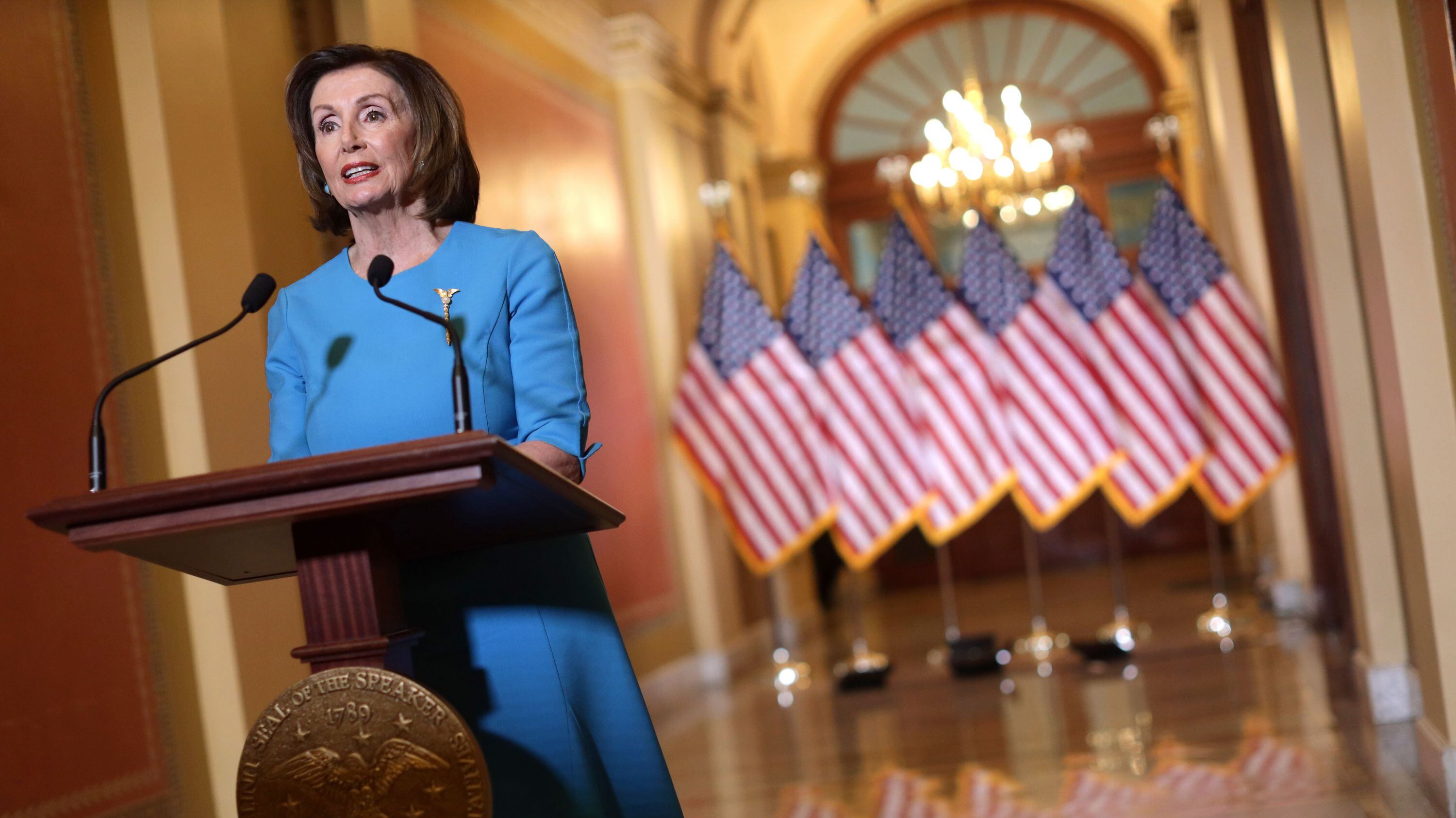
Speaker Nancy Pelosi said the House Democrats will pass the $8.3 billion ‘Families First Coronavirus Response Act’ today, though she did not mention support by Republicans or the White House.
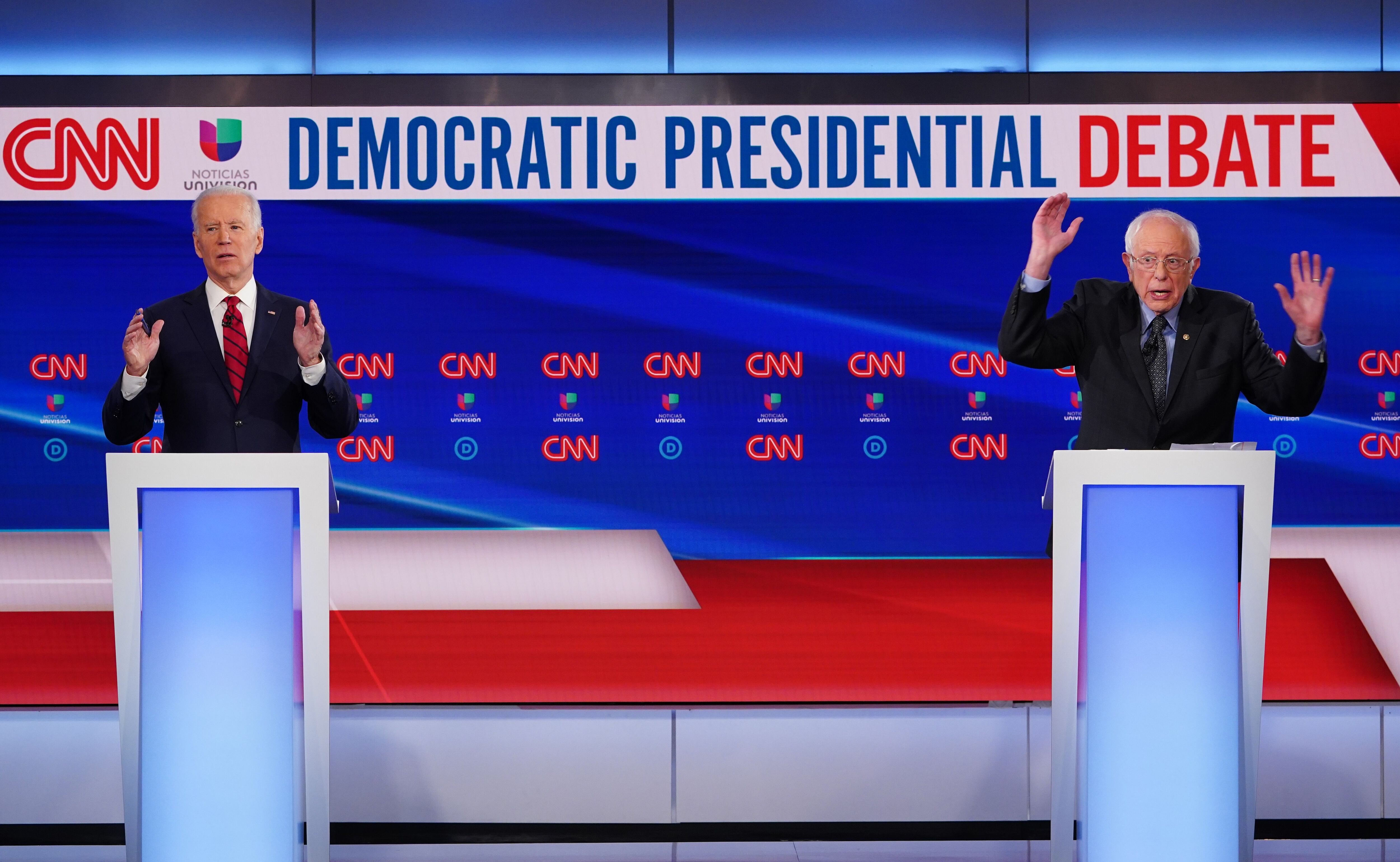
Millions of voters in Arizona, Florida, and Illinois have already cast ballots for the 441 Democratic pledged delegates up for grabs in today and those who haven't are expected to head to the polls.
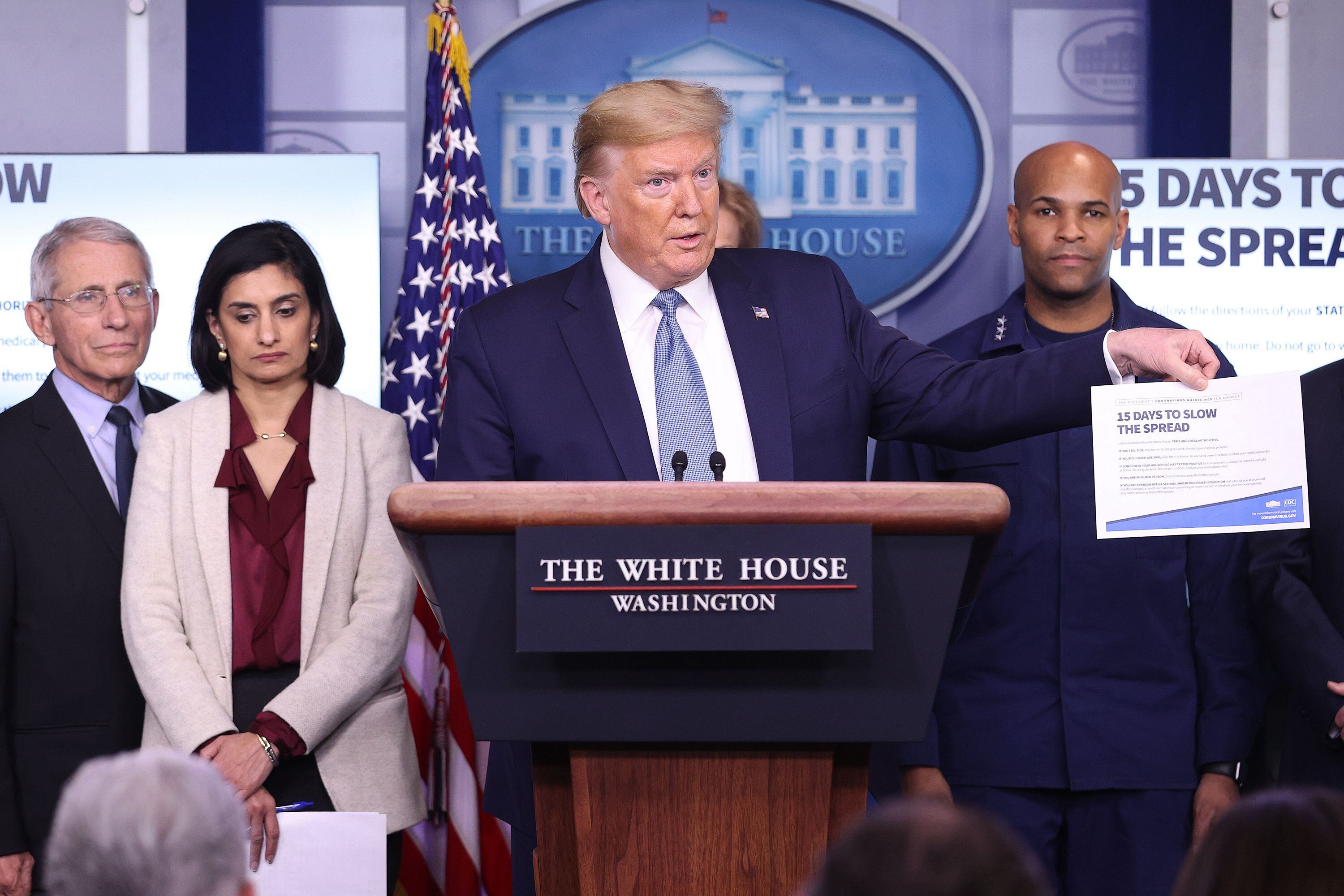
The guidelines mark the first attempt by the federal government to establish best practices for all Americans amid an avalanche of disparate state and local policies.
U.S. airlines are reportedly seeking as much as $50 billion in federal support as travel restrictions aimed at containing the spread of coronavirus have pushed the industry’s biggest players to the brink of bankruptcy.
The action came on the heels of an executive order by Louisiana Gov. John Bel Edwards, banning gatherings of 250 people or more across the state and shutting down schools.
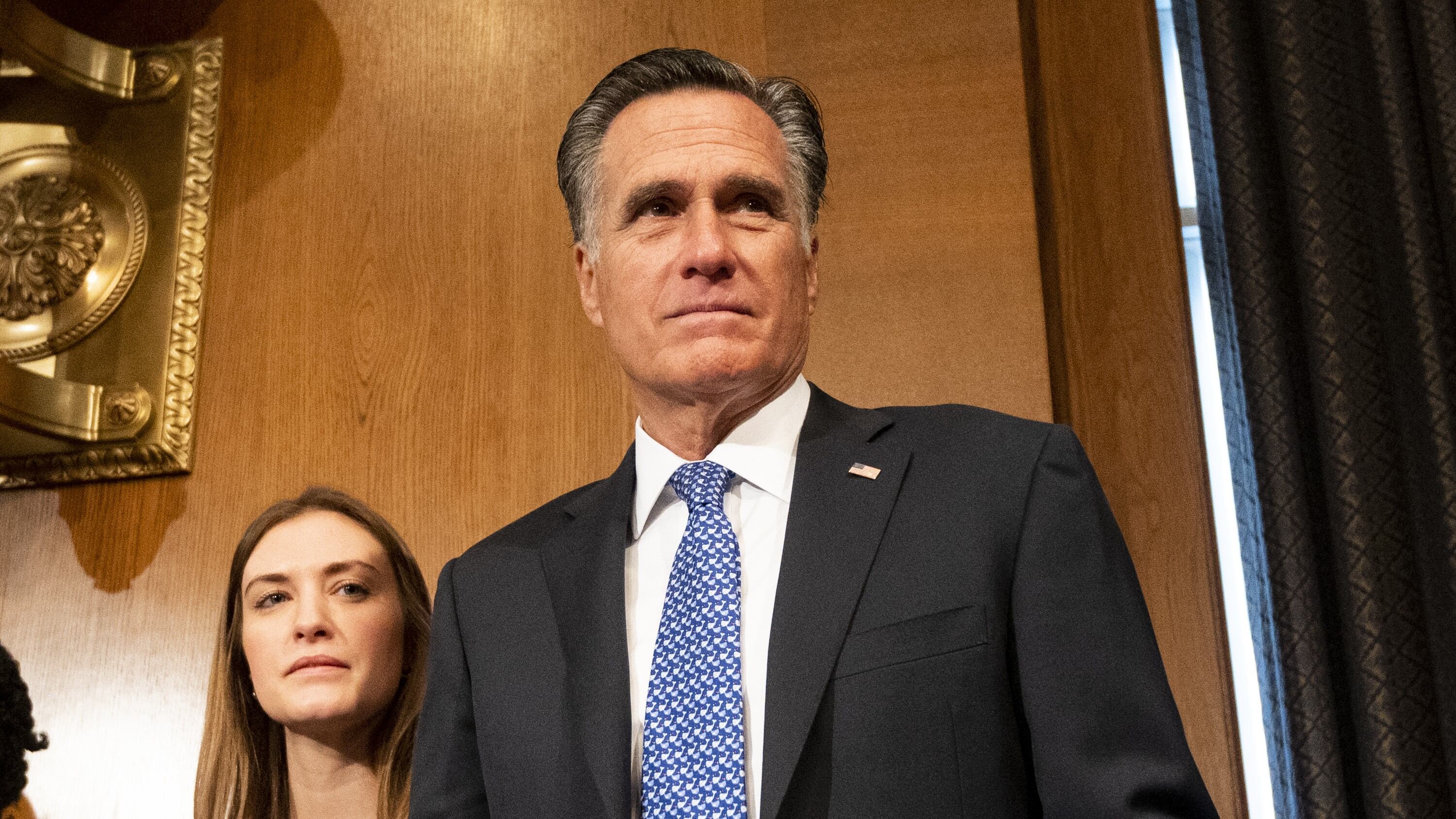
Sen. Mitt Romney seems to be channeling former Democratic presidential candidate Andrew Yang in his proposal to give every U.S. adult $1,000 to help them deal with the economic impact of the coronavirus outbreak.
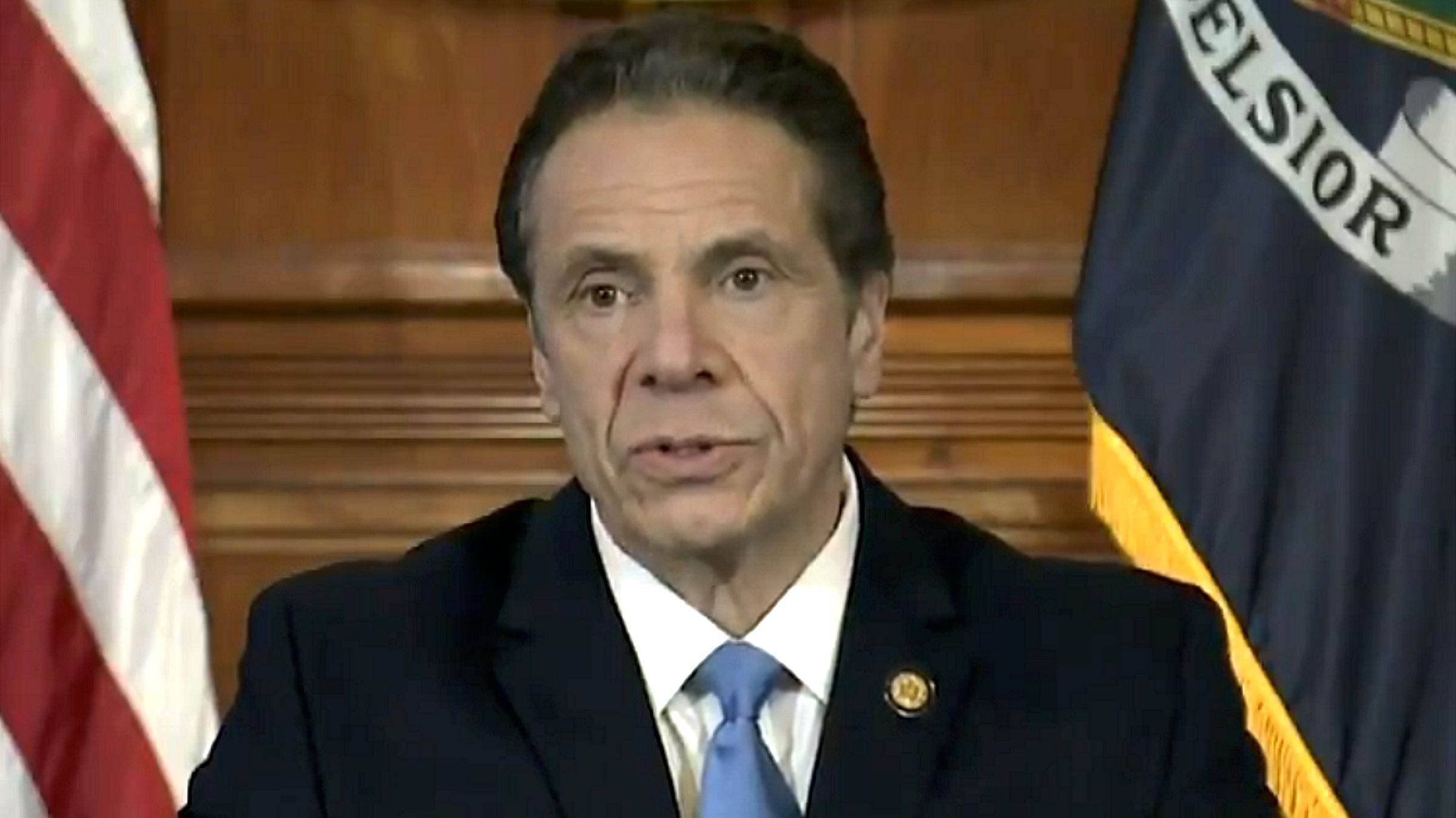
Gov. Cuomo revealed that there are now 950 confirmed cases in New York with 158 hospitalizations and seven death, along with a coordinated effort between New York and its neighboring states, New Jersey and Connecticut, in order to stem the increased spread of the COVID-19 disease.
These are the headlines you Need 2 Know for Monday, March 16, 2020.