*By Britt Terrell*
Senate Democrats are seeking to make net neutrality a central issue in November's midterm election by putting Republicans on the record against an issue that most Americans support.
If the Democratic strategy works, it could help them win a Congressional majority, said Ross Rubin, principal analyst at Reticle Research.
"It's an opportunity for the Democrats to stand up and say 'we're on the side of the consumer,'" Rubin said Thursday in an interview with Cheddar. "Public opinion polls have shown that most Americans favor net neutrality, and this is an opportunity with the midterms coming up to say, 'here's how we voted, and the Republicans did not stand with us.'"
Three Republicans joined all of the Senate's Democrats to [pass a resolution](https://www.cnet.com/news/senate-votes-to-restore-net-neutrality-heres-how-every-senator-voted/) Wednesday to preserve net neutrality rules that ensure internet service providers provide equal access to all content and applications without showing favor to certain products or sites.
It is unlikely the House will pass a similar resolution ahead of the Federal Communication Commission's June 11 deadline for the repeal of net neutrality rules. But President Trump, who in the past has pivoted on resonant issues that could gain him favor with voters, might be convinced to keep net neutrality in place, Rubin said.
It was Trump's chosen FCC chairman, Ajit Pai, who pushed to repeal the net neutrality rules on the grounds that regulation prevents the businesses that build internet's infrastructure from innovating and re-investing.
"He was in support when Chairman Pai first announced the initiative," to get rid of net neutrality, Rubin said of Trump. But if Democrats' strategy to make it a more crucial midterm election issue succeeds, "it might be a chance for a populist appeal," he said.
For the full interview, [click here](https://cheddar.com/videos/senate-votes-to-keep-net-neutrality-rules-2).
Lenders are raising serious concerns about the Payroll Protection Program, which was scheduled to launch Friday, citing a lack of information from the government on how and if the emergency loan program will even work and leading some to opt out of it.
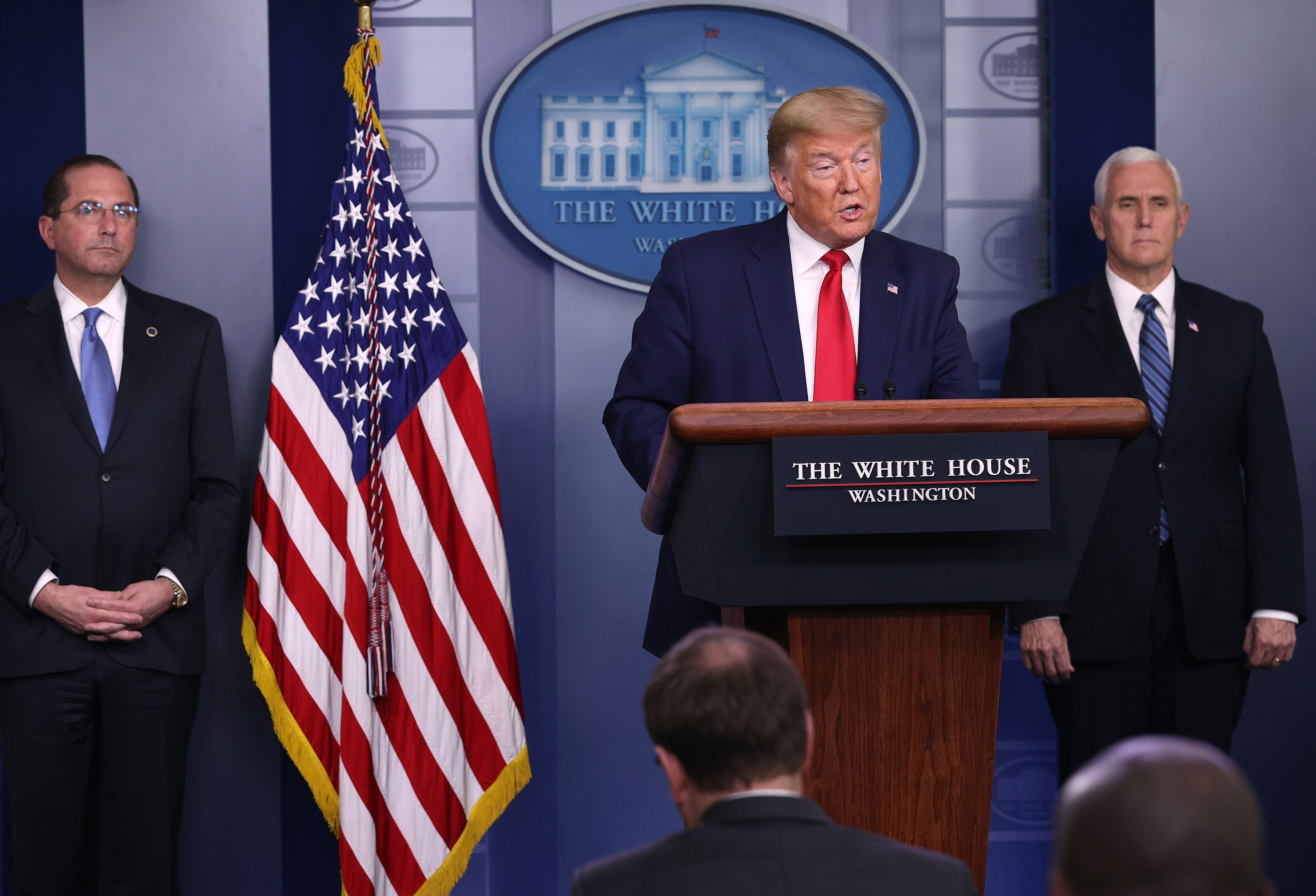
President Donald Trump has announced new federal guidelines recommending that Americans wear face coverings when in public. The president immediately said he had no intention of following the advice himself.
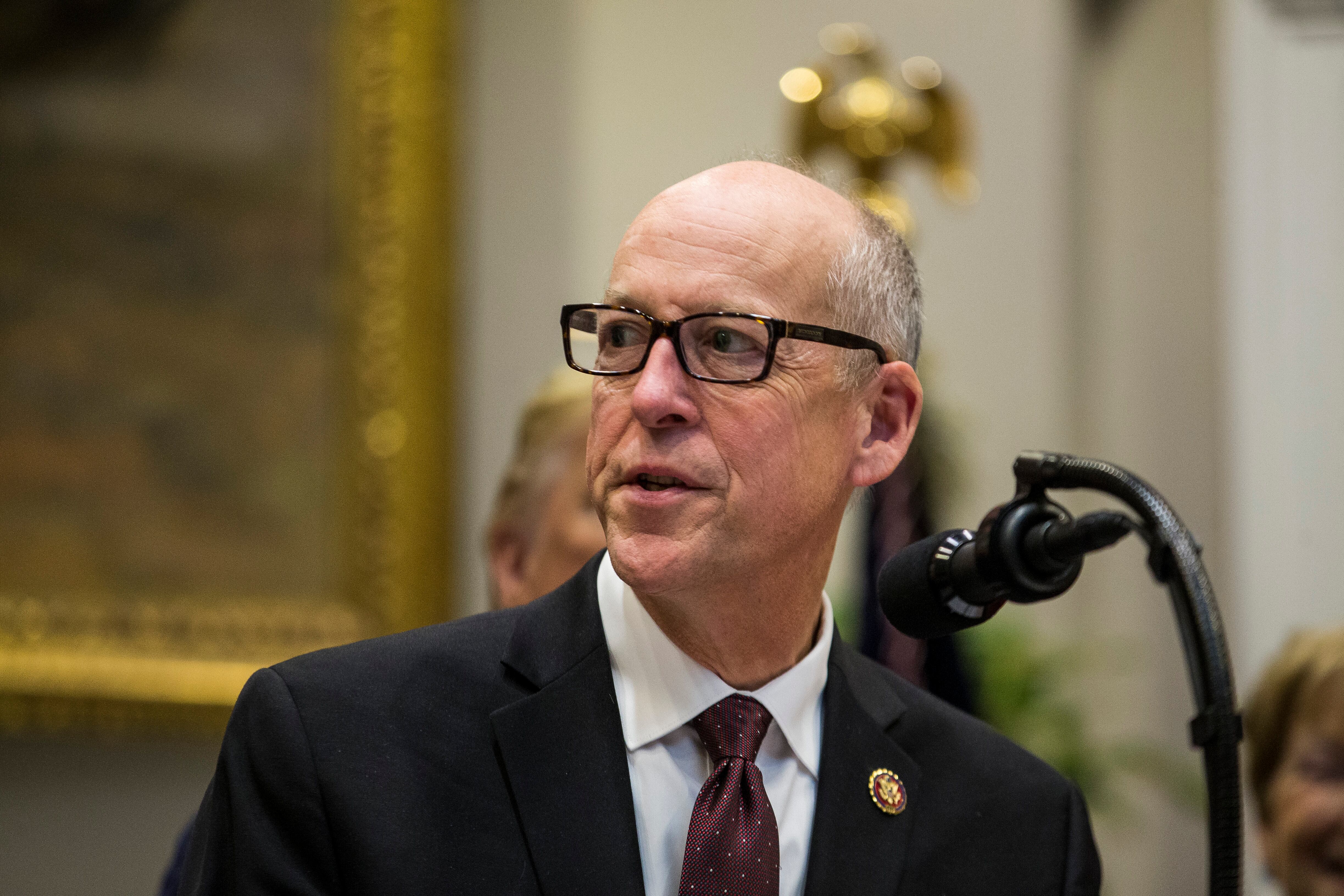
Rep. Greg Walden (R-Ore. 2nd District) supports the "basic public health protocol" is leading to drastic mitigation of the pandemic in his state of Oregon.
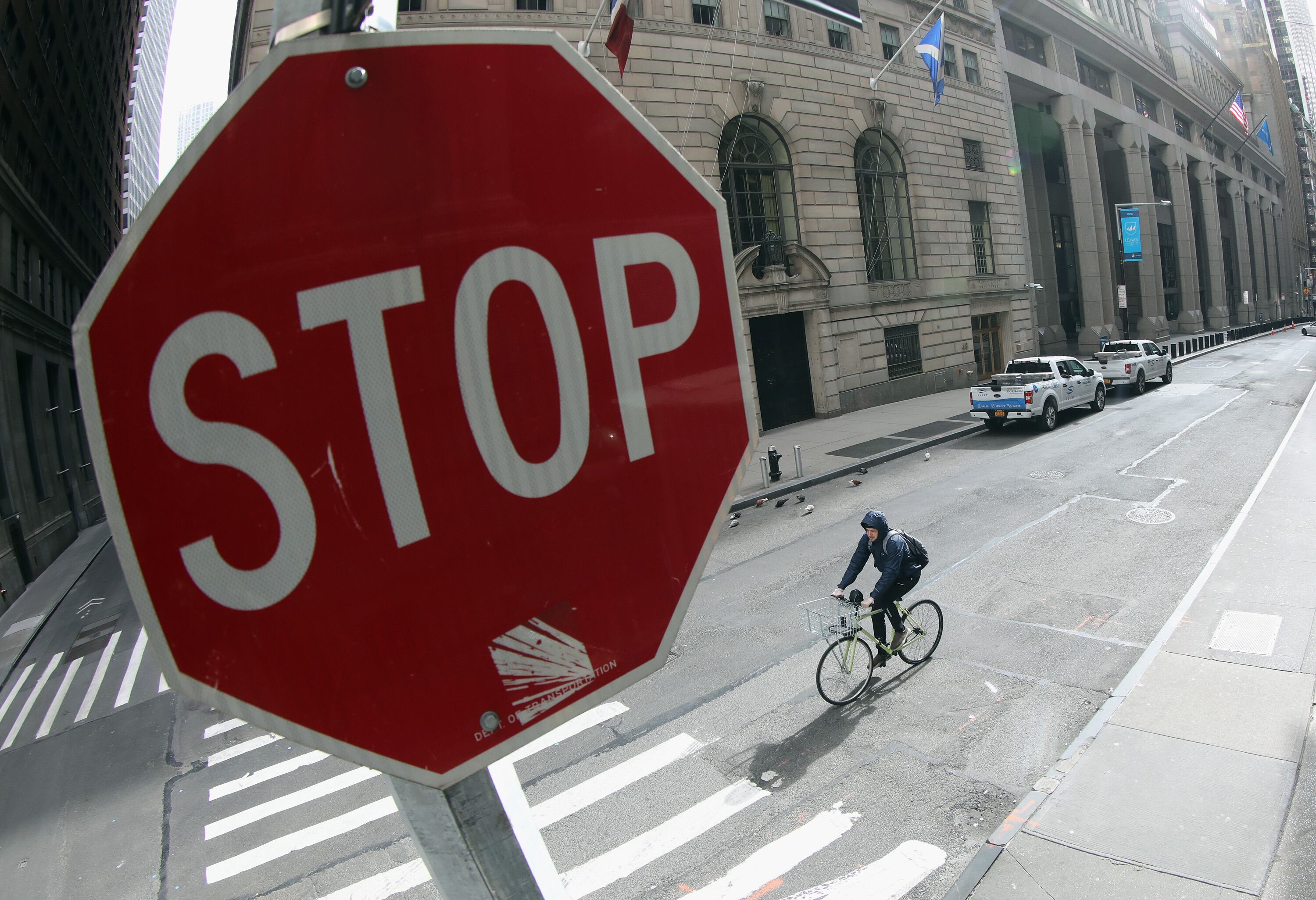
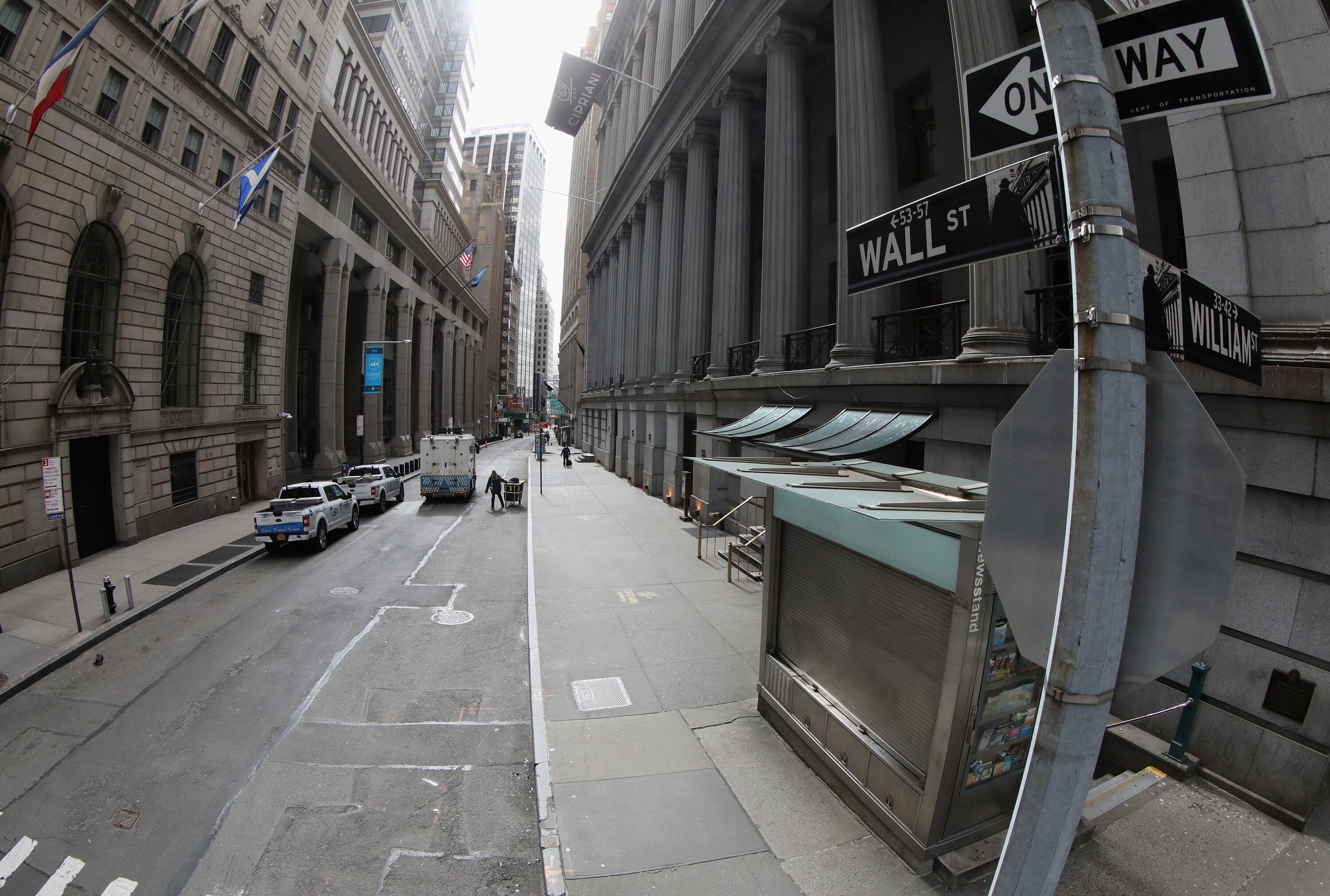
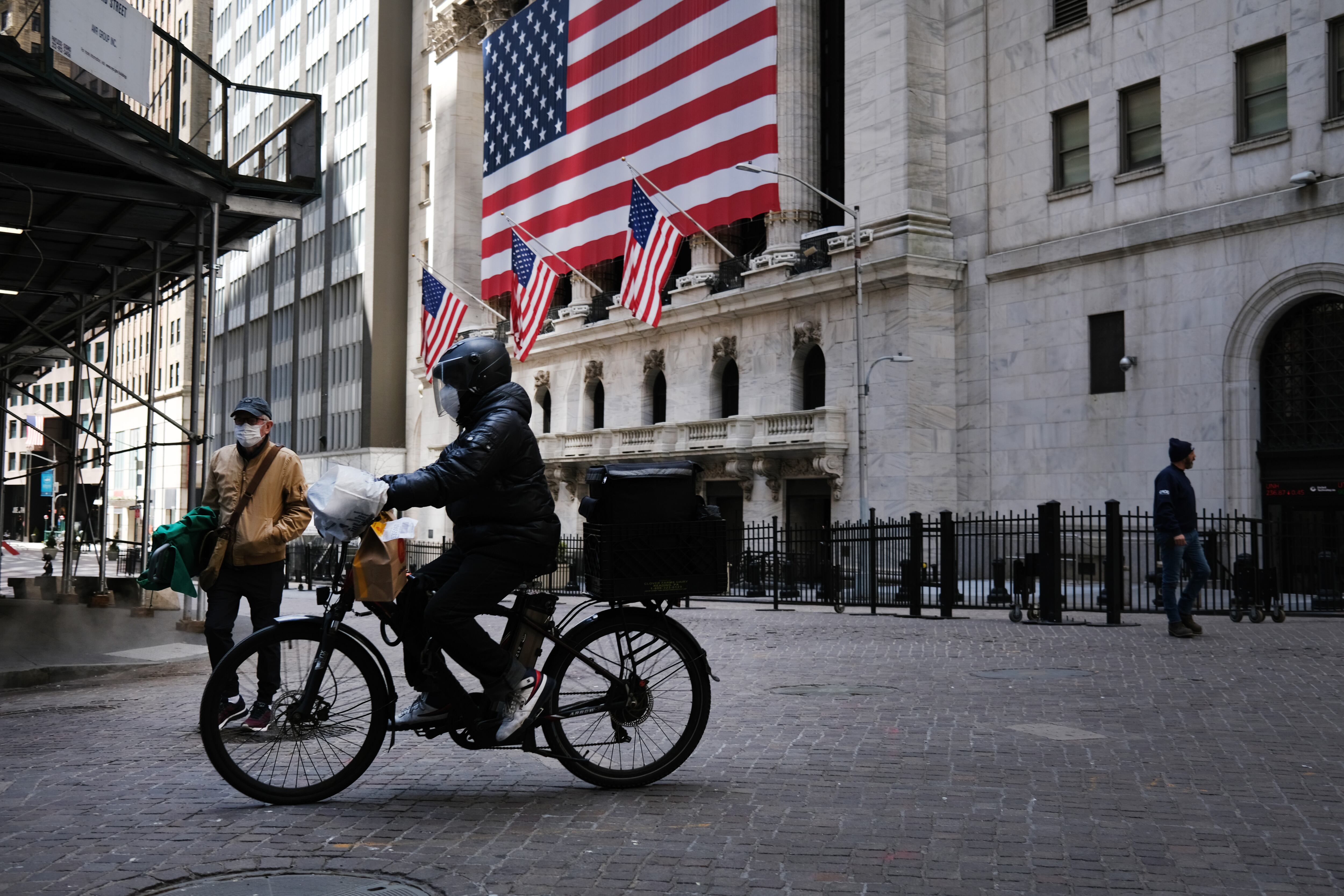
Stocks are falling again on Wall Street, putting the market on track for its third down week in the last four. The S&P 500, Dow and Nasdaq were each down more than 2.5%.
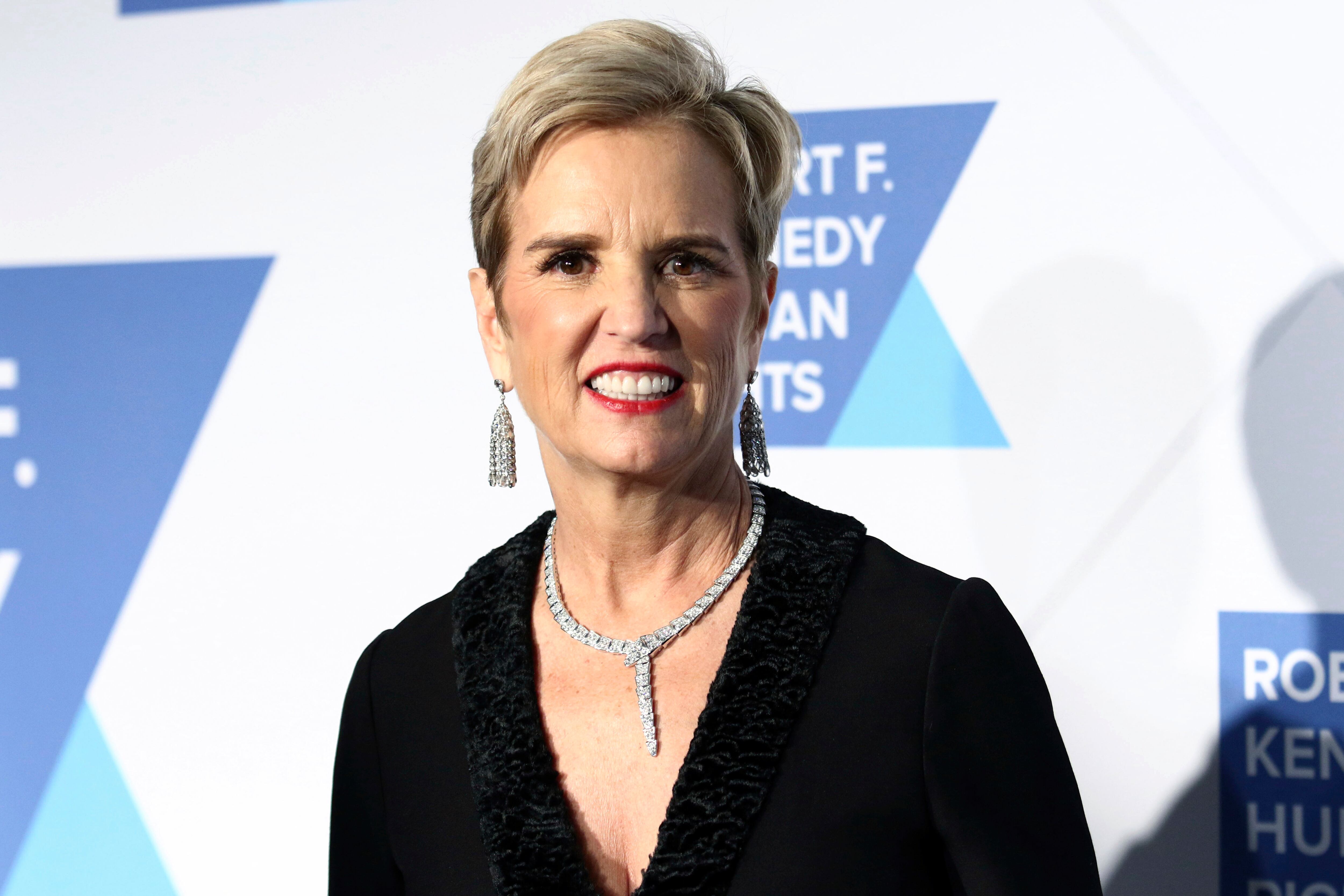
Kerry Kennedy, daughter of Robert F. Kennedy, and ex-wife of New York Governor Andrew Cuomo, said that RFK Human Rights has freed over 200 people in 10 cities over the last two and a half weeks. These people were put in jail and awaiting trial, some for as little as a $25 fine for an overdue parking ticket.
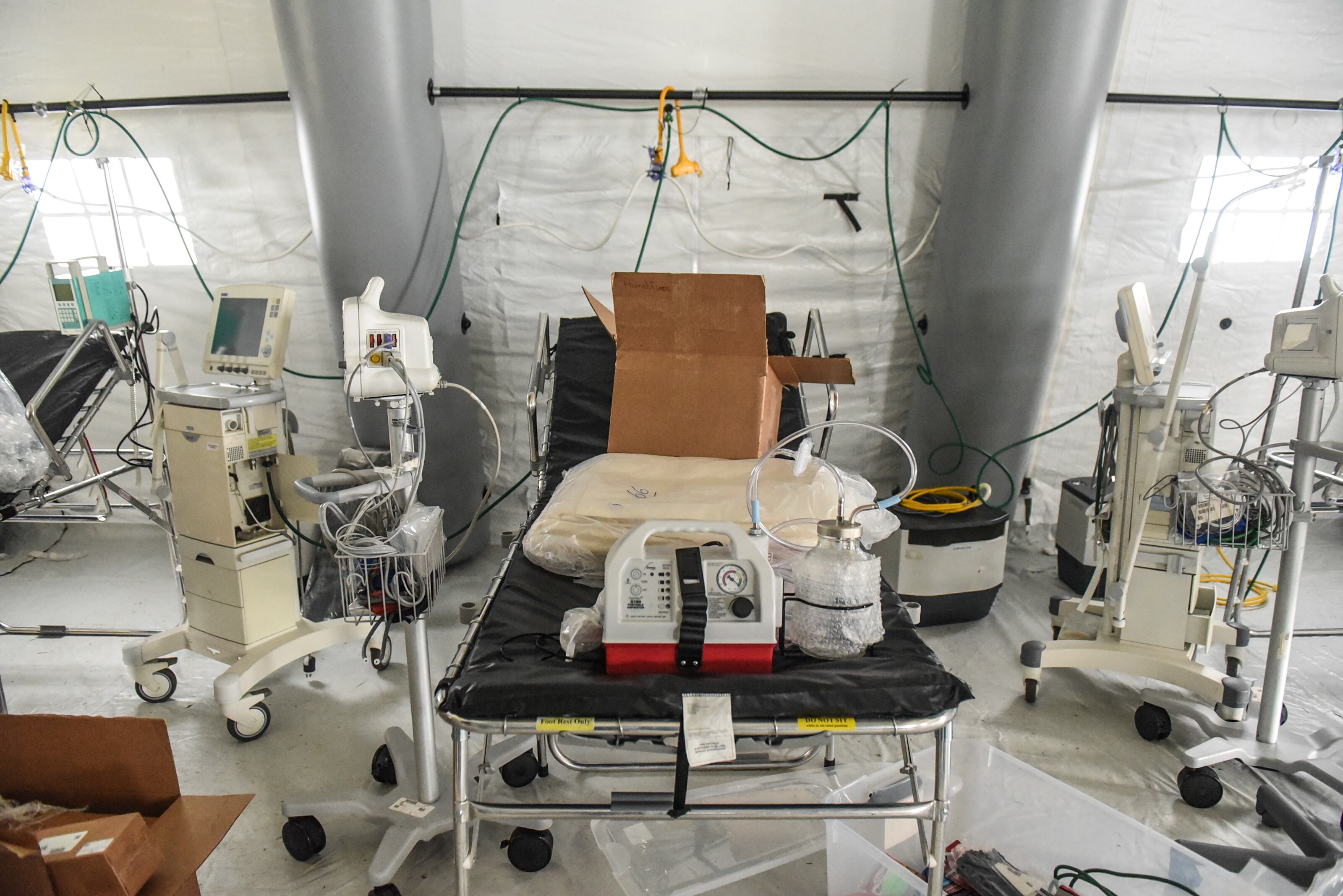
The governor said he has spoken with hospital administrators and understands the reluctance to give up essential equipment, but that he wants to avoid a situation where COVID-19 patients are dying in one part of the state while ventilators sit unused in another part of the state.
Stocks are falling in morning trading on Wall Street, putting the S&P 500 on track for its third down week in the last four. But the losses are much milder than what's rocked investors the last couple months.
The Trump administration is formalizing new guidance to recommend that many Americans wear face coverings in an effort to slow the spread of the new coronavirus, as the president is aggressively defending his response to the public health crisis.
The coronavirus outbreak has triggered a stunning collapse in the U.S. workforce, with 10 million people losing their jobs in the past two weeks. Meanwhile, the number of confirmed infections worldwide has hit 1 million, with more than 50,000 deaths, according to the tally kept by Johns Hopkins University.
Stock indexes turned wobbly on Wall Street Thursday, giving up most of an early gain driven by a surge in oil prices.