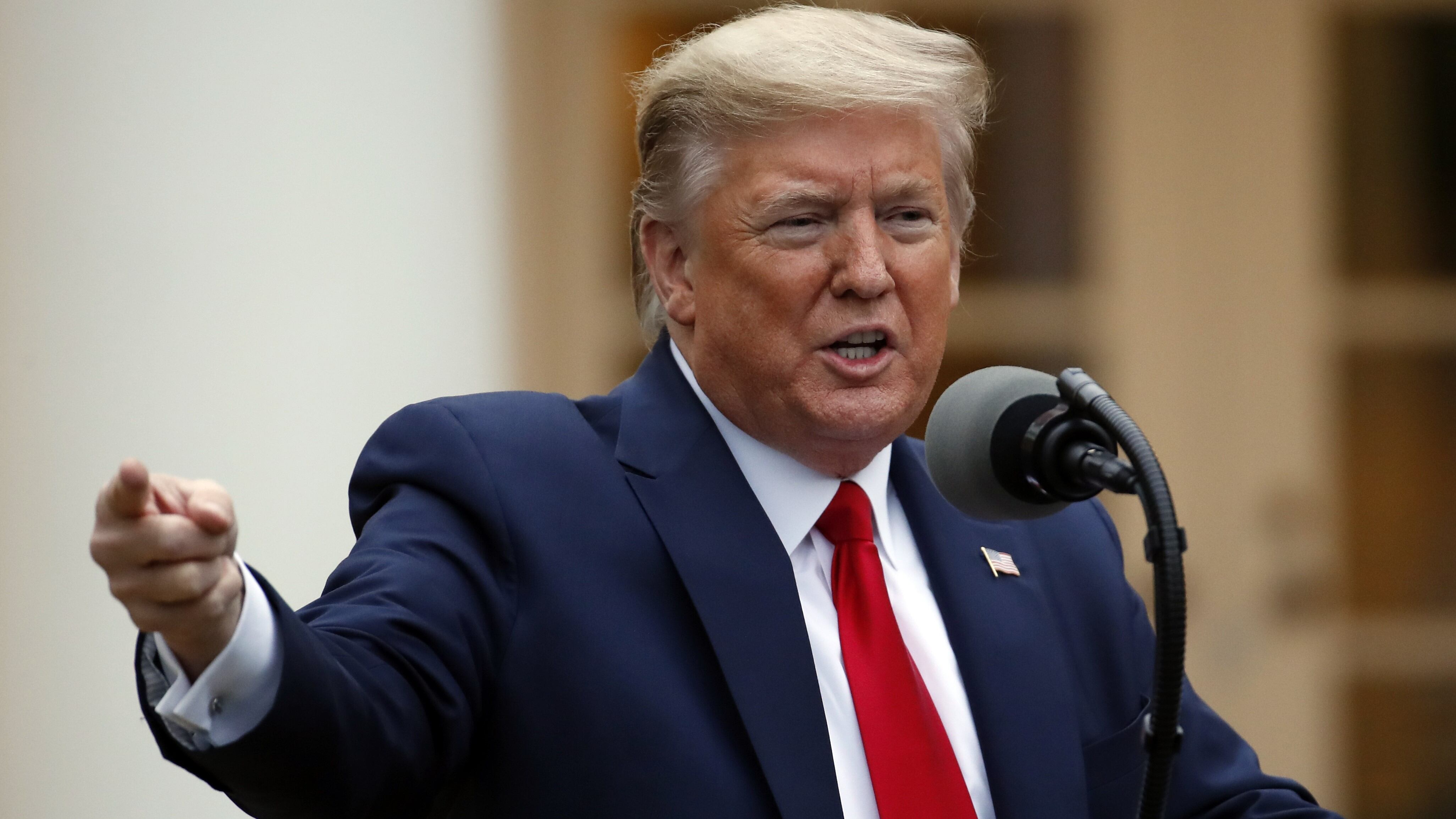
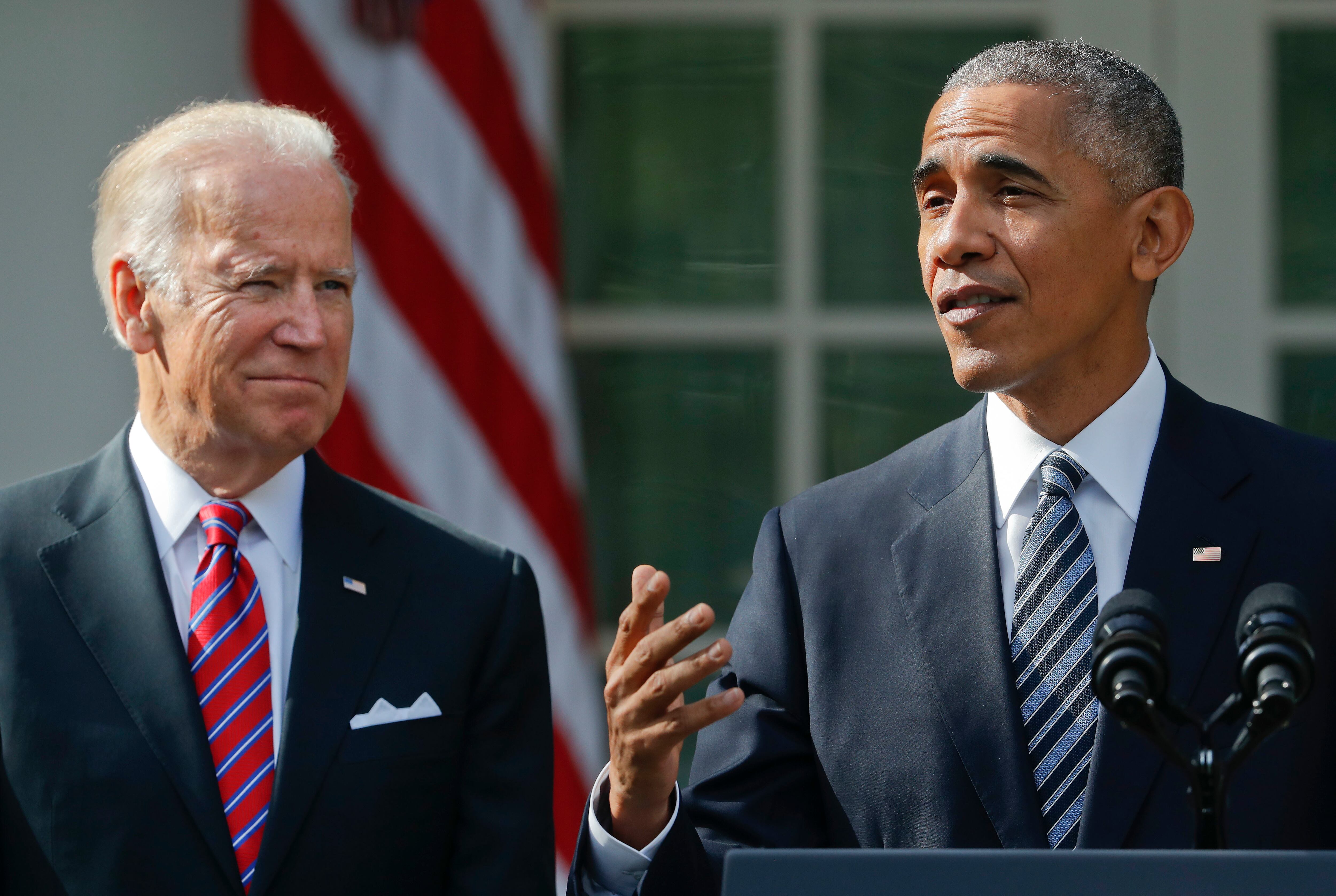
*By Britt Terrell* Senate Democrats are seeking to make net neutrality a central issue in November's midterm election by putting Republicans on the record against an issue that most Americans support. If the Democratic strategy works, it could help them win a Congressional majority, said Ross Rubin, principal analyst at Reticle Research. "It's an opportunity for the Democrats to stand up and say 'we're on the side of the consumer,'" Rubin said Thursday in an interview with Cheddar. "Public opinion polls have shown that most Americans favor net neutrality, and this is an opportunity with the midterms coming up to say, 'here's how we voted, and the Republicans did not stand with us.'" Three Republicans joined all of the Senate's Democrats to [pass a resolution](https://www.cnet.com/news/senate-votes-to-restore-net-neutrality-heres-how-every-senator-voted/) Wednesday to preserve net neutrality rules that ensure internet service providers provide equal access to all content and applications without showing favor to certain products or sites. It is unlikely the House will pass a similar resolution ahead of the Federal Communication Commission's June 11 deadline for the repeal of net neutrality rules. But President Trump, who in the past has pivoted on resonant issues that could gain him favor with voters, might be convinced to keep net neutrality in place, Rubin said. It was Trump's chosen FCC chairman, Ajit Pai, who pushed to repeal the net neutrality rules on the grounds that regulation prevents the businesses that build internet's infrastructure from innovating and re-investing. "He was in support when Chairman Pai first announced the initiative," to get rid of net neutrality, Rubin said of Trump. But if Democrats' strategy to make it a more crucial midterm election issue succeeds, "it might be a chance for a populist appeal," he said. For the full interview, [click here](https://cheddar.com/videos/senate-votes-to-keep-net-neutrality-rules-2).