*By Britt Terrell*
Senate Democrats are seeking to make net neutrality a central issue in November's midterm election by putting Republicans on the record against an issue that most Americans support.
If the Democratic strategy works, it could help them win a Congressional majority, said Ross Rubin, principal analyst at Reticle Research.
"It's an opportunity for the Democrats to stand up and say 'we're on the side of the consumer,'" Rubin said Thursday in an interview with Cheddar. "Public opinion polls have shown that most Americans favor net neutrality, and this is an opportunity with the midterms coming up to say, 'here's how we voted, and the Republicans did not stand with us.'"
Three Republicans joined all of the Senate's Democrats to [pass a resolution](https://www.cnet.com/news/senate-votes-to-restore-net-neutrality-heres-how-every-senator-voted/) Wednesday to preserve net neutrality rules that ensure internet service providers provide equal access to all content and applications without showing favor to certain products or sites.
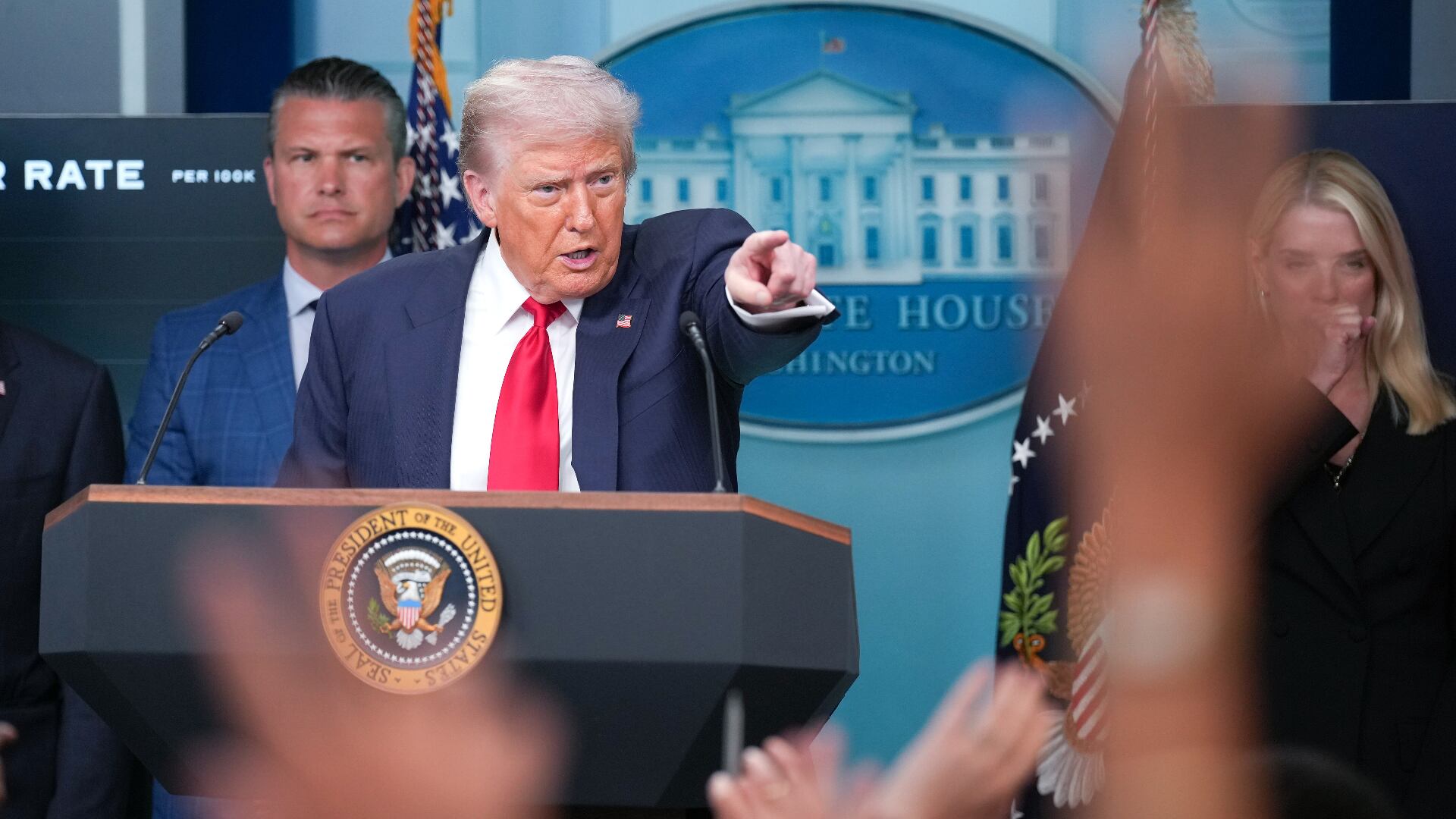
It is unlikely the House will pass a similar resolution ahead of the Federal Communication Commission's June 11 deadline for the repeal of net neutrality rules. But President Trump, who in the past has pivoted on resonant issues that could gain him favor with voters, might be convinced to keep net neutrality in place, Rubin said.
It was Trump's chosen FCC chairman, Ajit Pai, who pushed to repeal the net neutrality rules on the grounds that regulation prevents the businesses that build internet's infrastructure from innovating and re-investing.
"He was in support when Chairman Pai first announced the initiative," to get rid of net neutrality, Rubin said of Trump. But if Democrats' strategy to make it a more crucial midterm election issue succeeds, "it might be a chance for a populist appeal," he said.
For the full interview, [click here](https://cheddar.com/videos/senate-votes-to-keep-net-neutrality-rules-2).
Senate Majority Leader Mitch McConnell has blocked Democrats’ push to immediately bring President Donald Trump’s demand for bigger $2,000 COVID-19 relief checks up for a vote.
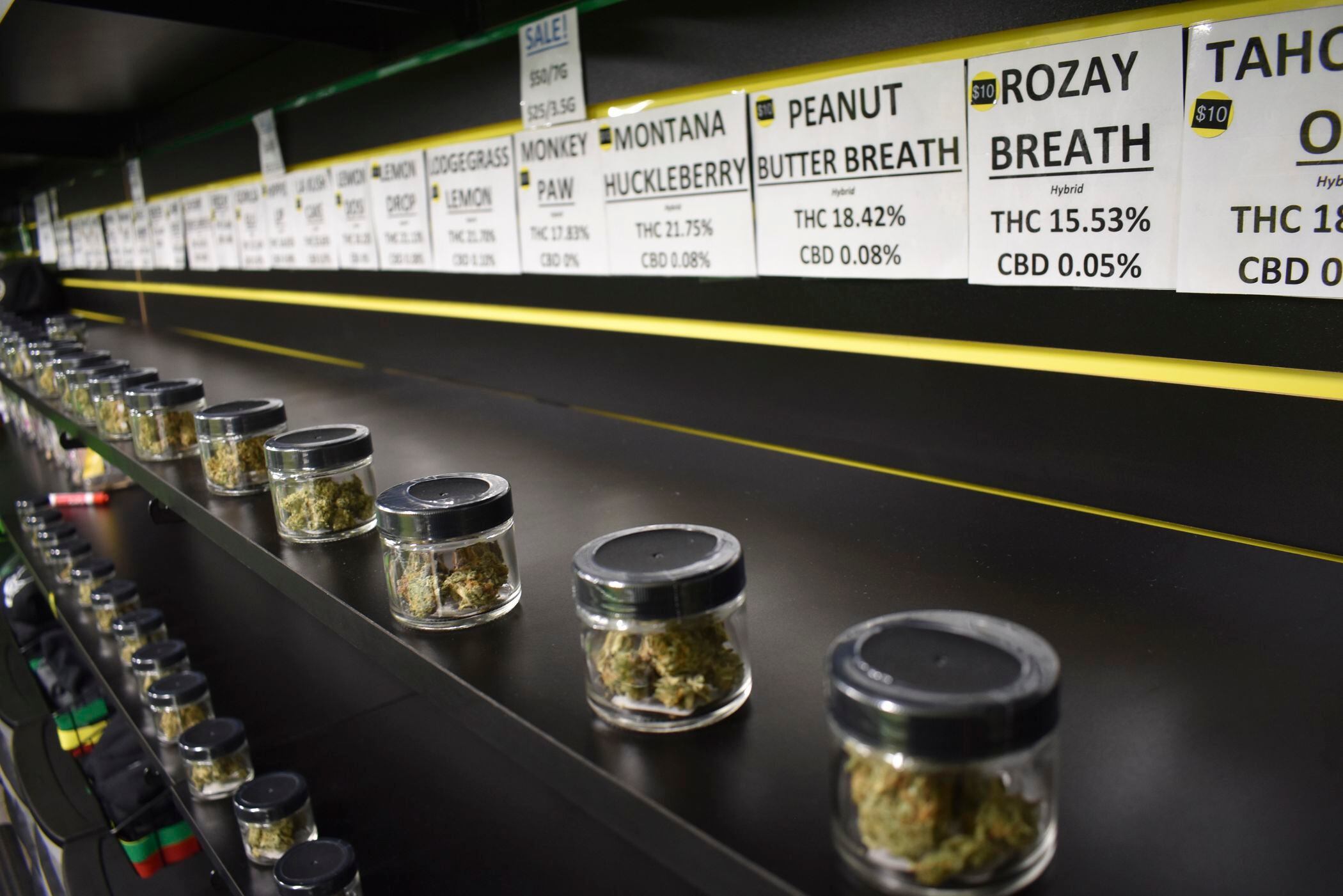
As 2020 winds to a close, the industry will head into 2021 propelled by titanic shifts in the perception of cannabis in the U.S. and unprecedented political tailwinds.
The House voted Monday to increase COVID-19 relief checks to $2,000, meeting President Donald Trump’s demand for bigger payments and sending the bill to the GOP-controlled Senate, where the outcome is uncertain.
Southwest Airlines says it's not going to furlough workers in 2021 after all. The airline's CEO says that with Washington's approval of $15 billion in new federal aid to airlines, furloughs or pay cuts aren't needed.
President Donald Trump’s last-minute demand for $2,000 checks for most Americans has thrown the yea-end COVID relief into chaos. House Republicans on Thursday swiftly rejected the demand.
From Wall Street to Silicon Valley, these are the top stories that moved markets and had investors, business leaders, and entrepreneurs talking this week on Cheddar.
Following 2020's Hanukkah celebration, Cheddar's Jill Wagner looks into the often overlooked issue of antisemitism still plaguing the United States.
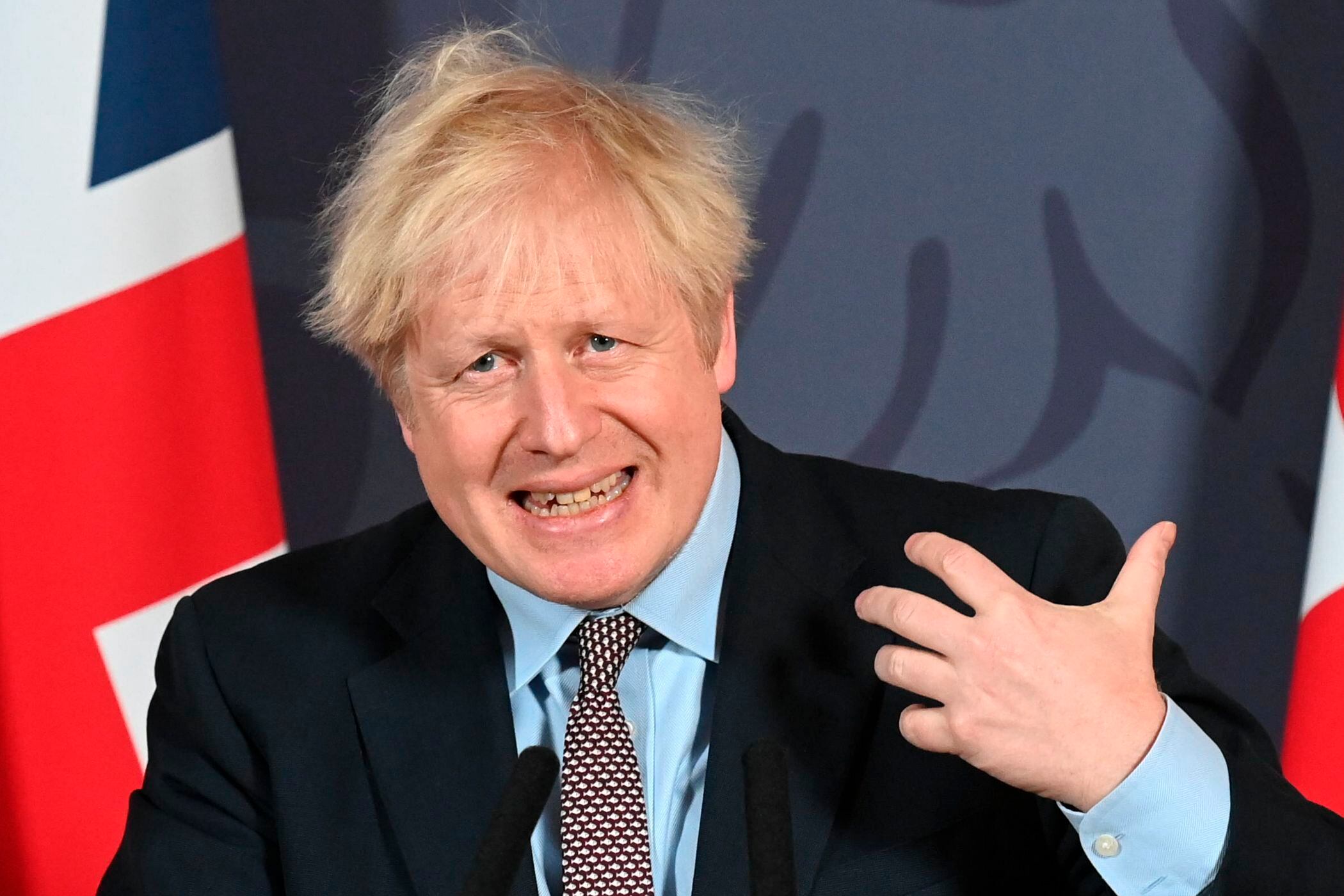
Britain and the European Union have struck a provisional free-trade agreement that should avert New Year’s chaos for cross-border commerce and bring a measure of certainty to businesses after years of Brexit turmoil.
President Donald Trump has plunged Washington into chaos once more by mounting another desperate attempt to cling to power while leaving lawmakers scrambling to respond to his threat to detonate Congress’ massive COVID-19 relief and year-end package.
President Donald Trump has vetoed the annual defense policy bill, following through on threats to veto a measure that has broad bipartisan support in Congress and potentially setting up the first override vote of his presidency.