As 2020 presidential candidates prepare to take the stage at the fifth Democratic debate on Wednesday, the lower tier candidates continue their fight for a spot on the national stage. With a growing field of candidates, the ability to stand out in an already crowded field dwindles.
Former Congressman John Delaney was the first to throw his hat in the race in July of 2017, but that hasn't translated into a successful bid for the Democratic nomination.
Still, Delaney sees his moderate approach to universal healthcare as a way to stand out in a progressive field. "I'm more in the Warren and Sanders camp on the goal, which is to give everyone health care as a basic human right. I just have a very different way of implementing it," Delaney said.
Senator Michael Bennet's goal is to appeal to those in purple states by tackling issues such as healthcare with a more pragmatic approach.
"I don't want to fight a losing battle on Medicare for all over the next 10 years because it will strip from us the opportunity to deliver a better economic chance for most Americans," Bennet said.
The Colorado senator's ideals have not translated in polls, but Bennet has found a silver lining.
"My polling is never good except in one respect, which is that people that I expected to be 20 points ahead of me are like one point ahead of me or two points ahead of me," Bennet said.
Former Congressman Joe Sestak sees persistence as the key to winning over Iowa caucus-goers.
"It's tough to keep going at times, but that's what's most admired. I mean, in any kind of challenge," Sestak said.
Sestak has spent most of his time campaigning in early states, walking through New Hampshire and buying ads in Iowa.
Wednesday's debate marks the first time former HUD secretary Julián Castro will not be on the stage. Castro's campaign has consistently focused on marginalized communities in the U.S.
"I have been speaking up for the most vulnerable people in our country, whether it's people sleeping on the streets of Las Vegas or living in a trailer park in Iowa or in a D.C. jail serving time," Castro said.
With less than 100 days to go before the Iowa caucus and increasing requirements to qualify for the remaining primary debates, 2020 hopefuls remain optimistic that their tactics will prevail.
Updated November 20 to reflect that Bennet is not the only senator left in the race.
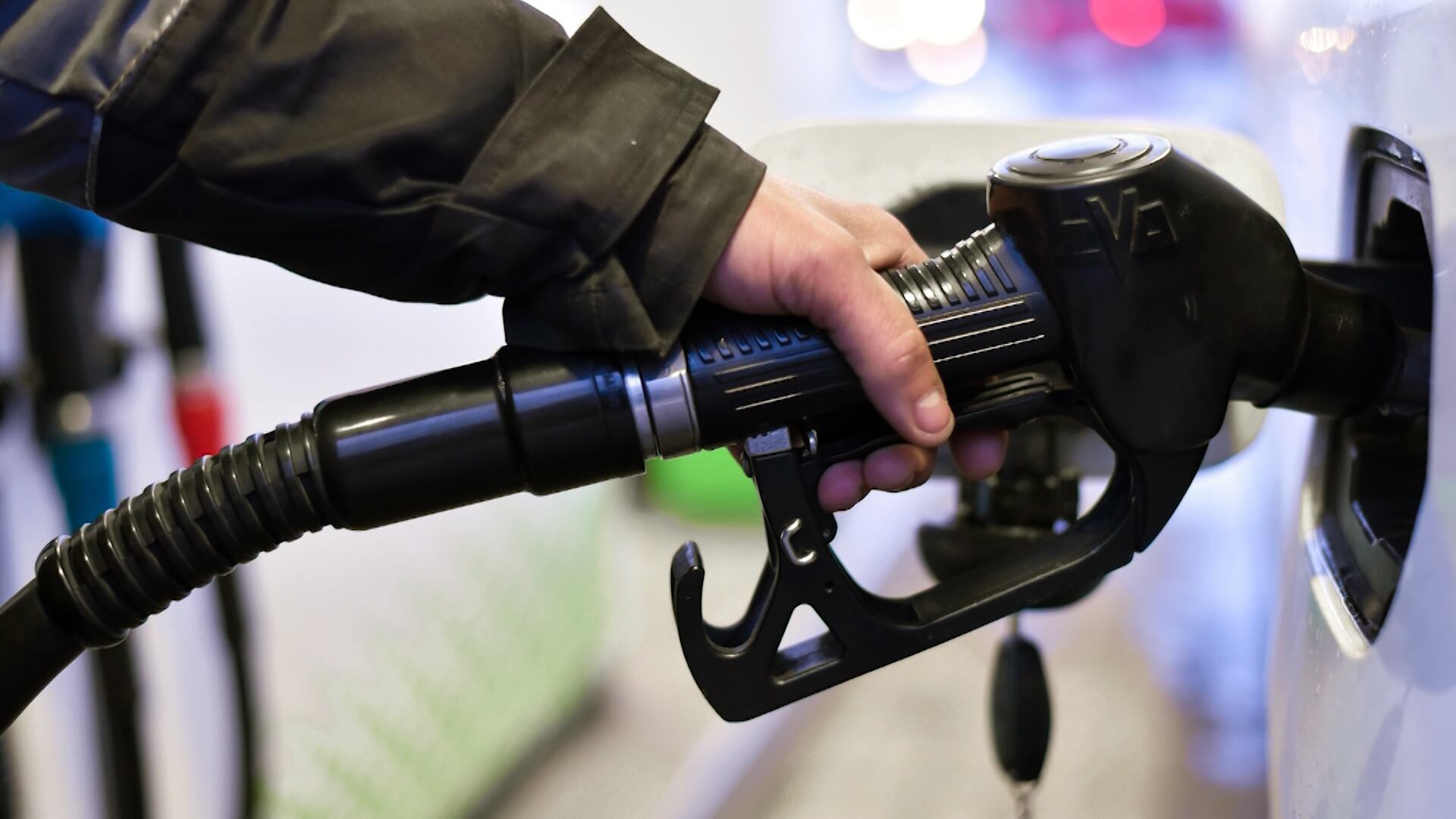
Peter Zalzal, associate vice president for clean air strategies at the Environmental Defense Fund, a nonprofit environmental advocacy group, joined Cheddar to discuss the Biden Administration's unveiling of stricter fuel-efficiency standards for new automobiles. "The administration estimated that these rules will reduce about 2.5 billion tons of climate pollution by 2050, and using less fuel also means that we have to go to the gas pump less often. And so it means we save money, thousands of dollars in avoided fuel costs each year for consumers," he noted.
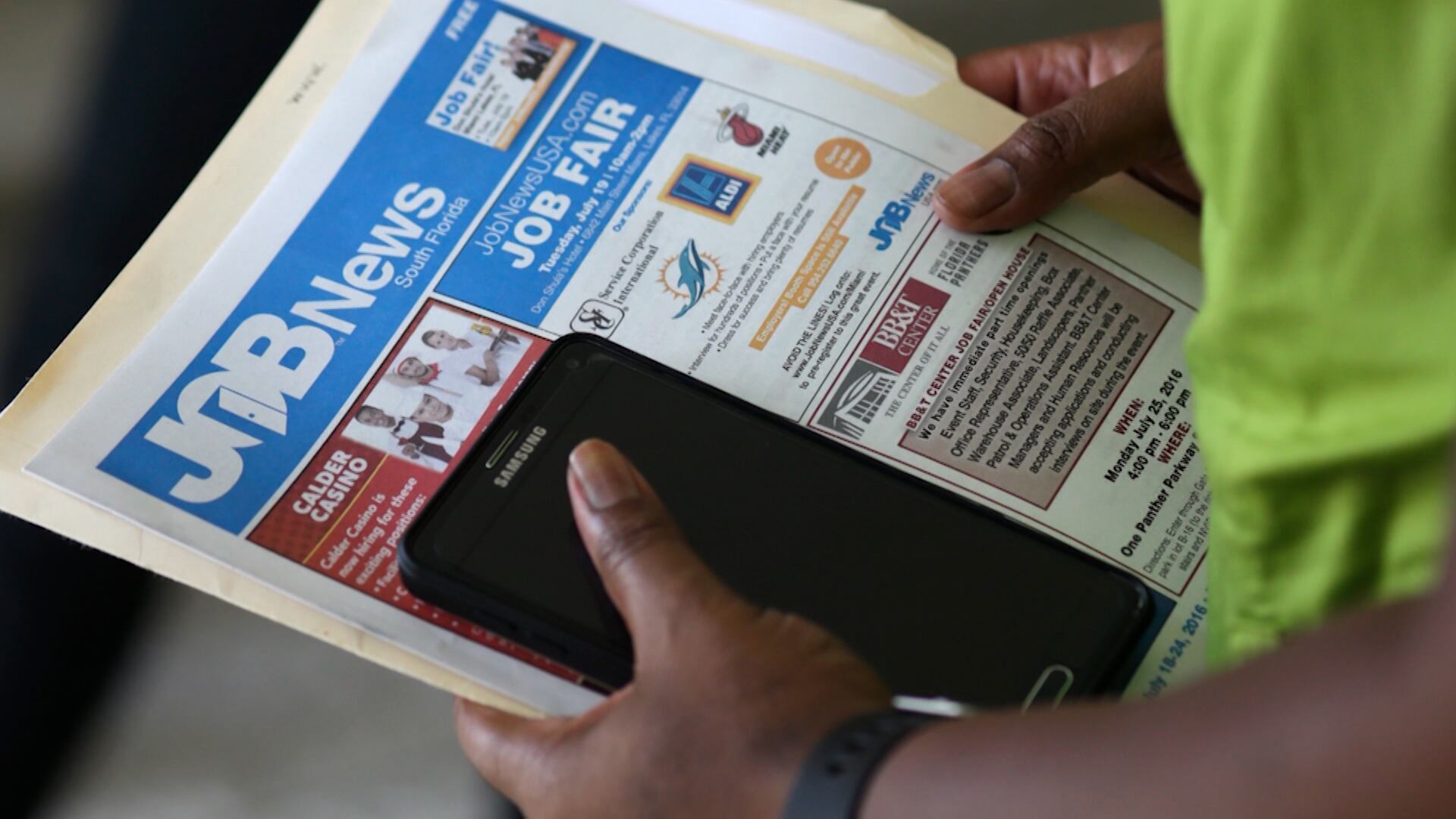
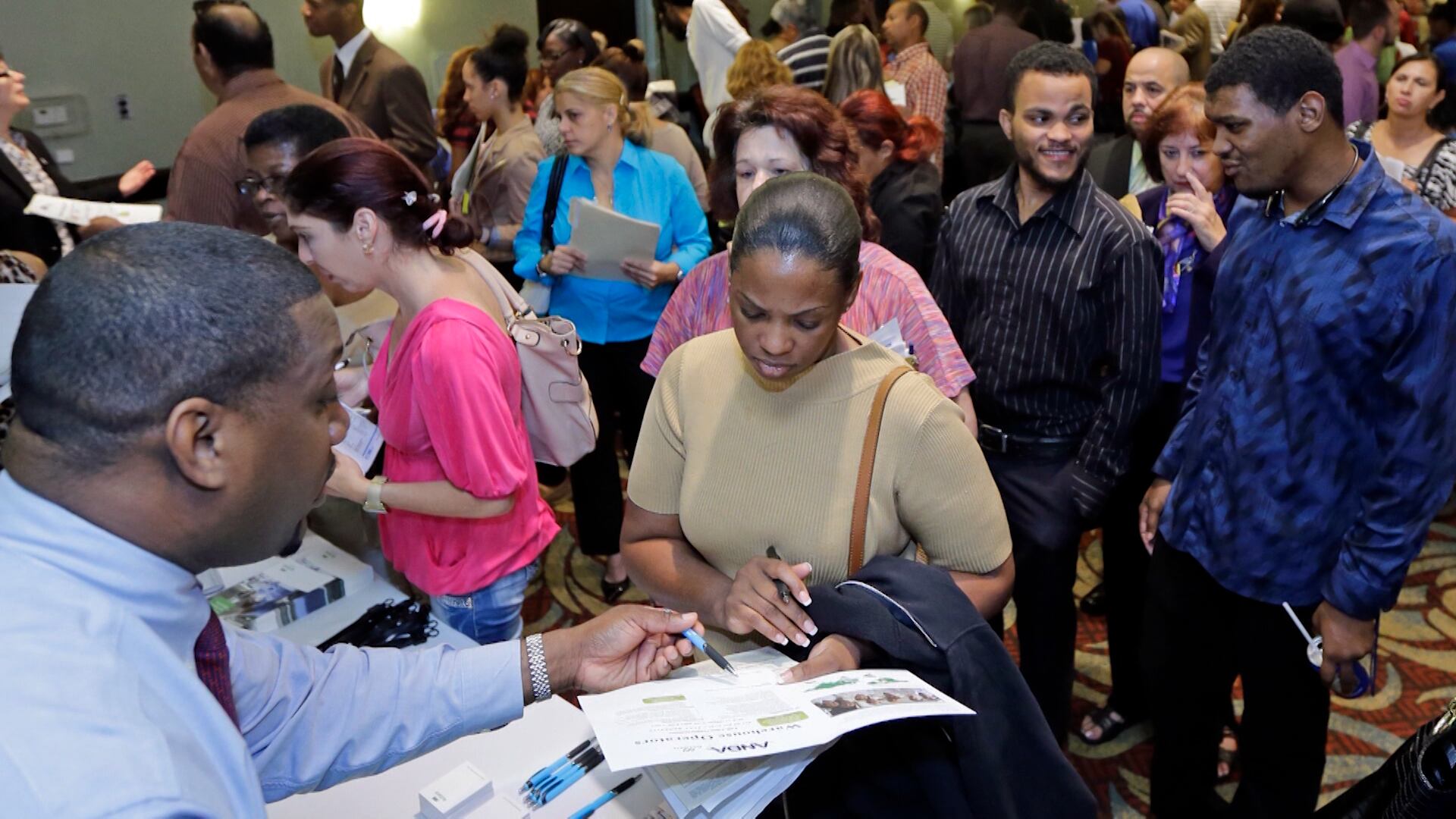
The relatively robust March jobs report showed that despite the low unemployment rate, Black, Hispanic, and women job seekers are still having difficulty finding work. William M. Rodgers III, the vice president and director of the Institute for Economic Equity at the Federal Reserve Bank of St. Louis noted that participation rates in the labor force ticked up for minorities, adding to other positive signs of growth. He also spoke to Cheddar News to discuss further the jobs figures, the state of the labor market, and rising inflation.
U.S. markets opened higher to kick off the second quarter, despite a miss on the March Jobs Report. The economy added $431,000 in the month, slightly lower than the $490,000 analysts had expected. The unemployment rate also ticked down to 3.6% from 3.8%. Kevin Simpson, Founder & Chief Investment Officer, Capital Wealth Planning joined Cheddar's Opening Bell to discuss.
President Biden is going after billionaires in his 2023 budget request to congress. The proposal would establish a 20% minimum tax rate on all households worth more than $100 million, as well as raise the corporate tax rate from 21% to 28%. Rhett Buttle, Small Business for America's Future Senior Advisor, Business Policy Expert & Biden Campaign Business Advisor, breaks down the proposal, what it aims to accomplish, and how small businesses might feel about it.
The Biden administration has announced the U.S. will accept up to 100,000 refugees fleeing the war in Ukraine and provide more than 1 billion dollars in new funding for the growing humanitarian crisis. The move comes as President Biden meets with his western counterparts in Europe to demonstrate a united front against Russia and show support for Ukraine. Altagracia Pierre-Outerbridge, Immigration Attorney for Outerbridge Law, explains how this is going to work.
The DOJ has endorsed an antitrust bill targeting tech giants like Apple, Amazon, Meta, and Google. The legislation would ban the companies from favoring their own products and services over their competitor's, making it more difficult them to dominate the marketplace. Greg Day, Assistant Professor of Legal Studies at the University of Georgia, breaks down the bill and its potential impact on anti-competition in the tech sector.
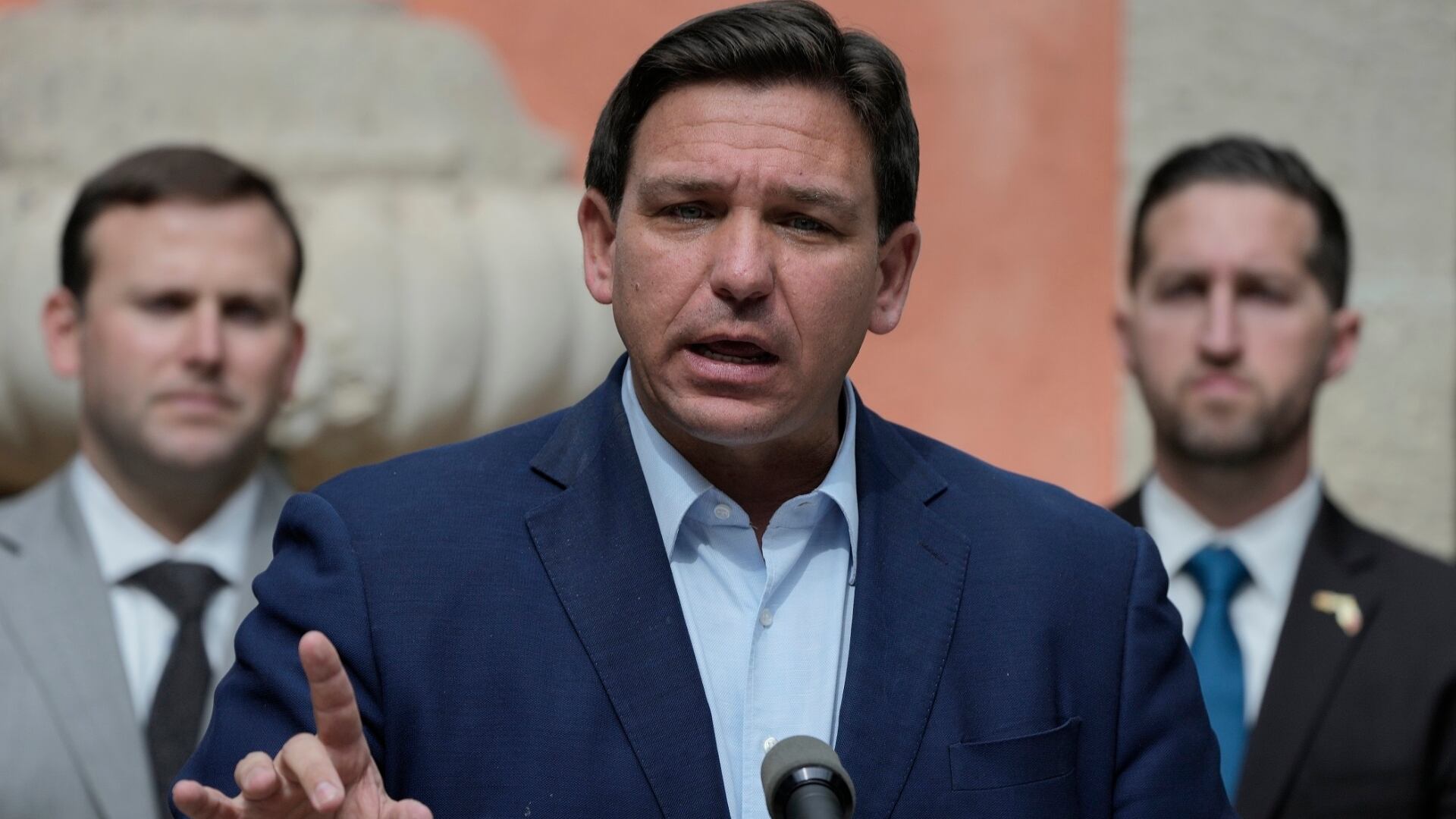
Catching you up with what you need to know on Apr 1, 2022, with Ukrainians hoping to flee the besieged city of Mariupol with a ceasefire is in place, President Biden orders the release of oil from U.S.reserves, LGBT activists suing Florida Governor Ron DeSantis over the "Don't Say Gay" Law, U.S. passports offering an "x" option for gender, and more.
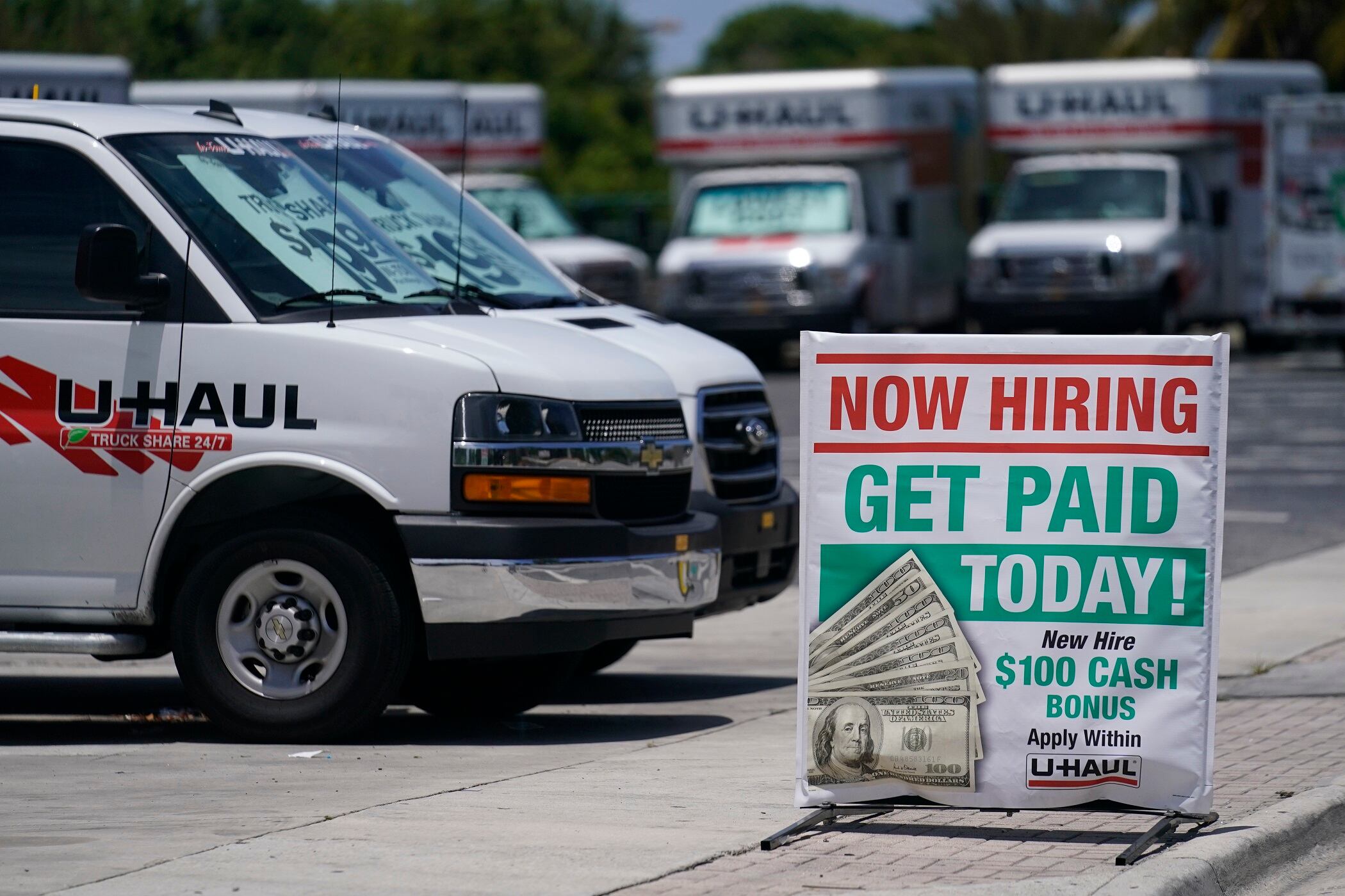
America’s employers extended a streak of robust hiring in March, adding 431,000 jobs in a sign of the economy’s resilience in the face of a still-destructive pandemic and the highest inflation in 40 years.