As 2020 presidential candidates prepare to take the stage at the fifth Democratic debate on Wednesday, the lower tier candidates continue their fight for a spot on the national stage. With a growing field of candidates, the ability to stand out in an already crowded field dwindles.
Former Congressman John Delaney was the first to throw his hat in the race in July of 2017, but that hasn't translated into a successful bid for the Democratic nomination.
Still, Delaney sees his moderate approach to universal healthcare as a way to stand out in a progressive field. "I'm more in the Warren and Sanders camp on the goal, which is to give everyone health care as a basic human right. I just have a very different way of implementing it," Delaney said.
Senator Michael Bennet's goal is to appeal to those in purple states by tackling issues such as healthcare with a more pragmatic approach.
"I don't want to fight a losing battle on Medicare for all over the next 10 years because it will strip from us the opportunity to deliver a better economic chance for most Americans," Bennet said.
The Colorado senator's ideals have not translated in polls, but Bennet has found a silver lining.
"My polling is never good except in one respect, which is that people that I expected to be 20 points ahead of me are like one point ahead of me or two points ahead of me," Bennet said.
Former Congressman Joe Sestak sees persistence as the key to winning over Iowa caucus-goers.
"It's tough to keep going at times, but that's what's most admired. I mean, in any kind of challenge," Sestak said.
Sestak has spent most of his time campaigning in early states, walking through New Hampshire and buying ads in Iowa.
Wednesday's debate marks the first time former HUD secretary Julián Castro will not be on the stage. Castro's campaign has consistently focused on marginalized communities in the U.S.
"I have been speaking up for the most vulnerable people in our country, whether it's people sleeping on the streets of Las Vegas or living in a trailer park in Iowa or in a D.C. jail serving time," Castro said.
With less than 100 days to go before the Iowa caucus and increasing requirements to qualify for the remaining primary debates, 2020 hopefuls remain optimistic that their tactics will prevail.
Updated November 20 to reflect that Bennet is not the only senator left in the race.
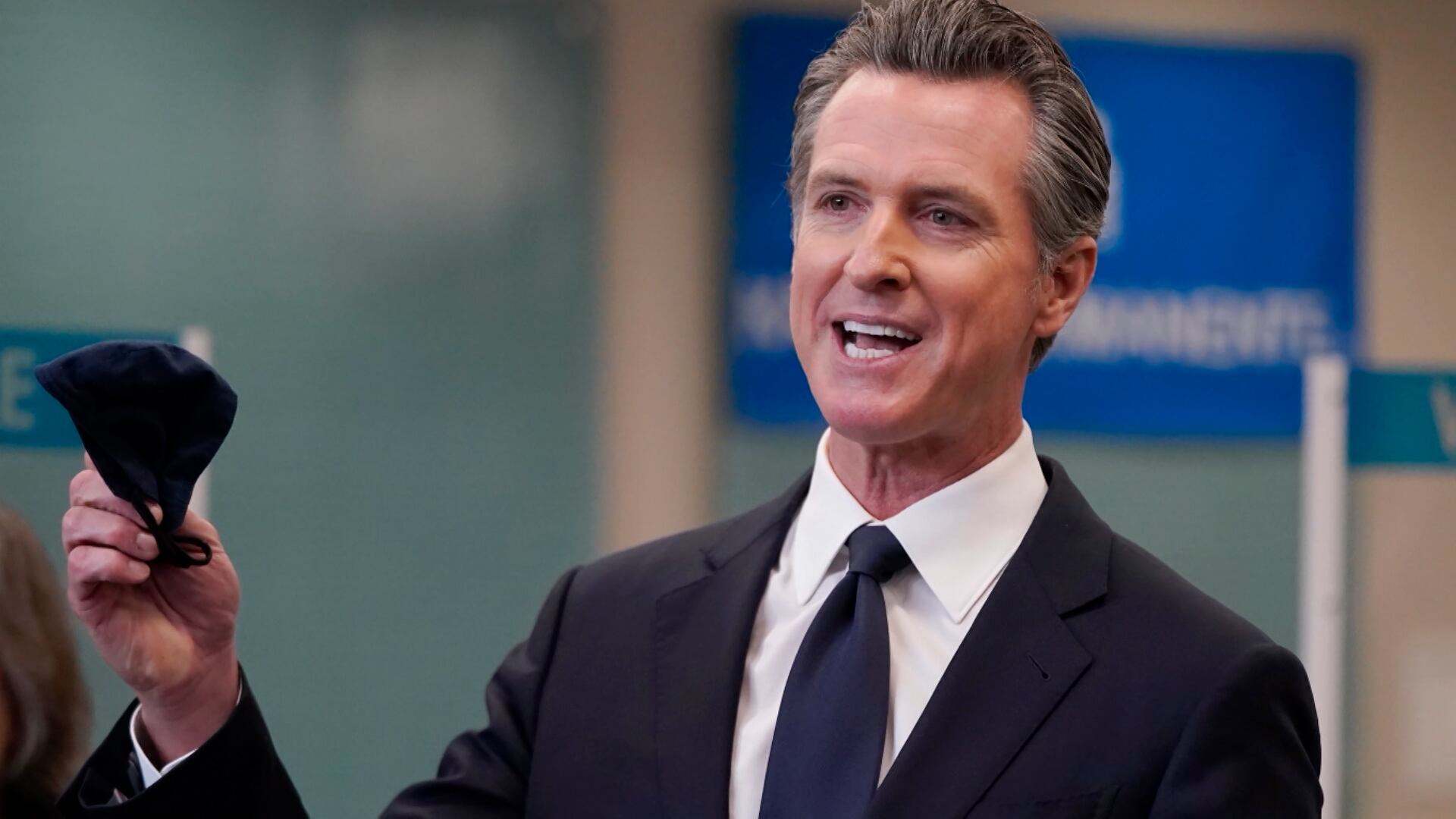
California Governor Gavin Newsom is projected to keep his job. Around two-thirds of the votes have been reported, and roughly 64% of those votes are in favor of keeping Newsom as their governor.
Daniel Strauss, senior political correspondent at The New Republic, joined Cheddar's Opening Bell to discuss more about what Newsom's win means to both political parties moving into Midterm elections season.
The Department of Justice is suing Texas over the state's new abortion law that prohibits abortions after six weeks, well before many women even know they're pregnant. The lawsuit argues the law is unconstitutional under long-standing Supreme Court precedent. It was filed last week in federal court in Texas, but could go all the way to the high court within weeks. Josh Blackman, a constitutional law professor at South Texas College of Law Houston, discusses the DOJ lawsuit and what it could mean for other abortion laws across the country.
26 states have now fully vaccinated more than half of their population with Vermont, Connecticut, and Massachusetts fully vaccinating at least two-thirds of their residents. These three states are among the ones with the lowest new Covid-19 cases per capita, but in states with low vaccination rates, hospitals are filling up again.
Dr. Rob Davidson, ER doctor and executive director of Committee to Protect Health Care, joined Cheddar's Opening Bell to discuss more.
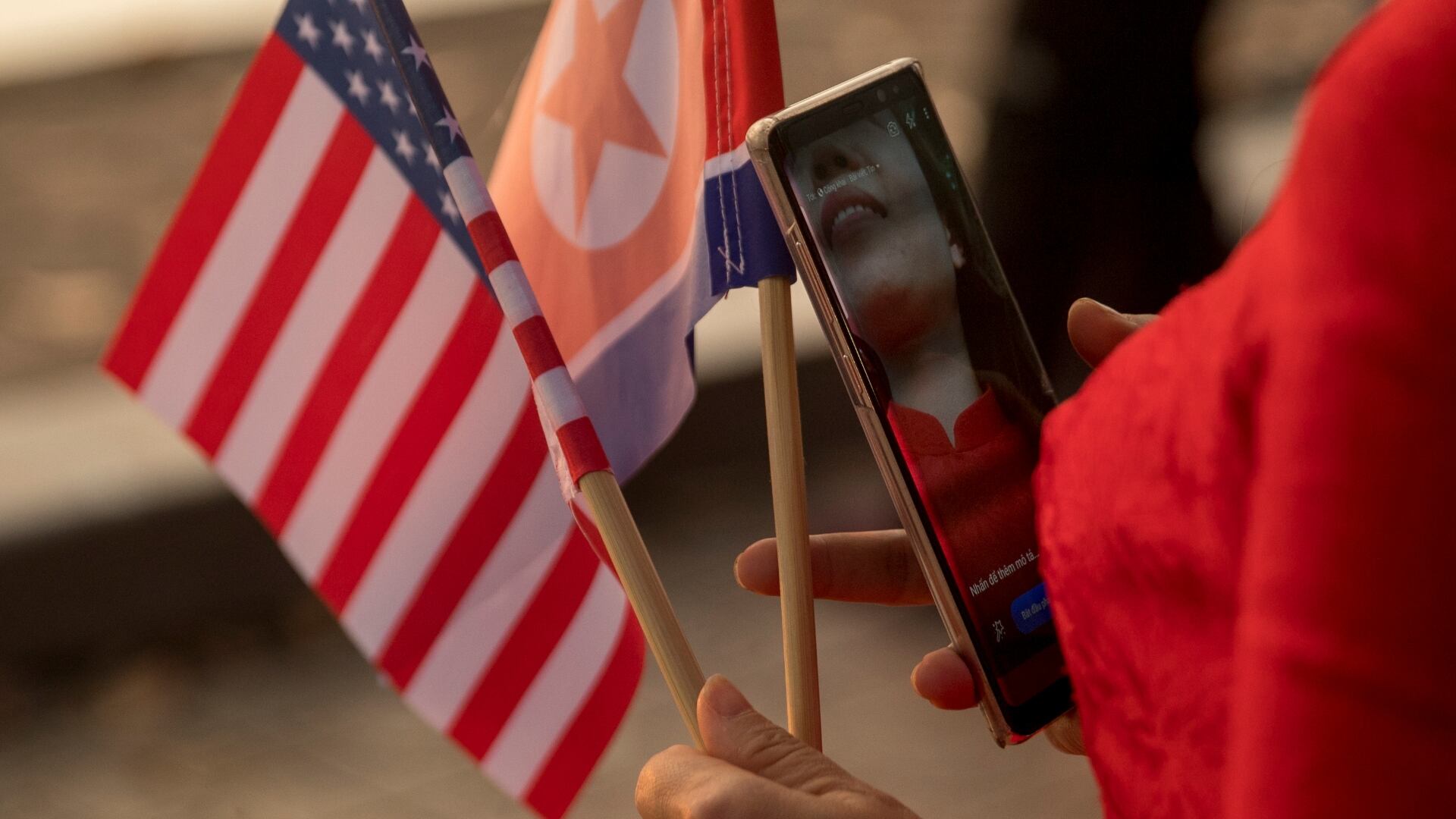
The Biden Administration has officially extended a ban on a Trump-era policy that prohibits traveling with a U.S. passport to North Korea. The extension is expected to last until August 2022. The ban was initially enforced after the death of Otto Warmbier, who entered a vegetative state while in North Korean custody. Advocates against the ban argue that it has caused crippling impacts on Korean Americans who have not been able to reunite with their families back home. Senior Fellow at The Foundation For Defense of Democracies Anthony Ruggiero joined Cheddar's News Wrap to discuss more.