As 2020 presidential candidates prepare to take the stage at the fifth Democratic debate on Wednesday, the lower tier candidates continue their fight for a spot on the national stage. With a growing field of candidates, the ability to stand out in an already crowded field dwindles.
Former Congressman John Delaney was the first to throw his hat in the race in July of 2017, but that hasn't translated into a successful bid for the Democratic nomination.
Still, Delaney sees his moderate approach to universal healthcare as a way to stand out in a progressive field. "I'm more in the Warren and Sanders camp on the goal, which is to give everyone health care as a basic human right. I just have a very different way of implementing it," Delaney said.
Senator Michael Bennet's goal is to appeal to those in purple states by tackling issues such as healthcare with a more pragmatic approach.
"I don't want to fight a losing battle on Medicare for all over the next 10 years because it will strip from us the opportunity to deliver a better economic chance for most Americans," Bennet said.
The Colorado senator's ideals have not translated in polls, but Bennet has found a silver lining.
"My polling is never good except in one respect, which is that people that I expected to be 20 points ahead of me are like one point ahead of me or two points ahead of me," Bennet said.
Former Congressman Joe Sestak sees persistence as the key to winning over Iowa caucus-goers.
"It's tough to keep going at times, but that's what's most admired. I mean, in any kind of challenge," Sestak said.
Sestak has spent most of his time campaigning in early states, walking through New Hampshire and buying ads in Iowa.
Wednesday's debate marks the first time former HUD secretary Julián Castro will not be on the stage. Castro's campaign has consistently focused on marginalized communities in the U.S.
"I have been speaking up for the most vulnerable people in our country, whether it's people sleeping on the streets of Las Vegas or living in a trailer park in Iowa or in a D.C. jail serving time," Castro said.
With less than 100 days to go before the Iowa caucus and increasing requirements to qualify for the remaining primary debates, 2020 hopefuls remain optimistic that their tactics will prevail.
Updated November 20 to reflect that Bennet is not the only senator left in the race.
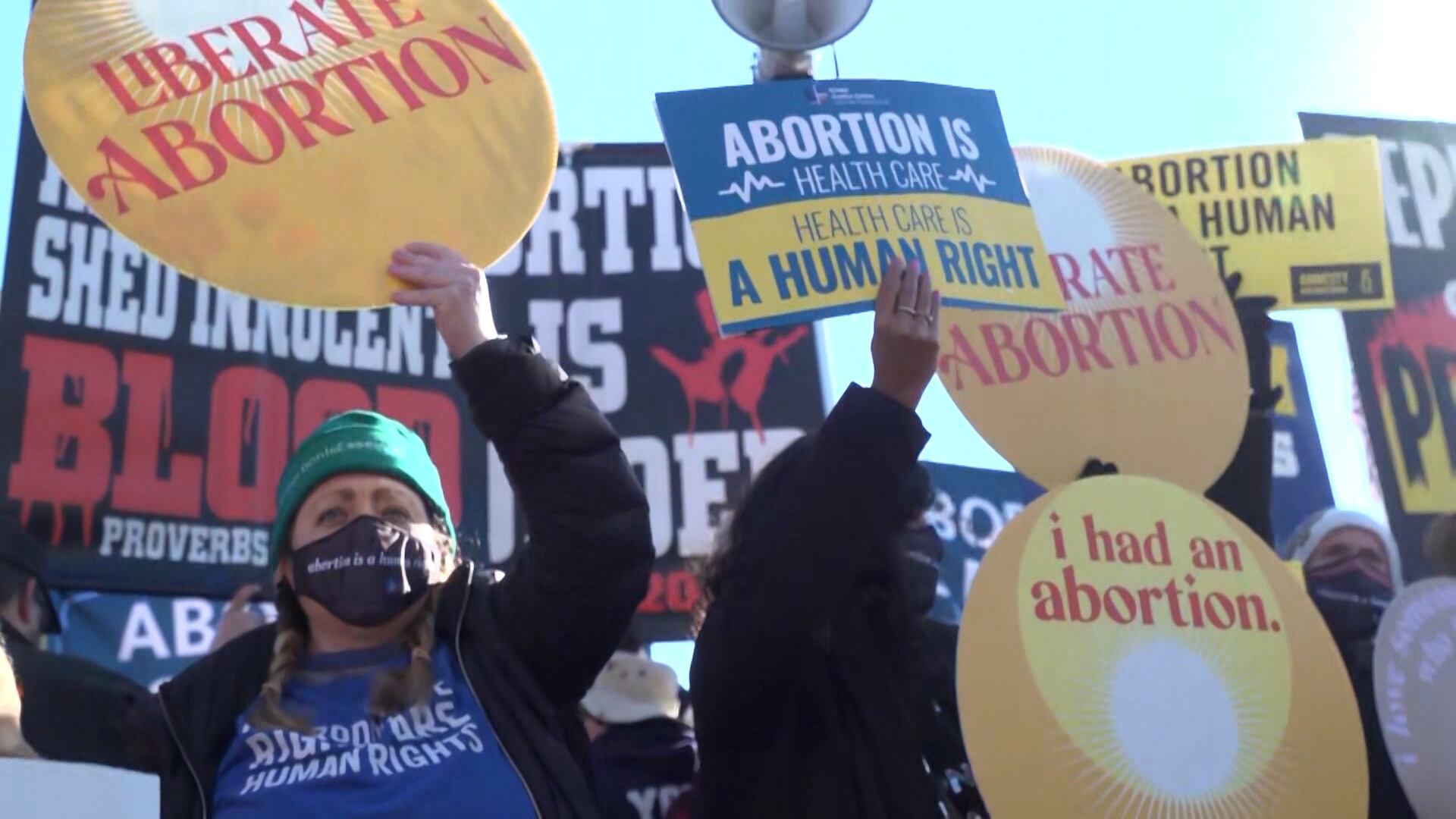
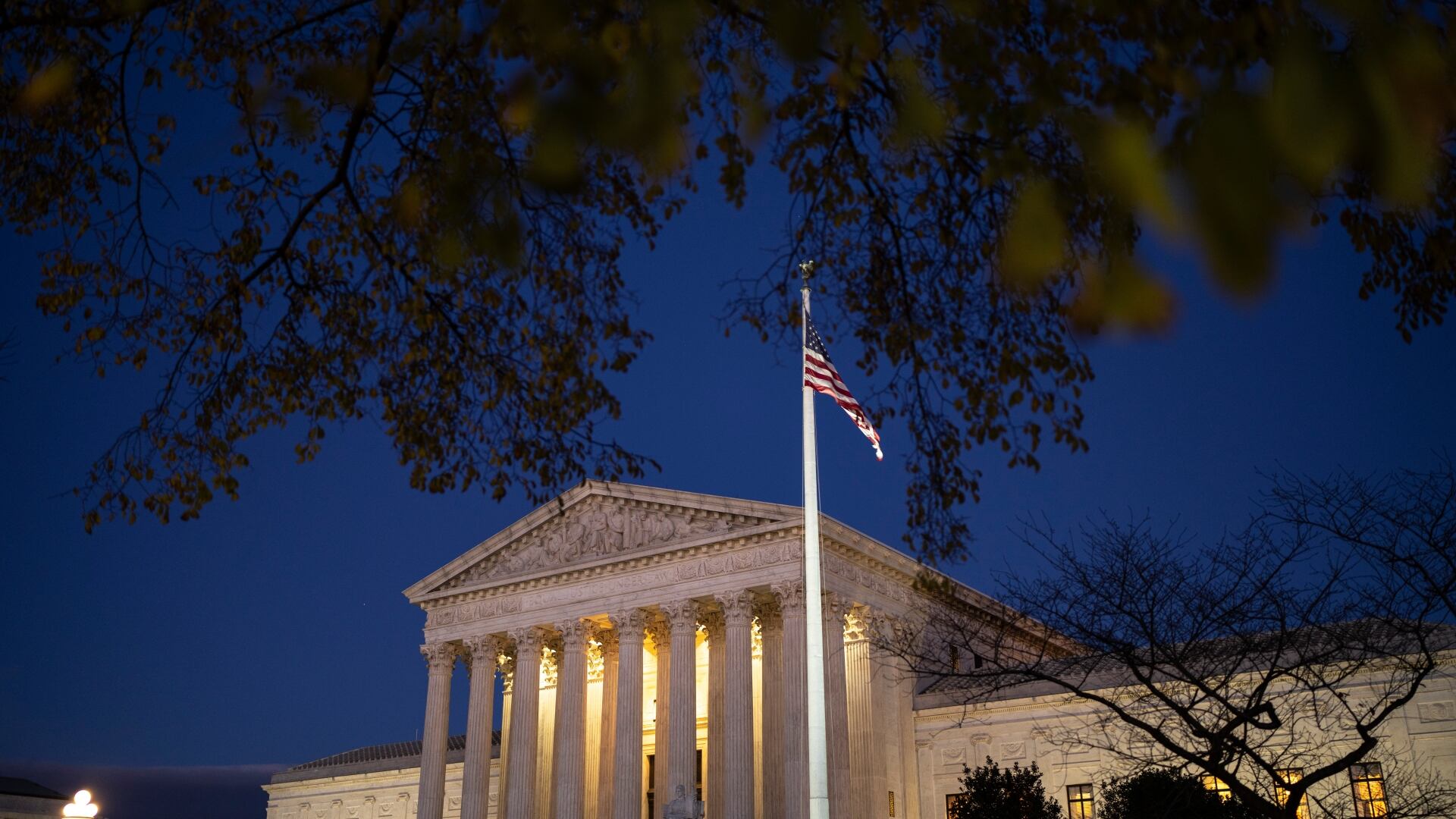
The Supreme Court appeared prepared Wednesday to uphold a Mississippi law that would ban almost all abortions after 15 weeks of pregnancy. The ruling is far from over, with Roe V. Wade at risk. Susan Rinkunas, senior reporter at Jezebel, joins Cheddar News to share the developments of the hearing.
The nine justices heard arguments Wednesday, around a Mississippi abortion law that bans the procedure after 15 weeks and appeared to lean toward upholding the law, while leaving uncertainty about the landmark precedent, Roe v. Wade. Kristin Ford, vice president of communications and research at NARAL Pro-Choice America joins Cheddar News to discuss.
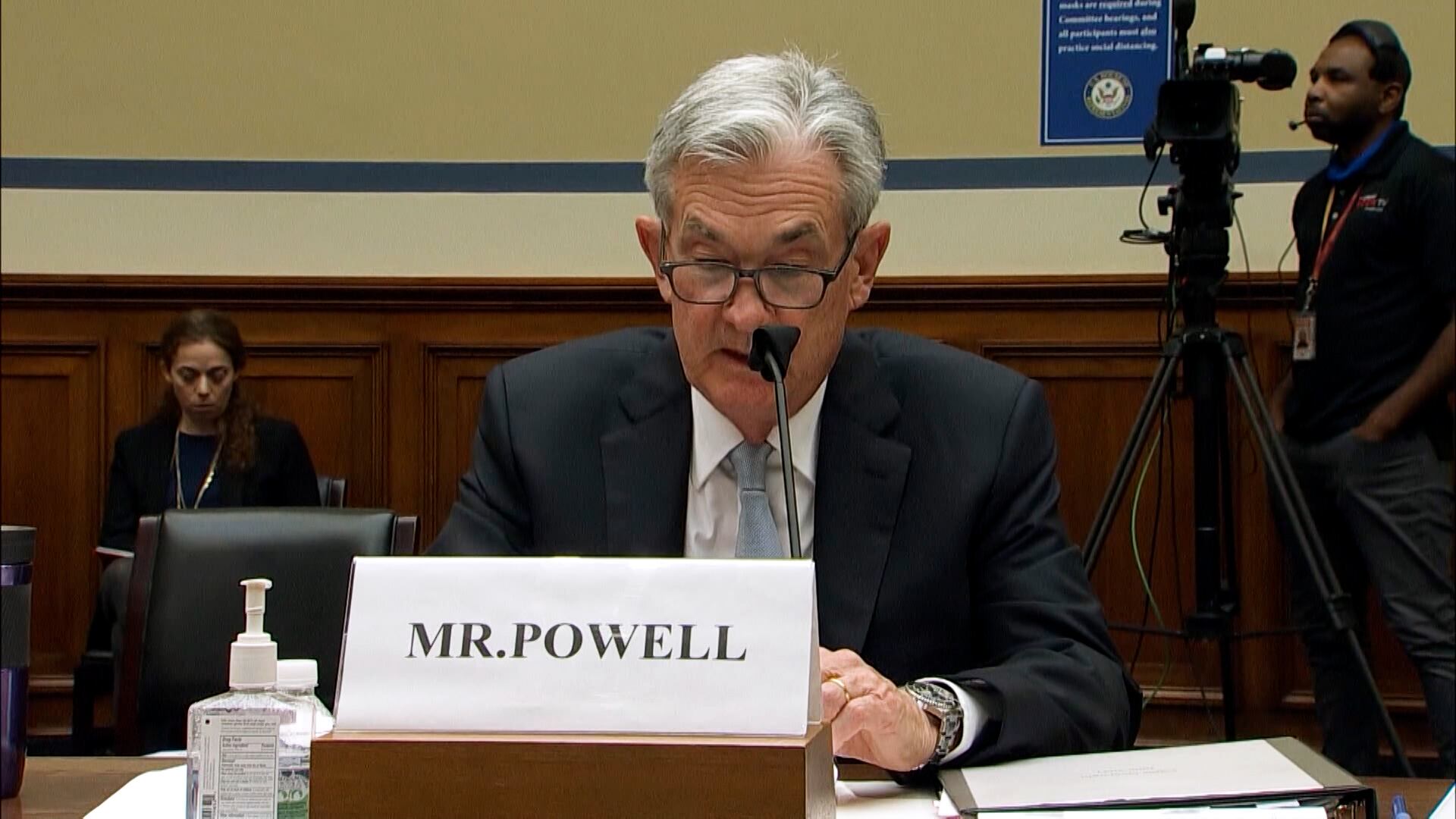
Just about a week after being re-nominated, Federal Reserve Chair Jermone Powell is changing his tune. After nearly a year of referring to inflation as 'transitory,' Powell said he will retire the 'T' word as inflation remains elevated. Christopher Russo, Post-Graduate Research Fellow, Mercatus Center joined Cheddar's Opening Bell to discuss.
Airbnb has come under fire after an Axios report found that the rental company has properties available in China's Xinjiang region where the nation has been accused of committing genocide against Uyghur Muslims, demolishing their homes, and replacing them with tourist attractions.
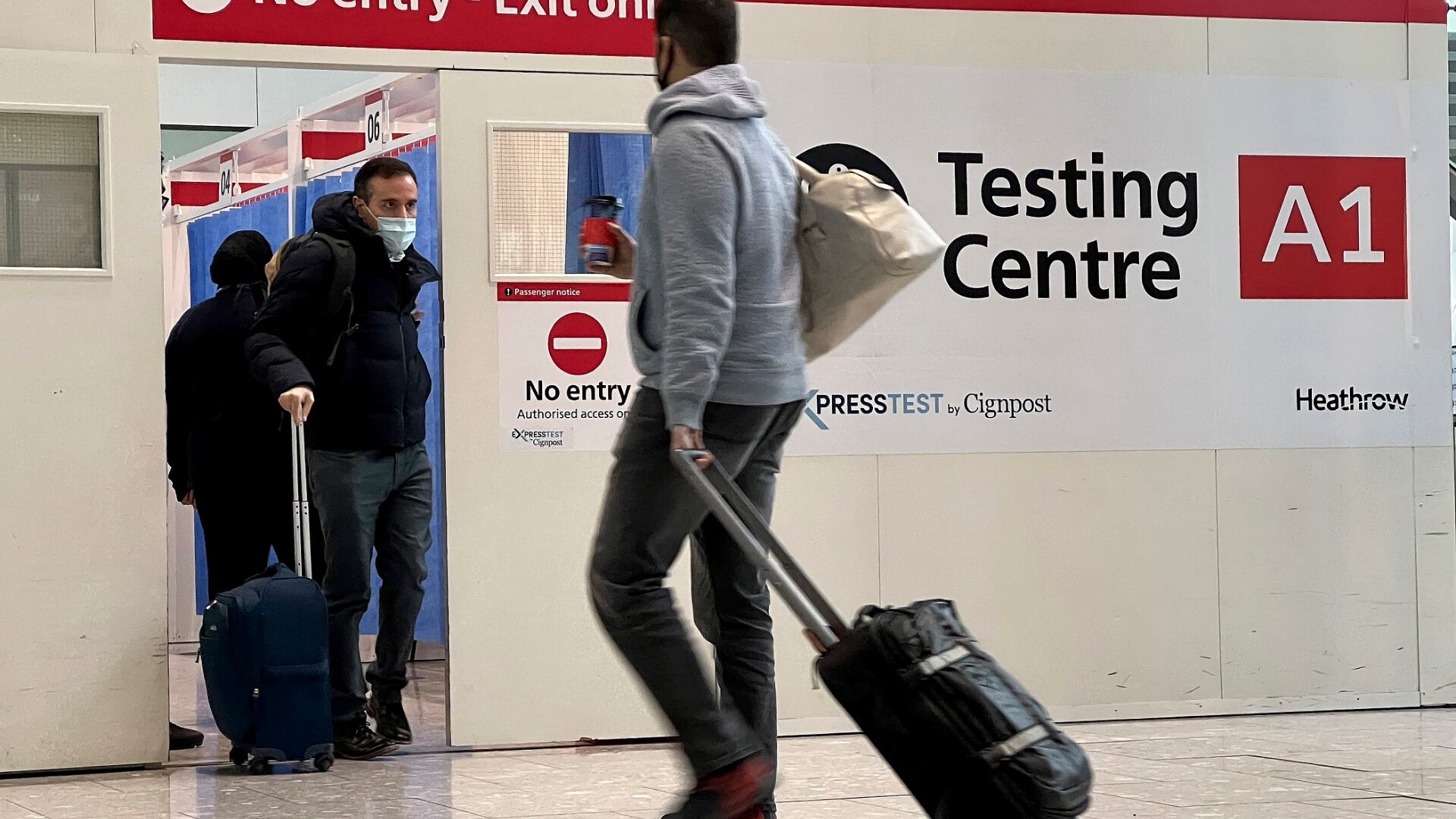
With the emergence of the omicron variant, the U.S. is considering tightening international travel guidelines. The CDC said it might reduce the window for foreign travelers to submit a negative COVID-19 test from three days prior to one day before allowing entry.
Jill and Carlo cover the latest on Omicron, another school shooting in America and more. Plus, bidding farewell to 'transitory' inflation, and the controversy surrounding 'Lovely Bones' author Alice Sebold.
Disparities in tree coverage across America is a huge issue that affects air quality, heat exposure, and ultimately determines how resilient communities are against climate change. The Build Back Better Act is allocating $2.5 billion to boost 'tree equity.' Lemir Teron, assistant professor at SUNY College of Environmental Science and Forestry, joins Cheddar News to explain why this is a priority for Democrats today.