As 2020 presidential candidates prepare to take the stage at the fifth Democratic debate on Wednesday, the lower tier candidates continue their fight for a spot on the national stage. With a growing field of candidates, the ability to stand out in an already crowded field dwindles.
Former Congressman John Delaney was the first to throw his hat in the race in July of 2017, but that hasn't translated into a successful bid for the Democratic nomination.
Still, Delaney sees his moderate approach to universal healthcare as a way to stand out in a progressive field. "I'm more in the Warren and Sanders camp on the goal, which is to give everyone health care as a basic human right. I just have a very different way of implementing it," Delaney said.
Senator Michael Bennet's goal is to appeal to those in purple states by tackling issues such as healthcare with a more pragmatic approach.
"I don't want to fight a losing battle on Medicare for all over the next 10 years because it will strip from us the opportunity to deliver a better economic chance for most Americans," Bennet said.
The Colorado senator's ideals have not translated in polls, but Bennet has found a silver lining.
"My polling is never good except in one respect, which is that people that I expected to be 20 points ahead of me are like one point ahead of me or two points ahead of me," Bennet said.
Former Congressman Joe Sestak sees persistence as the key to winning over Iowa caucus-goers.
"It's tough to keep going at times, but that's what's most admired. I mean, in any kind of challenge," Sestak said.
Sestak has spent most of his time campaigning in early states, walking through New Hampshire and buying ads in Iowa.
Wednesday's debate marks the first time former HUD secretary Julián Castro will not be on the stage. Castro's campaign has consistently focused on marginalized communities in the U.S.
"I have been speaking up for the most vulnerable people in our country, whether it's people sleeping on the streets of Las Vegas or living in a trailer park in Iowa or in a D.C. jail serving time," Castro said.
With less than 100 days to go before the Iowa caucus and increasing requirements to qualify for the remaining primary debates, 2020 hopefuls remain optimistic that their tactics will prevail.
Updated November 20 to reflect that Bennet is not the only senator left in the race.
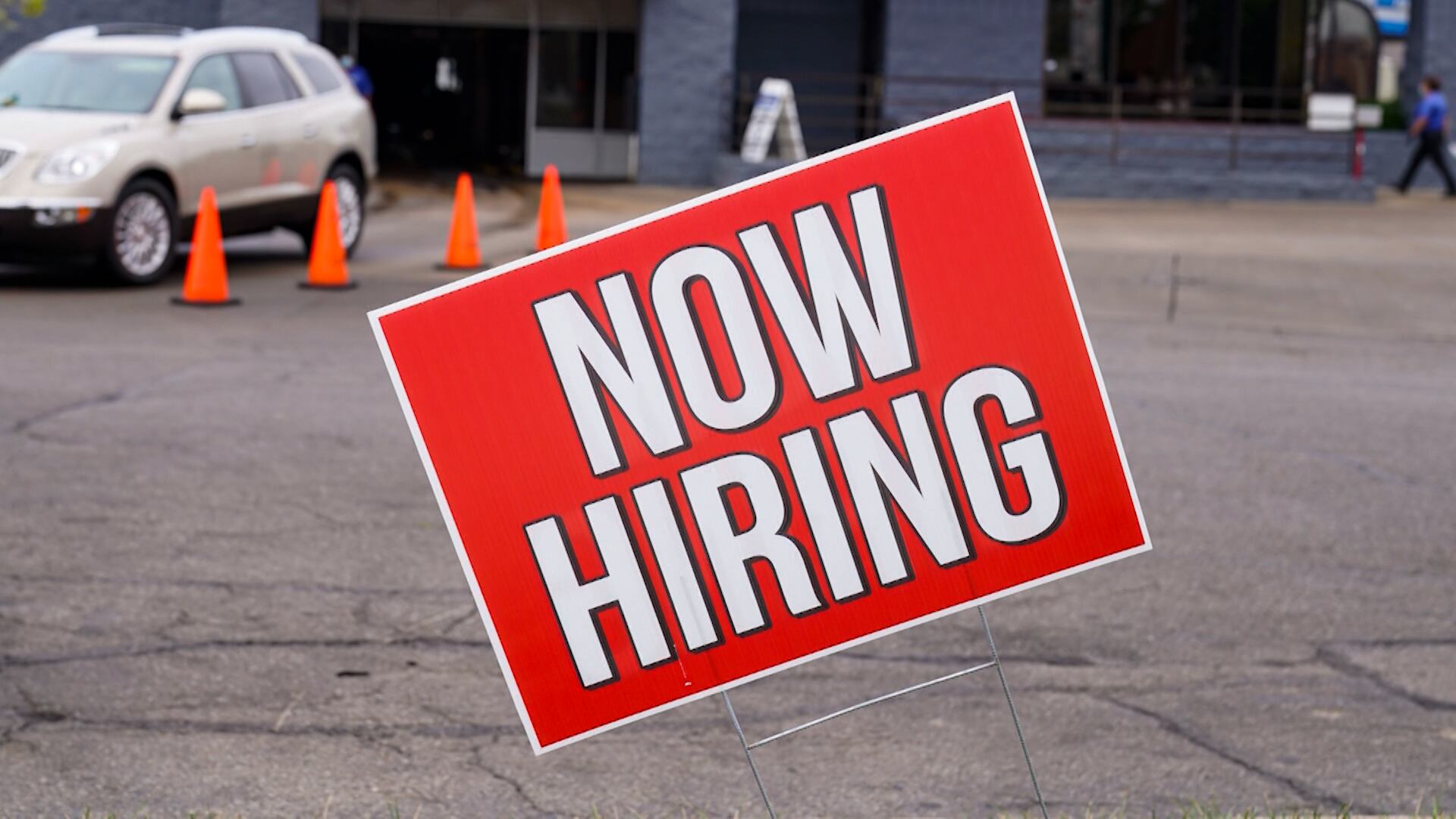
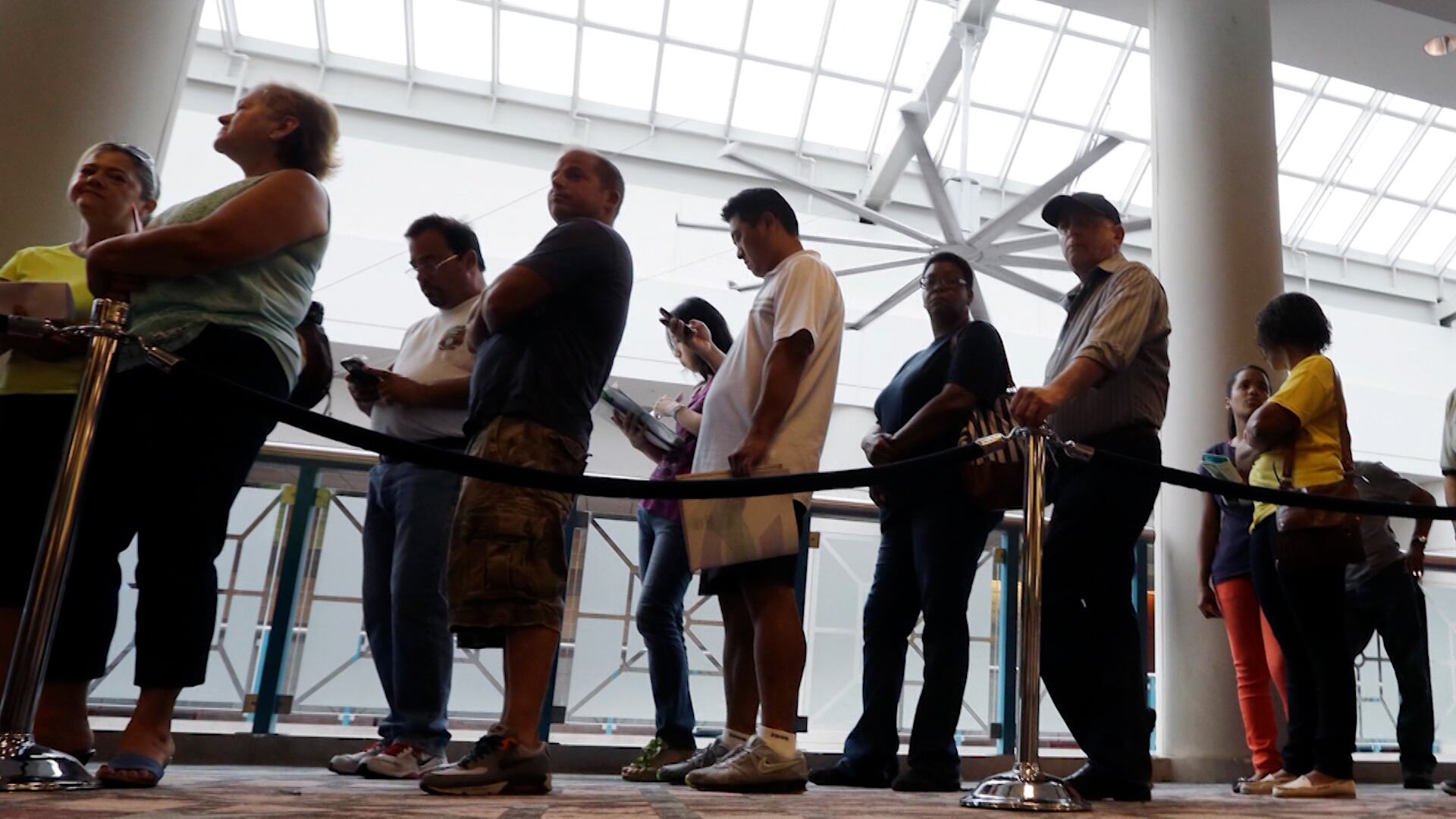
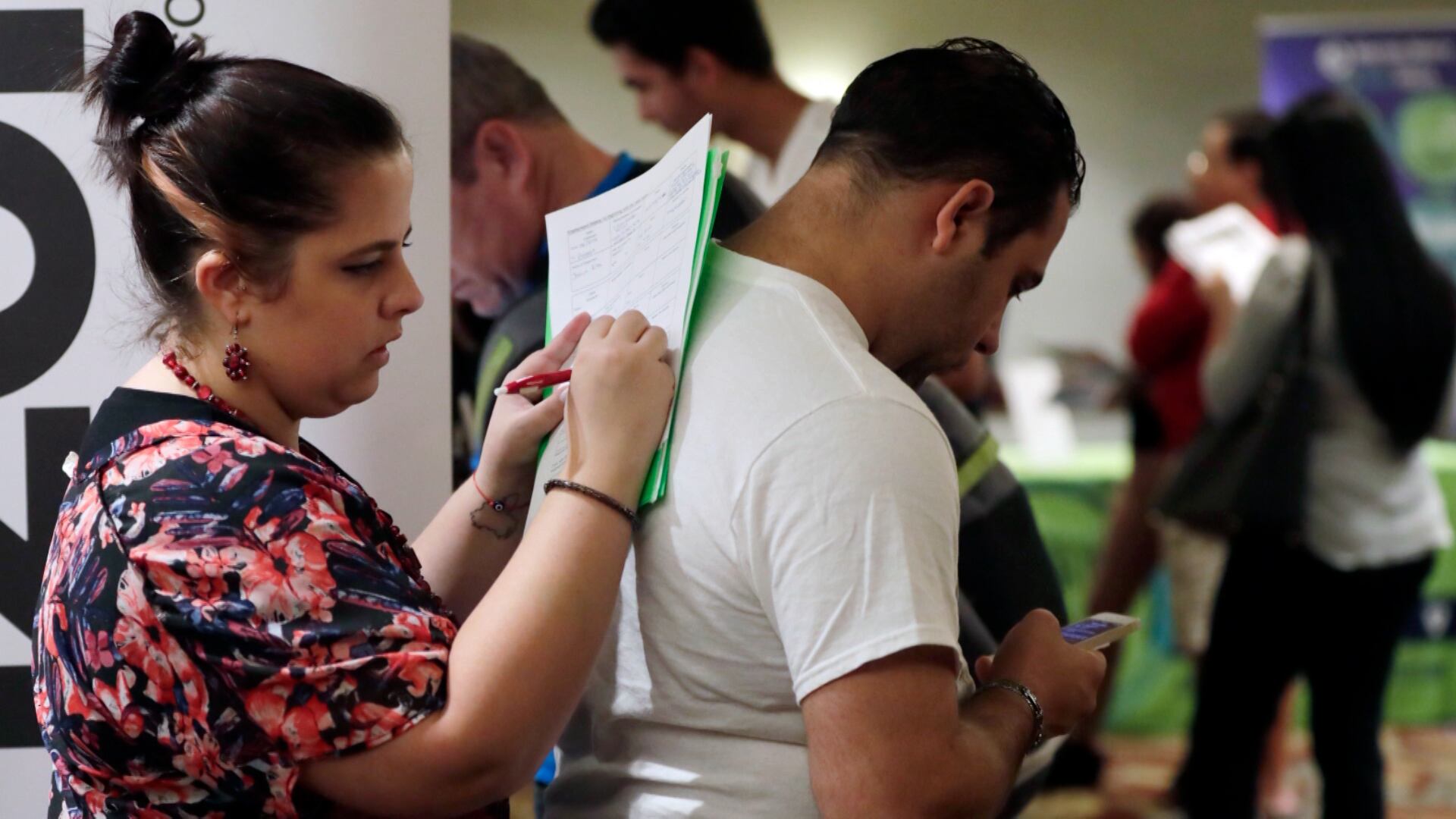
Following the surprising big beat on estimates for the January jobs report, William M. Rodgers III, vice president and director of the Institute for Economic Equity at the Federal Reserve Bank of St. Louis, joined Cheddar News to break down the data. “We ended 2021 with a strong crescendo to a recovery that had taken hold, and we started 2022 in good fashion." He also discussed the dueling pressures of wage growth and inflation.
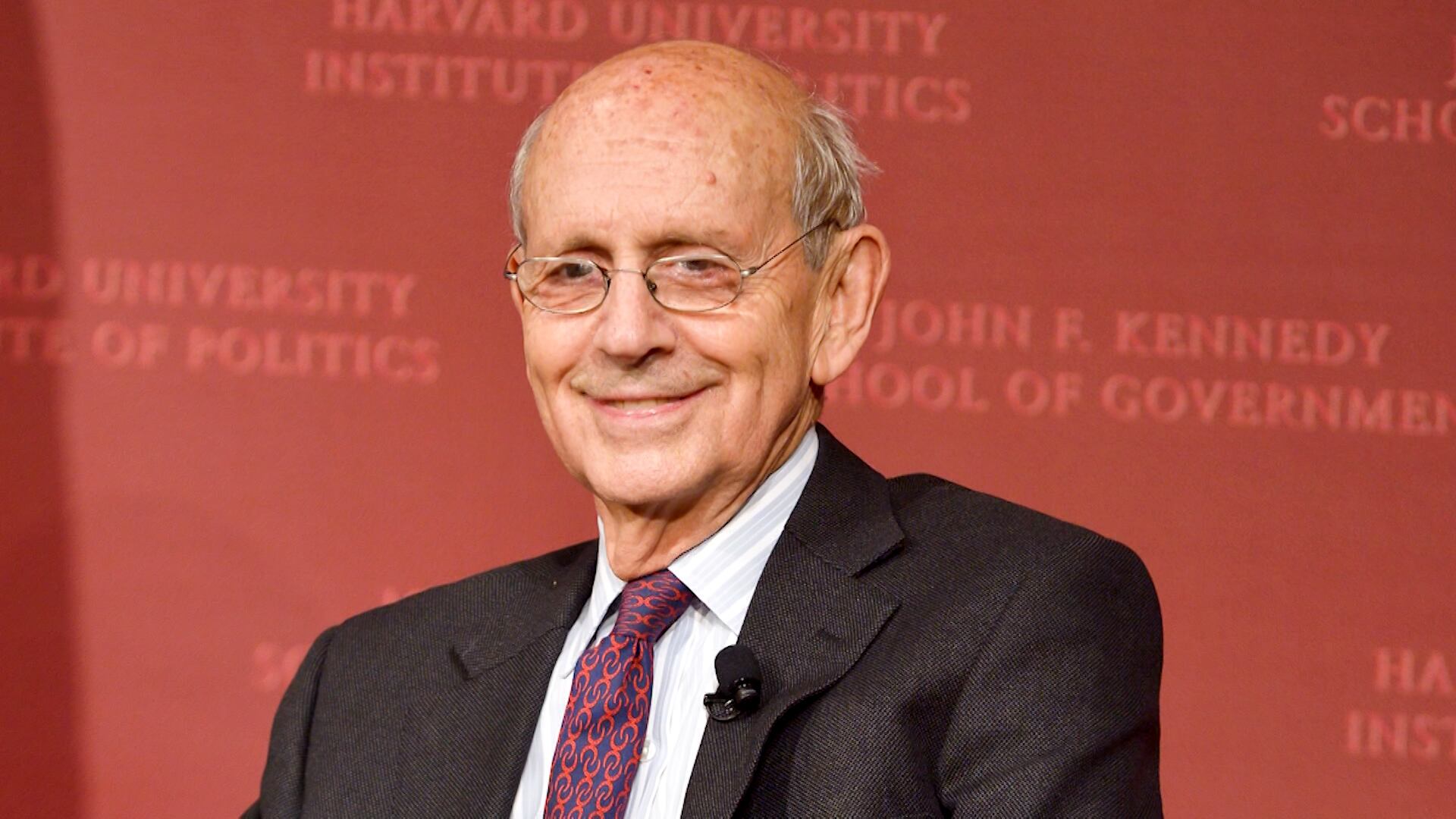
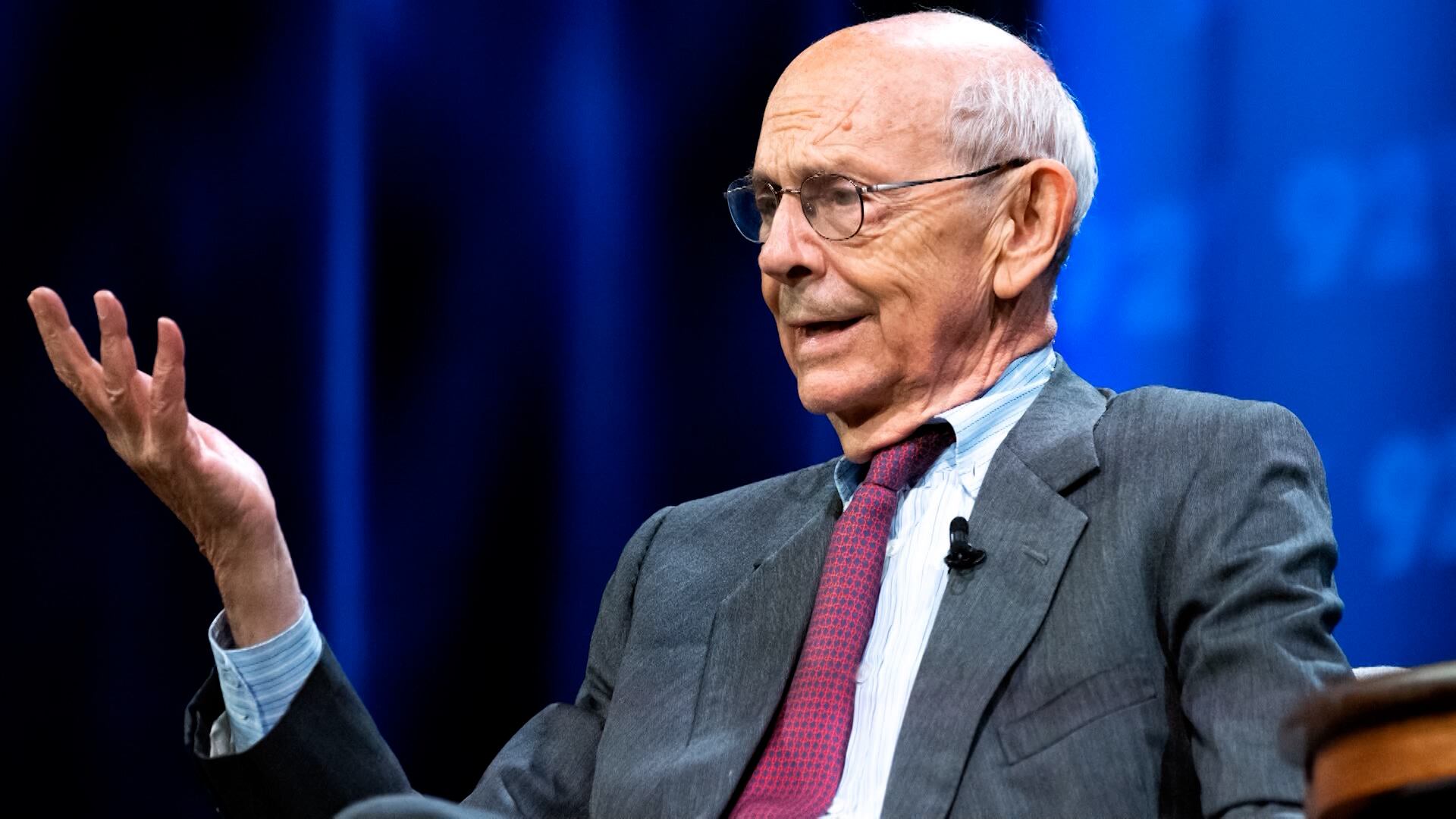
Jessica Mason Pieklo, senior vice president and executive editor of the Rewired News Group and co-host of the podcast. "Boom! Lawyered," joins Cheddar Politics to discuss Justice Stephen Breyer's retirement, legacy and potential replacement on the Supreme Court.
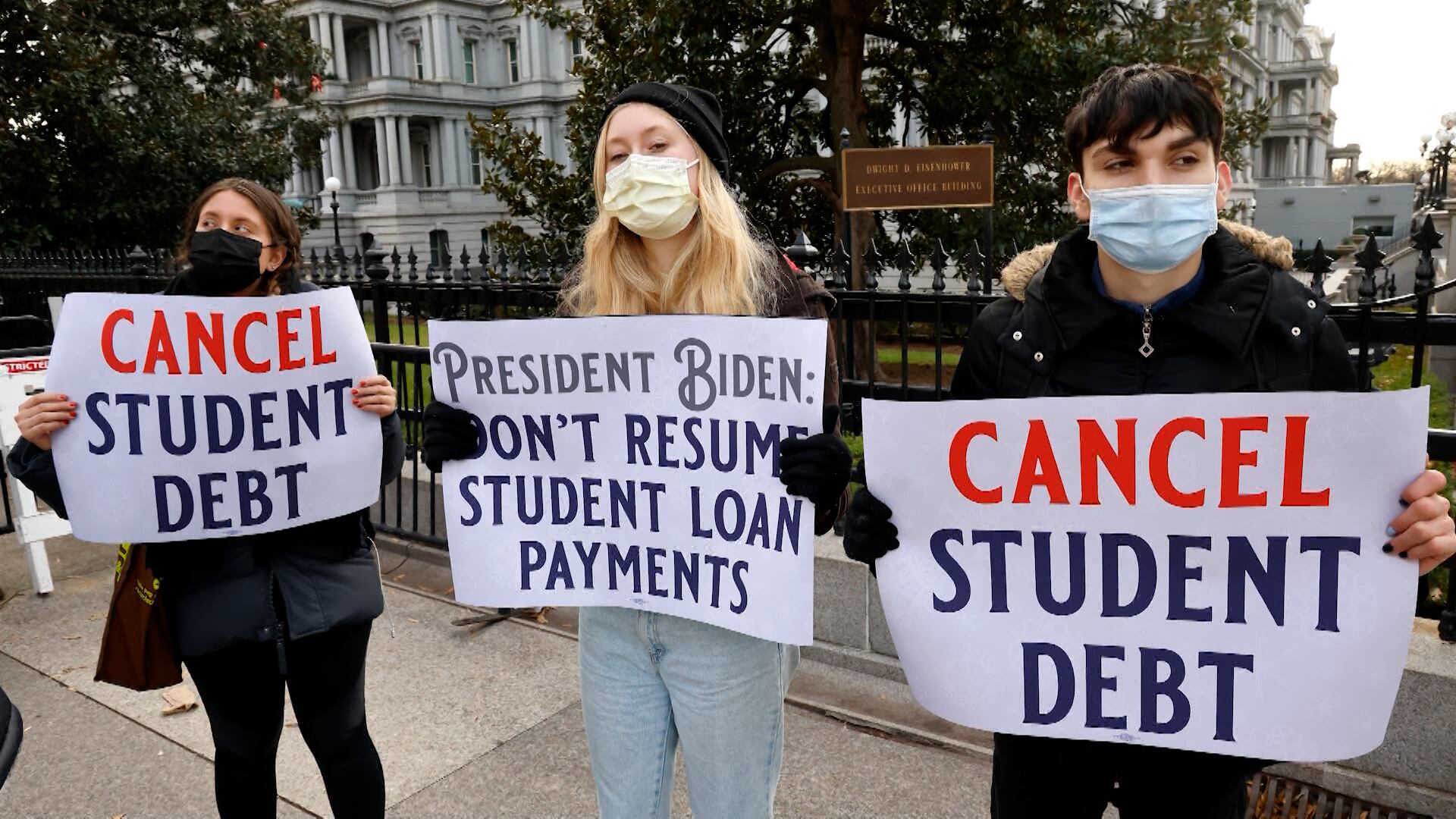
The Biden administration delivered a temporary win for student loan borrowers this year by extending the moratorium on federal payments for a few more months. That moratorium is coming to an end on May 1st and borrowers will again have their monthly loan payment plopped in their lap.
Stephanie Vanderslice, a creative writing professor paying off debt through the Parent Plus program, and Mike Pierce, executive director of the Student Borrower Protection Center, join Cheddar Politics to discuss.
2022 was already going to be a big year for the Supreme Court. We have decisions on major issues like abortion and gun rights on the way. Then, Justice Stephen Breyer announced his retirement and that set up a major confirmation fight for later this year. Amy Howe, co-founder of SCOTUSblog, joins Cheddar Politics to discuss.
The Labor Department released a better-than-expected report of 467,000 jobs added in January. Heather Boushey, Council of Economic Advisers Member for President Biden, joined Cheddar to tout the administration's handling of the economy amid the pandemic and the upward revisions for the previous month. "It also shows that, because of the revisions, the economy was stronger over the past couple of months," she said. "I don't think that this can be said enough, but economic forecasting during an historic pandemic is extremely difficult." Boushey also addressed issues involving wage growth versus the rapid rise of inflation.
The Labor Department's January jobs report showed 467,000 jobs were added, compared to the 150,000 that were projected, a sign that employment is continuign to return to pre-pandemic levels. Lindsey Piegza, chief economist at investment bank Stifel, joined Cheddar to break down the report, noting the big gains but adding a note of caution. "Remember, even with this morning's stellar report, we're still millions below that level that we had reached prior to the onset of COVID-19," she said." Yes, we are recapturing jobs. We still have further ground that needs to be made before we can talk about reaching that previous peak." Piegza also discussed the role of the Federal Reserve going forward as the employment figures turn more positive.
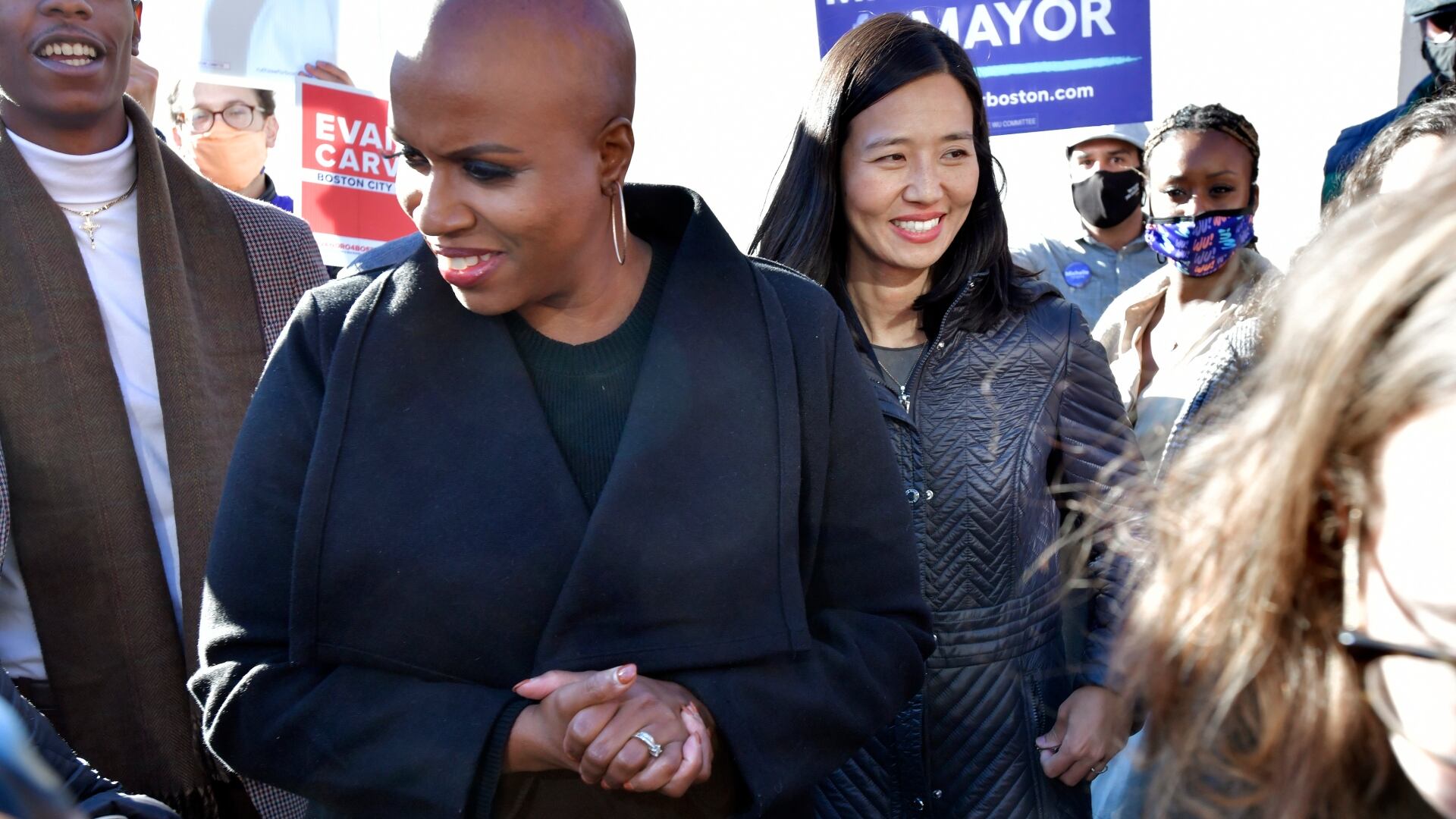
As President Biden's poll numbers fall with Black voters, Rep. Ayanna Pressley (D-Mass. 7th District) joined Cheddar to discuss what she feels could help the embattled administration: deliver on policies. Pressley pointed to stalled legislation such as new voting rights laws and Build Back Betters and canceling student loan debt, which would go a long way to improving his standing with Black constituents. "President Biden has the authority and the power to alleviate this burden, which would also help in closing the racial wealth gap, and he can do it by executive action with the stroke of a pen," she said. "And it doesn't require one vote from Congress. So, the Biden administration just needs to deliver to Black America in a tangible and impactful way."