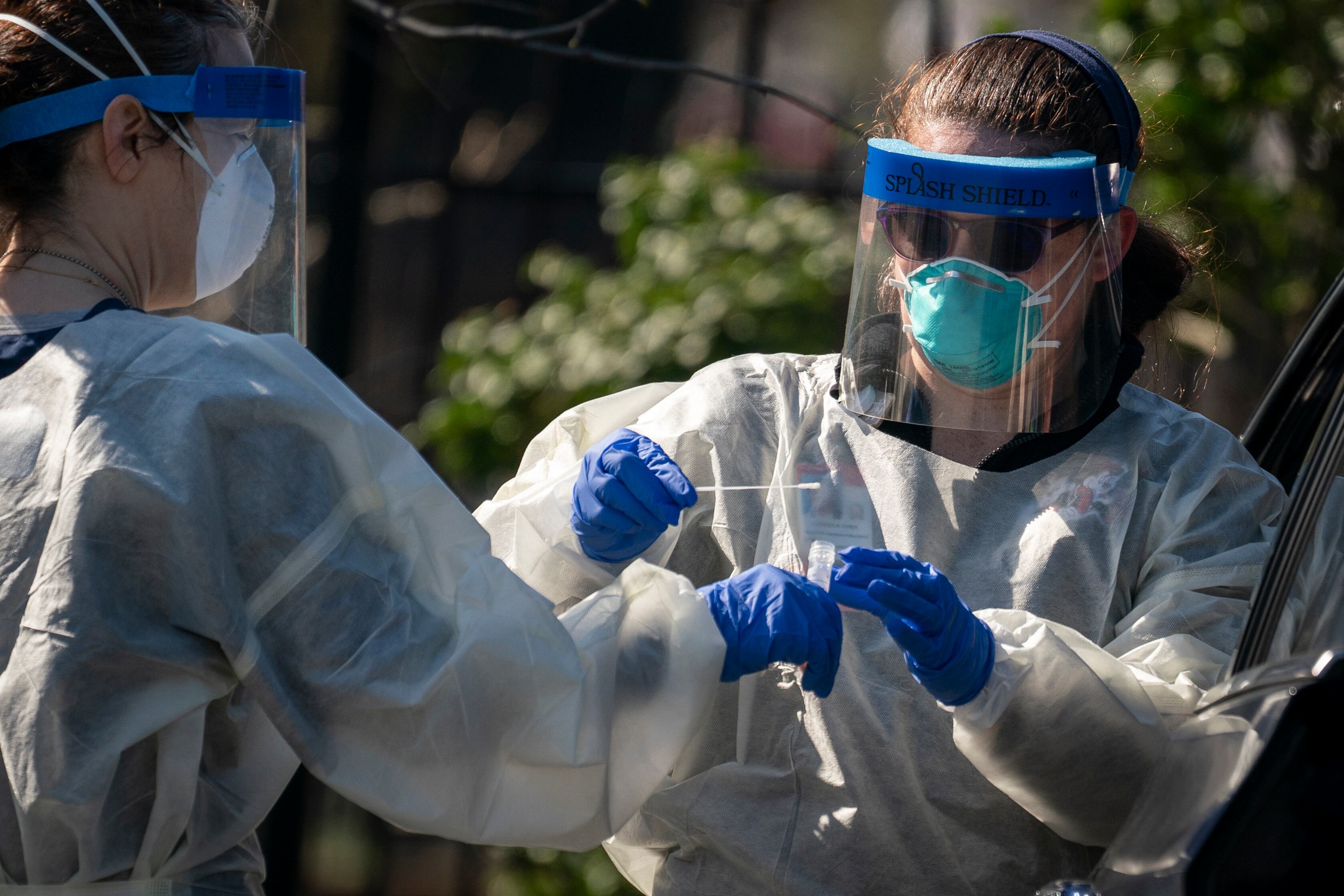
The Trump administration announced plans Friday to speed up coronavirus testing, introducing an emergency hotline for companies and private laboratories developing quicker tests and seems on a path to a multi-billion-dollar federal plan with Congress amid reports the president will declare a national emergency later today.
"I hope he does it, it's the right thing to do, it will free up states and local communities to act more aggressively," Rep. Ami Bera (D-Calif. 7th District) told Cheddar on Friday.
The administration is catching up to warnings health officials have been making for weeks about the United States's lack of preparedness for what is now a pandemic. Bera, a physician himself, said the new measures will allow community health centers taking care of Medicaid patients to be reimbursed for telemedicine.
"If you can manage [sick patients] using technology, using telehealth, telemedicine and they can stay at home, that is actually a good thing, that will help slow the spread," he said.
Though telemedicine may help treat patients without potentially infecting those they come in contact with, a lack of test kits will impede physicians’ ability to track patients.
"What I’ve suggested to the administration is, look, if South Korea can do it, pick up the phone, call the Korean company that’s making these tests and see if you can’t just license those tests and get it sent over here if it’s taking so long for us to do it," he said.
While health workers attempt to slow the spread of the virus, politicians are still at work on a bill, which appeared to hit a roadblock today over disagreements about paid sick leave. House Speaker Nancy Pelosi and Treasury Secretary Steven Mnuchin have been negotiating the plan, which House Democrats are expected to vote on today.
"We're told that they're pretty close," Bera said. "Workers, families, those hourly wage folks, they're going to be hurt immediately. This is America, we don't let people fall down like that."
Lenders are raising serious concerns about the Payroll Protection Program, which was scheduled to launch Friday, citing a lack of information from the government on how and if the emergency loan program will even work and leading some to opt out of it.
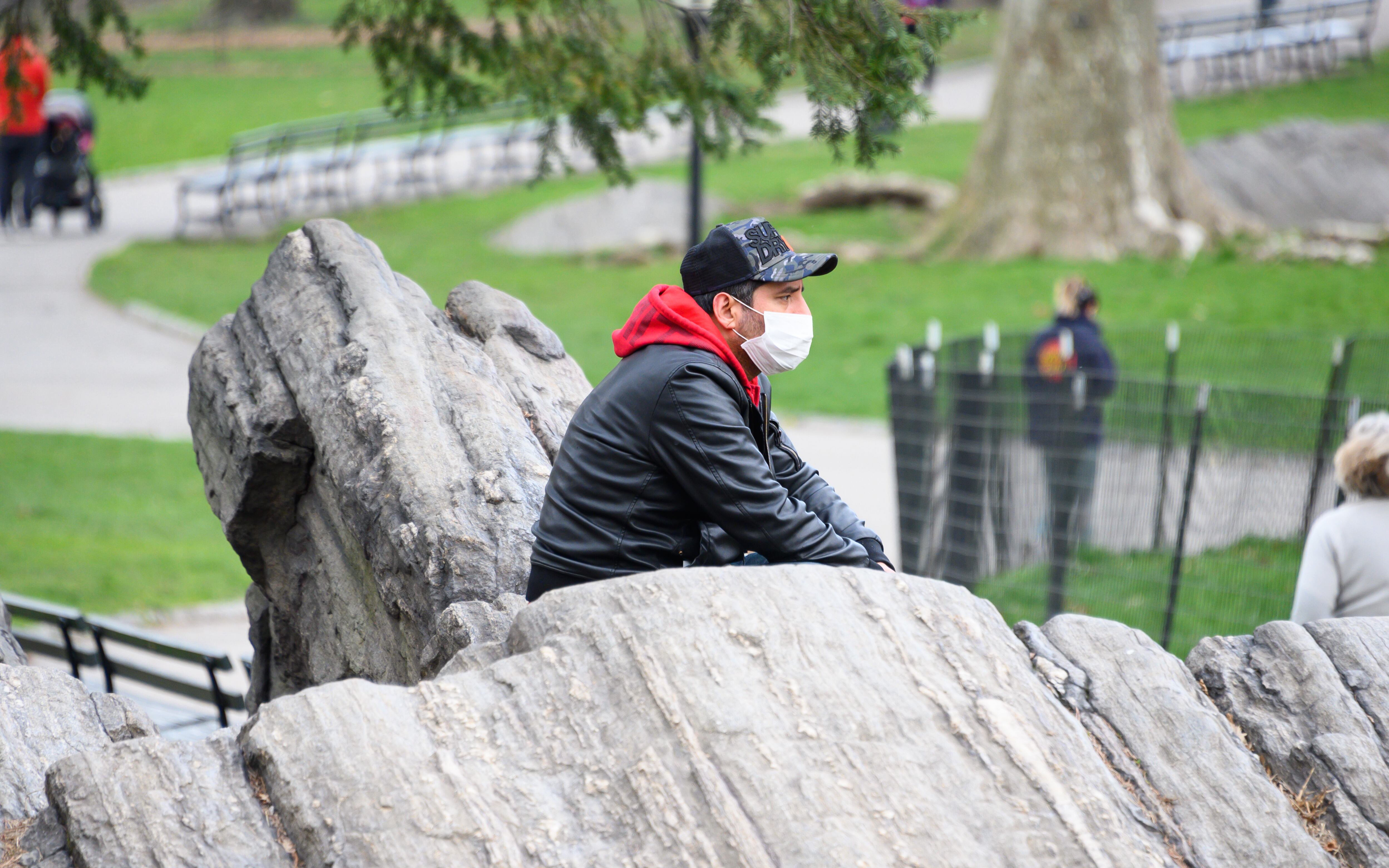
President Donald Trump has announced new federal guidelines recommending that Americans wear face coverings when in public. The president immediately said he had no intention of following the advice himself.
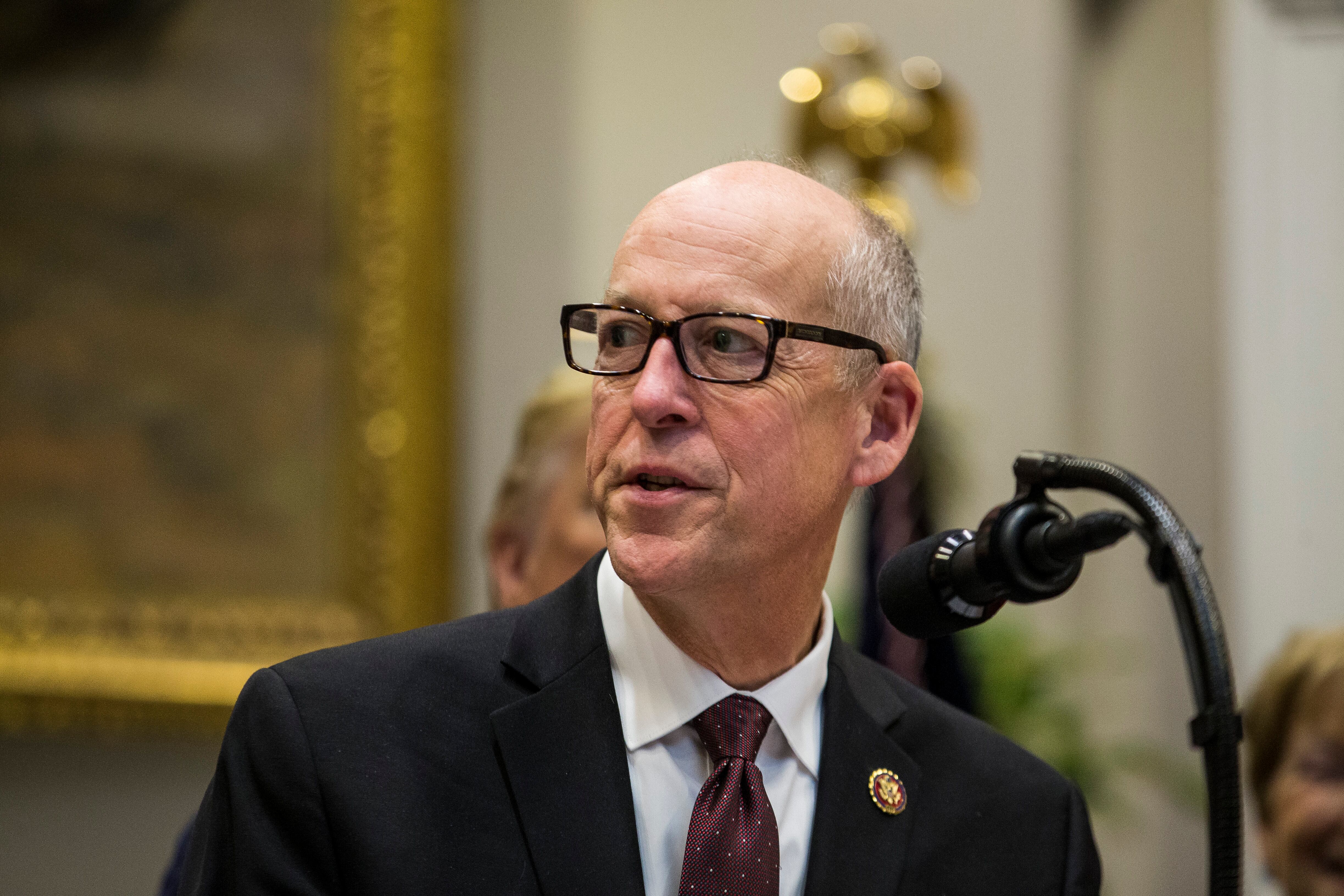
Rep. Greg Walden (R-Ore. 2nd District) supports the "basic public health protocol" is leading to drastic mitigation of the pandemic in his state of Oregon.
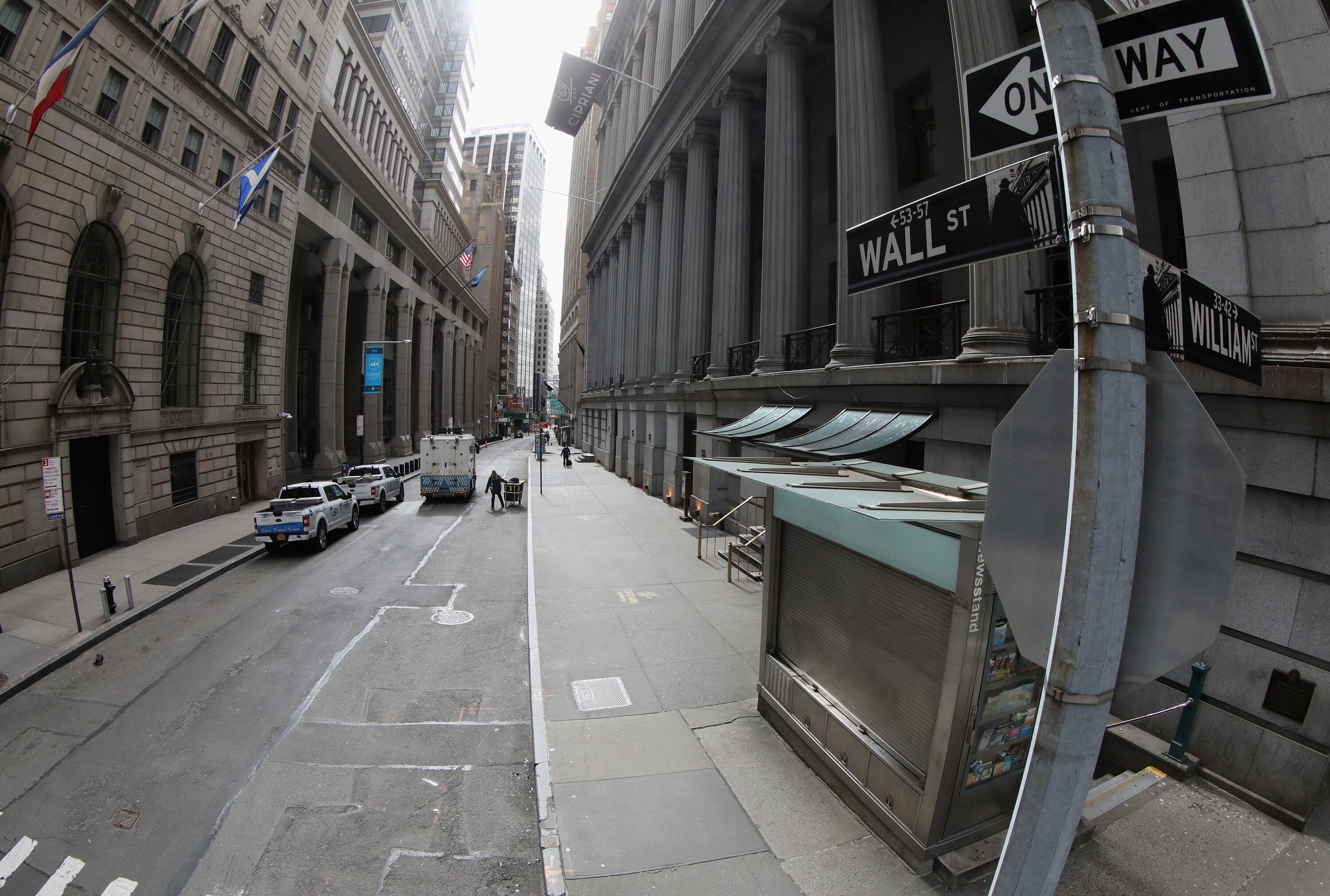
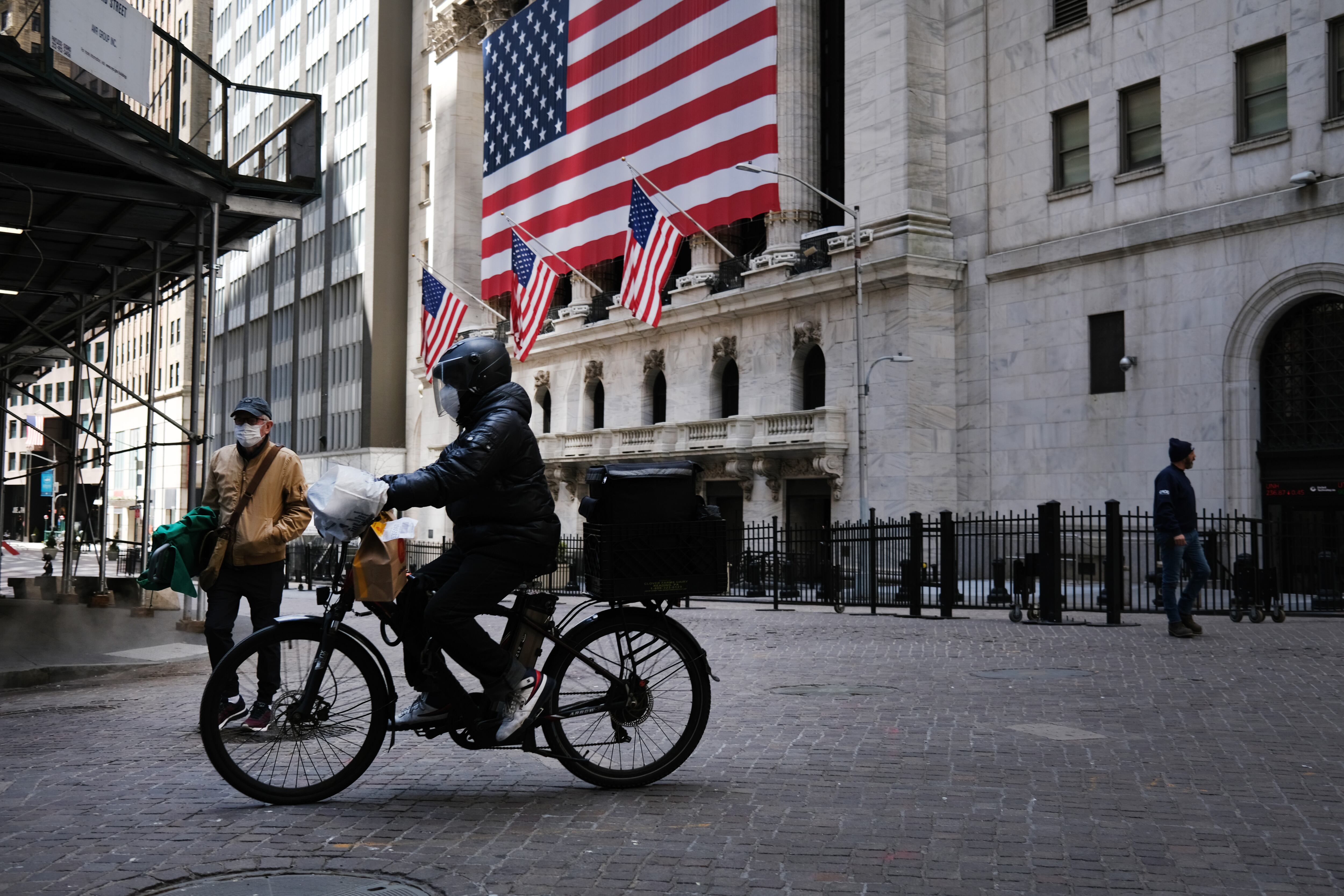
Stocks are falling again on Wall Street, putting the market on track for its third down week in the last four. The S&P 500, Dow and Nasdaq were each down more than 2.5%.
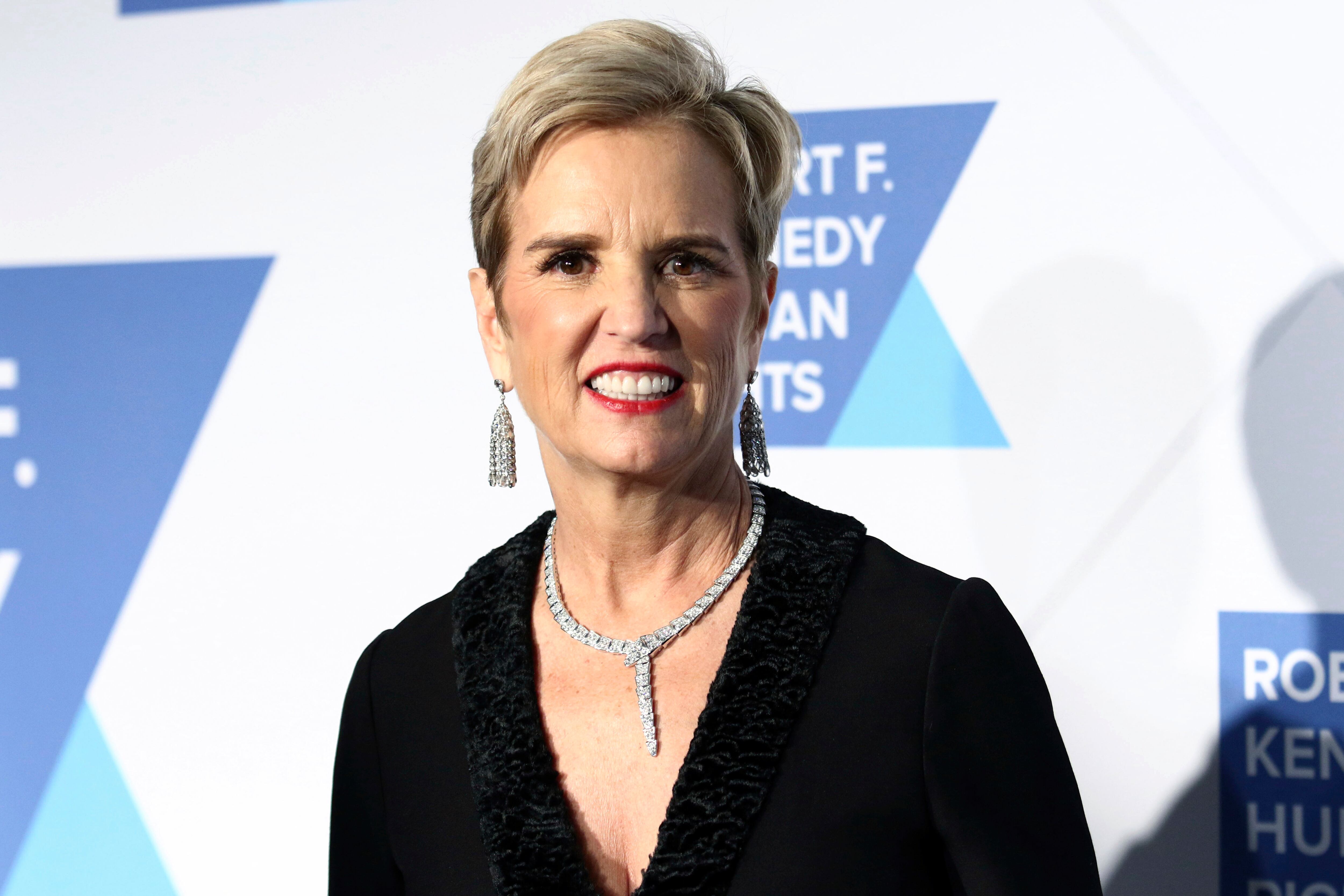
Kerry Kennedy, daughter of Robert F. Kennedy, and ex-wife of New York Governor Andrew Cuomo, said that RFK Human Rights has freed over 200 people in 10 cities over the last two and a half weeks. These people were put in jail and awaiting trial, some for as little as a $25 fine for an overdue parking ticket.
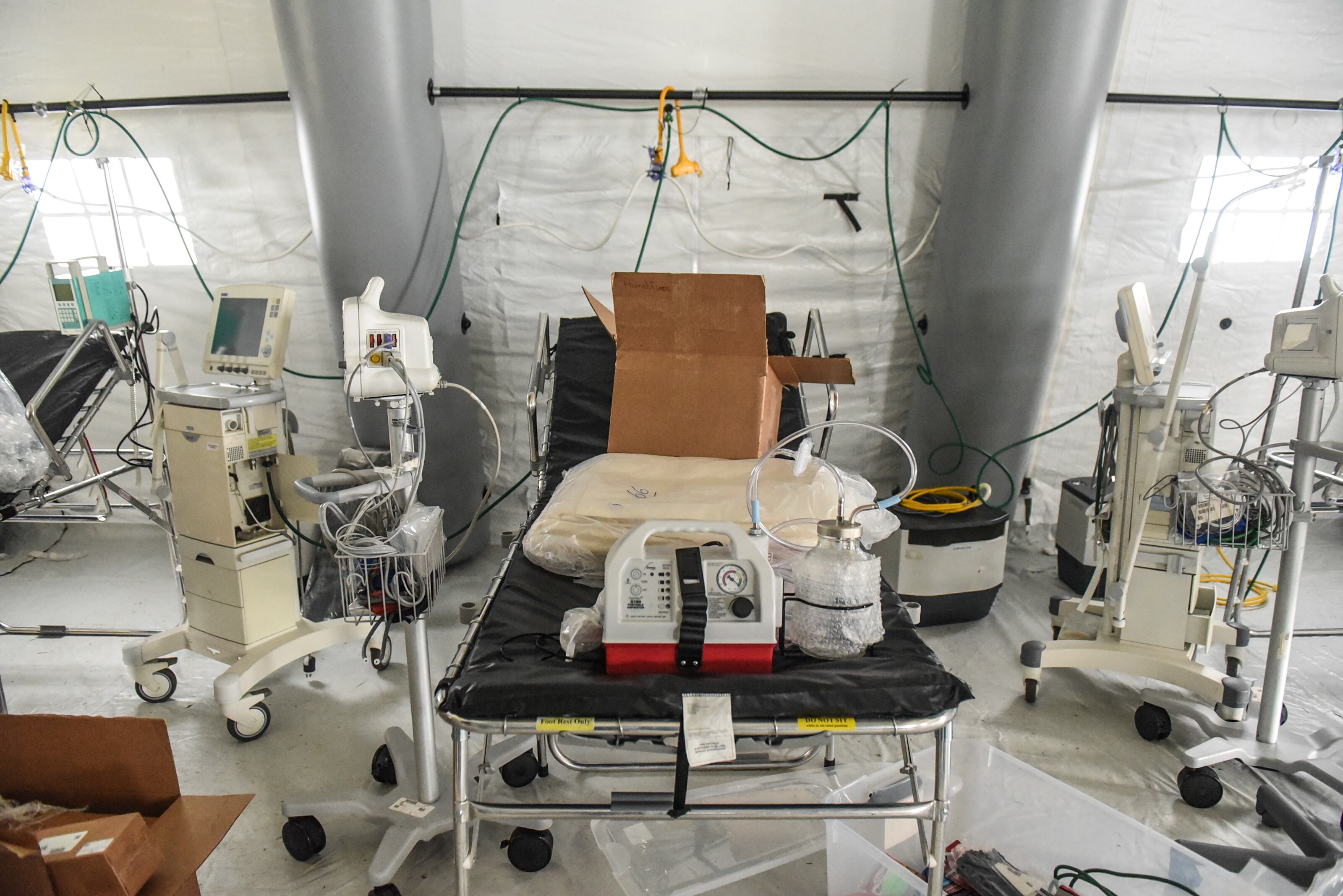
The governor said he has spoken with hospital administrators and understands the reluctance to give up essential equipment, but that he wants to avoid a situation where COVID-19 patients are dying in one part of the state while ventilators sit unused in another part of the state.
Stocks are falling in morning trading on Wall Street, putting the S&P 500 on track for its third down week in the last four. But the losses are much milder than what's rocked investors the last couple months.
The Trump administration is formalizing new guidance to recommend that many Americans wear face coverings in an effort to slow the spread of the new coronavirus, as the president is aggressively defending his response to the public health crisis.
The coronavirus outbreak has triggered a stunning collapse in the U.S. workforce, with 10 million people losing their jobs in the past two weeks. Meanwhile, the number of confirmed infections worldwide has hit 1 million, with more than 50,000 deaths, according to the tally kept by Johns Hopkins University.
Stock indexes turned wobbly on Wall Street Thursday, giving up most of an early gain driven by a surge in oil prices.